
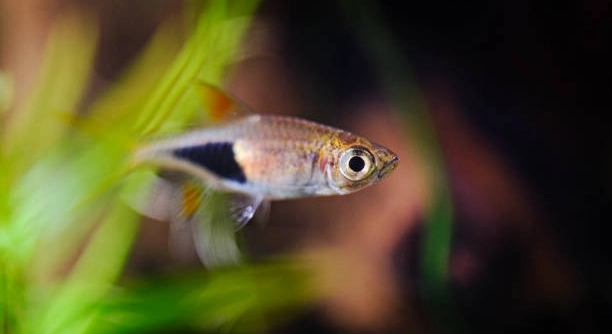
Have you ever noticed your rasboras swimming in tight circles, returning to the same spot repeatedly, and appearing focused on one area of the tank, even when plenty of space, plants, and decorations are available?
Rasboras circle the same area primarily due to environmental stress, social behavior, or spatial cues within the aquarium. Factors such as schooling instincts, water flow patterns, lighting placement, and subtle territorial responses can influence repetitive swimming movements over time consistently.
Observing these patterns more closely can reveal insights about tank conditions, fish well-being, and simple adjustments that improve aquatic life.
Schooling Behavior and Comfort Zones
Rasboras are schooling fish, and their natural behavior is shaped by safety in numbers. When they circle one area, it often means that spot feels secure and predictable. I have noticed this happen most often in tanks with open swimming space and limited visual breaks. The fish stay close because the group feels balanced there. This behavior can also appear when a dominant swimming path forms over time. Once rasboras repeat the same route, it becomes familiar and calming. Circling helps them maintain group cohesion while reducing stress. Even healthy fish may repeat this pattern daily. It is not always a warning sign, but rather a reflection of instinct and routine within a controlled environment where consistency feels reassuring. In home aquariums, this repeated movement often increases after changes, such as new tank mates, rearranged decor, or shifts in lighting that temporarily alter comfort levels for sensitive schooling fish species.
This circling can also signal boredom or under stimulation. I have seen it happen in tanks lacking plants or enrichment. Without varied flow or hiding areas, rasboras rely on repetitive swimming to stay engaged and regulate energy levels during long periods of stable but unstimulating tank conditions in captivity settings.
While the behavior looks repetitive, it is usually harmless when water quality is stable and fish appear active. I pay attention to appetite, coloration, and interaction with tank mates. Consistent circling paired with lethargy or isolation deserves attention. Small changes like adding plants, adjusting flow, or altering lighting can break the pattern. These adjustments encourage exploration without causing stress. The key is balance. Rasboras thrive when their environment feels structured but not static, allowing natural movement while supporting comfort and long-term health. I find steady observation helps determine whether behavior reflects habit or an underlying issue developing slowly over time.
Environmental Factors Inside the Tank
Tank conditions play a strong role in repeated swimming patterns. Water flow, lighting direction, and glass reflections can guide movement. I have noticed rasboras often circle near filters or bright areas where currents remain consistent and visual cues stay unchanged throughout the day in many home aquarium setups today commonly.
Repetitive circling is sometimes linked to subtle stressors that are easy to overlook. In my own tanks, I have seen this behavior increase when water parameters drift slowly. Even small fluctuations in temperature or hardness can affect comfort. Reflections from tank walls may also confuse fish, causing them to follow perceived movement. Placement of decorations matters as well. If one area offers the clearest path, rasboras may favor it repeatedly. Overcrowding can intensify this habit, as limited space reduces exploration. Consistent noise or vibration near the tank can contribute too. The solution often involves small, thoughtful changes rather than drastic action. Rearranging plants, adding background film, or redirecting flow can help. Regular water testing supports stability. I find that observing patterns over several days gives better insight than reacting immediately. When conditions improve, circling usually fades on its own. A calm, balanced setup supports natural swimming and reduces repetitive behavior without disrupting the fish sense of security. This approach allows gradual improvement while maintaining routine. Stability builds confidence in schooling fish and encourages broader use of tank space over time. I prefer steady adjustments because sudden changes can increase stress and delay behavioral improvement in sensitive species kept indoors long-term.
Stress and Health Indicators
Persistent circling can sometimes reflect stress or discomfort rather than habit. I watch for clamped fins, faded color, or reduced appetite. When these signs appear alongside repetitive movement, it often suggests the fish are reacting to something within the tank that feels off and requires closer observation over several days.
Stress related circling is more likely when rasboras feel exposed or unsettled. Bright lighting without shaded areas can increase tension. I have seen this behavior rise after sudden tank cleanings or loud activity nearby. Poor water quality builds stress slowly, making patterns harder to notice. High nitrate levels, unstable temperature, or inconsistent maintenance can all contribute. Even compatible tank mates may cause pressure if space feels limited. Rasboras rely on predictability, and repeated movement becomes a way to cope. Watching how often they rest, feed, and school together helps clarify whether the behavior is temporary or ongoing over time consistently.
Health issues may also influence repetitive swimming, especially when combined with imbalance or isolation. Parasites, early infection, or digestive discomfort can alter movement patterns. I pay close attention when circling looks frantic or uneven. Fish that separate from the group or struggle to maintain position may be signaling a problem. Lack of oxygen from poor surface agitation can worsen this behavior. Checking filtration output and ensuring proper aeration helps. While circling alone does not confirm illness, pairing behavior with physical changes should never be ignored. Early adjustments and observation often prevent more serious complications later from developing within confined tanks.
Adjustments That Encourage Healthier Swimming
Small changes often reduce repetitive movement without disrupting routine. I start by adding plants or wood to break sight lines. Redirecting filter flow creates varied currents. Background film limits reflections. Keeping a stable lighting schedule matters. When rasboras feel sheltered and stimulated, they explore more naturally and rely less on fixed swimming paths throughout the day. These adjustments support comfort while maintaining familiar structure within the tank without causing unnecessary stress or sudden behavior changes.
Consistency plays a major role in long-term improvement. I avoid frequent rearranging once balance is restored. Weekly water checks help catch gradual shifts before fish react. Feeding varied foods at regular times encourages natural movement and engagement. Adequate group size matters, as too few rasboras feel insecure. I have found that calm surroundings near the tank reduce pacing behaviors. Sudden noise or vibration can trigger repeated swimming. Giving changes time to settle is important. Rasboras respond best to gradual improvements. With patience and steady care, their movement becomes smoother, broader, and more relaxed, reflecting comfort rather than repetition driven by stress. Over time, this balance supports healthier behavior and a more stable aquarium environment overall that benefits both fish and keeper alike in daily care.
Tank Mates and Social Pressure
Rasboras may circle one area when tank mates disrupt their sense of balance. Faster fish can push them into limited paths. I have noticed this in mixed tanks where peaceful species share space with more active swimmers, causing repeated movement that appears intentional but forms from constant subtle pressure buildup.
Even calm tank mates can influence behavior through size or numbers. Larger fish may unintentionally block routes. I try to watch feeding time closely, since competition often reveals tension. Circling increases when rasboras feel crowded or unable to retreat comfortably within shared aquarium spaces over time as conditions remain unchanged.
Tank Size and Layout Limitations
Tank size and layout directly affect swimming patterns. Limited horizontal space encourages looping rather than roaming. I have seen rasboras circle more in tall tanks with narrow fronts. Decorations placed along edges can trap movement into lanes. Sparse planting leaves fish exposed, increasing reliance on familiar routes. Adequate length matters more than depth for schooling species. I aim for open middle space with planted borders. This setup supports flow without forcing repetition. When fish can change direction easily, circling decreases. A balanced layout promotes confidence, exploration, and smoother group movement throughout the tank over extended periods of captive care conditions.
The Value of Observation Over Reaction
Routine observation helps separate normal behavior from concern. I make notes on timing, lighting, and feeding. Patterns that remain steady are usually harmless. Sudden changes deserve attention. Watching daily movement builds understanding and allows calm adjustments before issues grow within small home aquarium environments over time with care and patience.
FAQ
Is circling always a sign something is wrong with my rasboras?
Circling is not always a problem. I often see healthy rasboras repeat swimming paths when they feel secure. Habit forms quickly in stable tanks. If color, appetite, and schooling behavior remain normal, circling usually reflects routine rather than distress. Context matters more than movement alone.
Can new tanks cause rasboras to circle more often?
Yes, new tanks commonly trigger this behavior. When a setup is unfamiliar, rasboras rely on predictable movement to feel safe. I notice increased circling during the first few weeks as fish adjust to layout, lighting, and flow. This often fades once they settle and recognize their space.
Does water flow influence repetitive swimming?
Water flow has a strong impact. Rasboras naturally swim into gentle currents. If flow is concentrated in one area, they may circle repeatedly within it. I have reduced circling simply by adjusting filter direction. Balanced flow encourages broader movement without disrupting comfort.
Can lighting cause rasboras to circle one spot?
Lighting plays a role, especially when uneven. Bright zones can draw fish repeatedly, while darker areas feel unsafe. I prefer soft, even lighting with shaded sections. When lighting is balanced, rasboras tend to explore more instead of staying locked into one area.
Do reflections make circling worse?
Yes, reflections can confuse fish. Clear glass without background coverage may create the illusion of other fish. I have seen rasboras follow reflections along tank walls, forming loops. Adding a dark background or adjusting room lighting often reduces this behavior quickly.
Is circling linked to feeding habits?
Feeding routines can reinforce patterns. If food always enters from the same spot, rasboras may circle nearby in anticipation. I rotate feeding locations slightly. This small change encourages movement across the tank while keeping feeding calm and predictable.
Can stress from noise affect swimming patterns?
Sudden or constant noise near the tank can increase repetitive behavior. Vibrations from speakers, doors, or foot traffic may cause unease. I keep tanks in quieter areas. When surroundings calm down, swimming often becomes less rigid and more relaxed.
Does tank shape matter for rasboras?
Tank shape matters more than many realize. Long tanks support natural schooling. Tall or narrow tanks limit horizontal movement, leading to looping paths. I always recommend length over height for rasboras. Better proportions reduce repetitive swimming without changing other conditions.
Can illness cause circling behavior?
Illness may influence movement, especially when circling looks uneven or frantic. I become alert if fish isolate, lose balance, or stop eating. While circling alone does not confirm illness, pairing it with physical changes should prompt closer monitoring and basic water checks.
Should I rearrange the tank to stop circling?
Rearranging can help, but it should be gradual. I avoid frequent changes. Small adjustments like adding plants or shifting decor break routines without causing stress. Sudden full rearrangements can worsen behavior temporarily as fish lose familiar reference points.
Does group size affect repetitive swimming?
Yes, group size is important. Too few rasboras feel exposed and rely on tight movement. I keep groups large enough to support natural schooling. When numbers are appropriate, fish spread out more confidently and rely less on fixed paths.
Can circling indicate boredom?
Boredom can contribute, especially in sparse tanks. Without plants or variation, rasboras repeat movement to stay active. I add visual interest through natural decor and gentle current changes. This often reduces repetitive swimming over time.
How long should I observe before making changes?
I prefer observing for several days unless other signs appear. Short-term circling often resolves on its own. Tracking patterns helps avoid unnecessary adjustments. Patience usually leads to better outcomes than reacting immediately to normal behavior shifts.
Will circling harm my rasboras long term?
Circling alone does not harm rasboras. Long-term issues arise only when stressors remain unaddressed. With stable water, proper space, and calm surroundings, repetitive movement tends to soften naturally. Healthy fish adapt well when their needs are consistently met.
Final thoughts on rasboras circling the same area often come down to understanding behavior rather than assuming a problem. In many cases, this movement reflects routine, comfort, and instinct shaped by a confined environment. I have learned that fish quickly adapt to patterns created by tank layout, lighting, flow, and daily care habits. When conditions remain stable, rasboras rely on familiar paths that feel safe and predictable. This behavior can look repetitive to us, but to them, it offers structure. Observing without rushing to fix things builds confidence as a keeper. Paying attention to overall health, group interaction, and water stability provides clearer answers than focusing on one behavior alone. Circling should always be viewed as part of a bigger picture rather than an isolated concern. Context matters, and small details often explain what seems unusual at first glance.
Consistency plays a major role in maintaining healthy movement over time. Rasboras respond best to calm, steady environments where changes are introduced slowly. I have found that frequent adjustments often cause more disruption than improvement. When fish know what to expect, their behavior becomes smoother and more relaxed. This applies to feeding schedules, lighting cycles, and maintenance routines. Even well intended changes can temporarily increase repetitive swimming if they alter familiar cues. Monitoring water parameters regularly helps catch subtle shifts that fish feel before we notice visible signs. Creating a balance between structure and stimulation supports natural schooling without forcing constant motion. Plants, open swimming space, and gentle flow offer enough variety while preserving comfort. Patience allows patterns to settle naturally instead of pushing fish to adapt too quickly.
Understanding rasboras means accepting that not every behavior needs correction. Circling can be a normal response to captivity, much like pacing in other animals when space is limited. What matters most is whether the fish appear healthy, active, and engaged with their environment. I rely on observation rather than assumption, looking for changes in color, appetite, and interaction. When those remain stable, circling is usually harmless. Over time, learning these patterns builds trust in both the fish and the care process. A thoughtful setup paired with steady maintenance creates an environment where rasboras can thrive without constant intervention. Final thoughts always return to balance. When the tank supports comfort and predictability, behavior often settles on its own, reflecting stability rather than stress.

Hello,
If you enjoy the content that we create, please consider saying a "Thank You!" by leaving a tip.
Every little bit helps us continue crafting quality advice that supports the health, happiness, and well-being of pets around the world, for pets of all shapes, sizes, and species.
We really appreciate the kindness and support that you show us!