
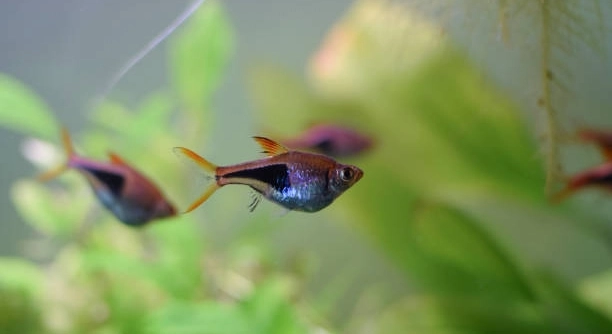
New Rasboras are small, delicate fish that can easily get stressed in a new tank. Observing their behavior and making gentle changes can help them feel safe and adapt more comfortably to their surroundings.
Calming new Rasboras involves adjusting water temperature, pH levels, lighting, and tank decorations to reduce stress. Gradual changes, consistent feeding schedules, and providing hiding spots are essential to creating a stable and secure environment for these sensitive fish.
Following a few simple adjustments can make a big difference in helping your Rasboras settle in quickly and maintain their well-being.
Adjust Water Temperature Gradually
Rasboras are sensitive to sudden changes in water temperature. When introducing them to a new tank, make sure the water is within the ideal range of 74–80°F. Avoid adding hot or cold water quickly, as this can shock their system. A small heater with a reliable thermostat helps maintain a stable temperature. Slowly adjusting the water over several hours or days is better than a sudden change. Consistent temperature reduces stress and encourages normal swimming and feeding behaviors. Monitor the thermometer daily and make minor adjustments if needed. Avoid placing the tank near windows or vents, which can cause fluctuations. This careful approach helps new Rasboras acclimate faster and feel secure in their environment.
Gradual water temperature adjustment is essential for Rasboras to prevent stress and promote healthy adaptation in a new tank. Stability in temperature supports overall fish health and encourages natural behavior.
Providing a stable environment with gradual temperature changes allows Rasboras to swim confidently, explore their tank, and feed regularly without signs of stress.
Maintain Proper pH and Water Quality
Maintaining a stable pH between 6.5 and 7.5 is important for Rasboras’ health.
Keeping water clean and balanced helps them thrive. Regular water tests and partial changes prevent harmful buildup of ammonia and nitrates. Use a gentle filter to avoid strong currents. Avoid overfeeding, as leftover food can pollute the water. Soft, slightly acidic water is ideal, but Rasboras can tolerate slight variations if kept consistent. Adding live plants can naturally buffer pH and improve water quality. Avoid drastic chemical changes or strong medications unless necessary, as these can increase stress. Carefully monitoring water parameters and making small adjustments ensures a calm, safe environment. Over time, Rasboras will swim more freely, display vibrant colors, and show normal social behaviors when the water is stable and clean. This creates a balanced habitat that promotes long-term health and reduces the risk of illness.
Adjust Lighting Intensity
Rasboras are easily stressed by bright light. Keep lighting soft and avoid direct sunlight. Use a timer to maintain a consistent day-night cycle, helping them feel secure.
Soft lighting reduces stress and encourages natural activity. Bright, harsh lights can make them hide or dart frantically. Gradually increasing brightness over several days helps them adapt. Live plants or floating decorations can diffuse light and create shaded areas, giving Rasboras safe spots to retreat. This gentle approach improves their comfort and encourages regular swimming and feeding habits.
Consistent, appropriate lighting also supports plant growth and keeps algae in check. By mimicking natural conditions with soft illumination and gradual adjustments, Rasboras remain calm and display their full colors. Providing a balance of light and shaded areas ensures they have spaces to rest while staying active during the day. Over time, they will appear more confident and explore the entire tank without stress.
Add Hiding Spots
Rasboras need places to hide to feel safe. Small caves, plants, and decorations provide shelter and reduce anxiety.
Hiding spots create secure areas that allow Rasboras to rest when feeling threatened. Dense plants or artificial ornaments give them privacy while also encouraging natural schooling behavior. They will often swim around these areas, peeking out when comfortable. Including multiple hiding options in different parts of the tank prevents territorial conflicts and helps all fish feel secure. Well-placed shelters also make feeding easier, as shy Rasboras can eat without being exposed.
Strategically adding hiding spots supports their mental and physical health. Dense foliage, driftwood, and small structures mimic natural habitats, reducing stress levels and improving coloration. Over time, these shelters foster confidence, encouraging Rasboras to interact socially and explore more actively. Properly balanced hiding spaces prevent overcrowding in any single area, promoting harmonious behavior. This careful arrangement allows each fish to feel secure while maintaining visibility for observation and tank enjoyment.
Reduce Tank Noise
Rasboras are sensitive to vibrations and sudden noises near the tank. Keep the area quiet and avoid tapping the glass or moving equipment abruptly.
Positioning the tank away from high-traffic areas helps them feel secure. Even small disturbances can cause them to dart or hide.
Feed Small, Frequent Meals
Feeding Rasboras in small amounts multiple times a day prevents overeating and reduces waste buildup. Offer a variety of high-quality flakes, pellets, or frozen foods. Observe their behavior to ensure all fish are eating and adjust portions as needed. Consistency in feeding schedules helps maintain calm and healthy fish.
Limit Strong Currents
Strong water flow can stress Rasboras, making them swim frantically. Adjust filters and pumps to create gentle currents that mimic their natural habitat.
FAQ
How long does it take for new Rasboras to calm down in a new tank?
New Rasboras usually take a few days to a week to fully adjust. Stress levels drop when the environment is stable, with consistent water temperature, pH, and lighting. Providing hiding spots and a calm tank area accelerates their adaptation. Avoid sudden changes during this period.
Can Rasboras live with other fish immediately after introduction?
It is better to wait at least a week before adding other species. New Rasboras need time to feel secure. Introducing tankmates too early can cause stress, aggression, or hiding. Monitor their behavior carefully and ensure the water parameters remain stable before expanding the community.
What water conditions are best for calming Rasboras?
Maintain a temperature between 74–80°F and a pH of 6.5–7.5. Soft, slightly acidic water is ideal. Perform regular water changes and test for ammonia, nitrites, and nitrates. Gentle filtration with minimal current reduces stress. A stable and clean environment ensures Rasboras feel safe.
How much should I feed my Rasboras to keep them calm?
Small, frequent meals work best. Overfeeding causes water pollution, which stresses fish. Offer a mix of flakes, pellets, or frozen foods. Feed amounts they can consume within two minutes. Consistent feeding routines provide comfort and maintain their energy levels without disturbing water quality.
Do Rasboras need hiding places even in a small tank?
Yes, even in small tanks, hiding spots are essential. Plants, small caves, and decorations give them security. Multiple shelters prevent territorial conflicts and reduce stress. Hiding places allow Rasboras to rest and feel safe, helping them display natural behavior and remain calm.
Will bright lights stress new Rasboras?
Yes, harsh lighting can cause stress. Use soft lighting and a timer to maintain day-night cycles. Adding floating plants or shaded areas creates safe zones. Gradually increase brightness over time to help them adjust without panic or erratic swimming.
How often should I monitor water quality for new Rasboras?
Daily observation during the first week is ideal. Check temperature, pH, and ammonia levels regularly. Consistent monitoring ensures rapid detection of problems. After the initial acclimation, weekly tests may be sufficient if water remains stable and fish behave normally.
Is it normal for Rasboras to hide a lot at first?
Yes, hiding is a natural response to a new environment. They will gradually explore more as they feel secure. Do not force interaction or disturb hiding spots. The presence of plants, decorations, and gentle lighting encourages them to come out naturally.
Can tank vibrations or noise affect Rasboras?
Yes, they are sensitive to vibrations, tapping, and loud sounds. Keep the tank in a quiet area, away from doors, heavy foot traffic, or appliances. Even subtle disturbances can trigger hiding or erratic swimming. Minimizing noise helps maintain calm behavior.
How long should I maintain soft currents in the tank?
Soft currents should be consistent from the start. Strong water flow stresses Rasboras and can cause injury or fatigue. Gentle filtration mimics their natural habitat, promotes healthy swimming, and reduces anxiety. Keep currents mild until the fish are fully acclimated and confident.
Are there specific plants that help Rasboras feel safer?
Yes, dense plants like Java fern, Anubias, and floating plants offer cover and shade. Live plants improve water quality and provide natural hiding spaces. Arranging them strategically throughout the tank helps Rasboras feel secure and encourages normal activity and social behavior.
How can I tell if my Rasboras are stressed or calm?
Stressed Rasboras hide, dart quickly, or lose color. Calm fish swim freely, school together, and eat reliably. Consistent observation of behavior, combined with stable water conditions, lighting, and shelter, helps maintain a peaceful environment. Early detection of stress allows quick adjustments to improve their well-being.
Do sudden temperature changes affect Rasboras immediately?
Yes, sudden changes can shock Rasboras, causing erratic swimming, hiding, or even illness. Gradually adjust water temperature using a heater and monitor daily. Stability in temperature supports healthy metabolism, feeding, and overall comfort for new fish.
How many hiding spots are enough for a small group of Rasboras?
Provide multiple options so every fish has at least one safe area. Spread shelters across the tank to prevent competition. This ensures all individuals feel secure and reduces stress, allowing them to explore, swim, and feed without fear.
Can Rasboras adapt to moderate lighting if initially stressed by bright light?
Yes, but the change should be gradual. Slowly increase brightness over several days while providing shaded zones. Gradual adaptation prevents panic and encourages natural behavior. Soft transitions help Rasboras adjust without compromising health or coloration.
Is it okay to rearrange decorations while Rasboras are settling in?
Avoid major rearrangements during the first week. Sudden changes disrupt their sense of security and increase stress. Once they are acclimated and swimming confidently, minor adjustments are acceptable. Keep some familiar hiding spots to maintain a calm environment.
Do Rasboras need companions to feel calm?
Yes, they are schooling fish and feel safer in groups of at least six. Small numbers may hide more and show stress. Adequate group size promotes natural social behavior, reduces fear, and encourages active swimming in a new tank.
How can I reduce stress during water changes?
Perform partial water changes slowly, using water at the same temperature and pH. Avoid sudden large replacements. Gentle water movement, careful siphoning, and minimal disturbance keep Rasboras calm and maintain a stable environment.
Can overfeeding stress Rasboras indirectly?
Yes, leftover food pollutes the water, increasing ammonia and nitrites, which stress the fish. Feeding small amounts multiple times daily prevents waste buildup and keeps water quality stable. This ensures they remain comfortable and active.
Do Rasboras ever stop hiding completely?
Over time, with proper care, most Rasboras explore freely and reduce hiding. Individual personality and tank layout influence their confidence. Consistent environment, gentle lighting, stable water, and hiding spots encourage them to become active and social while feeling secure.
Are live plants better than artificial ones for Rasboras’ comfort?
Live plants offer natural cover, improve water quality, and create a calming environment. Artificial plants provide shelter but do not affect water chemistry. A combination works well, but live plants contribute more to long-term comfort and stability in the tank.
How do I know if my Rasboras are ready for new tankmates?
Observe schooling behavior, normal swimming, and active feeding. If they explore and interact without excessive hiding, they are more likely to tolerate tankmates. Introduce new fish gradually and monitor for signs of stress or aggression to maintain a calm environment.
Can seasonal changes affect Rasboras’ calmness?
Yes, temperature and light fluctuations in the room can influence stress levels. Keep the tank insulated from drafts, windows, or heat sources. Adjust lighting and temperature gradually to maintain stability throughout seasonal shifts.
What is the most important factor to keep Rasboras calm long-term?
Consistency. Stable water parameters, gentle currents, soft lighting, hiding spots, and regular feeding routines collectively reduce stress. Calm Rasboras display natural behavior, vibrant colors, and healthy activity. Paying attention to all these factors ensures their long-term well-being and comfort in the tank.
How often should I check on their hiding spots?
Check occasionally to ensure shelters are clean and intact. Avoid frequent disturbances, which can stress the fish. Well-maintained hiding spots encourage exploration and provide consistent security.
Can Rasboras get used to handling equipment near the tank?
Yes, gentle, predictable movements near the tank help them feel secure. Avoid sudden tapping or banging. Over time, they learn that these actions are not threats, reducing fear during maintenance or feeding.
Is it normal for Rasboras to dart after sudden noises initially?
Yes, it is a natural stress response. As they acclimate to a quiet, stable environment, these reactions decrease. Avoiding loud disturbances accelerates their sense of security and calm behavior.
How long should I observe behavior before making adjustments?
Observe for at least several days to a week. Minor stress reactions are normal at first. Make adjustments gradually, monitor responses, and ensure water conditions, lighting, and hiding spots remain consistent for long-term comfort.
Do Rasboras prefer a specific tank size for calmness?
A tank of at least 20 gallons for a small group provides enough space to swim and hide. Overcrowding increases stress and reduces hiding options. Proper space supports schooling, exploration, and overall well-being.
Can water temperature drops at night stress Rasboras?
Slight drops are tolerable, but sudden or extreme changes can stress them. Maintain stable temperatures with a reliable heater and monitor nightly fluctuations. Consistency helps them rest and remain calm during nighttime hours.
Are there any natural remedies to calm stressed Rasboras?
Some aquarists use Indian almond leaves or gentle plant extracts to improve water quality and provide mild stress relief. Always ensure the products are safe and do not alter water chemistry drastically. Gradual, natural adjustments are more effective than chemicals.
Do Rasboras need a specific schooling pattern to feel safe?
They feel most secure in small groups of at least six, swimming together. Schooling reduces fear and encourages active behavior. Ensure the group is cohesive and avoid separating individuals, as isolation increases stress.
Can moving the tank stress Rasboras even if water is stable?
Yes, physical movement shakes their environment and can cause anxiety. Minimize handling and vibrations during relocation. Maintain water stability and provide familiar hiding spots after moving to help them settle.
How do I know if hiding spots are sufficient?
Observe if all fish can find cover without crowding. If some continue hiding excessively or display stress, add more shelters. Well-distributed hiding places support calmness and reduce conflict among Rasboras.
Are Rasboras calmer at specific times of the day?
They are usually more active during daylight with moderate lighting. Early morning and evening periods may show increased hiding. Consistent lighting schedules help regulate their activity and reduce stress throughout the day.
Does water hardness affect Rasboras’ calmness?
Slightly soft water is ideal. Extreme hardness or sudden changes can increase stress. Gradually adjust water chemistry if needed and maintain consistency for healthy behavior and vibrant coloration.
Can Rasboras recover quickly from temporary stress?
Yes, if the environment is stable, stress is often short-lived. Providing hiding spots, consistent feeding, and gentle currents helps them recover, resume normal swimming, and display natural behavior within a few days.
Do Rasboras prefer plants at the surface or the bottom for hiding?
Both are useful. Floating plants create shaded zones at the surface, while dense bottom plants or decorations provide secure shelters. A mix ensures they have options to feel safe at all levels of the tank.
Are artificial caves better than plants for stressed Rasboras?
Artificial caves provide predictable shelter, but live plants offer natural cover and improve water quality. A combination is ideal, balancing security and environmental benefits.
How can I prevent stress during tank maintenance?
Perform changes slowly, maintain consistent water temperature and chemistry, and avoid sudden movements near the tank. Clean equipment quietly and keep fish aware of minimal disturbances to preserve calmness.
Do Rasboras’ colors fade when stressed?
Yes, dull colors are a common stress indicator. Consistent water conditions, gentle lighting, and secure hiding spots help restore vibrant coloration. Monitoring behavior alongside color changes gives a clear picture of their well-being.
Is it okay to add decorations while Rasboras are settling in?
Add decorations slowly and avoid major rearrangements. Gradual changes maintain security while enriching the environment. This ensures they adapt without unnecessary stress.
How can I make feeding less stressful for shy Rasboras?
Scatter food near hiding spots so shy fish can eat safely. Small portions and predictable feeding times reduce anxiety and encourage active participation during meals.
Do Rasboras prefer plants that sway or remain stationary?
Both types are beneficial. Swaying plants mimic natural water movement and provide cover, while stationary plants offer stable hiding spots. A mix creates a balanced environment for calm behavior.
Can Rasboras calm down faster with companions?
Yes, schooling reduces fear. A group of six or more promotes security, encourages swimming, and helps them adapt quickly to a new tank.
Do Rasboras react to sudden shadows?
Yes, shadows can trigger hiding or darting. Consistent lighting and minimizing overhead movements reduce sudden changes, allowing them to remain calm and confident.
How do I encourage shy Rasboras to explore the tank?
Provide gentle lighting, multiple hiding spots, and stable water. Gradually place food in open areas to encourage exploration. Avoid chasing or handling, as this increases stress.
Is it normal for some Rasboras to stay hidden longer than others?
Yes, individual temperament varies. Some fish are naturally cautious. Ensure sufficient hiding spots and avoid forcing interaction. Over time, most will explore more as confidence grows.
Can seasonal lighting changes affect their calmness?
Yes, sudden differences in daylight or artificial light can increase stress. Maintain a consistent light schedule and provide shaded areas to mitigate the impact.
Do Rasboras need companions of the same species for full calmness?
Yes, conspecifics provide security and encourage schooling. Mixed species may work, but Rasboras feel safest with their own kind, especially during the initial acclimation period.
How long should I wait before adding new decorations after introduction?
Wait at least a week, allowing fish to adjust. Gradual additions enrich the environment without disrupting their sense of security.
Is frequent observation stressful for Rasboras?
Brief, gentle observation is fine. Avoid leaning over the tank or sudden movements. Monitoring behavior calmly helps maintain their well-being without adding stress.
Do Rasboras recognize feeding times?
Yes, consistent feeding schedules reduce stress. They become more confident and active when they anticipate meals, especially in a stable, quiet environment.
Can strong water treatment chemicals stress Rasboras?
Yes, harsh chemicals can irritate skin and gills. Use only recommended, gentle treatments and follow dosing carefully. Gradual adjustments are safer than sudden chemical changes.
How can I tell if Rasboras are fully comfortable?
They swim openly, school together, eat reliably, and display vibrant colors. Minimal hiding and relaxed movement indicate they feel safe and secure in their environment.
Do temperature swings during water changes affect them?
Yes, even small fluctuations can cause stress. Always match new water to tank temperature and introduce it slowly to prevent shock.
Are Rasboras calmer in taller or wider tanks?
Wider tanks provide more horizontal swimming space and allow better schooling. Tall tanks are fine but ensure sufficient hiding spots at multiple levels for security.
Can tankmates help reduce stress for new Rasboras?
Compatible, calm species can provide security and encourage natural behavior. Avoid aggressive or territorial fish, which can increase anxiety and hiding.
How do I know if hiding spots are overused?
If fish rarely leave shelters, it may indicate stress or insufficient acclimation. Gradually increase comfort through stable water, soft lighting, and gentle feeding routines.
Do Rasboras prefer soft substrate for calmness?
Yes, soft sand or smooth gravel reduces stress and allows natural foraging. Sharp or rough substrates can cause discomfort or injury.
How can I minimize stress from tank maintenance equipment?
Move tools slowly, avoid tapping or dropping items, and maintain calm movements. Gentle handling preserves their sense of security during cleaning or adjustments.
Can Rasboras detect vibrations outside the tank?
Yes, they respond to nearby foot traffic, machinery, or tapping. Minimize external disturbances to maintain a calm environment.
Do floating plants help reduce stress?
Yes, floating plants create shade and cover, reducing exposure to bright light. They offer a safe retreat, encouraging relaxed swimming and exploration.
Can Rasboras become comfortable in an artificial setup without live plants?
Yes, but live plants enhance comfort and water quality. Artificial plants and decorations can provide hiding spots, but live greenery promotes a more natural, calming environment.
Are constant water parameter checks necessary?
During initial acclimation, yes. Frequent monitoring ensures stability, reduces stress, and allows quick adjustments if needed. Once stable, regular weekly checks are sufficient.
Do Rasboras prefer slow or moderate water flow?
Slow, gentle flow mimics their natural habitat. Strong currents increase stress, causing erratic swimming and fatigue. Adjustable filters help maintain optimal conditions.
How does overcrowding affect Rasboras’ calmness?
Too many fish increase competition, hiding, and aggression. Adequate space and proper group size reduce stress, allowing natural schooling and exploration behaviors.
Can new Rasboras calm down faster with frequent interaction?
Interaction should be minimal and gentle. Excess handling or tapping increases stress. Calmness improves with stability, secure hiding spots, and consistent care rather than constant interference.
Do Rasboras react to tank reflections?
Yes, reflections can trigger stress or aggression. Use backgrounds or plants to reduce mirrored surfaces. Minimizing reflections helps maintain calm behavior.
Is it normal for Rasboras to feed slowly at first?
Yes, initial caution is normal. Gradually they will eat more confidently as they feel secure and recognize feeding times.
Can sudden changes in water chemistry cause long-term stress?
Yes, abrupt pH or hardness shifts increase stress and susceptibility to disease. Gradual, monitored adjustments prevent negative impacts and maintain comfort.
Do Rasboras benefit from a consistent light schedule?
Yes, regular day-night cycles reduce stress, regulate activity, and support natural behavior patterns. Inconsistent lighting can increase hiding and erratic swimming.
Can adding plants gradually reduce stress?
Yes, slowly introducing plants allows Rasboras to explore and feel secure without sudden changes. A mix of tall and low plants creates multiple safe zones.
Is it better to have multiple small shelters or a few large ones?
Multiple small shelters allow each fish a personal safe spot and prevent crowding. Large shelters are useful but may encourage dominance by a single fish. Balanced arrangement is ideal.
Do Rasboras get used to consistent tank surroundings?
Yes, familiar surroundings reduce stress. Sudden changes in layout, light, or water parameters can trigger hiding or erratic behavior. Consistency supports calmness.
Can tank temperature drops at night be minimized?
Yes, using an insulated tank and heater prevents extreme fluctuations. Stability during night hours helps Rasboras rest and reduces stress.
How important is a stable group size?
Very important. Small groups or fluctuating numbers increase anxiety. Keeping a stable, adequate group promotes schooling, security, and natural behavior patterns.
Do Rasboras respond to external movement around the tank?
Keeping new Rasboras calm in a tank takes patience and careful attention to their environment. These small fish are easily stressed by sudden changes in water temperature, lighting, or tank layout. Maintaining a stable temperature between 74–80°F, along with a slightly acidic to neutral pH, provides a consistent foundation for them to adjust. Gentle filtration and soft water flow help mimic their natural habitat, allowing them to swim without being overwhelmed by strong currents. Sudden disturbances or loud noises can cause Rasboras to dart or hide, so placing the tank in a quiet area is also important. By focusing on these basic but essential conditions, new Rasboras can settle in more quickly and show natural, relaxed behavior.
Providing hiding spots is another key factor in keeping Rasboras calm. Small caves, plants, or decorations give them safe areas to retreat when feeling uncertain. Dense foliage or floating plants also create shaded areas, reducing the impact of bright light and helping them feel secure. Even in small tanks, having multiple hiding spaces allows all fish in the group to have their own area, which prevents crowding and reduces stress. Over time, as Rasboras become accustomed to their surroundings, they will gradually explore the entire tank more confidently. Including these shelters not only supports their mental well-being but also encourages natural schooling behavior and helps them interact comfortably with other tankmates.
Consistency in feeding and tank maintenance also plays a large role in keeping Rasboras calm. Feeding small amounts multiple times a day prevents leftover food from polluting the water, which can otherwise stress the fish. Maintaining regular feeding times helps them anticipate meals and creates a predictable routine that adds to their sense of security. During water changes or equipment adjustments, moving slowly and avoiding sudden movements minimizes stress. Over time, these small but consistent practices create a stable environment where Rasboras can thrive. By paying attention to water quality, hiding spots, lighting, and gentle handling, you ensure that your fish remain healthy, calm, and active. A little patience and care go a long way in helping new Rasboras feel at home, allowing them to display their colors and behavior naturally in a safe, comfortable tank.

Hello,
If you enjoy the content that we create, please consider saying a "Thank You!" by leaving a tip.
Every little bit helps us continue crafting quality advice that supports the health, happiness, and well-being of pets around the world, for pets of all shapes, sizes, and species.
We really appreciate the kindness and support that you show us!