
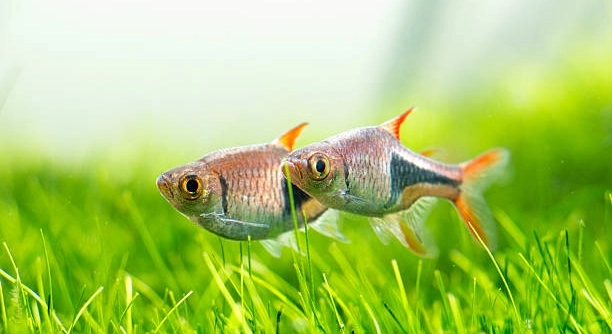
Many aquarium enthusiasts enjoy watching rasboras swim gracefully in their tanks. These small, colorful fish move in synchronized patterns, creating a peaceful, almost mesmerizing display that often captures the attention of both beginners and experienced hobbyists alike.
Rasboras communicate primarily through subtle body movements and swimming patterns. These motions convey information about social hierarchy, feeding behavior, and potential threats, allowing the fish to coordinate group activities and maintain cohesion within their schools. This form of non-verbal signaling is essential.
Observing these movements closely can reveal surprising insights into their social behavior. Recognizing the signals can help aquarists better support the well-being and natural instincts of their fish.
How Rasboras Use Schooling Movements
Rasboras are known for their schooling behavior, where they swim in coordinated groups. Each fish adjusts its speed and direction based on the movements of nearby tank mates. This synchronized motion helps reduce stress, avoids predators, and allows them to navigate their environment more effectively. When one fish senses danger or spots food, the others quickly follow, demonstrating an unspoken system of communication. Even small changes, like a flick of a fin or a sudden turn, can send signals through the group. Watching these movements over time can reveal patterns that indicate mood, health, or social interactions. The more closely you observe, the clearer it becomes that rasboras rely on motion as a key form of interaction. Unlike vocal animals, these fish express themselves entirely through gestures, making their behavior both fascinating and subtle. Understanding these signals can improve tank management and enhance the overall well-being of the fish.
This schooling behavior is not random but highly structured, reflecting an instinctive communication system.
Recognizing these patterns in daily observation can help tank keepers identify stress, aggression, or readiness to feed. Changes in swimming speed, distance between fish, or abrupt turns often signal a shift in group dynamics. This form of non-verbal communication also reinforces social bonds, allowing rasboras to maintain hierarchy and avoid conflicts. By paying attention to these cues, one can create a calmer, more natural environment that supports their innate behaviors, ensuring that they remain active and healthy in captivity.
Motion Signals and Feeding Behavior
Rasboras often use specific motions to indicate food sources.
When food is introduced, certain fish may dart quickly toward it, prompting others to follow. These rapid movements signal that something is available and safe to eat, coordinating feeding for the entire school. Slow circling near the surface or bottom can indicate exploration rather than immediate feeding. By understanding these patterns, tank keepers can better manage feeding schedules and prevent stress or competition. Observing the group’s reactions also provides insight into hierarchy, as dominant fish often lead while others follow. Motion signals ensure everyone receives a share and help maintain balance within the school.
Feeding interactions reveal complex social structures among rasboras. Dominant individuals may control access to food, while others learn from their motions to find safe feeding positions. These interactions are subtle, with fin flicks or rapid turns conveying readiness, hesitation, or caution. Over time, these motions become predictable, allowing observers to anticipate behavior and adjust care accordingly. Recognizing the significance of each movement helps create a calmer, more organized tank environment. Proper understanding of these signals not only improves feeding efficiency but also reduces stress and aggression. This insight into motion-based communication highlights the intelligence and adaptability of rasboras, showing that even small fish possess sophisticated social behaviors that deserve attention and respect.
Subtle Signs of Stress
Rasboras show stress through changes in motion, such as darting suddenly or hiding more than usual. These behaviors indicate discomfort, poor water conditions, or overcrowding, making observation essential for maintaining a healthy tank.
Subtle changes in swimming patterns can signal illness or environmental stress. Fish that normally move fluidly may become lethargic or isolate themselves, while others may display rapid, erratic movements. Recognizing these signs early allows intervention before problems escalate. Observing the group’s interactions, such as unusual aggression or avoidance, can reveal hidden stressors in the tank environment. Adjustments in water quality, temperature, or tank layout often restore balance and calm behavior. Careful monitoring helps ensure rasboras remain active and healthy, maintaining natural communication and schooling patterns.
Stress can also manifest in slight changes in fin positions or direction changes. A fish swimming near the bottom or avoiding others may be signaling anxiety or discomfort. These motion cues, though subtle, are consistent and noticeable over time. Tank conditions, including water chemistry, light levels, and hiding spaces, strongly influence these behaviors. By tracking these indicators, caretakers can make small changes to reduce stress and promote well-being. Understanding these cues helps maintain a stable environment, ensuring the school continues to communicate effectively through motion.
Reproductive Signals
Rasboras use movement patterns to indicate readiness to breed, often engaging in chasing or circling behaviors. These motions are clear signals to potential mates without vocalization.
During courtship, males display specific swimming behaviors, such as short, rapid bursts or gentle nudging, to attract females. Females may respond with corresponding movements, indicating receptiveness or avoidance. These signals coordinate mating, ensuring timing and selection align with natural instincts. Observing these behaviors allows caretakers to identify breeding readiness and manage pairings effectively. Motion-based communication reduces conflict and increases successful reproduction by signaling intentions clearly. Each subtle gesture contributes to the overall process, demonstrating the importance of movement in their reproductive cycle.
Courtship patterns also reveal social hierarchy within the group. Dominant males often lead displays, while others wait or follow cues. Females assess the intensity and direction of these movements to choose mates, creating a natural selection process within the tank. Timing, location, and frequency of movements all play a role in successful breeding. Careful observation ensures that the environment supports these behaviors, with sufficient space, hiding spots, and optimal water conditions. Understanding these cues not only promotes breeding success but also strengthens social cohesion, as all fish interpret and respond to motion signals consistently.
Warning and Alert Signals
Rasboras quickly change direction or swim rapidly when sensing danger. These sudden motions alert nearby fish, allowing the entire school to respond immediately and avoid potential threats.
A sharp flick of the tail or a quick turn can communicate stress or unease. These movements travel through the group, keeping everyone aware and maintaining safety in numbers.
Social Hierarchy and Leadership
Movement patterns play a key role in establishing social order. Dominant rasboras often take the lead in swimming routes, feeding, or exploring new areas. Subordinate fish follow these leaders, observing their motions and adjusting their own behavior. This non-verbal communication reduces conflict, maintains group cohesion, and ensures coordinated activity.
Recognizing Illness
Changes in swimming speed or erratic motion often indicate health problems. Monitoring these signals helps detect issues early.
FAQ
How do rasboras communicate with each other?
Rasboras rely mostly on motion to communicate. Subtle changes in swimming speed, direction, or position signal social status, alert others to danger, or indicate food. Schooling together helps amplify these signals, allowing the group to act in a coordinated way without vocal sounds.
Why do rasboras suddenly dart in the tank?
Sudden darting is usually a response to perceived threats or changes in the environment. It may indicate stress, excitement, or an attempt to lead other fish toward food. Observing these movements helps identify environmental triggers and maintain a calm tank.
How can I tell if rasboras are stressed?
Stress often appears as erratic swimming, hiding, or isolating from the group. Fish may linger at the bottom, avoid others, or display rapid fin movements. Monitoring these behaviors and adjusting water conditions, tank size, or group dynamics can reduce stress.
Do rasboras have leaders in their schools?
Yes, dominant fish often take the lead in movement. Other fish follow the leader’s motions to maintain cohesion and avoid conflict. These leaders influence feeding, exploration, and reaction to stimuli, ensuring the school moves efficiently.
Can rasboras’ motion indicate illness?
Yes, unusual swimming patterns—such as lethargy, spinning, or staying near the surface—can indicate disease or discomfort. Early observation allows timely intervention, improving recovery chances and maintaining the health of the group.
How do motion patterns affect feeding?
During feeding, dominant fish often approach first, while others follow. Rapid, directed movements signal food availability, guiding the school. Observing these patterns helps in timing feedings, preventing competition, and ensuring all fish receive nutrition.
Do male and female rasboras move differently during mating?
Males display chasing, circling, or short bursts of movement to attract females. Females respond with slower, measured motions to show receptiveness or avoidance. These signals coordinate mating without vocal cues and help ensure successful reproduction.
How can I encourage natural communication in my tank?
Providing adequate space, hiding spots, and proper water conditions encourages natural schooling and motion-based communication. Avoid overcrowding and maintain stable water parameters to allow fish to express normal behaviors and social interactions.
Are there signs that rasboras are bonding?
Yes, synchronized swimming, coordinated turns, and following each other closely indicate social bonding. Fish that maintain close proximity and mirror movements are comfortable and establish trust within the group.
Do motion cues differ between species of rasboras?
Different species may have subtle variations in speed, patterns, or schooling behavior, but the principle of using motion for communication remains consistent. Observing individual species helps understand specific behaviors and improves tank management.
Can environmental changes affect their communication?
Sudden changes in light, water temperature, or decorations can disrupt motion signals. Fish may become erratic or isolated. Maintaining stable conditions ensures reliable communication through movement and reduces stress.
How do I know if my school of rasboras is happy?
A healthy school swims together smoothly, with minimal conflict, and displays normal feeding and breeding behavior. Motion is fluid, coordinated, and predictable, indicating that the fish feel secure, healthy, and socially balanced.
Is it important to keep rasboras in groups?
Yes, motion-based communication depends on having multiple fish. Small groups can feel stressed and fail to display natural behaviors. A proper-sized school ensures that communication signals are clear, social structure is maintained, and stress is minimized.
How often should I observe their movements?
Daily observation is ideal. Watching motion patterns helps detect stress, illness, or behavioral changes early. Consistent monitoring allows caretakers to respond promptly and maintain a stable, healthy environment.
What should I do if I notice abnormal motion?
Identify potential causes such as water quality, tank mates, or disease. Adjust conditions accordingly and separate affected fish if necessary. Observing and documenting patterns can help determine long-term solutions and prevent recurring issues.
Can rasboras’ motion improve tank aesthetics?
Yes, watching coordinated swimming can create a dynamic and peaceful display. Understanding their communication allows for better placement of plants, rocks, and hiding spots, enhancing both their comfort and visual appeal in the aquarium.
Are there tools to help interpret motion cues?
Videos and slow-motion recording can capture subtle behaviors that might be missed during casual observation. Comparing these recordings over time helps track changes, detect stress, and understand social interactions within the school.
Do rasboras communicate differently in small tanks?
In small tanks, motion signals can be disrupted due to limited space and increased stress. Fish may display abnormal patterns or aggression. Providing ample space ensures natural schooling and clear communication through movement.
Can lighting affect motion communication?
Yes, proper lighting encourages normal swimming patterns. Too bright or dim lighting can cause hiding or erratic swimming, disrupting the flow of motion signals and social interaction. Consistent, moderate lighting supports healthy behavior.
What are common misinterpretations of their motion?
Sudden movements may appear aggressive but can be playful or exploratory. Isolated swimming might seem like illness but can reflect temporary stress. Careful observation over time clarifies true meaning, helping maintain accurate understanding of communication.
How does tank decoration influence motion communication?
Plants, rocks, and hiding spots provide cues for navigation and resting. They influence movement patterns, helping fish communicate safely. Open areas allow schooling, while obstacles create natural signals for caution or exploration.
Can motion indicate feeding preference?
Yes, quick approaches, circling, or following leaders can show which areas or types of food are preferred. Fish may use motion to indicate access, timing, or priority during feeding, helping caretakers understand their habits.
Do rasboras remember motion cues?
Yes, repeated observation allows fish to recognize patterns, leaders, and threats. Memory reinforces social order and schooling efficiency, showing that motion communication is both immediate and learned over time.
How important is water flow in motion communication?
Moderate flow helps stimulate swimming and schooling. Too strong or stagnant water can disrupt normal motion, making signals harder to interpret and affecting social cohesion. Proper flow ensures motion cues remain clear and natural.
Are motion patterns consistent across the day?
While basic schooling and social cues remain stable, activity levels vary with feeding times, light, and environmental conditions. Fish may be more active in the morning or evening, adjusting their movements to daily rhythms.
Can stress from other tank mates affect their motion?
Yes, aggressive or overly active species can disrupt schooling, causing erratic movements and miscommunication. Selecting compatible tank mates ensures motion signals remain clear and social behavior is maintained.
Does tank size influence communication efficiency?
Larger tanks allow more natural schooling and motion expression. Small tanks limit movement, reduce signal clarity, and can increase stress, impacting overall communication and social structure.
How can I use motion cues to improve breeding success?
Observing courtship swimming patterns helps identify receptive females and dominant males. Adjusting tank layout, hiding spaces, and food availability based on these motions supports natural mating behaviors and improves breeding outcomes.
Can motion communication indicate mood?
Yes, fluid, synchronized swimming shows comfort and calm, while erratic or isolated movement indicates stress, fear, or irritation. Tracking these cues helps maintain a healthy, harmonious environment.
Do juvenile rasboras communicate the same way as adults?
Juveniles also rely on motion but may be less coordinated. Over time, they learn patterns from adults, gradually establishing social cues and participating fully in the school’s communication system.
How long does it take to understand their motion signals?
With regular observation, patterns become clear within days to weeks. Consistency and attention to detail help identify normal versus abnormal behaviors, ensuring proper care and responsiveness to their needs.
Are there seasonal changes in motion communication?
Breeding cycles and environmental variations can slightly alter activity levels. Increased or decreased movement may correspond to reproduction, temperature shifts, or natural instincts, influencing communication patterns.
How do I differentiate between playful and warning motions?
Playful motions are usually consistent, gentle, and coordinated, while warning signals involve rapid, erratic changes, sharp turns, or sudden bursts. Observing context, frequency, and response of other fish clarifies the intention behind movements.
What is the best way to support natural motion behavior?
Provide a spacious tank, stable water conditions, compatible tank mates, and appropriate decorations. Consistent feeding and light schedules support routine movements, clear communication, and a healthy social structure within the school.
How does age affect motion communication?
Older rasboras may slow down slightly but maintain social signaling. Juveniles learn by observing adults, gradually adopting the group’s patterns. Understanding age differences helps in managing schooling dynamics and maintaining harmony.
Can motion cues indicate territorial behavior?
Yes, rapid swimming toward a specific area or fin displays can mark territory or resources. Recognizing these signals helps prevent conflicts and maintain social order in shared spaces.
Do rasboras ever miscommunicate through motion?
Occasionally, unusual movements from stress, illness, or environmental changes can cause confusion. Fish may misinterpret signals, leading to temporary disorder, but normal patterns typically restore communication once conditions stabilize.
How can I record motion for analysis?
Using video recordings or slow-motion cameras allows detailed observation of subtle movements. Comparing footage over time helps track changes, detect stress, and understand social hierarchy or feeding behavior.
Are there patterns in nocturnal motion?
Rasboras may be less active at night but still communicate through subtle movements. Resting or slow schooling allows the group to maintain cohesion and respond quickly to disturbances.
Can motion indicate water quality issues?
Erratic swimming, frequent surface visits, or gasping may reflect poor oxygen levels, high ammonia, or unsuitable pH. Observing these patterns helps identify problems early, allowing timely corrective measures.
Does group size impact motion signals?
Yes, larger schools display more defined patterns, while very small groups may struggle with cohesion. Proper group size ensures effective communication, reduced stress, and natural social behavior.
Can motion patterns predict aggression?
Rapid chasing, tail flicks, and sudden changes in direction can indicate potential aggression. Observing these behaviors allows adjustments in tank layout or group composition to prevent conflicts and maintain harmony.
How often should I document motion behaviors?
Weekly or biweekly documentation provides a clear record of trends, health, and social interactions. Tracking patterns over time improves understanding of individual and group dynamics.
Do rasboras ever mimic each other’s movements?
Yes, mimicking reinforces social bonds, establishes hierarchy, and enhances schooling efficiency. Observing these mirrored behaviors reveals their strong reliance on motion for coordination and communication.
Are some rasboras more expressive than others?
Individual temperament affects motion intensity and frequency. Some fish naturally lead, while others are more passive, but all contribute to group communication in subtle ways.
Can stress from transport affect motion?
Yes, new environments or sudden relocation often cause erratic swimming or hiding. Allowing acclimation time helps restore normal motion and communication patterns.
Does feeding method influence motion cues?
Dropping food in a single spot versus scattering it can change movement patterns. Fish may converge rapidly or explore more widely, showing different communication and coordination responses.
How long can rasboras maintain schooling patterns without disturbance?
With stable conditions, schooling remains consistent throughout the day. Disturbances like sudden noise, light changes, or tankmates entering the water can temporarily disrupt motion cues.
Do motion signals change with light intensity?
Yes, bright lights may trigger hiding or slower movement, while dim, consistent lighting encourages normal schooling and coordinated behavior. Proper light management supports communication and reduces stress.
Can motion indicate preference for tank regions?
Repeated swimming in specific areas often reflects comfort, food access, or hiding preference. These patterns help caretakers optimize tank layout and support natural behaviors.
Are there differences in motion between wild and captive rasboras?
Wild rasboras often display more cautious or rapid movements due to predator awareness. Captive fish may show calmer, predictable patterns, though basic communication through motion remains consistent across both environments.
Do rasboras respond to human presence through motion?
Yes, they may approach, flee, or display curiosity. Subtle changes in swimming speed or orientation indicate awareness, helping caretakers gauge comfort levels and interaction preferences.
Can motion indicate breeding success?
Coordinated courtship movements, chasing, and circling are strong indicators of mating readiness and potential success. Observing these behaviors ensures conditions support reproduction and social stability.
Are motion patterns inherited or learned?
Some basic schooling instincts are inherited, but precise social and motion behaviors are learned through observing group members. Experience and social context shape how fish communicate through movement.
Do rasboras ever show playful motion?
Yes, gentle bursts, chasing without aggression, or synchronized swimming can indicate play. This behavior strengthens social bonds and contributes to overall well-being.
How do I differentiate between playful and reproductive motion?
Playful movements are casual and repetitive, without nudging or circling for mating. Reproductive motion involves focused chasing, circling, and specific gestures signaling readiness. Observing context and patterns clarifies intent.
Can motion cues indicate fatigue or illness in older fish?
Slower swimming, reduced following, or frequent resting may indicate age-related fatigue or health issues. Recognizing these subtle changes helps provide extra care and maintain group cohesion.
How can motion help in tank maintenance?
Observing swimming patterns can indicate water flow problems, stress points, or areas needing decoration adjustment. Motion serves as an early warning system, guiding proactive care.
Do rasboras react differently to live food versus flakes?
Live food often triggers faster, more coordinated movement, reflecting excitement and competition. Flakes may cause slower or more distributed motion, showing less urgency but still maintaining communication signals.
Can I use motion to train rasboras?
Repeated exposure to feeding cues or environmental changes allows fish to anticipate actions. Over time, motion can reinforce predictable behaviors, though it remains subtle and instinct-driven.
Does temperature affect motion communication?
Warmer water increases activity and responsiveness, while cooler water slows movement. Both affect schooling, feeding, and reproductive signaling, making temperature management crucial for natural behavior.
Are motion patterns consistent across all tank zones?
Open areas encourage schooling, while near plants or decorations, movement may be slower or more cautious. Fish adapt signals based on surroundings, showing context-dependent communication.
Can motion cues indicate social bonding strength?
Yes, closely synchronized swimming and mirrored turns indicate strong bonds. Fish that frequently maintain proximity and follow the same patterns are more socially cohesive.
How does water chemistry influence motion?
Imbalances in pH, ammonia, or nitrates can lead to erratic or lethargic swimming. Maintaining stable chemistry supports normal communication and overall health.
Are there daily rhythms in motion behavior?
Yes, rasboras often display higher activity during feeding times or daylight hours, with calmer, slower motion at rest periods, reflecting natural cycles.
Do they respond to sudden changes in tank layout?
Yes, rearranged decorations or new objects cause cautious or exploratory movements. Gradual changes allow adaptation without disrupting social signals.
Can motion indicate territorial disputes?
Rapid chasing or blocking movements suggest competition over resources or space. Recognizing these behaviors allows intervention to prevent prolonged conflict.
Are there differences in motion between male and female rasboras outside mating?
Males may exhibit more active or bold swimming, while females often move more cautiously. Subtle differences reflect social dynamics rather than aggression.
Can I improve motion communication by adjusting tank size?
Yes, providing adequate space allows full schooling patterns, reduces stress, and enhances clear signaling, supporting natural interactions.
Do motion patterns help prevent predation in community tanks?
Coordinated swimming and rapid alerts allow rasboras to react to larger, aggressive tankmates. Motion signals act as early warning cues, increasing safety for the group.
How long do rasboras retain learned motion patterns?
Learned behaviors, such as following leaders or responding to feeding signals, are retained over months. Consistent reinforcement ensures stability within the school.
Can motion reveal personality differences?
Yes, bold individuals lead or explore more, while shy fish follow or stay near cover. Observing motion patterns uncovers temperament and social roles.
Does tank depth affect motion cues?
Yes, vertical space influences schooling and alert responses. Fish adjust movement patterns to utilize the full depth, enhancing communication efficiency.
Are motion signals affected by tank temperature swings?
Sudden changes cause erratic or slowed swimming, disrupting normal communication. Stable temperatures support consistent motion patterns and social cohesion.
How do I distinguish between normal variation and warning signs?
Consistent observation over days reveals typical behaviors. Deviations, such as persistent lethargy, erratic swimming, or isolation, indicate issues needing attention.
Can motion be used to monitor long-term health?
Yes, consistent patterns reflect stability and well-being. Gradual changes may indicate aging, stress, or early illness, allowing proactive care and intervention.
Do rasboras respond to motion cues from other species?
Yes, nearby active fish can trigger following or avoidance behavior. Understanding these interactions helps maintain harmony in mixed-species tanks.
How does schooling enhance motion communication?
Schooling amplifies signals, ensures coordinated responses, and reinforces social hierarchy. The group acts as a unit, where each movement influences collective behavior.
Can motion indicate energy levels?
Yes, energetic bursts show high activity, feeding interest, or excitement, while slower movements reflect rest, satiation, or mild stress.
Do rasboras signal environmental changes through motion?
Yes, sudden light, temperature, or decoration changes trigger alert or cautious movements, allowing the group to respond collectively.
How does motion change with age?
Young fish may be more erratic and exploratory, while adults exhibit controlled schooling. Older fish slow slightly but retain social signaling.
Are motion patterns influenced by diet?
High-energy foods may trigger more rapid swimming, while low-energy meals result in calmer movement. Observing these effects helps tailor feeding strategies.
Can motion signals help identify dominant individuals?
Yes, leaders often set direction and pace, with others following. Observing these cues clarifies hierarchy and social roles.
Do motion patterns vary between diurnal and nocturnal activity?
Rasboras are mostly active during daylight, with slower, cautious movement at night. Subtle motion continues for communication even during rest periods.
Can motion be affected by water current?
Strong currents may disrupt normal swimming, while gentle flow encourages natural motion and schooling. Proper current management enhances communication.
How can motion help detect tank imbalances?
Erratic or unusual movement often signals overcrowding, poor water quality, or incompatible tankmates. Monitoring these cues aids early problem detection.
Do rasboras respond to reflection or glass interactions?
Yes, fish may mirror or follow their reflection, mistaking it for a companion or rival. Awareness of this behavior prevents unnecessary stress
Rasboras are small but remarkable fish, and their communication through motion is one of the most interesting aspects of their behavior. Observing a school of rasboras can be calming, but paying closer attention reveals a complex system of signals that guide social interactions, feeding, and safety. Their movements are not random; each flick of a fin, change in speed, or turn can carry meaning. These signals allow the fish to maintain group cohesion, reduce conflicts, and respond to environmental changes efficiently. Watching how they interact within the school can help caretakers understand their moods, health, and social structure, offering insights that go beyond what is immediately visible.
The role of motion in feeding and reproduction is also important to note. Rasboras use subtle gestures and coordinated swimming patterns to indicate food availability or readiness to mate. Dominant fish often lead the way, while others follow, creating a natural order that supports both survival and reproduction. Recognizing these patterns allows aquarists to provide better care, including proper tank layout, feeding schedules, and space management. Even slight changes in swimming behavior can indicate stress, illness, or social tension, so careful observation is essential. Motion is their primary language, and understanding it ensures that the fish are living in an environment that respects their natural instincts.
Overall, the study of rasboras’ motion-based communication highlights their intelligence and adaptability. These fish respond to subtle cues, adjust their behavior based on their surroundings, and maintain complex social structures without vocalization. By observing, recording, and interpreting their movements, caretakers can create a healthier and more balanced tank environment. Supporting natural behaviors through adequate space, stable water conditions, and appropriate group sizes ensures that rasboras thrive. Motion is more than a way to move; it is a window into their world, allowing a deeper understanding of how these small fish interact, cooperate, and survive together. With consistent care and attention to their behavioral cues, it becomes possible to foster a thriving, harmonious school that reflects the full range of their natural communication and social patterns.

Hello,
If you enjoy the content that we create, please consider saying a "Thank You!" by leaving a tip.
Every little bit helps us continue crafting quality advice that supports the health, happiness, and well-being of pets around the world, for pets of all shapes, sizes, and species.
We really appreciate the kindness and support that you show us!