
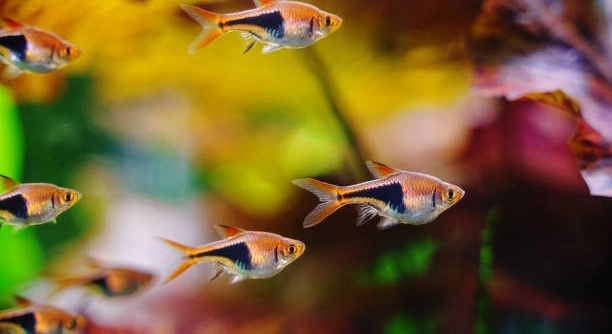
Have you ever noticed your rasboras swimming less than usual and acting unusually calm in their tank? Sometimes these tiny fish change their behavior, leaving you concerned about their health and overall environment in the aquarium.
The reduced activity of rasboras is often linked to changes in water conditions, temperature fluctuations, stress from overcrowding, or insufficient nutrition. Ensuring stable and clean water, proper feeding, and a calm environment helps maintain their normal activity levels.
Monitoring their tank and behavior closely can reveal subtle factors affecting their energy. These insights help keep your rasboras healthy and lively in their aquatic home.
Common Reasons Rasboras Become Less Active
Rasboras are sensitive to changes in their environment, and a slight shift can affect their swimming patterns. One common factor is water temperature. If the water is too cold or too warm, their metabolism slows, leading to reduced movement. Poor water quality is another major factor. Accumulation of ammonia, nitrites, or nitrates can stress fish, causing them to hide or stay near the bottom. Overcrowding in a small tank can also make rasboras less active, as they feel stressed and compete for space. Even minor changes, like rearranging decorations or adding new fish, can trigger temporary inactivity. Nutrition plays a role too. Lack of balanced food can weaken their energy levels, making them swim less. Observing these aspects and maintaining consistent care routines helps rasboras regain their usual liveliness over time.
Monitoring tank conditions closely helps identify what affects their activity quickly.
Small adjustments, such as improving water quality, spacing fish properly, or adjusting temperature, can significantly restore their natural energy and behavior in the tank.
Environmental Factors Affecting Activity
Water quality directly impacts the health and movement of rasboras. Poor conditions reduce oxygen levels and increase stress.
Stable water conditions are crucial for keeping rasboras active and healthy. Temperature, pH, and cleanliness all influence their behavior. Sudden changes, like moving the tank or replacing water too quickly, can cause shock, leading to lethargy. Filtration plays an essential role in removing waste and maintaining clarity, while aeration ensures oxygen levels are sufficient. Lighting is also a factor; too bright or too dim lights can make them hide or swim less. Decorations and plants provide hiding spots but overcrowding the tank with too many objects can restrict swimming space. Even feeding routines matter—irregular feeding or low-quality food can make them sluggish. Observing patterns, like when inactivity occurs after specific changes, helps pinpoint which environmental factor needs attention. By consistently managing these conditions, rasboras are more likely to return to their normal active behavior.
Seasonal Changes and Activity Levels
Rasboras often swim less when seasons change because water temperature and daylight hours vary. Even small fluctuations can slow their metabolism. They may spend more time near the bottom or hiding among plants, conserving energy until conditions stabilize in their tank.
Seasonal changes affect oxygen levels and water chemistry. Cooler water holds more oxygen but slows fish metabolism, making them less active. Warmer water increases metabolism but can stress fish if it fluctuates too quickly. Light cycles also influence behavior. Shorter daylight may reduce swimming activity, while longer daylight can make them more alert. Observing patterns across seasons helps identify natural changes versus health issues.
Adjusting tank temperature gradually and maintaining a stable light schedule can help rasboras adapt. Adding plants or gentle filtration can reduce stress, giving them a comfortable environment to regain normal activity and energy levels over time.
Health Issues That Reduce Activity
Illness can make rasboras unusually still, and early detection is essential. Signs like clamped fins, faded color, or lack of appetite indicate potential problems.
Parasites, bacterial infections, or swim bladder issues often reduce swimming. Stress weakens immunity, making them more prone to sickness. Observing for physical changes and behavior patterns helps detect health problems before they worsen. Isolation of affected fish can prevent disease spread. Maintaining clean water and providing high-quality food supports recovery.
Promptly addressing health concerns by consulting a vet or experienced aquarist ensures rasboras regain activity quickly. Regular monitoring, water testing, and consistent care prevent recurring issues and promote overall well-being. Proper attention to their environment and diet strengthens their resilience against common diseases, keeping them lively and healthy.
Feeding Habits and Energy
Rasboras may appear less active if feeding is inconsistent or food quality is low. They require a balanced diet to maintain energy. Skipping meals or overfeeding can both lead to sluggish behavior, affecting their normal swimming patterns.
Overfeeding often results in leftover food that pollutes the water, creating stress. Undernourishment reduces stamina, making fish hide or remain inactive. Observing feeding habits carefully and providing small, frequent meals of high-quality flakes or live food helps maintain their vitality and natural activity in the tank.
Tank Size and Space
Limited swimming space can restrict movement. Overcrowded tanks force rasboras to compete for room, reducing natural activity and increasing stress.
Light and Day-Night Cycle
Rasboras respond to light levels, with too much brightness or sudden changes causing them to hide. Maintaining a stable, gentle light cycle encourages normal swimming and activity.
FAQ
Why are my rasboras staying at the bottom of the tank?
Rasboras often stay at the bottom when water conditions are not ideal. Low oxygen, temperature fluctuations, or poor water quality can make them conserve energy. Check water parameters, clean the tank regularly, and ensure proper aeration to encourage normal swimming.
Can stress make rasboras less active?
Yes, stress significantly affects rasboras’ activity. Overcrowding, aggressive tankmates, sudden changes in the environment, or frequent tapping on the glass can cause stress. Providing hiding spaces, maintaining a calm environment, and avoiding sudden changes can help reduce stress levels.
Does water temperature affect their energy?
Water temperature directly impacts metabolism. Cooler water slows activity, while warmer water can increase energy but also stress the fish if it changes quickly. Maintaining a stable temperature suited for rasboras helps keep them active and healthy.
Could poor water quality be the reason?
Ammonia, nitrite, and nitrate build-up can make rasboras sluggish. Regular water testing, partial water changes, and proper filtration prevent harmful chemical accumulation and support healthy activity levels.
Do rasboras need a specific diet to stay active?
A balanced diet is essential. High-quality flakes, frozen or live foods provide nutrients for energy and vitality. Irregular feeding or poor nutrition can make fish lethargic and reduce swimming activity. Feeding small amounts multiple times daily helps maintain consistent energy.
How does tank size impact their movement?
Small or overcrowded tanks limit swimming space. Rasboras need enough room to swim in schools comfortably. A cramped environment can cause stress and reduced activity. Ensuring sufficient space per fish encourages natural behavior and movement.
Can seasonal changes affect their activity?
Yes, variations in daylight and temperature affect metabolism. Shorter days or cooler water may slow activity. Gradual adjustments in temperature and stable light cycles help rasboras adapt without sudden drops in movement.
Do rasboras hide when sick?
Sickness often results in hiding or staying still. Look for faded color, clamped fins, or unusual swimming patterns. Early detection and isolation, along with proper treatment, can prevent further health issues and restore normal activity.
Will adding plants or decorations help?
Yes, plants and decorations provide hiding spaces and reduce stress. However, overcrowding the tank with too many objects can limit swimming. Balance decoration with open swimming areas for optimal activity.
How long does it take for rasboras to recover activity?
Recovery depends on the cause. Environmental adjustments, improved diet, and treatment for illness may take days to weeks. Consistent care, stable conditions, and observation help rasboras return to normal swimming and energy levels.
Is it normal for rasboras to have quiet periods?
Yes, rasboras can have calm periods, especially during rest or after feeding. However, prolonged inactivity or sudden changes in behavior should be checked to rule out stress, illness, or water issues. Monitoring patterns ensures they remain healthy.
Can water pH influence their behavior?
Water pH affects overall health and activity. Rasboras prefer slightly acidic to neutral water. Sudden shifts in pH can cause stress and reduce swimming activity. Regular testing and gradual adjustments maintain a suitable environment.
Do lighting conditions really matter?
Lighting influences behavior and circadian rhythm. Too bright or inconsistent light can make rasboras hide or swim less. A stable, gentle light cycle encourages natural movement and reduces stress in the tank.
Are there signs that indicate serious health issues?
Lethargy combined with loss of color, abnormal swimming, rapid breathing, or fin damage signals serious problems. Early intervention with water adjustments, proper nutrition, and treatment prevents worsening health and restores activity levels.
Can new tankmates affect their activity?
Introducing new fish can stress rasboras. Aggressive or larger species may intimidate them, causing hiding or reduced swimming. Quarantining new fish and observing behavior helps maintain a calm environment for all tank inhabitants.
How often should I monitor their activity?
Daily observation helps spot changes early. Noting feeding behavior, swimming patterns, and interactions ensures rasboras remain healthy. Quick action on deviations prevents prolonged inactivity and supports long-term well-being.
Are there natural ways to encourage movement?
Providing open swimming space, stable water conditions, hiding spots, and a balanced diet naturally encourages activity. Gentle currents from filters or air stones can stimulate swimming without causing stress. Regular care fosters an energetic and healthy tank environment.
What is the impact of sudden changes in the tank?
Sudden water changes, moving decorations, or abrupt lighting shifts can shock rasboras, causing temporary inactivity. Gradual adjustments and consistent routines minimize stress and help maintain normal activity levels.
Can overcrowding lead to permanent stress?
Overcrowding increases competition, stress, and susceptibility to disease. Prolonged stress can weaken immunity and lead to chronic lethargy. Maintaining appropriate stocking levels and sufficient swimming space is crucial for their long-term activity and health.
Do rasboras recover activity after illness naturally?
With proper care, they often regain energy gradually. Clean water, adequate nutrition, and treatment of underlying issues are necessary. Consistent monitoring ensures they return to normal behavior without setbacks.
Is it normal for rasboras to be less active at certain times of the day?
Yes, rasboras have natural rest periods. Morning and evening are often more active, while mid-day may be quieter. Monitoring overall patterns helps distinguish normal rest from stress or illness-related inactivity.
Can poor filtration cause inactivity?
Inefficient filtration leads to waste accumulation and low oxygen, which reduces swimming activity. Proper filtration and regular maintenance maintain water clarity, oxygen levels, and overall fish vitality, encouraging consistent movement.
Does tank location affect behavior?
Placing a tank in high-traffic areas can stress fish. Excess noise, vibrations, or light changes can make rasboras hide or swim less. A quiet, stable location promotes normal behavior and consistent activity levels.
Are temperature swings more harmful than constant extremes?
Sudden temperature changes stress rasboras more than slightly higher or lower consistent temperatures. Stability is key. Using heaters, chillers, or gradual adjustments prevents metabolic shock and maintains normal swimming behavior.
Can mixing species affect activity?
Yes, certain species may intimidate or outcompete rasboras. Choosing compatible tankmates ensures minimal stress, encouraging normal movement and social interaction within the school.
Does water hardness play a role?
Hardness affects physiological functions and comfort. Rasboras prefer soft to moderately hard water. Maintaining suitable hardness helps prevent stress-related inactivity and supports overall health.
Is it normal for rasboras to be inactive during feeding?
Occasionally, slower fish may feed less actively, but consistent lack of response to food can indicate stress, illness, or unsuitable diet. Adjusting feeding practices and ensuring a balanced diet restores natural activity.
How important is a regular maintenance schedule?
Consistent cleaning, water changes, and monitoring prevent stress, poor water quality, and inactivity. A routine ensures rasboras remain energetic and reduces the risk of sudden behavioral changes.
Can aging affect activity levels?
Older rasboras may naturally slow down, but drastic inactivity could indicate health problems. Observing overall behavior, appetite, and color helps distinguish normal aging from issues requiring attention.
Do plants help regulate behavior?
Live plants improve water quality, provide hiding spots, and reduce stress. They encourage exploration and swimming without overcrowding, promoting balanced activity in the tank.
How long should I wait before seeking expert advice?
If inactivity persists beyond a few days despite stable water, proper diet, and consistent care, consulting an experienced aquarist or vet is recommended to prevent serious health problems.
Can decorations alone improve activity?
Decorations offer hiding and exploration opportunities but must not overcrowd the tank. Open areas combined with structured hiding spots stimulate movement while reducing stress.
Are sudden water changes harmful?
Rapid changes can shock rasboras, causing lethargy. Gradual water replacement and matching temperature and pH prevent stress and support consistent activity levels.
Do rasboras need companions to stay active?
Rasboras are schooling fish. Being alone can make them shy or inactive. Keeping them in small groups encourages natural swimming and social behavior, improving overall energy and activity.
Can lighting color influence behavior?
Certain light tones may make fish more comfortable. Gentle, natural tones reduce stress and encourage swimming, while harsh or flickering lights can cause hiding and reduced activity.
Is it normal for rasboras to rest on plants?
Yes, resting on plants or near decorations is normal. It allows them to conserve energy. Frequent or prolonged inactivity, however, could signal stress, illness, or poor water quality.
How can I tell the difference between rest and lethargy?
Resting fish maintain color, respond to feeding, and swim occasionally. Lethargic fish are pale, slow, or unresponsive. Observing behavior patterns and physical signs helps determine when intervention is needed.
Does feeding live food increase activity?
Live food stimulates natural hunting behavior, encouraging movement and energy. Combining live food with flakes or pellets ensures balanced nutrition and sustained activity levels.
Are there behavioral signs of improvement?
Increased swimming, exploring, feeding, and brightening color indicate recovery. Monitoring gradual changes confirms environmental adjustments or treatments are effective, helping rasboras regain vitality.
What role does tank cover play in activity?
A secure cover prevents jumping but should not block light or airflow. Proper tank setup with open swimming areas and protection encourages confident movement and reduces stress-related inactivity.
Is short-term inactivity normal after tank maintenance?
Yes, rasboras may hide temporarily after cleaning or rearranging decorations. Allowing a few hours for acclimation usually restores normal swimming and energy without intervention.
Can fluctuating water currents affect swimming?
Strong or inconsistent currents can stress rasboras, making them less active. Gentle, steady water flow promotes natural swimming and prevents fatigue.
Do rasboras respond to human presence?
They may become curious or shy. Consistent gentle interaction can make them more confident, but tapping or sudden movements increase stress, reducing activity.
Is it important to quarantine new fish?
Quarantining prevents disease introduction, stress, and potential inactivity. Observing new fish separately ensures they are healthy before joining the main tank, protecting rasboras’ activity and well-being.
Does tank shape affect activity?
Long, wide tanks provide more swimming space, encouraging natural behavior. Tall or narrow tanks may restrict horizontal movement, reducing overall activity in schooling fish like rasboras.
Can seasonal illness spikes reduce activity?
Temperature and environmental changes during certain seasons can increase susceptibility to illness. Maintaining stable conditions and monitoring for early signs helps preserve normal activity levels.
How does tank maintenance frequency relate to behavior?
Regular water changes and cleaning prevent stress from poor water quality. Consistency ensures rasboras remain active, healthy, and less prone to sudden inactivity caused by environmental shocks.
Do rasboras prefer moving water?
Gentle currents mimic natural habitats, encouraging swimming. Too strong or turbulent flow stresses them, reducing activity. Balanced water movement supports energy and overall health.
How do I differentiate stress from illness?
Stress often shows as hiding or temporary inactivity, usually triggered by environmental changes. Illness includes physical symptoms like faded color, clamped fins, or abnormal swimming. Observing closely helps identify the cause and determine necessary action.
Are there signs of permanent damage from poor care?
Prolonged poor water quality, overfeeding, or stress may cause lasting health issues, including stunted growth or weakened immunity. Consistent care and monitoring prevent irreversible effects, maintaining active and healthy rasboras.
Does water aeration affect activity?
Yes, low oxygen reduces movement. Air stones or gentle filter currents improve oxygenation, encouraging swimming and preventing sluggish behavior. Proper aeration supports overall vitality and energy.
Can temperature mismatches between tap water and tank water stress rasboras?
Sudden introduction of water with a different temperature can shock fish. Gradually matching temperature during water changes prevents stress and maintains activity.
Do rasboras adapt to tankmates over time?
Yes, with compatible species and proper acclimation, they adjust. Initial hiding may occur, but consistent observation and stable conditions allow natural activity to resume.
Can sudden pH drops cause lethargy?
Rapid pH changes stress rasboras, reducing swimming. Maintaining stable, appropriate pH and gradual adjustments prevent inactivity and support health.
Are rasboras more active during certain feeding times?
Yes, they often respond quickly to feeding, especially in the morning or evening. Regular schedules help maintain energy and swimming behavior.
Does water hardness impact long-term activity?
Improper hardness can stress fish, weakening them over time. Soft to moderately hard water supports metabolism and consistent activity, keeping rasboras lively.
Can tank size changes affect behavior temporarily?
Moving to a larger or smaller tank may cause short-term hiding or reduced swimming. Gradual acclimation and stable conditions help them adjust quickly.
How important is observing social interactions?
Rasboras are schooling fish. Watching interactions helps detect stress, bullying, or isolation, all of which can reduce activity. Maintaining harmony ensures natural behavior and energy levels.
Do temperature fluctuations during the night affect them?
Nighttime drops can slow metabolism, making rasboras less active. Consistent temperature with minimal fluctuations supports normal daily behavior and activity patterns.
Can using a heater help maintain activity?
A reliable heater stabilizes temperature, preventing lethargy caused by cold water. Gradual adjustments maintain comfort, encouraging natural swimming.
Are rasboras sensitive to chemicals in tap water?
Yes, chlorine, chloramine, or heavy metals can stress fish. Using water conditioners ensures safe conditions, preventing inactivity and health issues.
Does overfeeding affect long-term activity?
Yes, excess food causes poor water quality, stress, and obesity. Balanced feeding prevents sluggishness and promotes consistent energy levels.
How long should water changes take to avoid stress?
Gradual changes over 15–30 minutes prevent sudden shocks. Matching temperature and pH during water replacement supports continuous activity and well-being.
Can too many tank decorations restrict swimming?
Yes, overcrowding limits movement and stresses fish. A balance of open space and hiding spots encourages natural swimming and reduces inactivity.
Are rasboras more active in groups?
Being in small schools promotes confidence and energy. Solitary rasboras may hide or swim less, so group dynamics are important for normal behavior.
Can water flow direction affect schooling behavior?
Uneven or strong currents disrupt schooling patterns. Gentle, consistent flow encourages synchronized swimming and reduces stress-related inactivity.
Do rasboras react to vibrations outside the tank?
Yes, sudden vibrations from footsteps, doors, or taps can startle them, leading to hiding or reduced activity. Minimizing external disturbances keeps them calm and active.
Can introducing plants gradually reduce stress?
Yes, adding plants slowly provides shelter without overcrowding. Gradual integration allows rasboras to explore safely, encouraging swimming and natural behavior.
Are all rasboras equally active?
Individual temperament varies. Some may naturally swim less, but consistent inactivity or unusual hiding should be monitored to rule out health or environmental issues.
How can I encourage shy rasboras to swim more?
Provide open swimming space, stable conditions, hiding spots, and gentle interaction. Gradual exposure to light and tankmates builds confidence and activity.
Can tap water temperature differences cause hiding?
Yes, sudden temperature changes from tap water during water changes can stress fish. Pre-adjusting water to match the tank prevents inactivity and shock.
Does sudden loud noise impact activity?
Yes, loud noises like music, banging, or TV vibrations can make rasboras hide or swim less. A quiet, stable environment promotes natural movement.
Are rasboras less active during breeding periods?
Yes, some may reduce movement or hide while preparing to spawn. Providing quiet, undisturbed areas supports natural behavior without causing stress.
Can frequent tank rearrangement cause long-term stress?
Repeated changes disrupt familiar territory, increasing hiding and lethargy. Maintaining stable decorations and plant placement encourages consistent activity.
Does feeding variety improve activity?
Yes, combining flakes, frozen, and live foods stimulates foraging behavior, encourages swimming, and maintains balanced nutrition for consistent energy.
Can a small heater cause localized temperature issues?
Yes, if positioned improperly, it may create hot or cold spots. Ensuring even heat distribution prevents stress and supports normal activity.
Are rasboras sensitive to sudden light changes?
Yes, turning lights on abruptly can startle them, causing hiding. Gradual lighting or dimmers reduce stress and encourage normal swimming patterns.
Can low oxygen levels cause hiding?
Yes, low dissolved oxygen makes fish lethargic. Aeration, proper filtration, and water changes improve oxygen levels, promoting swimming and energy.
Does adding gentle water current help activity?
Yes, it mimics natural habitats and encourages movement without causing fatigue. Balanced flow stimulates healthy swimming behavior.
Can tank lid transparency affect behavior?
Opaque or partially covered lids reduce perceived threats, making rasboras feel secure. Transparent lids may expose them to external disturbances, causing hiding or reduced activity.
Do rasboras respond to hand-feeding?
Yes, gentle hand-feeding can increase interaction and swimming activity. Sudden or rough approaches may cause stress, so consistency and calm movements are important.
Is gradual acclimation necessary when introducing new water?
Yes, slowly mixing new water with tank water prevents shock from temperature or pH differences, supporting continuous activity and health.
Can seasonal light changes affect behavior?
Yes, shorter daylight may reduce activity, while longer light periods can increase energy. Maintaining a stable light schedule helps normalize behavior.
Does tank vibration from equipment affect activity?
Filters or air pumps may create vibrations. Gentle, stable equipment minimizes stress, allowing normal swimming and reducing hiding behavior.
Are rasboras affected by nearby pets?
Yes, cats, dogs, or other animals approaching the tank can cause stress. Keeping the tank in a calm, low-traffic area reduces hiding and inactivity.
Can tap water chemicals cause lethargy?
Chlorine, chloramine, and metals stress rasboras. Treating water with conditioners ensures safe, non-toxic conditions, preventing reduced activity and health issues.
Does social hierarchy impact activity?
Dominant fish may intimidate others, causing hiding or reduced swimming. Observing interactions and ensuring enough space prevents stress-related inactivity.
Are rasboras more active in morning or evening?
Typically, they are more energetic during early and late daylight. Adjusting feeding and lighting schedules can align with natural activity patterns.
Can sudden temperature spikes cause permanent inactivity?
Rapid, extreme changes may cause shock or death. Gradual adjustments prevent lethargy and long-term health damage
Rasboras are delicate fish that rely heavily on stable conditions to remain healthy and active. Their behavior is closely tied to water quality, temperature, and tank setup. Even small changes in their environment can cause noticeable shifts in activity. Observing your fish daily allows you to identify when something is off, whether it is reduced swimming, hiding, or changes in feeding patterns. Consistency in care, including proper water maintenance, feeding routines, and a calm environment, goes a long way in keeping rasboras energetic. Over time, small adjustments in their habitat can make a significant difference in restoring normal behavior, allowing you to enjoy watching their natural swimming patterns and social interactions.
Understanding the factors that influence rasboras’ activity helps prevent many common issues. Water temperature that is too low or too high can slow metabolism or increase stress, while poor water quality can quickly lead to illness or lethargy. Overcrowding and aggressive tankmates may restrict movement and create tension, reducing energy levels. Even the lighting and placement of the tank can affect their comfort. By providing a balanced diet and ensuring enough swimming space, you can support their health and vitality. Monitoring their behavior regularly allows you to act promptly if changes occur, preventing long-term effects. Taking a proactive approach in maintaining these conditions can make rasboras more resilient and better able to adapt to minor environmental variations.
Patience and observation are key when caring for rasboras. They may naturally have periods of rest or reduced activity, and distinguishing these from signs of stress or illness is important. Small adjustments in feeding, tank setup, or water quality can have noticeable positive effects, but changes should be gradual to avoid shocking the fish. Creating a stable, clean, and comfortable environment ensures they thrive while maintaining their natural energy levels. Over time, with proper care and attention to their needs, rasboras will exhibit lively, healthy behavior, and their presence can become a rewarding and calming addition to your aquarium.

Hello,
If you enjoy the content that we create, please consider saying a "Thank You!" by leaving a tip.
Every little bit helps us continue crafting quality advice that supports the health, happiness, and well-being of pets around the world, for pets of all shapes, sizes, and species.
We really appreciate the kindness and support that you show us!