
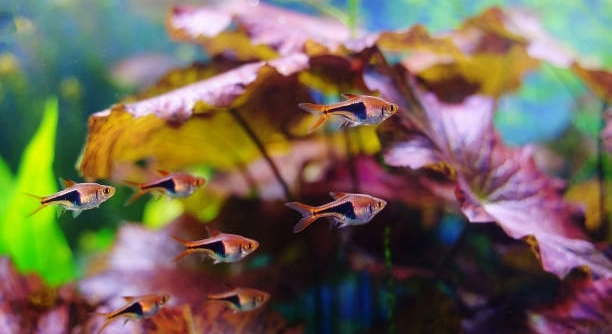
Rasboras are small, active fish that often explore the plants in their aquarium. They weave through leaves and stems, seemingly curious about their surroundings. Watching their interactions can be both calming and entertaining for aquarium owners.
When exploring plants, rasboras typically swim between stems, nibble lightly on leaves, rest among foliage, inspect hiding spots, interact with other fish, use plants as landmarks, and occasionally exhibit playful darting behavior in response to their environment.
Observing these behaviors can reveal much about their comfort, health, and natural instincts in a planted aquarium setting. Understanding them helps create a more enriching habitat for your fish.
Swimming Between Stems
Rasboras often move gracefully between plant stems, weaving through narrow spaces with ease. This behavior allows them to explore their environment while staying protected from potential threats. Young rasboras especially prefer dense foliage, where they can practice their swimming skills and feel secure. Their movement is deliberate, almost as if they are checking each plant for food or shelter. Over time, this pattern becomes part of their daily routine, helping them feel comfortable and confident in their tank. Observing them navigate the plants reveals their natural curiosity and need for structure in their habitat. They often pause mid-swim, inspecting surroundings or interacting with other fish. Their sleek bodies make it easy to slip through tight spaces, and this activity keeps them active and healthy. Aquariums with multiple layers of plants provide both stimulation and resting spots for rasboras, encouraging natural behaviors that are beneficial for their well-being.
Swimming between stems helps rasboras stay active, secure, and engaged with their environment. It also reduces stress and promotes natural instincts.
Dense planting encourages more frequent exploration and provides hiding spots, making your rasboras feel safer and more comfortable. Regular observation can show how much they enjoy this activity.
Nibbling on Leaves
Rasboras occasionally nibble on plant leaves, testing textures or small algae growth. This behavior is gentle and rarely harmful to healthy plants, but it indicates their interaction with the environment.
Nibbling allows them to supplement their diet slightly and investigate what surrounds them. Even without visible algae, this activity keeps them mentally stimulated and encourages natural foraging instincts. Watching them nibble can be surprisingly endearing, showing their cautious yet curious nature. Over time, the habit of nibbling also helps rasboras maintain balance and coordination as they maneuver among delicate plants. Aquarium owners can note which plants attract the most attention, sometimes revealing the fish’s preferences or specific needs. Providing a variety of plants ensures they have enough options, reducing the likelihood of over-nibbling on a single species. Properly balanced water conditions also support healthy plants, so nibbling does not lead to damage, creating a harmonious habitat for both flora and fauna. By allowing these small interactions, you foster a dynamic and engaging aquarium environment.
Resting Among Foliage
Rasboras often pause and rest among dense plant leaves, finding comfort in the shade and protection plants offer. This behavior helps them feel secure and reduces stress, especially in a tank with other active fish.
Resting among foliage is a natural behavior that supports their well-being. Plants offer shelter from bright lights and strong currents, creating a calm environment where rasboras can relax. They may hover quietly, occasionally gliding a short distance before settling again. This behavior also allows them to observe their surroundings safely, maintaining awareness while conserving energy. Dense planting encourages this behavior, making the tank feel more natural and engaging. Over time, rasboras develop favorite spots within the plants, returning to them repeatedly, which demonstrates trust and comfort in their habitat. Observing these resting patterns can provide insights into their health, activity levels, and the effectiveness of the tank setup in meeting their needs.
Regularly resting among foliage is essential for rasboras to maintain energy and feel safe. It also helps them cope with changes or disturbances in their environment.
Inspecting Hiding Spots
Rasboras frequently explore small crevices and hiding spots in plants to check for safety or potential food sources. This behavior demonstrates their cautious yet curious nature.
Inspecting hiding spots allows rasboras to evaluate their surroundings for threats and secure locations to retreat if needed. They often linger near plant bases or behind broad leaves, occasionally darting in and out as they investigate. This behavior also strengthens social interactions, as fish may signal safe zones to others in the group. Providing varied plant structures encourages exploration and reduces boredom. Hiding spots improve overall tank security, helping rasboras feel more relaxed and confident. Watching them perform these checks reveals how they balance curiosity with caution.
This behavior is crucial for their mental stimulation and survival instincts. Well-placed hiding areas create a comfortable, natural-feeling habitat that promotes healthy activity and interaction.
Interacting with Other Fish
Rasboras often swim close to other fish while exploring plants, maintaining group cohesion. This behavior helps them feel safer and more confident in their environment.
They may mirror movements or briefly swim alongside tank mates, reinforcing social bonds. Such interactions also reduce stress and encourage active exploration of planted areas.
Using Plants as Landmarks
Rasboras rely on plant placement to navigate their aquarium efficiently. Plants serve as visual markers that guide swimming patterns and territory boundaries. Using consistent landmarks helps them remember safe routes, locate food sources, and return to resting areas. This behavior also reflects their spatial memory and natural instincts for survival.
Playful Darting
Occasionally, rasboras make quick, energetic movements among plants. These bursts of activity are part of their natural behavior, promoting exercise and alertness in a safe environment.
FAQ
How often do rasboras explore plants?
Rasboras are naturally active fish, and they typically explore plants throughout the day. Their activity levels may increase after feeding or when lights are on, as they investigate their surroundings. Dense planting encourages more frequent exploration, giving them hiding spots, resting areas, and surfaces for nibbling or inspection.
Why do rasboras nibble on leaves?
Nibbling on leaves is a normal behavior. Rasboras may be testing textures, looking for small algae, or engaging in mild foraging. It is rarely harmful if plants are healthy. Providing a variety of plants ensures they have options, which reduces over-nibbling on any single species.
Do all rasboras enjoy dense plants?
While most rasboras prefer areas with plenty of foliage, some may spend more time in open spaces depending on tank setup and individual personality. Generally, a mix of dense and open areas promotes both exploration and social interactions. Observing preferences helps optimize tank arrangement for their comfort.
Can exploring plants affect their health?
Yes. Exploration promotes mental stimulation, physical exercise, and stress reduction. Rasboras that have plenty of plants and hiding spots are more likely to display natural behaviors, maintain energy, and show healthier coloration. A planted environment supports overall well-being.
Why do rasboras rest among plants?
Resting among plants provides security from perceived threats and strong currents. It allows them to conserve energy while remaining alert. Preferred resting spots often become familiar over time, indicating comfort and trust in their habitat. Regularly resting among foliage is a sign of a healthy, content fish.
Do rasboras interact with other fish while exploring?
Yes. Rasboras often swim alongside tank mates, maintaining social cohesion. This behavior reassures them and promotes group coordination. Following others or briefly mirroring movements is typical, especially when navigating dense plants. Social interactions reduce stress and encourage collective exploration.
What is the purpose of playful darting?
Playful darting is an energetic behavior that helps rasboras exercise and remain alert. Quick bursts through plants mimic natural predator evasion and hunting behaviors. These movements also stimulate curiosity and strengthen swimming coordination, keeping them agile and healthy.
How do plants help rasboras navigate their tank?
Plants act as landmarks, helping rasboras recognize routes and safe zones. They use plant positions to locate resting areas, food sources, and shelter. Consistent plant placement allows fish to move confidently and reduces anxiety, reflecting natural instincts for orientation and survival.
Can plant exploration indicate stress or illness?
In general, healthy exploration is positive. However, a sudden drop in plant interaction may signal stress, illness, or water quality issues. Observing changes in behavior helps identify potential problems early, ensuring timely care and maintaining a thriving aquarium environment.
How can I encourage more exploration?
Provide varied plant types, with both dense foliage and open areas. Introduce hiding spots, floating plants, and safe surfaces for nibbling. Maintaining clean water, stable temperature, and consistent lighting encourages activity. A well-planted, secure tank promotes natural exploration, exercise, and mental stimulation for your rasboras.
Final Thoughts
Rasboras are small, active fish that benefit greatly from a well-planted aquarium. Observing them as they swim between stems, rest among leaves, nibble on plants, or dart playfully reveals their natural behaviors and instincts. These fish rely on plants for both protection and stimulation, making a diverse and structured environment essential. Providing a mixture of tall, short, broad, and narrow-leaved plants encourages exploration and allows rasboras to feel secure while expressing their curiosity. Over time, they develop favorite spots for resting and hiding, and they often return to these areas repeatedly. Watching these patterns can be both calming and informative, helping aquarists understand their fish’s comfort and activity levels. A tank with sufficient plant coverage not only supports physical activity but also reduces stress, promoting healthier and more vibrant fish. The interaction with plants is part of their everyday routine, showing that a thoughtfully arranged tank contributes to overall well-being.
Plants also play a critical role in mental stimulation. Rasboras are naturally inquisitive, and having multiple hiding spots, leaves to nibble, and stems to weave through keeps them engaged. Exploration prevents boredom, supports social interactions among tank mates, and strengthens swimming coordination. They use plants as landmarks, which helps them navigate the aquarium confidently and reduces anxiety. Dense foliage provides security from perceived threats while allowing observation of their surroundings. Resting in shaded areas or behind broad leaves is common and shows that the fish feel safe and comfortable. By encouraging these behaviors, aquarists can observe natural instincts that would otherwise be limited in a bare tank. Plant selection and placement matter, as some species may be more attractive to rasboras, offering surfaces for nibbling or creating preferred hiding areas. A carefully planned aquarium provides both mental and physical benefits, helping these small fish thrive in a way that mirrors their natural environment.
Maintaining a planted tank requires attention, but the rewards are clear. Regular observation of rasboras’ interactions with plants offers insight into their health, social behavior, and comfort level. Noticing how they explore, rest, or interact with other fish can inform adjustments in tank layout, lighting, or plant density. Well-maintained plants also contribute to water quality, which is crucial for the long-term health of the fish. By supporting exploration and natural behaviors, aquarists can create a lively and balanced habitat. The combination of mental stimulation, physical activity, and security provided by plants leads to healthier, more confident, and more active rasboras. In a tank that prioritizes their needs, these small fish display a range of behaviors that are enjoyable to observe and indicative of proper care. A planted aquarium is not just visually pleasing; it fosters an environment where rasboras can flourish, interact naturally, and maintain overall well-being.

Hello,
If you enjoy the content that we create, please consider saying a "Thank You!" by leaving a tip.
Every little bit helps us continue crafting quality advice that supports the health, happiness, and well-being of pets around the world, for pets of all shapes, sizes, and species.
We really appreciate the kindness and support that you show us!