
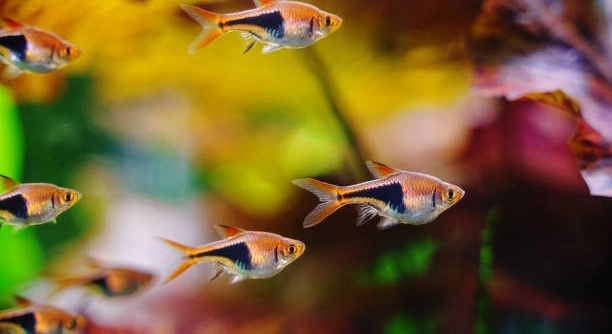
Rasboras are small, peaceful fish that bring life and color to freshwater aquariums. Observing their behavior can be both relaxing and fascinating, as they respond to changes in their environment in subtle ways. Their movements often reflect their mood.
Rasboras can indeed be startled by reflections. Sudden flashes or mirror-like surfaces can trigger a natural startle response, causing them to dart quickly or change direction. This reaction is instinctive and linked to their survival instincts in the wild.
Understanding how reflections affect rasboras can help you create a calmer aquarium environment. Proper tank placement and careful observation of their reactions ensure their well-being over time.
Why Reflections Startle Rasboras
Reflections in an aquarium can catch rasboras off guard. When light hits the glass at certain angles, their own image appears as another fish nearby. This can trigger a fight-or-flight instinct, making them dart or swim erratically. Even small reflections from decorations, lights, or moving objects outside the tank can create this reaction. Over time, repeated exposure to reflections may increase stress levels, affecting feeding habits and overall health. Observing their responses carefully helps identify which reflections are causing the most disturbance. Some aquarists notice that rasboras are particularly sensitive when the tank is brightly lit or when reflective backgrounds are used. Adjusting these elements can reduce sudden startle responses. Creating a stable and predictable environment allows the fish to feel more secure. Using subdued lighting or non-reflective backgrounds often keeps rasboras calmer. The size of the tank and number of companions can also influence their reactions to reflections.
Limiting reflections in their environment reduces stress and promotes calmer swimming patterns. Simple adjustments can make a noticeable difference in behavior.
Watching these subtle changes shows how sensitive rasboras are. Each fish may react differently, making careful observation key to maintaining a peaceful aquarium.
How to Minimize Reflection Stress
Keeping glass surfaces clean and avoiding direct light reduces visible reflections in the tank.
Using backgrounds that are matte or darker helps minimize sudden reflections. Placing tanks away from windows or bright artificial lights lowers the chance of startling the fish. Avoid mirrors or shiny objects near the aquarium, as even small flashes can trigger darting behavior. Introducing consistent tank lighting can help rasboras adjust and feel secure. It’s also important to consider tank layout; crowded or highly decorated areas can amplify reflections, while open swimming spaces allow fish to escape perceived threats. Observing individual reactions helps determine which changes are most effective. Additionally, adding tank mates that swim calmly can reduce anxiety caused by reflections, as rasboras feel safer in groups. Reducing sudden movements near the tank further decreases startle responses. Over time, these adjustments can promote healthier, calmer behavior, ensuring that your rasboras are less stressed and more comfortable in their habitat.
Recognizing Startle Behavior
Rasboras often show sudden, quick movements when startled. They may dart to the opposite side of the tank, change direction abruptly, or flick their fins rapidly. Observing these behaviors helps determine what is triggering stress in the aquarium environment.
Startled rasboras may swim in short bursts or jump slightly, especially near reflective surfaces or sudden light changes. Their movements are often unpredictable for a few seconds, then they settle back into normal swimming patterns. Frequent startle responses can indicate environmental stress, including reflections from glass, shiny objects, or sudden shadows. Monitoring tank conditions, lighting, and decorations can help identify specific triggers and reduce repeated stress episodes. These observations are important for maintaining fish health and minimizing anxiety.
Behavior can also include temporary hiding among plants or decorations. Some fish may cluster together when startled, seeking safety in numbers. Recognizing these patterns allows for preventive measures and more comfortable tank conditions. Careful attention ensures that rasboras remain active, healthy, and less prone to stress-related issues.
Creating a Calm Tank Environment
Providing gentle lighting and steady water flow reduces stress and sudden reactions in rasboras.
Using soft lighting, avoiding direct sunlight, and controlling reflections lowers startle frequency. Calm water flow helps prevent rapid movements caused by currents. Open spaces in the tank allow fish to escape perceived threats, while secure hiding spots offer reassurance. Minimizing disturbances outside the tank, such as sudden hand movements or loud noises, contributes to a stable environment. Over time, consistent conditions help rasboras feel secure, promoting natural swimming behavior and regular feeding. Careful observation of fish responses ensures these adjustments are effective.
Planting dense vegetation or using floating plants can further reduce reflections and provide shade. Choosing non-reflective backgrounds, along with a quiet placement away from high-traffic areas, keeps fish comfortable. Maintaining a proper group size is also critical, as rasboras are schooling fish that rely on companions for security. Observing which tank arrangements work best allows for a tailored setup that minimizes stress. Regular maintenance, including gentle water changes and stable temperatures, supports a calm and healthy aquarium. By addressing these environmental factors, rasboras can thrive without frequent startle responses, creating a peaceful and visually appealing tank.
Common Triggers in the Aquarium
Reflections from glass surfaces or decorations often startle rasboras. Sudden changes in lighting or shadows can also cause quick darting movements. Recognizing these triggers helps maintain a calmer environment for the fish.
External disturbances, like movement near the tank or loud noises, may provoke startle responses. Even small vibrations can be enough to trigger their natural instincts.
Adjusting Tank Layout
Reorganizing decorations, adding plants, and providing open swimming areas can reduce reflections and stress. Dense planting offers hiding spots, while clear areas allow fish to move freely without feeling threatened. Arranging the tank with both shelter and open spaces balances security and mobility for rasboras.
Observing Long-Term Behavior
Monitoring how rasboras react over time reveals patterns in their startle responses. This helps in adjusting lighting, decorations, and tank placement to keep stress minimal.
FAQ
Can reflections harm rasboras permanently?
Reflections themselves are not physically harmful, but repeated startle responses can increase stress over time. High stress can weaken the immune system, affect feeding habits, and reduce overall vitality. Managing lighting, tank placement, and reflective surfaces helps prevent long-term negative effects. Observing behavior regularly ensures rasboras remain healthy and comfortable.
Why do rasboras dart suddenly even without reflections?
Rasboras have strong survival instincts. Sudden movements, changes in water flow, shadows, or vibrations can trigger a startle reflex. Even minor disturbances near the tank, like a hand moving or a door slamming, can cause these quick bursts of movement. It’s a natural behavior rather than a sign of illness.
How can I tell if my tank lighting is causing stress?
Bright, direct light or rapid changes in lighting can make rasboras nervous. If they consistently dart, hide, or cluster in corners, the lighting may be too intense. Adjusting to softer, more consistent light and using floating plants or shaded areas can help them feel secure.
Do tank mates affect startle responses?
Yes. Rasboras feel safer in groups and with calm tank mates. Aggressive or fast-moving companions can heighten startle responses, while peaceful companions reduce anxiety. Observing interactions and choosing compatible species helps maintain a stress-free environment for all fish.
Will reflective decorations always cause problems?
Not always, but shiny or mirror-like surfaces can trigger startle responses. Matte backgrounds, darker decorations, and avoiding mirrors reduce sudden darting. Each fish may react differently, so trial and observation are necessary to find a safe tank setup.
Can water flow influence startle behavior?
Strong currents or sudden water movement can trigger quick swimming responses. Rasboras prefer gentle, steady flow that allows them to swim comfortably. Adjusting filters or using flow diffusers can create a calmer environment and reduce stress.
How often should I observe my rasboras for stress signs?
Daily observation is ideal. Watching their swimming patterns, hiding behavior, and reactions to lighting or reflections helps identify stress triggers early. Early adjustments prevent long-term issues and ensure a balanced, healthy tank.
Are younger rasboras more sensitive to reflections?
Yes. Juvenile rasboras are often more reactive because they are smaller and more vulnerable in the wild. They may dart more frequently and hide often. Providing plenty of cover and minimizing reflections is particularly important for young fish to feel safe.
Does the shape or size of the tank affect startle responses?
Tank dimensions play a role. Smaller tanks with tight spaces can amplify reflections and sudden movements, while larger tanks with open swimming areas allow fish to escape perceived threats. Combining open spaces and dense plant coverage helps reduce stress regardless of tank size.
Can regular feeding reduce startle responses?
Consistent feeding schedules help rasboras feel secure and reduce overall stress. Hungry fish may be more reactive to reflections or disturbances. Offering small, frequent meals encourages natural swimming and calm behavior, making them less likely to dart unexpectedly.
What immediate steps should I take if rasboras are startled frequently?
Assess lighting, reflections, water flow, and tank placement first. Reduce sudden disturbances and provide hiding spots with plants or decorations. Monitor behavior over several days, making gradual adjustments until they settle. Patience and observation are key to restoring a calm environment.
Is it normal for rasboras to jump when startled?
Yes, occasional jumps are a natural reaction. Providing a secure lid or cover prevents accidents, while maintaining low stress in the tank reduces how often it happens. Ensuring a calm environment and minimizing reflections decreases jump frequency.
Do reflections affect feeding behavior?
They can. Frequent startle responses may distract fish, making them hesitant to eat. Reducing reflections and providing predictable feeding routines helps rasboras feel safe enough to feed regularly, supporting their growth and overall health.
Are all rasbora species equally sensitive?
Sensitivity varies. Some species are more reactive due to natural habitat instincts, while others tolerate minor reflections with minimal stress. Observing individual behavior and tailoring tank conditions ensures each species remains comfortable and calm.
Can rearranging the tank suddenly cause stress?
Yes. Rapid or frequent changes to decorations, plants, or lighting can trigger startle responses. Gradual adjustments allow rasboras to adapt, maintaining a stable environment that promotes calm behavior and healthy activity.
How do I know when my adjustments are working?
Calm, consistent swimming, reduced darting, and regular feeding are signs that changes are effective. Recording behavior and noting reactions to reflections, lighting, and tank mates helps track improvements and fine-tune the environment.
Final Thoughts
Rasboras are small, lively fish that respond to their environment in noticeable ways. Their reactions to reflections, lighting, and sudden movements are natural instincts rooted in survival. Understanding these behaviors is key to creating a calm and safe tank. While reflections may seem harmless, they can trigger startle responses that stress the fish. Stress affects feeding habits, swimming patterns, and overall health. Paying attention to subtle signs, such as sudden darting, hiding, or clustering, helps you recognize when the fish feel threatened. Observing these behaviors over time allows you to identify patterns and make the necessary changes to their environment. Small adjustments, like controlling light intensity, reducing reflective surfaces, or adding hiding spaces, can significantly reduce stress.
Creating a stable environment goes beyond removing reflections. The overall tank setup, including water flow, tank mates, and plant placement, plays an important role. Gentle, consistent water movement prevents sudden disturbances, and calm companions reduce anxiety in schooling fish. Dense plants or decorations provide shelter, while open swimming areas allow the fish to move freely and escape perceived threats. Tank size and shape also influence behavior, as smaller spaces can amplify startle responses. Gradual changes in lighting, decoration, or layout give the fish time to adapt without triggering excessive stress. Observing how each individual responds is important because sensitivity varies among species and even among fish of the same species. By adjusting the environment carefully, you can help your rasboras feel secure and comfortable in their home.
Consistency in care is just as important as tank setup. Maintaining regular feeding schedules and monitoring water quality ensures that the fish remain healthy and less reactive. Daily observation allows you to spot any unusual behaviors and address stress triggers promptly. Reducing reflections, providing secure hiding spaces, and keeping disturbances near the tank to a minimum all contribute to a peaceful atmosphere. Over time, these practices create an environment where rasboras can swim naturally, interact calmly, and thrive. Understanding their instincts and needs helps you provide better care, resulting in a healthier, more relaxed aquarium. With patience and attention, you can enjoy the vibrant activity of rasboras while keeping stress low and supporting their well-being.

Hello,
If you enjoy the content that we create, please consider saying a "Thank You!" by leaving a tip.
Every little bit helps us continue crafting quality advice that supports the health, happiness, and well-being of pets around the world, for pets of all shapes, sizes, and species.
We really appreciate the kindness and support that you show us!