
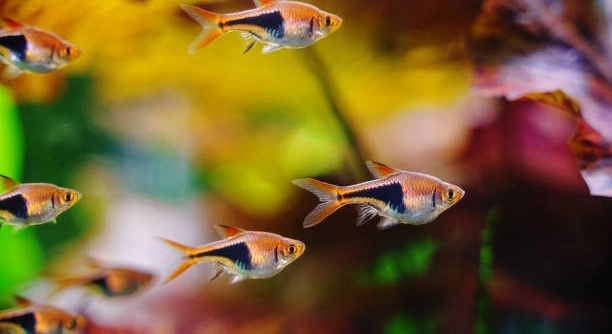
Are your rasboras swimming in a tank that feels a little dull or too bright? Tank backgrounds may seem like a small detail, but they can influence how your fish behave and interact with their surroundings.
Tank backgrounds can affect rasboras by altering their stress levels and coloration. Darker or natural-colored backgrounds generally reduce stress, making the fish display more vibrant colors, while bright or reflective backgrounds can cause anxiety and subdued hues in the fish.
Choosing the right backdrop can improve your rasboras’ overall health, making them more active and comfortable in their environment.
How Background Colors Influence Rasbora Behavior
The color of your tank background can change how your rasboras act throughout the day. Darker shades, like black or deep blue, provide a sense of security and reduce stress. Fish tend to feel safer near darker surroundings, which can lead to more natural schooling patterns and calmer movements. Lighter backgrounds may make the fish more skittish or hesitant to explore, as bright colors can feel exposed. Subtle, natural tones, such as greens or browns, often work well to mimic their natural habitats. Reflective backgrounds can also create visual stress, causing the fish to dart or hide frequently. Consistent tank lighting paired with the right background enhances these effects, making the environment predictable and less startling. Overall, selecting the proper background is a simple yet effective way to support the well-being of your rasboras while keeping the aquarium visually appealing and balanced.
Choosing darker or natural tones generally keeps rasboras calmer and more comfortable.
Backgrounds influence not only behavior but also color expression. Stressful surroundings can dull their appearance, while peaceful tones allow vibrant shades to emerge. Fish often interact more freely in secure environments, showing natural movements and social behaviors. Observing these differences helps refine your tank setup, ensuring healthier, more active fish over time.
Matching Backgrounds to Tank Decor
A suitable background should complement plants, rocks, and other decorations without overwhelming them.
Matching backgrounds to tank decor creates a cohesive and visually calming environment for your rasboras. Natural-colored plants and driftwood work best with muted tones like dark brown, gray, or deep green. Bright artificial decorations can clash with flashy backgrounds, causing stress or distraction for the fish. Keeping the decor subtle while choosing a background that blends helps highlight the fish rather than competing with them visually. Additionally, layering elements such as rocks or plants near the back can soften harsh colors and provide extra hiding spots. Observing your fish’s reaction after changing backgrounds can guide further adjustments. Over time, rasboras show clearer signs of comfort, such as schooling more closely, exploring new areas, and displaying richer coloration. A balanced combination of background and decor supports natural behavior, reduces anxiety, and creates a pleasing aquarium aesthetic that benefits both the fish and your viewing experience.
Choosing Between Light and Dark Backgrounds
Dark backgrounds help rasboras feel secure, while light backgrounds can make them appear stressed or timid. Natural shades usually provide a balanced environment, reducing sudden movements and encouraging calmer behavior in the tank.
Light backgrounds can reflect more light, causing the fish to feel exposed. This may lead to skittish behavior, hiding, or frequent darting. Darker backgrounds absorb light and create a more stable visual environment, helping rasboras settle into predictable routines. Subtle tones that mimic riverbeds or aquatic plants can also make the fish feel at ease, promoting natural swimming and social interactions within the school. Adjusting the background based on tank lighting further enhances comfort.
Dark backgrounds can also improve the visual contrast of your fish’s colors, making their natural patterns stand out. Bright backgrounds may wash out hues, reducing vibrancy. Observing behavior under different settings is key to finding the most suitable choice for your fish. Subtle shifts in shade and tone can influence stress levels and overall activity, allowing rasboras to show their best appearance while feeling secure. Consistency in background and lighting supports their daily rhythm, creating a stable environment for long-term health.
Materials and Textures for Tank Backgrounds
Vinyl or laminated backgrounds are easy to clean and maintain without affecting water quality. They come in a variety of colors and textures to match your tank’s theme.
Textured backgrounds, such as 3D panels or natural rock and driftwood designs, give depth and create hiding spots for rasboras. These surfaces reduce reflections and shadows, which can lower stress levels. Smooth, glossy backgrounds may reflect light too much, causing the fish to react defensively or avoid certain areas. Combining different textures allows the tank to feel more natural and engaging, while also supporting the health and comfort of your fish. Thoughtful selection of materials ensures that both aesthetics and fish behavior are considered in the aquarium setup.
Positioning Backgrounds in the Tank
Placing the background directly behind the tank gives a consistent visual boundary for your rasboras. It reduces sudden distractions and helps the fish feel secure while swimming and schooling.
Avoid leaving gaps between the background and tank walls, as this can create reflections or shadows that stress the fish. Proper placement ensures a stable environment and enhances the tank’s overall appearance.
Reflective Surfaces and Their Impact
Shiny or reflective backgrounds can confuse rasboras by creating duplicate images of themselves. This may cause erratic swimming or territorial behavior, increasing stress levels over time. Choosing matte or textured surfaces minimizes reflections and promotes calmer, more natural movements within the school. Consistent visual cues help rasboras feel secure.
Changing Backgrounds Gradually
Introduce a new background slowly to avoid startling the fish.
Abrupt changes in the tank’s appearance can cause anxiety or hiding behavior. Gradually adjusting the background or combining new colors with old tones helps rasboras adapt, maintaining stable behavior and healthy coloration during transitions.
FAQ
Do rasboras prefer dark or light backgrounds?
Rasboras generally feel safer with darker or natural-colored backgrounds. These colors reduce stress and allow them to display more vibrant hues. Light or reflective backgrounds can make them feel exposed, causing shy or skittish behavior. Choosing subtle, earthy tones often balances safety with visibility.
Can a background really affect rasbora coloration?
Yes, the tank background can influence how bright or muted a rasbora appears. When they feel secure, their natural colors are more vivid. Stressful or overly bright backgrounds can dull their appearance, making them look less healthy even if they are physically fine.
How important is the texture of the background?
Texture matters because it changes how light interacts inside the tank. Smooth, glossy surfaces reflect more light and can create confusing reflections. Textured or matte backgrounds reduce glare and give the fish visual depth cues, helping them feel more secure.
Is there a benefit to 3D backgrounds?
3D backgrounds can mimic natural habitats, providing hiding spots and visual stimulation. These setups can reduce anxiety, encourage natural swimming patterns, and make the tank environment feel more dynamic. Rasboras often react positively, exploring spaces more freely and schooling closer together.
How often should I change my tank background?
Frequent changes are not recommended because rasboras need consistency to feel secure. If you want to update the look, do it gradually by adding new elements alongside the existing background. This allows fish to adapt without stress.
Do reflective backgrounds affect schooling behavior?
Reflective surfaces can interfere with how rasboras perceive each other, sometimes causing fragmented schooling or defensive behavior. Using matte or textured backgrounds ensures the fish can maintain natural school formations without visual confusion.
Can background color affect feeding habits?
Indirectly, yes. A calm, secure environment helps rasboras feel comfortable coming out to feed. Bright, flashy, or reflective backgrounds may make them hesitant, reducing feeding activity. Balanced tones encourage normal feeding routines and overall activity.
Are certain background colors better for specific rasbora species?
Yes, species from darker, shaded natural habitats often respond best to deeper or muted tones. Species from clearer, sunlit waters may tolerate lighter shades. Observing their behavior after introducing a new background can guide adjustments to match species-specific comfort levels.
Does tank size interact with background effects?
Tank size can amplify background impact. In smaller tanks, bright or reflective backgrounds are more noticeable and can increase stress. Larger tanks provide more space for the fish to move, but consistent background color is still important to prevent anxiety and ensure natural behavior.
What is the easiest way to test if a background suits my rasboras?
Observe their activity and coloration over a few days. Calm swimming, active schooling, and vibrant colors indicate the background is suitable. Hiding, skittishness, or dull colors suggest adjustments are needed. Small changes, such as darkening or adding texture, usually improve comfort and overall health.
Can a mismatched background affect tank aesthetics?
Yes, it can make the fish appear less vivid and the tank less cohesive. A harmonious background enhances both the fish’s appearance and the overall aquarium display, highlighting colors naturally without overwhelming the scene.
Should I consider lighting when choosing a background?
Absolutely. Lighting interacts with background color and texture to influence how secure the fish feel. Soft, diffused lighting with a subtle background promotes calmer behavior, while harsh lighting on bright surfaces can increase stress and reduce coloration quality.
Do backgrounds have a long-term effect on rasbora health?
Indirectly, yes. A comfortable environment reduces stress, which supports immune function, normal behavior, and vibrant coloration. Constant exposure to stressful backgrounds can contribute to chronic anxiety, less activity, and duller colors, potentially affecting overall well-being over time.
Is it better to DIY a background or buy one?
Both options work if done thoughtfully. DIY backgrounds allow customization of color and texture to suit your tank, while store-bought backgrounds are convenient and often designed to be low-maintenance. The key is ensuring the background reduces stress and complements tank decor.
How do plants and decorations interact with the background?
Plants and decorations can enhance or counteract the background’s effect. Natural elements like driftwood and live plants complement muted backgrounds, creating depth and hiding spaces. Artificial or brightly colored decorations may clash with the background, causing visual stress for the fish.
Can a background affect breeding behavior?
Yes. A secure, natural-feeling environment encourages rasboras to display normal social and mating behaviors. Bright, reflective, or stressful backgrounds may inhibit breeding activity, reduce interactions, and cause the fish to hide more often, impacting reproduction success.
Is there a difference between vinyl, paper, or 3D backgrounds?
Vinyl and laminated backgrounds are easy to clean and maintain color. Paper backgrounds are inexpensive but less durable. 3D backgrounds provide depth and hiding spots, enhancing security and reducing reflections. Choosing the right material depends on aesthetic preference and how much visual security the fish need.
How quickly do rasboras adapt to a new background?
Adaptation varies. Some fish adjust within hours, while others take several days to settle. Gradual introduction, such as placing the new background partially behind the tank at first, can help them acclimate without stress, ensuring natural behavior and comfort.
What is the most effective background setup for rasboras?
A combination of dark or natural colors, matte or textured surfaces, and subtle decorations works best. This setup reduces stress, encourages natural behavior, highlights coloration, and creates a visually pleasing environment for both the fish and the tank display.
Final Thoughts
Choosing the right background for your rasbora tank is more than just an aesthetic decision. The color, texture, and placement of the background directly influence how your fish behave and feel. Darker or natural-toned backgrounds tend to create a sense of security, reducing stress and helping rasboras swim calmly throughout the tank. Fish that feel safe are more likely to display natural schooling patterns, explore their environment confidently, and maintain vibrant colors. Bright or reflective backgrounds, on the other hand, can make the fish feel exposed and anxious. This may lead to skittish behavior, hiding, or erratic swimming, which can affect both their health and your enjoyment of the tank. Even subtle changes, such as switching from a light to a slightly darker tone or adding texture to a previously smooth surface, can make a noticeable difference in how comfortable the fish feel. Taking the time to select an appropriate background ensures a more harmonious tank environment for both the fish and the overall display.
Material choice is another important consideration. Vinyl, laminated, or 3D backgrounds each have their own benefits. Smooth surfaces are easy to clean, but they may reflect too much light, causing stress for the fish. Textured or matte backgrounds reduce glare, provide visual depth, and can create additional hiding spots that make rasboras feel more secure. 3D backgrounds, including designs that mimic rocks, driftwood, or aquatic plants, add dimension to the tank and can encourage more natural behavior. Even if the aesthetic appeal is important, focusing on how the fish respond to the background will always lead to better results. Observing rasboras over several days after introducing a new background can show you whether they are comfortable, active, and displaying their full coloration. Small adjustments can have a big impact on both the health of your fish and the visual harmony of the aquarium.
Consistency and gradual adjustments are key to long-term success. Rasboras adapt better when changes are introduced slowly rather than abruptly. If you plan to switch backgrounds, try integrating the new element alongside the old one first, allowing the fish to adjust gradually. Positioning the background properly, without gaps or spaces that create reflections, also supports a stable environment. When combined with appropriate lighting and complementary decorations, a thoughtfully chosen background enhances the overall comfort and well-being of the fish. Ultimately, the goal is to create an aquarium that feels secure and natural for your rasboras while remaining visually appealing. Paying attention to these details ensures healthier, more active fish that display their true colors, making your tank a balanced and enjoyable space for both the fish and yourself.

Hello,
If you enjoy the content that we create, please consider saying a "Thank You!" by leaving a tip.
Every little bit helps us continue crafting quality advice that supports the health, happiness, and well-being of pets around the world, for pets of all shapes, sizes, and species.
We really appreciate the kindness and support that you show us!