
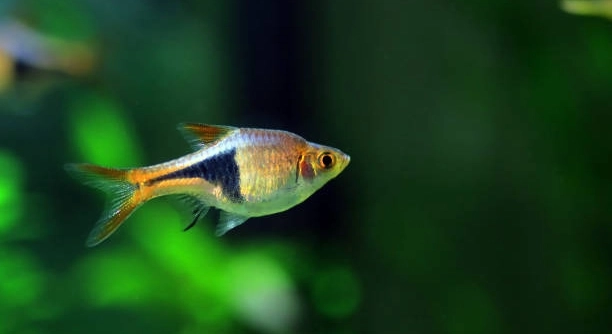
Many aquarists notice their rasboras often gather near the filter, moving in tight schools around the current. This behavior can seem puzzling, especially when the rest of the tank appears calm and undisturbed.
Rasboras may swim near the filter for several practical reasons, including seeking oxygen-rich water, following currents, feeling secure, avoiding stressors, or responding to feeding patterns. Environmental conditions and tank setup also play a significant role in this behavior.
Understanding why rasboras favor this area can help improve their environment and overall health in your aquarium. Observing these behaviors provides valuable insight into their daily needs.
Increased Oxygen Levels Near the Filter
Rasboras are small, active fish that need well-oxygenated water to thrive. The filter creates constant water movement, which helps increase oxygen levels around it. Many rasboras instinctively gather near this area because they can breathe more easily there. This behavior is especially noticeable in tanks with limited surface agitation or when the water temperature rises. Observing your fish near the filter may indicate that they are simply finding the most comfortable area for breathing. Over time, this habit becomes routine, and they will often return to the same spot each day. Ensuring your tank has proper aeration and circulation can help balance oxygen levels throughout, so your rasboras don’t feel the need to cluster solely around the filter. It’s a natural behavior that reflects their instinctive response to their environment rather than a sign of distress.
Oxygen-rich areas created by the filter naturally attract rasboras, supporting their health and activity levels in the tank.
Maintaining proper filtration and circulation is crucial for all tank inhabitants. By keeping oxygen evenly distributed, you can prevent overcrowding near the filter and encourage natural swimming patterns. Adding surface agitation, adjusting the filter output, or incorporating air stones can help disperse oxygen more effectively. When rasboras have consistent access to oxygen throughout the tank, they spend less time near one spot and explore more freely. This balance also reduces stress and promotes better feeding habits, growth, and overall vitality. Regular observation allows you to notice changes in their behavior and respond to environmental shifts promptly, creating a healthier, more stable aquarium for all fish.
Following Currents and Play
Rasboras often swim near the filter to enjoy the gentle currents it creates. Their natural instinct encourages movement with flowing water, which simulates conditions in rivers and streams.
The filter’s flow gives rasboras a form of stimulation that keeps them active and engaged. Swimming against or alongside currents encourages exercise, helping maintain muscle tone and overall health. It also satisfies their instinctive need to explore moving water, reducing boredom. Without this natural movement, rasboras may become lethargic or show signs of stress. Positioning decorations, plants, and open swimming areas near moderate currents allows them to benefit from this stimulation without overwhelming them. Observing them using the filter’s flow provides insight into their preferred swimming behavior, helping you design a tank that meets both their physical and mental needs. By managing flow intensity, you can ensure their activity is safe and enjoyable, keeping your aquarium balanced and lively.
Seeking Safety and Security
Rasboras often stay near the filter because it provides a sense of safety. The consistent water movement and slightly covered areas around the filter make them feel protected from potential threats.
This behavior is instinctive. In the wild, small fish use areas with flowing water or obstacles to hide from predators. Even in a tank without threats, rasboras retain this natural tendency. The filter creates small currents and pockets that mimic these safe zones. They feel sheltered when swimming close to it, especially if other parts of the tank are open or exposed. Over time, they may repeatedly return to the same area, showing that their comfort is linked to both the water flow and perceived protection.
Some rasboras may even group more tightly near the filter during perceived disturbances. This clustering reinforces a sense of security, allowing them to remain calm and active. Providing plants or decorations around other areas can help them feel safe elsewhere and reduce over-reliance on the filter zone.
Feeding Behavior Influence
Rasboras often associate the filter area with food particles floating in the current. Uneaten flakes or small debris pass through the filter, drawing them toward it.
In many tanks, food that sinks or breaks apart ends up near the filter’s intake or output. Rasboras are quick to detect this movement and follow it instinctively. This behavior encourages them to swim closer to the filter during feeding times. Over time, they learn that the filter area is a reliable source of stray food. Their schooling nature makes this behavior more noticeable, as groups of fish gather to take advantage of the moving particles. Observing this pattern can help you adjust feeding amounts and locations to ensure all fish receive proper nutrition.
Rasboras’ feeding habits show a strong link between instinct and environment. By monitoring how much food reaches the filter, you can balance their diet and reduce waste. Creating multiple feeding spots and using floating or slow-sinking food can distribute nutrition more evenly, preventing overconcentration near the filter. Managing this behavior not only supports health but also encourages more natural swimming patterns throughout the tank.
Water Temperature Preference
Rasboras may swim near the filter because the water around it tends to be slightly cooler and more oxygenated. This area provides a comfortable microclimate, especially in warmer tanks.
Even minor differences in temperature can attract small fish. The movement from the filter mixes water, preventing stagnant spots and helping rasboras maintain comfort.
Stress Reduction
Filters create gentle currents that can help reduce stress in rasboras. Swimming in moving water allows them to feel more in control of their environment. This behavior helps them remain calmer and more active throughout the day.
Social Interaction
Rasboras are schooling fish, and the filter area often becomes a gathering spot. Being close to each other in a shared flow strengthens social bonds and provides a sense of safety.
Exploring Hidden Food
Small food particles often collect near the filter intake. Rasboras instinctively explore this area to find overlooked flakes or tiny bits of food, taking advantage of the constant flow.
FAQ
Why do rasboras gather near the filter more than other areas?
Rasboras are attracted to the filter because it offers oxygen-rich water and gentle currents. Small fish naturally seek areas that help them breathe easily and feel safe. The consistent movement around the filter mimics conditions they would encounter in streams and rivers, providing comfort and security.
Is it harmful if my rasboras spend most of their time near the filter?
Not necessarily. Spending time near the filter is usually a natural behavior and does not indicate illness. However, if they avoid the rest of the tank completely or show signs of stress, it may indicate poor water quality, temperature imbalance, or insufficient hiding spots. Monitoring the tank and maintaining stable conditions ensures their health.
Can adjusting the filter reduce this clustering behavior?
Yes. Reducing strong currents or repositioning the filter can help distribute water flow more evenly. Adding plants, rocks, or decorations in other areas encourages rasboras to explore the tank rather than staying near one spot. This also helps balance oxygen levels and provides alternative safe zones for swimming.
Do rasboras swim near the filter because of feeding habits?
Often, yes. Food particles can be carried by the current created by the filter, drawing rasboras toward it. Over time, they learn that this area may contain stray flakes or debris, making it a reliable spot to feed. Adjusting feeding techniques can help distribute food more evenly throughout the tank.
Is the behavior related to stress or fear?
Sometimes. Rasboras instinctively seek areas that provide a sense of safety. The filter area offers consistent water movement and partial cover, which mimics the sheltered spaces they would use in the wild. This reduces stress and helps them feel secure. Ensuring plenty of plants or hiding spots elsewhere can reduce over-reliance on the filter.
How do tank conditions affect their filter preference?
Water temperature, oxygen levels, and current all influence where rasboras spend their time. Warm, stagnant water or low oxygen can push them toward the filter. Proper circulation, temperature regulation, and aeration throughout the tank help balance their activity and encourage natural swimming patterns.
Should I be concerned about overcrowding near the filter?
Overcrowding is generally not harmful unless it causes stress or restricts movement. Rasboras naturally school together, so clustering is normal. Ensuring enough space, plants, and decorations in other areas encourages them to spread out and explore, reducing potential stress.
Can introducing more plants or decorations change this behavior?
Yes. Adding plants or ornaments creates alternative zones that feel safe and inviting. This encourages rasboras to explore and reduces their dependence on the filter area. Floating plants or taller decorations also help break up water flow, giving them more comfortable swimming areas.
Does the type of filter matter?
Different filters create varying current strengths and water movement patterns. Some rasboras prefer gentle flow, while strong currents may push them away. Observing their behavior and adjusting filter output can help create a more balanced tank environment that meets their comfort needs.
Will this behavior change as the tank matures?
Often, yes. As plants grow, the tank environment stabilizes, and oxygen levels balance, rasboras may spread out more evenly. Early clustering near the filter is normal, but a mature, well-planted tank encourages them to swim freely throughout the aquarium, reducing constant proximity to the filter.
How can I ensure my rasboras are healthy while swimming near the filter?
Regular water testing, proper filtration, stable temperature, and balanced feeding are essential. Observing their behavior daily helps identify any stress or health issues early. When conditions are stable and food is sufficient, rasboras will remain active, vibrant, and healthy, even while spending time near the filter.
Are some rasboras more likely to stay near the filter than others?
Yes. Individual temperament and size can influence this behavior. Younger or smaller fish may prefer the safety and oxygen near the filter, while larger, more confident individuals explore more of the tank. Understanding each fish’s habits helps in maintaining a harmonious and healthy aquarium.
Can overcrowding or too many fish affect filter behavior?
Overstocking can increase competition for oxygen and space, making the filter area even more attractive. Proper stocking levels and monitoring water parameters are crucial to prevent stress, ensure comfort, and promote healthy swimming patterns for all tank inhabitants.
Does water clarity influence filter preference?
Clear water allows rasboras to see more of their environment, making them more likely to explore. In cloudy or murky water, they may stay closer to the filter for orientation and security. Maintaining good water quality helps balance their activity throughout the tank.
Can adjusting tank lighting help distribute their activity?
Yes. Lighting affects fish behavior and comfort. Bright, intense light may drive them toward shaded or sheltered areas near the filter. Adjusting light intensity or providing shaded spots encourages more even distribution and natural swimming throughout the tank.
What signs indicate the behavior is a problem?
If rasboras are lethargic, hiding excessively, losing appetite, or showing unusual marks or color changes, the behavior may indicate stress or poor water quality. Immediate water testing, adjustments to temperature, oxygen, or filtration, and providing additional hiding spaces can help address these issues.
How do I balance filtration and fish comfort?
Moderate water flow, strategic placement of plants, and gentle aeration allow rasboras to benefit from filtration without feeling forced to remain in one spot. Observing their swimming patterns and adjusting equipment accordingly ensures both comfort and a healthy environment.
Can other fish influence rasboras’ filter preference?
Yes. Tankmates that are aggressive or territorial may push rasboras toward the filter for safety. Providing sufficient space, hiding areas, and compatible companions helps distribute all fish evenly, reducing clustering and stress near the filter.
Is constant filter monitoring necessary for rasboras?
Regular observation is helpful but not excessive. Checking water parameters, flow, and fish activity a few times a week ensures the tank remains balanced. Rasboras naturally gravitate toward optimal conditions, so maintaining a stable environment minimizes issues while allowing them to behave naturally.
Rasboras are naturally drawn to the areas around the filter, and this behavior is often perfectly normal. Their small size and schooling nature make them sensitive to changes in water movement, oxygen levels, and perceived safety. The filter creates an environment that meets many of their instinctive needs, such as consistent currents, better oxygenation, and areas that feel sheltered. Observing your fish spending time in this area does not automatically indicate a problem. Many aquarists notice the same pattern, as it reflects the fish responding to environmental conditions rather than showing signs of illness or discomfort. Understanding that this behavior is part of their natural tendencies helps reduce unnecessary worry and allows for a more informed approach to maintaining a healthy aquarium.
Maintaining balanced tank conditions can help ensure that your rasboras are comfortable both near the filter and throughout the rest of the tank. Consistent water quality, temperature, and circulation are key factors in promoting healthy behavior. Providing plants, decorations, or other areas of interest encourages them to explore, giving them more freedom and reducing over-reliance on a single spot. Feeding practices also play a role, as stray particles may attract them to the filter. By adjusting food distribution and offering multiple feeding zones, you can create a more evenly active tank environment. Regular observation and monitoring of their behavior over time allows you to notice any changes that might signal stress or health concerns, giving you the opportunity to respond before problems arise.
Ultimately, the time rasboras spend near the filter is often a combination of instinct, comfort, and environmental factors. Rather than trying to force them away from this area, it is more effective to create a balanced environment that meets their needs throughout the tank. Gentle currents, adequate oxygen, and sufficient hiding spots help promote natural swimming patterns and reduce clustering. Recognizing that their behavior reflects normal instincts rather than a flaw in the tank setup allows for more thoughtful care. With consistent maintenance, thoughtful placement of decorations and plants, and attention to feeding habits, your rasboras can remain active, healthy, and comfortable. Observing their natural tendencies provides insight into how to make small adjustments that improve the overall health and harmony of your aquarium.

Hello,
If you enjoy the content that we create, please consider saying a "Thank You!" by leaving a tip.
Every little bit helps us continue crafting quality advice that supports the health, happiness, and well-being of pets around the world, for pets of all shapes, sizes, and species.
We really appreciate the kindness and support that you show us!