
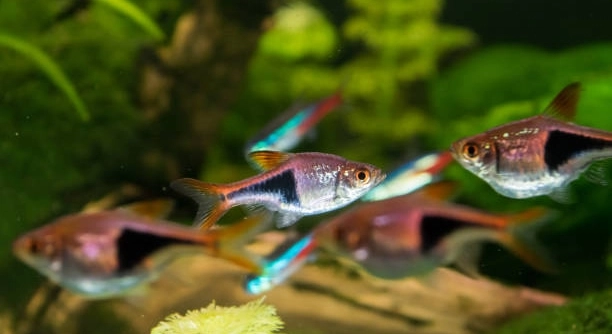
Many aquarists enjoy watching rasboras glide gracefully in their tanks. These small, peaceful fish add life and color to any aquarium. Their activity can be charming during the day, but behavior often changes after lights go off.
When the lights go off, rasboras typically rest and reduce activity. They may hover near plants or mid-water, conserving energy while remaining alert to their surroundings. This nighttime behavior is natural and part of their daily cycle.
Understanding their nighttime habits can help you create a comfortable environment. Proper lighting and tank setup ensure your rasboras stay healthy and stress-free around the clock.
How Rasboras Adjust to Darkness
At night, rasboras change their activity to match the dim environment. They often swim slower and stay closer to plants or decorations. This behavior helps them feel secure and reduces stress. In natural habitats, darkness signals resting time, so their instincts guide them to lower activity. Observing a tank during lights-off can be peaceful, as they seem to hover quietly or gently move in small groups. Some rasboras may hide more than others, depending on their personality and tank setup. Lighting schedules affect how well they adapt. Sudden changes can startle them, making gradual adjustments ideal. Nighttime feeding should also be limited, since they eat less in the dark. Maintaining a stable environment with familiar hiding spots ensures their comfort. Over time, they become accustomed to a predictable rhythm. Watching them at night can reveal small behaviors you may not notice during the day. Their calm nighttime patterns reflect their natural instincts and overall well-being.
Rasboras rely on dim lighting and consistent schedules to feel secure and maintain healthy rest patterns.
Providing a tank with gentle lighting, plants, and quiet areas helps rasboras stay relaxed overnight. Observing their behavior at night can reveal preferences in hiding spots, swimming areas, and social interactions. Small adjustments can improve their comfort and reduce stress.
Nighttime Feeding and Behavior
Rasboras eat less during the night and rely on daytime feeding for energy.
Even though their activity slows, rasboras still maintain some awareness of their surroundings. This alertness helps them detect any sudden changes or potential threats. Some may hover near plants, while others explore the tank quietly. Their natural instincts lead them to conserve energy while staying prepared. Nighttime behavior is shaped by both the tank environment and the species’ habits. Fish that feel safe will display calm movement, while stressed individuals might dart or hide excessively. Observing these patterns allows aquarists to adjust lighting, decorations, or groupings for better comfort. Consistent feeding schedules, suitable tank mates, and structured lighting help rasboras develop healthy routines. Over time, these measures reduce stress and encourage natural behaviors. Proper care ensures rasboras remain active during the day while resting properly at night. Awareness of their patterns strengthens the bond between owner and fish and promotes long-term health and balance within the aquarium ecosystem.
Creating a Comfortable Nighttime Environment
Rasboras need safe spaces to feel secure when lights go off. Plants, rocks, and gentle hiding spots reduce stress and mimic natural conditions, helping them rest and maintain normal behavior.
Providing a variety of plants and decorations creates a more natural setting for your rasboras. Floating plants can diffuse light and give them cover, while mid-level plants allow them to hover and swim comfortably. Smooth rocks and small caves offer additional hiding areas, which are important for shy individuals. Avoid overcrowding the tank, as too many decorations or fish can increase stress levels. Observing their nighttime behavior helps identify which areas they prefer. Adjusting the arrangement gradually ensures they adapt without sudden disruptions. A calm environment at night supports proper rest and overall health, making daytime activity more vibrant and natural.
Lighting should be subtle and consistent. Avoid sudden bright lights at night, as it can startle the fish. Gentle ambient light from a moonlight feature or dimmed aquarium light allows rasboras to maintain their natural rhythm. Regular monitoring ensures they are comfortable and not stressed.
Common Nighttime Behaviors
Rasboras often swim in small groups or hover near hiding spots, conserving energy while staying alert for any changes.
During the night, some rasboras may explore cautiously, moving slowly among plants and decorations. Others remain stationary, blending into their environment for safety. This combination of activity and rest reflects their natural instincts. Schooling species stay closer together for security, while more independent individuals may find quiet corners. Recognizing these patterns helps aquarists understand their fish’s comfort levels. Stress signs include rapid darting or constant hiding, often caused by poor lighting, overcrowding, or sudden disturbances. Adjusting the tank setup, adding more plants, or reducing nighttime noise can improve their comfort. Observing and respecting these behaviors allows rasboras to maintain healthy routines, ensuring they remain active during the day and restful at night. Proper nighttime conditions support overall well-being, encourage natural behavior, and reduce risks of stress-related illnesses in aquarium fish.
Adjusting Lighting for Comfort
Rasboras respond well to gradual changes in lighting. Slowly dimming the tank lights at night mimics natural dusk, helping them transition smoothly from active swimming to resting calmly.
Using a consistent lighting schedule supports their internal rhythm. Too much sudden light can stress them, while gentle, even illumination encourages comfort and predictable behavior.
Observing Social Interactions
At night, rasboras maintain social connections within their groups. Schooling behavior continues even in dim conditions, with fish staying close to one another for security. These interactions help reduce stress and maintain a sense of safety. Observing their movement patterns shows which fish are leaders or more timid. Some may hover near the same hiding spots each night, indicating preferred areas. Changes in behavior, such as isolation or unusual hiding, can signal stress or health issues. Providing enough space and hiding areas ensures all fish can interact safely without feeling threatened. Social bonds remain important, even during low activity periods. Recognizing these behaviors allows for adjustments that promote healthy interactions and a balanced tank environment.
Nighttime Movement Patterns
Rasboras often swim slowly or hover near plants, conserving energy while remaining alert to surroundings.
FAQ
Why do my rasboras hide when the lights go off?
Rasboras are naturally cautious fish. Hiding during darkness is instinctive, helping them feel safe from potential threats. Providing plants, rocks, and caves gives them places to rest comfortably. Some fish are naturally more shy, so individual behavior can vary within the same tank.
Do rasboras eat at night?
Rasboras mostly feed during the day when lights are on. At night, their metabolism slows, and they rely on stored energy. Occasional nighttime nibbling can happen, but regular feeding should be scheduled during daylight hours to meet their nutritional needs.
Is it normal for rasboras to hover in one spot at night?
Yes, hovering is a common behavior. Rasboras conserve energy while staying alert to surroundings. They may remain in one area near plants or decorations, using cover to feel secure. This is part of their natural resting routine.
Can sudden lights at night stress rasboras?
Yes, sudden bright lights can startle them. Gradual dimming or a moonlight feature is better for nighttime comfort. Consistency in lighting schedules helps reduce stress and maintains healthy circadian rhythms.
Do rasboras sleep like humans?
Rasboras do not sleep in the same way humans do. They enter periods of rest with reduced movement and alertness. These quiet periods allow them to conserve energy while staying aware of their environment.
Should I provide hiding spots for all rasboras?
Yes, every fish benefits from secure areas. Shy or smaller individuals may need more cover. A variety of plants, rocks, and caves ensures all fish have places to retreat and rest without feeling threatened.
How can I tell if my rasboras are stressed at night?
Stress signs include darting, excessive hiding, or clinging to one spot for too long. Poor lighting, overcrowding, or sudden disturbances are common causes. Adjusting the tank environment and ensuring enough space and hiding areas reduces nighttime stress.
Do rasboras interact with each other at night?
Even in darkness, schooling species maintain social bonds. They often swim together slowly or hover near each other. Observing these patterns shows hierarchy, preferred hiding spots, and the level of comfort within the group.
Is it okay to leave the tank completely dark?
Yes, complete darkness for part of the night mimics natural conditions. However, a small ambient or moonlight glow can help observe behavior without stressing the fish. Consistency in darkness and light cycles supports healthy routines.
Can nighttime activity predict health problems?
Abnormal nighttime behavior can indicate issues. Isolation, frantic swimming, or constant hiding may signal stress, illness, or poor tank conditions. Regular observation and adjustments to lighting, tank setup, or feeding help maintain health.
Do different rasbora species behave differently at night?
Yes, species traits influence nighttime behavior. Some are more active in low light, while others prefer hiding. Understanding your specific rasbora type allows for better tank setup and care practices tailored to their habits.
Should I feed rasboras before turning off the lights?
Feeding right before lights out is not necessary. Daytime feeding covers their nutritional needs, and nighttime feeding may lead to uneaten food and water quality issues. Focus on consistent daytime feeding routines instead.
Do rasboras need a night light?
Night lights are optional. A dim glow can help monitor fish without disturbing them, but total darkness is natural and beneficial. Avoid bright lights at night to prevent stress and ensure proper rest patterns.
How long do rasboras rest at night?
Rasboras rest throughout the dark period, usually 8–12 hours depending on lighting schedules. They alternate between still hovering and slow swimming, conserving energy while remaining alert. Consistent light cycles help maintain these natural patterns effectively.
Can changing tank decorations affect nighttime behavior?
Yes, rearranging plants or hiding spots can confuse or stress rasboras. Gradual changes are best. Observing their adaptation helps ensure they remain comfortable and continue their natural nighttime routines without disruption.
This FAQ covers the most common concerns about rasboras’ nighttime behavior, helping maintain healthy, stress-free fish. Consistent care, proper lighting, and secure hiding spots are key for peaceful nights in the aquarium.
Rasboras are small, peaceful fish that can bring life and movement to any aquarium. Their behavior changes noticeably when the lights go off, reflecting natural instincts rather than problems. At night, they slow down, hover near plants, or find hiding spots where they feel secure. This resting period is essential for their health, as it allows them to conserve energy and stay alert to their environment without unnecessary stress. Observing their nighttime behavior gives insight into their preferences and overall comfort in the tank. Some fish may be more active at night, while others prefer to remain still, depending on personality and species traits. Recognizing these patterns helps aquarists create an environment that meets the needs of all fish, making the tank a calmer and more balanced place.
Providing the right setup is important for rasboras’ nighttime comfort. Plants, rocks, and other decorations act as natural shelters, giving fish places to rest without feeling exposed. Floating plants can diffuse light, while mid-level plants offer spots for hovering. Small caves or smooth rocks give shy individuals extra security. Lighting should be gradual and consistent, mimicking natural dusk and nighttime conditions. Sudden bright lights can stress fish, while gentle ambient lighting or a moonlight feature allows them to maintain natural rhythms without interruption. Overcrowding the tank can lead to stress, especially at night when fish are less active but still aware of their surroundings. Observing which areas they prefer can guide adjustments to the tank, ensuring that each fish has access to a comfortable spot. These small considerations make a big difference in maintaining healthy, happy rasboras.
Nighttime behavior also provides clues about social dynamics and health. Schooling species often remain close together, while more independent individuals find quiet corners. Watching how they interact, hover, or explore at night reveals comfort levels and helps identify any stress or health concerns early. Irregular movement, excessive hiding, or frantic swimming can indicate problems with lighting, tank setup, or water quality. By maintaining a consistent schedule for light, feeding, and environmental conditions, rasboras develop predictable routines that support both daytime activity and restful nights. Paying attention to these details ensures a thriving aquarium where fish can express natural behaviors safely. Overall, understanding their nighttime habits strengthens the connection between aquarist and fish, supporting long-term health and balance in the tank.

Hello,
If you enjoy the content that we create, please consider saying a "Thank You!" by leaving a tip.
Every little bit helps us continue crafting quality advice that supports the health, happiness, and well-being of pets around the world, for pets of all shapes, sizes, and species.
We really appreciate the kindness and support that you show us!