
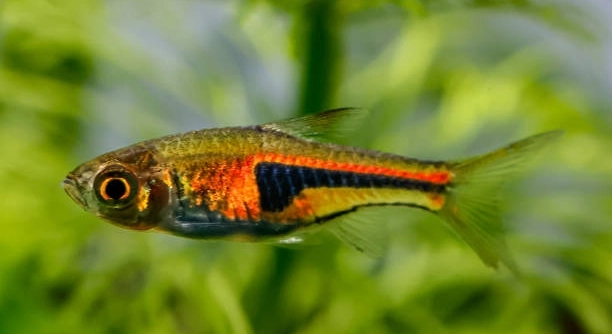
Many aquarium enthusiasts enjoy keeping Rasboras for their lively swimming and peaceful nature. These small fish bring energy and charm, but maintaining their smooth flow in a tank can sometimes be trickier than expected.
Several common tank items can disrupt Rasbora flow, including large decorations, strong filters, improper plants, sharp gravel, excessive rocks, oversized ornaments, and dense driftwood. Each of these can alter water currents, limit swimming space, and create stressful conditions for the fish.
Knowing which items affect their movement helps create a harmonious tank. The following guide highlights these factors for healthier, more active Rasboras.
Large Decorations
Large decorations like oversized castles, ceramic caves, or plastic shipwrecks can take up significant swimming space for Rasboras. These fish thrive in open water where they can glide in groups. When decorations occupy too much space, Rasboras often feel restricted and hesitant to swim freely. Large items also change how water flows in the tank, creating areas where currents are stronger or weaker. This uneven flow can stress fish, making them swim irregularly or hide more than usual. Some decorations may even have sharp edges, increasing the risk of injury. Placement is important; items should provide interest and shelter without overwhelming the tank. Using a few medium-sized items rather than one large structure helps maintain both aesthetics and fish comfort. Observing how Rasboras move around these items can guide adjustments. A tank that balances decorative elements with open swimming areas supports natural behavior and reduces stress.
Large decorations can easily block open water, forcing Rasboras into smaller paths. This affects their swimming patterns and social interactions.
By spacing decorations strategically, you maintain enough room for schooling and allow currents to flow naturally. Monitoring fish behavior helps determine if adjustments are needed. Open zones alongside decorative areas encourage more active and healthy movement, ensuring Rasboras enjoy their environment fully.
Strong Filters
Strong filters can create currents that are too fast for Rasboras, making swimming difficult. These fish prefer gentle, steady water flow. Placing a high-power filter directly in their main swimming area can lead to exhaustion and stress.
Filters are necessary for water quality, but their placement and strength must suit the tank’s inhabitants.
Adjusting filter output or using flow deflectors allows Rasboras to swim comfortably while still benefiting from clean water. Observing how fish respond to different flow speeds ensures that currents support their natural movement. A properly chosen filter creates a balance between water cleanliness and fish comfort. Sometimes, redirecting the flow along tank walls or toward plants reduces turbulence. Pairing moderate flow with open swimming areas and hiding spots encourages healthier, more natural activity. This approach allows Rasboras to navigate freely, maintain schooling behavior, and reduce stress-related behaviors. Regular observation ensures the setup continues to meet the needs of both the fish and the tank ecosystem.
Improper Plants
Dense or tall plants can block swimming paths for Rasboras. They prefer some cover but need open areas to move freely.
Overcrowding a tank with thick plants can disrupt natural schooling behavior. Rasboras may swim in tight circles or avoid certain areas, reducing their activity. Floating plants can also limit light, affecting both plant health and fish visibility. Choosing moderate-height plants and spacing them evenly maintains open zones while still providing shelter. Trimming plants regularly prevents overgrowth and ensures water flow is not overly restricted. Proper placement allows Rasboras to navigate comfortably, balance hiding spots with open swimming lanes, and maintain their natural patterns. Observing their behavior around plants helps adjust density and arrangement for optimal comfort.
By balancing plant coverage and open space, Rasboras remain active and stress-free. This setup encourages healthy movement and keeps the tank visually appealing.
Sharp Gravel
Sharp or coarse gravel can make Rasboras cautious while swimming near the bottom. Smooth substrate is safer and allows normal exploration.
Rough gravel can injure delicate fins or cause scratches if Rasboras brush against it. They may avoid areas with jagged edges, limiting their movement and altering flow patterns. Rounded gravel or sand ensures fish can glide naturally and interact with the substrate without harm. It also reduces debris accumulation in hard-to-clean corners, keeping the tank cleaner overall. Observing how Rasboras interact with different substrates helps determine which type promotes safer, more active swimming behavior. Providing a smooth, even bottom encourages exploration, minimizes injuries, and enhances comfort in the tank. Proper substrate choice supports schooling behavior and overall health.
Excessive Rocks
Too many rocks can block open swimming areas for Rasboras. They need space to move in schools without obstacles.
Stacked rocks can also create uneven water flow and hide spots that stress the fish. Limiting rock quantity ensures better circulation and safer swimming paths.
Oversized Ornaments
Large ornaments take up swimming space and can create strong currents around them. Rasboras may avoid these areas or become stressed when navigating tight spaces.
Dense Driftwood
Driftwood that is too thick or widespread reduces open water for Rasboras to swim. Strategic placement is important to maintain natural flow and fish comfort.
FAQ
How do I know if my Rasboras are stressed by tank items?
Rasboras show stress through erratic swimming, hiding excessively, or refusing to school. They may also lose color or appear lethargic. Observing their daily behavior helps identify if decorations, plants, or strong currents are causing discomfort.
Can I use large decorations if I still want Rasboras to swim freely?
Yes, but placement and size matter. Keep large decorations to the edges or corners and maintain open swimming lanes. Avoid crowding the tank, and choose items with smooth edges to prevent injuries. Space allows natural schooling behavior to continue.
Are strong filters always bad for Rasboras?
Not always. Filters are necessary for clean water, but the flow should be gentle. Using flow deflectors or adjusting the filter output helps maintain water quality without stressing fish. Observing their reaction to different speeds ensures comfort.
What type of plants are best for Rasbora tanks?
Moderate-height plants that provide some cover without overcrowding the tank work best. Floating plants can give shade, but dense growth should be avoided. Regular trimming keeps plants from blocking open swimming areas or altering water currents too much.
How should gravel be chosen for Rasboras?
Smooth, rounded gravel or sand is ideal. Sharp or coarse gravel can injure fins and make fish avoid certain areas. Proper substrate also aids in water circulation and keeps debris manageable, supporting a cleaner and safer tank environment.
Is driftwood necessary in a Rasbora tank?
Driftwood isn’t required but can enhance the tank aesthetically and provide hiding spots. Choose pieces that don’t block swimming lanes or create strong currents. Proper placement maintains natural flow while offering shelter.
Do Rasboras prefer open water or hiding spots?
Rasboras enjoy a mix. They need open water for schooling and exercise, but scattered hiding spots reduce stress and offer protection. A balanced tank with plants, rocks, and small ornaments allows them to feel secure while swimming freely.
How can I reduce stress caused by multiple tank items?
Rearranging items to create open swimming areas, adjusting filter flow, and removing excessive rocks or tall plants helps. Observing Rasboras and making small changes gradually ensures they adapt comfortably without abrupt environmental shifts.
Can tank layout affect Rasbora schooling?
Yes, cramped spaces or strong currents can break schools and reduce coordination. Open lanes and evenly spaced decor allow synchronized swimming and maintain natural social behavior.
How often should I monitor tank items affecting flow?
Regular observation, at least a few times a week, helps spot issues early. Fish behavior, plant growth, and substrate changes can all affect swimming. Adjusting decorations or equipment as needed keeps Rasboras active and healthy.
Are there alternatives to large ornaments and rocks?
Yes, smaller items or thin wood pieces can provide interest without blocking movement. Floating plants or small clusters of medium plants give shelter while preserving open areas, balancing aesthetics and fish comfort effectively.
What’s the simplest way to maintain flow without stressing Rasboras?
Create open swimming lanes, use gentle filter currents, and avoid overcrowding the tank. Space and smooth surfaces ensure fish can move naturally, maintain schooling, and reduce the risk of injury or stress from restricted paths.
Can Rasboras adapt to high-flow areas?
Some may adjust slowly, but prolonged exposure can cause fatigue or stress. Redirecting currents with plants, decorations, or flow deflectors is more effective in maintaining healthy activity levels.
How do I know when a decoration is too big?
If Rasboras can’t swim in a straight line or avoid certain sections entirely, the item is likely too large. Aim for a tank setup that balances visual appeal and open swimming space, giving fish freedom to explore safely.
Do floating plants interfere with Rasbora movement?
Excessive floating plants can shade the tank and restrict light, affecting visibility and movement. A few well-spaced floating plants provide cover without significantly blocking swimming lanes.
Is it better to remove or rearrange items causing stress?
Rearranging is often sufficient if it opens swimming space and reduces strong currents. Removal may be necessary for oversized or sharp items. Gradual adjustments minimize sudden environmental changes that could further stress fish.
How important is observing Rasboras in their daily routine?
Observation is crucial. It helps detect stress, unusual behavior, or swimming difficulties caused by tank items. Adjusting the environment based on behavior ensures the tank remains safe, comfortable, and supportive of natural schooling patterns.
Can Rasboras live comfortably in a heavily decorated tank?
They can if space for open swimming is preserved and decorations don’t create strong currents. Prioritizing swimming lanes and using moderate-sized decor ensures Rasboras stay active, healthy, and stress-free while enjoying visual interest.
What are the most common mistakes that disrupt Rasbora flow?
Overcrowding with large decorations, using sharp substrate, strong filters, dense plants, or excessive driftwood are key factors. Regular assessment and thoughtful placement prevent restricted movement and maintain a balanced tank environment.
How do I test if the tank setup is working for Rasboras?
Observe schooling behavior, swimming patterns, and general activity. Healthy Rasboras swim smoothly in groups, explore open areas, and use shelter without hesitation. Adjust items gradually if fish appear stressed, lethargic, or avoid certain sections.
Can rearranging the tank improve Rasbora movement?
Yes, shifting decorations, spreading out plants, and creating open lanes allows better water flow and schooling behavior. Gradual changes maintain comfort while enhancing activity, making the tank safer and more enjoyable for Rasboras.
How long does it take for Rasboras to adjust to changes in their tank?
Adjustment varies but usually takes a few days to a week. Observing reactions during this period helps ensure they adapt comfortably. Minor changes are less stressful than major overhauls, supporting healthier swimming and natural behaviors.
Are small, scattered decorations better than one large centerpiece?
Yes, smaller items provide interest without blocking space. They maintain open lanes, encourage schooling, and reduce stress while still giving visual appeal and occasional hiding spots for Rasboras.
How can I balance aesthetics and Rasbora comfort?
Use moderate decorations, smooth substrate, moderate plants, and gentle filter flow. Open swimming areas with scattered interest points maintain natural behavior while keeping the tank visually pleasing. Observation ensures both fish comfort and appealing layout.
Do Rasboras prefer natural or artificial tank items?
They adapt to both, but natural items like driftwood, rounded rocks, and live plants often provide better hiding spots, smoother surfaces, and more gentle water flow, promoting healthier swimming patterns and reducing stress.
Is it necessary to adjust tank items seasonally?
Not always, but plant growth or substrate shifts may require adjustments. Regular maintenance ensures open lanes and balanced flow, supporting Rasboras’ consistent activity and schooling behavior year-round.
What should I do if Rasboras avoid certain areas?
Check for strong currents, overcrowding, or sharp surfaces. Rearranging items, trimming plants, or reducing excessive decorations usually restores open swimming areas and encourages exploration, helping Rasboras feel safe and active.
How can I prevent future disruptions to Rasbora flow?
Plan tank layout with open lanes, moderate decorations, smooth substrate, and gentle filter flow. Regular monitoring and small adjustments maintain natural swimming patterns and reduce stress, ensuring Rasboras remain healthy and active.
Can Rasboras adapt to new tank items quickly?
Some may adapt within days, but sudden large additions or strong currents can cause stress. Gradual introduction and proper placement support faster adaptation and maintain schooling behavior.
Are there signs that tank flow is perfect for Rasboras?
Yes, active schooling, smooth swimming, exploration of open areas, and occasional use of shelter indicate balanced flow. Fish remain colorful, healthy, and stress-free, showing the tank setup meets their needs.
Do water parameters affect how Rasboras respond to tank items?
Yes, temperature, pH, and cleanliness influence comfort. Even with ideal item placement, poor water quality can stress fish. Proper flow combined with stable parameters ensures active, healthy Rasboras.
How often should I reevaluate the tank layout?
Monthly checks or after adding new decorations, plants, or equipment help maintain flow. Observing fish behavior guides adjustments, ensuring Rasboras continue swimming freely and safely.
Can adding more Rasboras help with flow issues?
Adding fish does not fix flow problems. Overcrowding worsens restricted movement and stress. Proper space, decoration placement, and gentle flow are more effective solutions for maintaining healthy schooling behavior.
What’s the best way to test different tank setups?
Introduce one change at a time and observe behavior for several days. Adjust placement, filter flow, or plant density gradually. This method ensures Rasboras remain comfortable and avoids sudden stress from multiple simultaneous changes.
Do Rasboras react differently to artificial vs live plants?
Yes, live plants may provide better cover and reduce stress, while artificial plants can be less flexible and sometimes block swimming paths if overcrowded. Proper spacing ensures either type supports open movement.
Is schooling behavior affected by tank layout?
Strongly. Cramped spaces or blocked lanes break schools, while open areas and gentle flow maintain synchronized swimming. Thoughtful layout ensures natural social behavior and reduces stress.
How can I keep a balanced tank while adding decor?
Choose moderate-sized items, smooth substrate, and spaced plants. Maintain open swimming areas and gentle filter flow. Observing Rasboras ensures additions enhance the tank without disrupting comfort or schooling behavior.
What are simple adjustments to improve flow immediately?
Move large items to corners, trim dense plants, reduce excessive rocks, and redirect filter currents. These small changes quickly restore open lanes and smoother water movement, improving Rasbora activity.
How do I know if Rasboras are exploring the tank fully?
Active schooling across open zones, using hiding spots occasionally, and interacting with substrate indicate full exploration. Limited movement or avoidance suggests obstructions or stress from tank items.
Can rearranging driftwood improve swimming patterns?
Yes, moving driftwood to avoid blocking open lanes and reducing strong currents allows Rasboras to swim naturally. Proper placement balances shelter and movement space for healthier behavior.
Are there tank items Rasboras ignore completely?
Some heavy ornaments or decorations in tight spaces may be avoided. Observing behavior helps determine which items add visual appeal without interfering with swimming.
Does the tank size matter with decorative items?
Yes, smaller tanks need fewer or smaller items to maintain open lanes. Larger tanks allow more flexibility, but balance is key to preserving swimming space and natural schooling.
How long should I observe Rasboras after adding a new item?
At least several days to a week. Fish behavior during this time shows whether the addition affects swimming, schooling, or stress levels. Gradual changes reduce disruption.
What’s the best way to balance hiding spots and open space?
Scatter moderate plants and small decor while leaving central lanes open. This arrangement allows Rasboras to feel safe yet swim freely, supporting activity, schooling, and comfort throughout the tank.
Do Rasboras react differently to vertical vs horizontal decorations?
Vertical items can block swimming paths more than horizontal ones. Spreading vertical items along tank edges and keeping central areas clear maintains flow and allows natural schooling.
How important is lighting when considering tank flow?
Lighting affects visibility and behavior. Too dim or blocked by dense plants can limit movement. Balanced lighting ensures Rasboras see open areas and navigate safely, complementing proper flow and space.
Can filter positioning fix uneven swimming?
Yes, placing filters along tank walls or corners reduces turbulence in central swimming areas. Gentle flow ensures Rasboras can move naturally without exhaustion or stress.
Are there signs Rasboras prefer one area over another?
Frequent swimming in certain zones, avoidance of others, or clustering indicates preference. Adjusting flow, decor, or plants can balance movement and reduce stress in less-used areas.
Does substrate color affect Rasbora movement?
Light-colored, smooth substrate often encourages exploration, while dark or jagged surfaces may cause hesitation. Proper substrate supports natural swimming, schooling, and interaction with tank features.
How do I maintain flow as plants grow?
Trim overgrown plants and reposition dense clusters to preserve open lanes. Regular maintenance prevents restricted swimming and ensures Rasboras continue to school actively.
Can tank flow affect feeding behavior?
Yes, strong currents or blocked areas may prevent Rasboras from reaching food comfortably. Ensuring gentle flow and open zones encourages natural feeding patterns and reduces competition stress.
What’s the easiest way to test if all changes are effective?
Observe schooling, swimming patterns, exploration of open lanes, and overall activity. Active, confident behavior indicates adjustments are successful and Rasboras are comfortable.
Do Rasboras need open water at all times?
Yes, even with hiding spots. Open lanes are essential for exercise, schooling, and natural swimming behavior. Decor should complement rather than block these areas, maintaining healthy activity.
How do I prevent flow problems when adding new items?
Plan spacing, avoid overcrowding, and introduce items gradually. Observe fish behavior after each addition to ensure swimming lanes remain open and currents are gentle.
Can Rasboras adapt to slightly restricted areas?
They may adjust temporarily, but long-term restrictions cause stress and reduced activity. Providing consistent open swimming zones supports healthier schooling and behavior.
Is there a preferred tank layout for Rasbora flow?
Yes, a balanced arrangement of moderate plants, scattered small decorations, smooth substrate, and gentle currents ensures open lanes, natural schooling, and reduced stress, supporting long-term fish comfort and activity.
How do I choose decorations that enhance flow instead of blocking it?
Select smaller or flatter items, avoid dense clusters, and maintain central swimming lanes. Smooth surfaces and careful placement reduce turbulence and create safe, open areas for Rasboras.
Are there any maintenance routines that support flow?
Regular trimming, cleaning substrate, monitoring filter output, and periodic reassessment of decorations prevent blocked lanes, maintain gentle currents, and encourage active, natural swimming.
Can adding more fish improve movement?
Only if the tank is spacious. Overcrowding increases stress and disrupts flow. Prioritize open space and moderate school sizes for healthier movement.
Do Rasboras need a specific ratio of open to decorated space?
Yes, roughly half the tank as open lanes with the rest providing shelter usually works well. Observation and gradual adjustments help find the ideal balance.
How often should decorations be repositioned?
Only when necessary, such as after plant growth, substrate shifts, or observing restricted swimming. Frequent unnecessary changes can stress Rasboras.
What’s the most important factor for maintaining healthy Rasbora flow?
Open swimming lanes, gentle currents, smooth substrate, and moderate decorations. Regular observation ensures fish remain active, comfortable, and exhibit natural schooling behavior consistently.
How do I know when Rasboras are thriving?
Active schooling, full exploration, bright colors, and use of hiding spots without hesitation indicate a healthy environment. Proper flow and layout support these behaviors.
Can strong lighting worsen flow issues?
Indirectly, yes. If light is blocked by dense plants or decorations, fish may avoid certain areas, affecting swimming patterns. Balanced lighting complements proper tank layout.
How important is fish behavior in guiding tank setup?
Crucial. Observing reactions to currents, decorations, plants, and substrate informs adjustments. Fish behavior is the most reliable indicator of a tank’s suitability for Rasboras.
Do Rasboras prefer horizontal or vertical swimming space?
They need both, but central horizontal lanes are essential for schooling. Vertical structures should be limited to edges, keeping the main swimming areas clear.
Can Rasboras adapt to a heavily planted tank?
Yes, if open swimming areas are preserved. Dense plants must be balanced with open lanes to maintain schooling behavior and reduce stress.
What’s the best approach to introduce new decorations?
Add one item at a time, monitor behavior, and adjust placement if swimming seems restricted. Gradual changes reduce stress and allow Rasboras to adapt safely.
Are there common mistakes in Rasbora tank design?
Overcrowding with decorations, sharp substrate, strong filter currents, and blocking open lanes are frequent issues. Thoughtful layout and observation prevent these problems.
How do I ensure the tank remains comfortable long-term?
Regular maintenance, trimming plants, monitoring behavior, and gradually introducing new items keep swimming lanes clear and currents gentle, ensuring Rasboras stay active and healthy.
Can Rasboras’ schooling indicate tank flow quality?
Yes, smooth synchronized schooling shows open lanes and gentle currents. Disrupted schooling signals restricted space or uneven flow, guiding adjustments.
Is it better to prioritize aesthetics or Rasbora comfort?
Comfort comes first. Balanced aesthetics with open swimming areas, moderate decorations, and gentle currents ensures fish are active, stress-free, and visually appealing.
Do Rasboras respond to minor layout changes?
Yes, even small adjustments in decoration placement, plant density, or current direction can affect swimming and schooling behavior. Observing their response ensures positive outcomes.
How often should I clean items affecting flow?
Regular cleaning prevents algae, debris buildup, and obstruction of open lanes. Clean surfaces maintain gentle currents and safe swimming areas.
Can Rasboras thrive in tanks with minimal decor?
Absolutely. Minimal decorations provide maximum open swimming space, reduce stress, and encourage natural schooling behavior, though some shelter and interest points are still beneficial.
Do Rasboras need both shelter and open swimming at all times?
Yes, they require balance. Open lanes allow exercise and schooling, while moderate shelter reduces stress. Proper layout ensures both needs are met.
What’s the simplest way to improve Rasbora flow immediately?
Remove or reposition large or sharp items, trim dense plants, reduce strong currents, and observe swimming patterns to restore open lanes and natural schooling.
Can Rasboras adjust to different tank shapes?
Yes, but long narrow tanks require careful placement of decorations to maintain open swimming areas. Square tanks naturally provide more central lanes for schooling.
How do I maintain a balance between movement and hiding spots?
Scatter plants and small decor, leaving central areas open. This allows Rasboras to swim freely while providing occasional shelter for comfort and security.
Are there indicators Rasboras are avoiding parts of the tank?
Clustering, hiding, or avoiding certain zones indicates discomfort. Check for strong currents, blocked lanes, or sharp surfaces and adjust accordingly.
Can tank flow affect breeding behavior?
Yes, Rasboras prefer calm, open areas for courtship and egg-laying. Strong currents or crowded spaces can hinder natural reproductive behavior.
What’s the key takeaway for Rasbora tank setup?
Balanced layout, moderate decorations, smooth substrate, gentle currents, and regular observation ensure active, healthy, and stress-free schooling behavior in Rasboras.
**How do I test
Maintaining a tank for Rasboras requires careful thought about how each item affects their swimming and comfort. While decorations, plants, driftwood, and ornaments can make a tank visually appealing, they also influence water flow and space. Large or sharp items can block paths, strong currents can tire fish, and dense plant growth can limit natural movement. Observing how Rasboras interact with these items is essential. Their behavior, including schooling patterns, exploration, and use of hiding spots, serves as the best indicator of whether the tank setup is working. Adjustments may be needed to ensure open swimming areas and gentle currents, which support healthier, stress-free fish. Over time, small changes like trimming plants, moving decorations, or redirecting filter flow can make a significant difference in their well-being.
A balanced tank allows Rasboras to move freely while still providing interest and shelter. Smooth substrate, moderate decorations, and carefully placed driftwood create a safe and engaging environment. Floating and medium-height plants add cover without overcrowding the tank, letting fish swim naturally through open lanes. Observing daily behavior helps identify problem areas and determine which items may need rearranging or removal. Even small shifts in layout can encourage more active schooling and reduce hiding or erratic swimming caused by stress. A tank that prioritizes both space and structure supports the fish’s physical health and mental comfort. The combination of open water for exercise, safe hiding spots for security, and balanced currents for smooth flow ensures that Rasboras thrive.
Consistency in maintenance is key to keeping a healthy and active Rasbora tank. Regular cleaning, monitoring filter strength, and trimming overgrown plants prevent obstacles that interfere with swimming patterns. Changes should be introduced gradually so fish can adapt without stress. Attention to detail, like spacing decorations properly and choosing smooth or rounded substrate, contributes to better water flow and safer exploration. Over time, these small, consistent actions create an environment that promotes natural behavior, active schooling, and overall comfort. By carefully managing tank items and observing fish reactions, a Rasbora tank can remain both visually appealing and functional, allowing the fish to display their lively, graceful movements fully.

Hello,
If you enjoy the content that we create, please consider saying a "Thank You!" by leaving a tip.
Every little bit helps us continue crafting quality advice that supports the health, happiness, and well-being of pets around the world, for pets of all shapes, sizes, and species.
We really appreciate the kindness and support that you show us!