
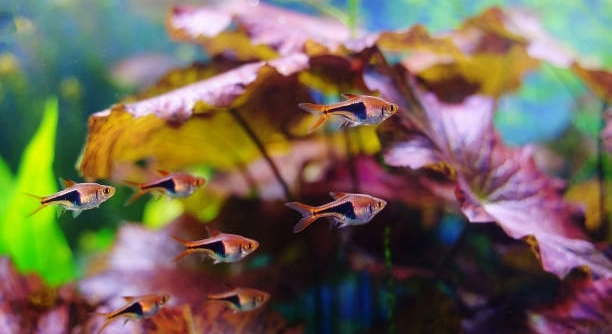
Rasboras are small, peaceful fish that bring life and movement to home aquariums. Many aquarists enjoy keeping them for their playful nature and vibrant colors, often considering tank setup to suit their natural behaviors and comfort.
Rasboras generally show a preference for heavily planted tanks. Dense vegetation provides shelter, reduces stress, and mimics their natural environment. Plants offer areas for resting, hiding, and schooling, which supports both their physical health and natural social behaviors.
Knowing how plants affect their wellbeing helps create a harmonious tank and supports healthier, happier fish over time.
Benefits of a Heavily Planted Tank
A densely planted tank offers rasboras safety and comfort. When I first added more plants, I noticed them exploring and schooling more confidently. Plants create hiding spots that reduce stress, especially during feeding or when other tankmates move suddenly. Floating plants and tall stems provide shaded areas, which mimic their natural rivers and streams. Additionally, live plants improve water quality by absorbing nitrates and producing oxygen, making the environment healthier. The texture and arrangement of plants also encourage natural behavior, like swimming in groups and grazing near leaves. Over time, I saw my rasboras become more active and display brighter colors. Even small clusters of moss or Java ferns can make a noticeable difference. Dense planting also gives the aquarium a balanced, natural appearance, making it both practical and visually pleasing. A planted tank can be simple or elaborate, but the impact on fish wellbeing is always significant.
Heavily planted tanks create safer spaces and encourage natural behavior, improving both the health and mood of rasboras consistently.
The arrangement of plants affects how rasboras interact with the tank. Open areas are needed for swimming, while thick patches provide hiding and resting spots. Observing them, I realized they use plants to feel secure and maintain schooling patterns. The plants also support microfauna that serve as occasional food sources. Changing plants or rearranging them can influence activity levels, as rasboras explore new layouts. Temperature and lighting interact with plant density, affecting both growth and fish behavior. For example, brighter lighting helps some plants thrive, but shaded areas keep the fish calm. Pairing live plants with gentle filtration ensures the tank remains clean without disrupting their environment. Watching their interactions daily, it’s clear that the balance between open swimming space and dense plant clusters makes the tank more dynamic. Choosing easy-to-grow plants like Anubias or hornwort ensures long-term stability and keeps maintenance manageable.
Choosing the Right Plants
Soft-leaved plants are ideal for rasboras because they prevent injury and mimic their natural habitat.
Plants such as Java fern, Amazon sword, and floating water sprite thrive in moderate light and provide cover for small fish. Dense planting encourages natural schooling behavior, as rasboras move confidently among leaves and stems. I often noticed them hiding near thick roots or under floating plants when they felt nervous. Certain plants release mild tannins, slightly coloring the water and reducing stress, which seems to help the fish feel more secure. Adding a mix of tall background plants and low foreground plants creates depth, allowing fish to explore different levels without feeling exposed. It’s also beneficial to include some floating plants, as they diffuse light and offer shaded areas, keeping the tank calm. Over time, these plants support microhabitats for tiny organisms, providing occasional snacks. Maintaining healthy plants requires regular trimming and monitoring water conditions, but the positive impact on rasboras’ wellbeing makes it worthwhile. Choosing hardy, low-maintenance plants ensures the tank remains attractive and functional for both fish and aquarist.
Ideal Tank Setup
A tank with both open swimming space and dense plant areas keeps rasboras active and calm. Including hiding spots near the substrate and taller plants at the back gives them comfort while maintaining a natural look.
Spacing plants strategically affects how rasboras move and interact. I arrange tall plants along the back and corners to create shelter, while leaving midground and foreground areas more open for schooling and exploration. Floating plants add shaded spots, reducing stress under bright lighting. Substrate choice also matters—fine gravel or sand allows planting and rooting without harming delicate fins. Proper filtration ensures clean water without strong currents, as rasboras prefer gentle flow. By observing their behavior, I adjust plant placement gradually to balance coverage and open space. Adding driftwood or rocks can also provide vertical structures for hiding and resting, complementing the planted areas. This setup supports natural behaviors while keeping the aquarium visually appealing.
Water quality and temperature are crucial for a healthy tank. I maintain a consistent temperature between 74-78°F and monitor ammonia, nitrites, and nitrates carefully. Heavily planted tanks help stabilize water parameters, but regular partial water changes remain necessary. Using live plants reduces nitrate buildup and promotes oxygenation, supporting overall fish health. I also add root tabs or liquid fertilizers to sustain plant growth, ensuring dense areas remain lush. The tank’s balance of plants, open space, and clean water creates an environment where rasboras thrive.
Feeding and Plant Interaction
Dense plants influence feeding patterns by providing hiding spots and surfaces for microfauna. Rasboras often nibble near leaves, using plants for security while eating.
Rasboras tend to explore the plants while feeding, grazing on tiny organisms or leftover food that settles among the leaves. I noticed they prefer nibbling near plant bases, where cover is available if they feel threatened. This behavior keeps them active and reduces stress during feeding. Floating plants can slow food sinking, giving them time to eat without competition. Some plants may trap uneaten food, so careful monitoring prevents decay. By observing their feeding habits, I adjust portion sizes and plant density to ensure all fish have access. Plants also encourage natural foraging behavior, keeping rasboras engaged throughout the day.
Plants and feeding are closely linked in maintaining healthy behavior. I make sure to offer small, frequent meals so food doesn’t accumulate and foul water. Dense plants allow fish to retreat and forage simultaneously, simulating their natural habitat. By combining floating, midground, and background plants, I provide both shelter and foraging opportunities. Live plants foster tiny organisms that supplement their diet, reducing reliance solely on prepared foods. Over time, I noticed that rasboras in heavily planted tanks display more vibrant colors and active schooling patterns. Proper plant selection and care, alongside careful feeding, create a stable, low-stress environment that supports both physical and behavioral health in the aquarium.
Plant Maintenance
Regular trimming prevents plants from overcrowding the tank and keeps swimming areas open. Removing dead leaves also helps maintain water quality and prevents algae growth from taking over.
Fertilizing plants lightly supports healthy growth, ensuring dense coverage without harming fish. I use root tabs for heavy root feeders and liquid fertilizers sparingly for delicate plants.
Lighting Considerations
Moderate lighting helps plants grow while preventing stress in rasboras. Bright lights can be softened with floating plants or shaded areas to mimic natural conditions. Proper light duration, around 8-10 hours daily, supports both plant health and fish comfort.
Tankmates and Plant Density
Rasboras prefer peaceful tankmates that do not disturb plants. I choose small, non-aggressive species to maintain harmony and preserve dense plant areas for shelter and natural behavior.
FAQ
Do rasboras need heavily planted tanks to thrive?
While rasboras can survive in lightly planted tanks, they thrive in densely planted environments. I noticed that when my tank had more plants, the fish were less stressed, swam more naturally, and displayed brighter colors. Plants offer hiding spots and shaded areas that mimic their natural habitat.
What types of plants work best for rasboras?
Soft-leaved plants are ideal because they prevent fin damage and create a natural environment. I often use Java fern, Amazon sword, and hornwort. Floating plants like water sprite or duckweed provide shade and reduce light intensity, keeping the fish calm. Low-growing foreground plants add depth without restricting swimming space.
How much open space should I leave in a planted tank?
Rasboras need a balance between dense plants and open areas. I leave the midground and some foreground free for schooling and swimming. Open areas allow them to maintain natural movement patterns while still having nearby shelter when needed.
Do live plants improve water quality for rasboras?
Yes, live plants absorb nitrates and release oxygen, helping maintain stable water parameters. I use root tabs and liquid fertilizers to keep plants healthy, which in turn supports the fish. Proper plant maintenance reduces ammonia spikes and promotes overall tank stability.
How often should I trim plants in a rasbora tank?
I trim fast-growing plants weekly or bi-weekly. Removing dead leaves prevents decay and algae buildup. Trimming also maintains open swimming space and ensures that dense plant clusters don’t overwhelm the fish or block light.
Can rasboras live with other fish in a heavily planted tank?
Yes, but tankmates should be small and peaceful. I keep tetras or small gouramis alongside my rasboras. Aggressive or large fish can stress them and disturb plant areas, reducing the benefits of dense planting.
Do floating plants affect rasbora behavior?
Floating plants create shaded spots that reduce stress and mimic natural light conditions. I noticed my rasboras hide under floating plants when lights are strong, which encourages natural resting behavior and reduces aggression among fish.
How does plant density affect feeding habits?
Dense plants offer surfaces for microfauna and areas for foraging. Rasboras often nibble near plant bases while staying close to cover. I adjust feeding portions to ensure they can find food easily without leftovers decaying among plants.
Is there a risk of overplanting in a rasbora tank?
Yes, too many plants can limit swimming space and reduce water circulation. I balance dense areas with open zones to support activity and natural schooling patterns. Careful trimming and layout adjustments help maintain this balance over time.
Do rasboras prefer any particular type of light with plants?
Moderate lighting works best. I avoid strong direct light, using floating plants to soften brightness. Around 8-10 hours of light per day supports plant growth while keeping fish comfortable, helping maintain both healthy vegetation and active, stress-free rasboras.
How do plants affect rasbora coloration?
Healthy, dense plants improve comfort and reduce stress, which directly influences coloration. I observed that rasboras in planted tanks showed brighter, more vibrant colors compared to sparse tanks. Stress-free environments help them display natural beauty and maintain overall health.
What substrate works best for planted rasbora tanks?
Fine gravel or sand is ideal because it allows plants to root safely without harming delicate fins. I use a nutrient-rich substrate under heavy plants, supporting strong growth while maintaining safe swimming areas for the fish.
Can I combine artificial and live plants?
Yes, but live plants offer clear health benefits for water quality and behavior. I use artificial plants sparingly for decoration or to fill gaps while prioritizing live plants for shelter and natural interaction.
Do rasboras interact with plants differently at night?
At night, rasboras use plants for resting and hiding. I leave some floating or tall plants in place, providing cover and reducing stress during dark hours. Dense planting helps them feel secure even when lights are off.
How long does it take for a planted tank to benefit rasboras?
I noticed improvements within a few weeks. Fish became more active, schooling behavior increased, and colors brightened. Maintaining healthy plants and a balanced layout consistently supports long-term benefits.
Do fertilizers harm rasboras?
Using fertilizers carefully is safe. I follow recommended doses and choose plant-specific products, ensuring no direct harm to the fish while keeping plants healthy. Overdosing can stress fish, so careful monitoring is key.
Are some rasbora species more sensitive to plant density?
Yes, smaller or more timid species, like the chili rasbora, benefit from denser plants for security. Larger species tolerate more open space, but all rasboras appreciate areas to hide and feel safe.
Can plant density reduce aggression in a community tank?
Yes, dense plants break lines of sight and create territories, lowering stress and aggression. I noticed less chasing and more natural schooling when plants were well-arranged, giving fish personal space and cover when needed.
How do I maintain a balance between plants and swimming space?
I plan the layout with tall plants in the back and sides, leaving midground and foreground open. Regular trimming and observing fish behavior ensures they have room to swim while benefiting from dense cover.
Do rasboras eat live plants?
Generally, they do not eat healthy, mature plants. I occasionally noticed nibbling on softer new growth, but this was minimal. Selecting hardy plants and maintaining proper nutrition prevents any significant plant damage.
Can plant density affect breeding behavior?
Yes, plants provide hiding spots for eggs and fry. I added dense clumps and floating plants during breeding, which improved egg survival rates and gave fry cover from other tankmates. Dense vegetation encourages natural spawning behavior.
Is it necessary to rearrange plants over time?
Occasional rearrangement helps maintain open swimming areas and prevents overcrowding. I move plants gradually, watching rasboras’ reactions, ensuring they adapt without stress and continue schooling naturally.
How do I prevent algae in a heavily planted rasbora tank?
Balanced lighting, proper fertilization, and regular trimming help control algae. I also introduce algae-eating species like snails or shrimp to assist. Dense planting reduces exposed surfaces, limiting algae growth naturally.
Do plants reduce stress for new rasboras?
Yes, when I introduced new fish, dense plants gave them immediate shelter and hiding spots. This lowered stress, encouraged natural schooling, and helped them acclimate to the tank environment more comfortably.
Can I use moss in a rasbora tank?
Moss is excellent for cover and microfauna growth. I attach it to rocks or driftwood, providing shaded spots and surfaces for foraging, enhancing both the visual appeal and the habitat quality for the fish.
Do rasboras prefer a specific plant height?
They use plants of varying heights. Tall plants offer security and shade, while low plants allow swimming near the substrate. A mix of heights creates a dynamic, natural environment that meets their behavioral needs.
Does plant variety matter?
Yes, variety provides multiple hiding spots, foraging surfaces, and aesthetic appeal. I combine floating, midground, and background species, giving the tank depth and complexity that encourages natural behaviors and reduces stress.
Can heavily planted tanks affect water flow?
Dense plants slow water movement. I adjust filtration to maintain gentle flow, ensuring oxygen distribution without disturbing fish. Proper plant placement balances coverage with circulation for a healthy environment.
Do rasboras use plants for social interactions?
Yes, plants influence schooling patterns and hierarchy. I observed fish swimming through dense clusters together, using cover for temporary separation while maintaining social cohesion.
How often should I check plant health?
Weekly checks for yellowing leaves, algae buildup, and growth rate help maintain a stable environment. Healthy plants directly support fish wellbeing, making this routine essential.
Can I propagate plants in a rasbora tank?
Yes, I propagate stem plants by cutting and replanting sections. This keeps dense areas stable and ensures continuous coverage without stressing the fish.
Do plants affect oxygen levels at night?
Plants consume oxygen at night, but in a balanced tank with moderate stocking, the effect is minimal. I ensure adequate aeration and circulation to prevent oxygen dips.
Should I remove old plants?
Yes, decaying plants can reduce water quality. I remove or trim them promptly, preventing ammonia spikes and keeping the tank safe and comfortable for rasboras.
Can heavy planting mask water quality issues?
No, plants help maintain water quality but do not replace regular monitoring. I continue testing ammonia, nitrites, and nitrates, performing water changes as needed to keep the environment stable.
Do rasboras use plants for resting spots?
Yes, they often hover near leaves or under floating plants to rest. These spots reduce stress and provide security, especially during periods of inactivity or at night.
Can plant density help shy rasboras feel secure?
Absolutely. Dense clusters give timid fish cover, encouraging exploration and social interaction without fear. I noticed shyer individuals became more active once plants were added.
Do plants influence fish coloration long-term?
Healthy, stress-free fish in well-planted tanks show more vibrant colors over time. I saw gradual improvements in fin and body coloration after adding dense, well-maintained plants.
Is heavy planting suitable for small tanks?
Yes, even small tanks benefit from dense planting, but I carefully plan layout to maintain open swimming areas. Proper balance ensures fish remain active and comfortable without overcrowding.
How do plants affect ammonia control?
Live plants absorb some nitrogen compounds, helping reduce ammonia spikes. I still perform regular water changes, but dense planting provides an extra layer of protection for sensitive rasboras.
Do rasboras ever hide completely in plants?
Yes, when stressed or resting, they retreat fully into dense clusters. I observed this especially during bright lighting or after adding new tankmates, indicating plants provide essential security.
Can I combine fast- and slow-growing plants?
Yes, but I monitor fast growers to prevent overcrowding. Slow-growing plants maintain long-term structure while fast growers fill gaps, creating a balanced, dynamic habitat for rasboras.
Do plants affect tank aesthetics?
Yes, dense plants create a natural, lively look. I enjoy arranging different species for visual depth, which also improves fish behavior and provides a calming environment.
Are some plants toxic to rasboras?
Most common aquarium plants are safe. I avoid species treated with pesticides or harsh fertilizers. Safe choices include Java fern, Anubias, and Amazon sword.
Can plants reduce stress from bright lighting?
Yes, floating and tall plants diffuse light, providing shaded zones. I noticed rasboras spend more time near cover under intense lighting, staying calmer and displaying natural behavior.
Do rasboras interact differently with artificial versus live plants?
Live plants encourage natural foraging and hiding, while artificial plants mainly provide visual cover. I prefer live plants for behavioral benefits but use artificial plants sparingly for decoration.
Does plant density affect breeding behavior?
Yes, dense plants provide safe spots for eggs and fry. I noticed higher survival rates when spawning occurred among thick vegetation, highlighting the importance of plant cover for reproduction.
How do I balance plant growth and fish activity?
Regular trimming and strategic placement maintain open swimming space while keeping dense cover. Observing fish behavior helps adjust layout, ensuring a healthy and stress-free environment for rasboras.
Can plants help new fish acclimate?
Yes, dense vegetation reduces stress during introduction. I place new rasboras near planted areas, giving them immediate shelter and a sense of security to adjust gradually.
Do plants affect algae growth?
Healthy plants compete with algae for nutrients, reducing overgrowth. I maintain proper lighting, trimming, and nutrient balance to prevent algae from taking over the tank.
Are there specific plant arrangements for small rasboras?
I arrange tall plants in the back, midground clusters, and low foreground plants. This creates shelter, open swimming paths, and visual depth while supporting their natural schooling behavior.
Do plants influence water temperature?
Plants slightly buffer temperature fluctuations but do not replace heaters or cooling systems. Dense planting can reduce light heating effects, helping maintain stable tank conditions.
Can heavily planted tanks support microfauna?
Yes, dense plants encourage tiny organisms like daphnia or copepods. Rasboras often graze on them, supplementing their diet and encouraging natural foraging behavior.
Do rasboras prefer planted areas during the day or night?
Both. During the day, they explore and school among plants; at night, they rest or hide under dense clusters, indicating the importance of plant coverage at all times.
How do I prevent overcrowding with dense plants?
I trim regularly and monitor fish behavior, ensuring open swimming areas. Combining slow- and fast-growing plants helps maintain balance without limiting movement or stressing rasboras.
Do rasboras use plants for social hierarchy?
Yes, plants provide visual barriers and territory markers, reducing conflicts. I observed less chasing and more peaceful schooling when dense clusters were available.
Are there seasonal effects on plants that affect rasboras?
Indoor tanks have minimal seasonal effects, but temperature and light changes can influence plant growth. I adjust lighting and fertilization to maintain healthy vegetation year-round, supporting consistent fish behavior.
Can plant placement influence water circulation?
Yes, dense plants can slow flow. I position plants strategically and adjust filter output to maintain gentle circulation without disturbing fish or reducing oxygen levels.
Do rasboras interact with plant roots differently than stems or leaves?
They often explore roots for microfauna or resting spots, while stems and leaves provide vertical cover and shade. A mix of structures supports natural behavior and exploration.
Does plant color matter for rasboras?
Not directly, but green shades mimic natural environments, reducing stress. I avoid overly bright artificial colors, which can startle or stress timid fish.
Can rasboras survive in tanks without plants?
Yes, they can survive, but stress levels increase and natural behaviors like schooling, hiding, and foraging are reduced. I always prefer at least moderate planting for wellbeing.
Do plants affect disease prevention?
Indirectly, yes. Healthy plants reduce ammonia and nitrite buildup, supporting immune function. Dense vegetation also limits aggressive encounters, lowering stress-related illness risk.
Can plant growth impact filtration efficiency?
Yes, very dense plants can trap debris and reduce flow. I trim regularly and adjust filter intake to prevent clogging while maintaining proper water circulation.
Do rasboras prefer certain plant textures?
Soft, flexible leaves are preferred, preventing fin damage. I avoid sharp or rigid plants that can injure delicate species.
Are there signs that rasboras are stressed due to plant density?
Hiding constantly, reduced swimming, or loss of coloration can indicate overcrowding. I adjust plant layout if fish show these signs.
Can plants help during water parameter fluctuations?
Plants absorb some nitrogen compounds and stabilize pH, reducing sudden spikes. I still perform regular testing, but dense planting provides an extra buffer.
Do plants affect the overall lifespan of rasboras?
Healthy, dense plant coverage reduces stress, encourages natural behavior, and supports better water quality, all contributing to longer, healthier lives.
Is plant variety important for breeding success?
Yes, multiple plant types provide ideal spawning sites and cover for fry, improving survival and encouraging natural reproductive behavior.
Do rasboras interact differently with plants in large vs. small tanks?
In small tanks, they use plants more for security due to limited open space. In larger tanks, they explore more but still rely on dense clusters for hiding and resting.
Can plants reduce aggression during feeding?
Yes, plants provide cover and break lines of sight, reducing competition and stress during meals. I noticed calmer behavior when dense vegetation was present.
Do live plants require CO2 for rasboras’ benefit?
Not necessarily. Low-tech tanks with moderate light and slow-growing plants thrive without CO2, providing cover and improving water quality for rasboras.
Can plants help acclimate new species alongside rasboras?
Dense plants give shelter and reduce initial stress, allowing both new and existing fish to adjust gradually without aggressive encounters.
Do rasboras show preference for certain plant locations?
Yes, they favor midground clusters and shaded areas near the back or floating plants, balancing security with open swimming zones.
How often should I rotate or rearrange plants?
Occasionally, to maintain open areas and prevent overcrowding. I monitor fish behavior to ensure changes do not cause stress, adjusting gradually.
Do plants impact water clarity for rasboras?
Healthy plants absorb nutrients that might cloud water. I noticed clearer water and calmer fish when dense vegetation is maintained properly.
Can over-fertilization harm rasboras?
Yes, excessive fertilizers can raise nitrate levels or release harmful chemicals. I follow recommended doses to ensure plants thrive without harming fish.
Do rasboras use plants differently when stressed versus calm?
When stressed, they hide more frequently in dense areas. When calm, they swim confidently through plants, using them for exploration and schooling.
Can dense plants reduce light stress in tanks with strong lighting?
Yes, floating and tall plants provide shade, softening intense light and preventing overstimulation, keeping rasboras calmer and more active.
Do rasboras prefer clusters of the same plant or mixed species?
Mixed species provide variety in height, cover, and foraging surfaces. I arrange clusters with multiple species to simulate natural conditions and encourage diverse behaviors.
Can plants prevent fin damage in rasboras?
Yes, soft-leaved plants reduce accidental tearing. I avoid rigid or sharp-edged species, keeping fins healthy and preventing infections.
Do rasboras benefit from seasonal plant pruning?
Yes, removing old growth and promoting healthy new shoots maintains open space, prevents decay, and encourages activity while keeping the tank visually appealing.
Can plants affect water hardness for rasboras?
Some plants slightly influence water chemistry by releasing organic compounds. I monitor parameters but found changes minimal in most planted tanks.
Do rasboras prefer plants near the substrate or midwater?
Both. I provide rooted plants for bottom cover and floating plants for midwater shade, ensuring shelter at multiple levels for natural behavior.
Can plants improve social cohesion among rasboras?
Yes, cover and visual barriers reduce stress and aggression, helping fish school naturally while maintaining peaceful interactions in the tank.
Do rasboras respond differently to artificial lighting with plants?
Dense plants buffer intense artificial light, reducing stress. I observed calmer, more active behavior when plants created shaded areas under bright LEDs.
Can plant density affect oxygen levels during heavy stocking?
Yes, very dense planting with high fish load may reduce nighttime oxygen. I ensure aeration and water movement to maintain adequate levels for rasboras.
**Do rasboras use plants for hiding during mol
Final Thoughts
Rasboras are naturally peaceful, social fish that benefit greatly from a well-planted aquarium. Dense plants provide more than just decoration; they create essential hiding spots and shaded areas that reduce stress and make fish feel secure. Over time, I noticed that when my tank had more plants, the rasboras became more active and displayed brighter colors. They explored the tank with confidence, swimming in groups and resting among the leaves when needed. The presence of plants also encouraged natural behaviors like schooling, foraging, and even occasional play as they moved through the stems and around roots. It’s clear that a planted tank does more than improve the aesthetic—it directly supports their health and wellbeing.
Maintaining a planted tank requires attention, but it is manageable and worth the effort. Regular trimming prevents overcrowding and keeps swimming areas open, while removing dead or decaying leaves helps maintain water quality. Fertilizing plants lightly and monitoring light duration ensures that they grow strong and healthy, providing consistent shelter and food sources like microfauna. I learned that the layout is just as important as plant choice. Arranging tall plants at the back, clusters in the midground, and low-growing plants in the foreground creates a natural environment where rasboras feel comfortable while still having open space for activity. Floating plants offer shaded areas and help soften strong lighting, which reduces stress and encourages resting behavior. By observing how the fish interact with their environment, adjustments can be made gradually, keeping the tank balanced without causing unnecessary stress.
Heavily planted tanks also benefit overall tank health. Live plants help stabilize water parameters by absorbing nitrates and producing oxygen. They reduce the risk of algae overgrowth when maintained properly and create microhabitats for tiny organisms that the rasboras can feed on occasionally. The combination of water quality improvement, shelter, and stimulation makes a planted environment highly supportive for these fish. Even smaller tanks can benefit from carefully planned plant arrangements, balancing dense cover with open swimming areas. Over time, I saw healthier fish with better coloration, stronger immune systems, and more natural behaviors compared to sparsely planted tanks. For anyone keeping rasboras, investing in a heavily planted tank is not just about appearance—it is about creating a comfortable, stable, and engaging home that supports their long-term health and happiness.

Hello,
If you enjoy the content that we create, please consider saying a "Thank You!" by leaving a tip.
Every little bit helps us continue crafting quality advice that supports the health, happiness, and well-being of pets around the world, for pets of all shapes, sizes, and species.
We really appreciate the kindness and support that you show us!