
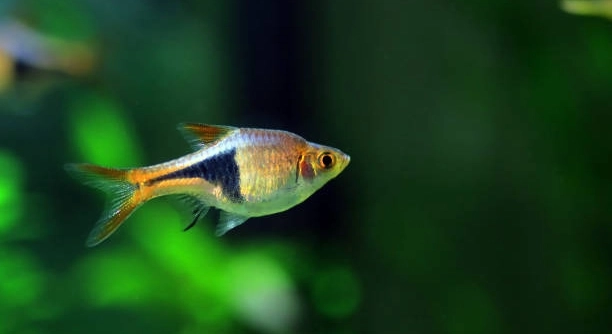
Rasboras are small, peaceful fish that thrive in well-maintained aquariums. Their gentle nature and active swimming make them popular among hobbyists, but adapting to certain tank conditions, like constant filter flow, can affect their behavior and comfort.
Rasboras can adjust to constant filter flow if it is moderate and consistent. They are adaptable species, but excessively strong currents may cause stress or fatigue. Proper tank setup, including flow control and hiding spots, supports their long-term health and activity.
Learning how to balance water movement with a rasbora’s natural tendencies ensures they remain active and healthy. Small adjustments in flow can make a significant difference in their daily well-being.
Understanding Rasboras and Flow Preferences
Rasboras are naturally found in slow-moving waters, which means they prefer gentle currents in their tanks. When the water flow is too strong, they may struggle to swim comfortably or hide from stress. In my experience, observing their swimming patterns can reveal whether the current suits them. Some rasboras will adjust by swimming closer to the bottom or hiding behind plants, while others may show signs of fatigue. Providing areas of calm water, like behind decorations or among dense plants, allows them to rest. A moderate filter flow helps maintain clean water without overwhelming the fish. Using adjustable filters or flow diffusers can make a noticeable difference. Over time, rasboras can adapt to a steady flow, but it’s important to monitor their energy levels. If they appear constantly stressed or lean against objects, the current might still be too strong. Tank layout and placement also play a role in how they cope with flowing water.
Gentle currents with resting spots allow rasboras to adapt more comfortably while maintaining their health and natural swimming behavior.
Observing their daily behavior can guide small adjustments to improve comfort. Even subtle changes in plant placement or filter direction can help them thrive and feel secure in their environment.
Adjusting Your Aquarium for Constant Flow
Rasboras benefit from areas with slower water movement, which helps them feel secure. Avoid placing them in direct, strong currents without options to retreat.
Maintaining a balance between water flow and comfort is key to their long-term well-being. Moderate flow keeps the tank clean and oxygenated, but strong currents may exhaust the fish. Adding plants, rocks, and decorations creates natural barriers, allowing them to rest or swim at their preferred pace. Some hobbyists use sponge filters or flow deflectors to soften currents while keeping filtration effective. Observation is essential: watch for consistent stress signs, like clinging to surfaces or erratic swimming. Adjusting the filter gradually rather than all at once gives the fish time to acclimate. Tank size also matters—larger tanks distribute flow more evenly, while small tanks may intensify current effects. By creating zones with varying flow, rasboras can choose where they feel most comfortable. This approach supports their health and encourages natural behavior, keeping them active and reducing stress over time. Proper flow management ensures a balanced aquarium environment for all inhabitants.
Recognizing Stress in Rasboras
Rasboras show stress through clamped fins, hiding more than usual, or swimming frantically against currents. Changes in appetite or color can also signal discomfort. Noticing these behaviors early helps prevent long-term health problems and keeps the aquarium balanced.
Watching rasboras closely is the most reliable way to detect stress. When they cling to plants or stay near the tank bottom, it often indicates that the flow is too strong. Some may dart suddenly or appear lethargic, showing fatigue from struggling against the current. Regular observation during feeding and routine tank maintenance provides insight into their comfort. Adjusting the flow gradually, rather than abruptly, allows the fish to acclimate without added stress. Stress can weaken their immune system, making them more prone to disease, so timely intervention is essential. Monitoring their interaction with hiding spots and calmer zones also reveals how well they cope with flow changes in the tank.
Providing calm areas and adequate plants encourages natural swimming patterns. Rasboras feel safer when they have space to rest and avoid constant current exposure. Maintaining this balance helps them stay active and healthy.
Optimizing Tank Setup
Proper tank setup reduces stress and supports healthy rasbora behavior. Placement of plants, decorations, and rocks can break up strong currents effectively.
Choosing the right filter is important for maintaining a comfortable environment. Adjustable filters or those with flow diffusers help control water speed without compromising cleanliness. Dense planting creates sheltered zones where rasboras can rest and feel secure. Tank size affects flow distribution, with larger tanks naturally reducing current intensity in certain areas. Positioning decorations strategically allows fish to navigate freely and escape direct flow when needed. Observing how the fish use these zones can guide future adjustments. A balanced setup not only supports their health but also encourages natural behaviors, such as schooling and exploring. Over time, rasboras will adapt to a consistent, moderate flow if their environment includes these safe areas, ensuring both comfort and well-being.
Choosing the Right Flow
Moderate water flow keeps the tank clean without stressing rasboras. Too strong a current can tire them quickly and reduce their overall activity, making them less healthy over time.
Flow adjustments can be made using adjustable filters or flow deflectors. Simple changes in filter direction often create calmer areas where rasboras can rest and swim naturally.
Planting for Calm Zones
Dense plants and decorations provide shelter and reduce exposure to strong currents. Rasboras use these areas to rest and regain energy, promoting natural swimming behavior. Proper placement ensures they can avoid the main flow while still exploring the tank freely.
Monitoring Adaptation
Regular observation helps determine if rasboras are adjusting well. Look for relaxed swimming, schooling behavior, and consistent feeding patterns. These signs indicate they are coping comfortably with the flow.
FAQ
How strong should the water flow be for rasboras?
Rasboras prefer a gentle, moderate flow that mimics their natural environment. Too strong a current can exhaust them, while very low flow may affect water quality. Ideally, the flow should allow them to swim comfortably without forcing them to fight the current. Observing their swimming patterns helps determine if adjustments are needed.
Can rasboras adapt to strong filter currents over time?
They can adapt if the current is consistent and not extreme, but adaptation takes time. Providing calm zones with plants and decorations is essential. Gradually increasing flow allows them to get used to moving water without causing stress or fatigue. Sudden changes can harm their health and reduce activity levels.
What are signs that the flow is too strong?
Clamped fins, erratic swimming, hiding constantly, or leaning against surfaces indicate stress. Reduced appetite or pale colors are additional warning signs. Regular observation helps catch these behaviors early so adjustments can be made before long-term health issues develop.
Do tank size and layout affect how rasboras handle flow?
Yes, larger tanks distribute flow more evenly, while smaller tanks can intensify currents. Layout also matters—plants, rocks, and decorations create sheltered areas that reduce exposure to strong currents. Strategic placement of these elements helps rasboras rest and move naturally while maintaining water circulation.
Are some rasbora species more tolerant of flow than others?
Different species vary in tolerance. For example, Harlequin rasboras are more adaptable to moderate currents, while smaller species like Chili rasboras prefer calmer waters. Researching the specific species you keep helps set appropriate flow conditions. Providing areas of calm water benefits all types.
Does flow affect their feeding habits?
Strong currents can make it difficult for rasboras to reach food. Fish may expend energy swimming against the current instead of eating. Feeding in sheltered areas or turning off the filter briefly during feeding helps ensure they get enough nutrition without stress.
How often should I adjust the flow?
Frequent adjustments are not recommended. Gradual changes over days or weeks allow fish to adapt. Sudden increases or decreases in flow can cause stress and disrupt their routine. Observation is key—if the fish appear comfortable, there is no need to adjust.
Can decorations and plants replace the need for a low flow?
They don’t replace it entirely but help create zones where fish can rest and feel secure. Dense planting reduces direct exposure to current, while rocks and driftwood provide barriers. Combining moderate flow with a well-planned layout ensures both water quality and fish comfort.
Is constant monitoring necessary?
Yes, at least during the first weeks after setting up the filter or changing flow. Observing swimming behavior, feeding, and resting patterns helps detect problems early. Once rasboras are acclimated, monitoring can become less frequent, but occasional checks are important to maintain a healthy tank environment.
What is the best approach to introduce new flow conditions?
Introduce changes slowly and provide hiding areas. Gradually increase or decrease filter strength over several days. Observe the fish closely during this period. If stress signs appear, reduce the flow slightly until they adjust. Combining flow control with safe zones ensures long-term adaptation and maintains a stable environment for rasboras.
How does water quality interact with flow preferences?
Proper flow maintains oxygen levels and removes waste, which supports overall health. Too low a flow can reduce oxygenation, while too high a flow may stress the fish. Balancing flow to maintain water quality without overexerting the fish is key for their well-being.
Are there tools to help manage flow better?
Yes, adjustable filters, spray bars, and flow diffusers allow precise control of water movement. Simple redirection of the outflow can create calmer areas, while sponges or plants break up strong currents. Experimenting with these tools helps create a comfortable environment tailored to rasboras’ needs.
Can rasboras coexist with other species in strong currents?
They can, but compatibility depends on other fish’s tolerance to flow. Active or larger species may increase current intensity or stress rasboras. Providing calm zones and observing interactions is crucial to ensure all species thrive without constant stress.
How long does it take for rasboras to fully adapt to a new flow?
Adaptation can take several days to a few weeks, depending on the strength of the current and the availability of shelter. Gradual changes and consistent observation support successful adjustment. Fish that have space to rest usually adapt faster and maintain healthy activity levels.
Does temperature affect their adaptation to flow?
Yes, higher temperatures can increase activity, making strong currents more stressful. Cooler, stable water allows them to swim comfortably against moderate flow. Maintaining consistent temperature along with proper flow ensures a stable environment for health and behavior.
Are there any behavioral benefits to moderate flow?
Moderate flow encourages natural schooling and swimming patterns. It promotes activity, supports oxygenation, and helps prevent stagnation in the tank. Rasboras exhibit more natural behaviors when they can swim freely without constant stress from strong currents.
What adjustments help newly introduced rasboras cope with filter flow?
Adding plants, rocks, or floating barriers provides hiding spots. Gradually introducing the filter or using adjustable flow settings allows them to acclimate. Feeding in calm areas also helps them settle faster and maintain energy levels while adjusting to new water movement.
Can over-filtering harm rasboras?
Yes, excessively strong flow can tire the fish, reduce feeding efficiency, and cause long-term stress. Using diffusers, redirecting the outflow, or lowering filter strength helps maintain a safe environment while still keeping the water clean and oxygenated.
How do I know if my adjustments are working?
Signs of successful adaptation include relaxed swimming, normal feeding, bright coloration, and active schooling. Fish that use calm zones but explore freely are coping well. Continuous observation ensures flow adjustments meet their needs without causing stress or fatigue.
Is it necessary to educate myself about natural habitats?
Understanding the natural environment of rasboras helps replicate conditions in the tank. Knowing preferred flow rates, plant density, and water parameters guides effective tank setup and flow management, ensuring their comfort and long-term health.
Do hiding spots improve flow tolerance?
Absolutely. Hiding spots reduce exposure to currents, giving fish control over their environment. This allows rasboras to rest, avoid stress, and maintain energy levels. Proper placement of plants and decorations directly improves their ability to cope with constant filter flow.
Can flow adjustments prevent disease?
Indirectly, yes. Appropriate flow supports water quality, which reduces harmful bacteria and stress-related illnesses. Fish under constant strain from strong currents are more vulnerable, so balancing flow and providing resting areas contributes to overall health.
Are there any signs of long-term adaptation?
Long-term adaptation is shown by stable behavior, regular feeding, schooling in appropriate areas, and minimal hiding. Fish that have fully adjusted tolerate moderate currents without visible stress and interact naturally with other tank mates and their environment.
What is the safest long-term approach to flow management?
Maintain moderate, consistent flow with calm zones. Observe behavior regularly, adjust gradually, and provide sufficient plant and decoration coverage. Combining proper flow, shelter, and monitoring ensures a comfortable environment for rasboras, supporting health and natural behavior over the long term.
How often should I review flow setup?
Review every few weeks or when introducing new tank mates or decorations. Observation helps catch stress signs early and ensures that the current remains suitable for all inhabitants. Adjustments can be minor but are important to maintain a balanced aquarium environment for rasboras.
Do these guidelines apply to all aquarium sizes?
Yes, though larger tanks naturally distribute flow more evenly. Smaller tanks require careful placement of decorations and adjustable filters to create calm zones. Adapting these principles ensures rasboras are comfortable regardless of tank size, promoting healthy behavior and reducing stress.
Can flow changes affect breeding behavior?
Strong currents may disrupt mating or egg-laying, as rasboras prefer calm water for reproduction. Providing low-flow areas encourages natural breeding behavior and ensures eggs or fry are not swept away by the filter. Observation and preparation of safe zones are key for successful breeding.
Does lighting interact with flow adaptation?
Indirectly, yes. Bright lights combined with strong currents can increase stress. Providing shaded areas or floating plants reduces exposure and creates a more comfortable environment. This combination supports natural behavior while maintaining moderate water movement.
Are there any tools to measure suitable flow?
Yes, flow meters or observing surface ripple patterns can indicate appropriate flow. While visual observation of fish behavior is usually sufficient, tools help fine-tune settings, especially in larger tanks or with multiple species. Proper measurement ensures consistent comfort for rasboras.
Can young rasboras adapt differently than adults?
Juveniles are generally more sensitive to strong currents. Providing gentle flow and ample shelter supports their development and prevents fatigue. Adults are more resilient but still benefit from calm zones and moderate water movement for long-term health and natural activity.
How do I balance filtration efficiency with comfort?
Use adjustable filters, flow diffusers, or sponge filters to maintain clean water while reducing current strength. Dense plants and decorations break up flow and create safe zones. This approach ensures proper filtration without compromising the well-being of rasboras in the tank.
What is the impact of over-decorating on flow adaptation?
Excessive decorations may overly reduce water circulation, affecting oxygenation and waste removal. The key is balance: provide enough shelter without restricting flow entirely. Strategic placement creates calm areas while maintaining overall water quality for a healthy tank.
Can tankmates affect flow tolerance?
Yes, more active or larger fish can increase water movement or stress rasboras. Observing interactions and adjusting flow or creating calm zones helps mitigate these effects. Providing refuges allows rasboras to coexist comfortably with tankmates.
How do I troubleshoot ongoing stress despite adjustments?
Check for hidden strong currents, filter placement, or insufficient shelter. Reassess flow strength and adjust gradually. Ensure water quality, temperature, and feeding routines are optimal. Persistent stress may indicate other environmental factors that need correction alongside flow management.
Are floating plants helpful for flow control?
Yes, floating plants reduce surface turbulence and provide shaded resting areas. They help rasboras avoid direct currents while still allowing natural swimming, making them a practical addition to tanks with moderate to strong filtration.
Do seasonal changes impact flow adaptation?
Temperature fluctuations can affect swimming activity. Warmer water may increase energy levels, making strong currents more stressful. Cooler, stable conditions help rasboras cope with moderate flow. Monitoring seasonal changes ensures they remain comfortable throughout the year.
Is constant flow necessary for all tanks?
Not always. Gentle, intermittent flow can maintain water quality while reducing stress. The goal is to balance cleanliness, oxygenation, and fish comfort. Flow should support health without forcing constant exertion on rasboras.
Can rasboras show preference for certain flow areas?
Yes, they often choose calmer zones for resting and explore moderate currents selectively. Observing these preferences helps optimize tank layout, ensuring they have both safe areas and active swimming space for natural behavior.
What long-term benefits come from proper flow management?
Reduced stress, improved health, natural behavior, and successful breeding are key benefits. Maintaining moderate flow with calm zones supports energy levels, reduces disease risk, and ensures rasboras thrive over time in a stable and comfortable environment.
How do I combine all these strategies effectively?
Use adjustable filtration, create calm zones with plants and decorations, monitor behavior regularly, and adjust gradually. Ensure water quality, temperature, and tank layout support comfort. This combined approach promotes adaptation, reduces stress, and maintains a healthy, natural environment for rasboras.
Final Thoughts
Rasboras are delicate, peaceful fish that can thrive in home aquariums when their environment matches their natural preferences. One of the most important factors in keeping them healthy is ensuring the water flow is suitable. They prefer gentle to moderate currents rather than strong, fast-moving water. When the flow is too strong, rasboras can become stressed, fatigued, and may struggle to feed properly. Over time, this stress can affect their coloration, reduce activity, and even lead to health issues. Observing their swimming behavior and energy levels is the most reliable way to determine if the water flow is appropriate. Simple adjustments, like redirecting the filter or adding flow-diffusing decorations, can make a significant difference in their comfort and overall well-being.
Creating a balanced tank environment is essential for rasboras to feel secure. Plants, rocks, and other decorations provide hiding spots and areas of calm water where they can rest. These calm zones are especially important in tanks with stronger currents, as they allow fish to escape direct water flow without reducing overall filtration. Floating plants can also help by softening surface movement and providing shaded areas. The combination of proper flow, sufficient shelter, and observation ensures that rasboras can swim naturally while staying safe and comfortable. Tank size also plays a role: larger aquariums tend to distribute flow more evenly, while smaller tanks may require more careful placement of decorations and adjustable filters. Gradual changes in flow, rather than sudden increases or decreases, help the fish adapt without unnecessary stress.
Long-term care involves consistent monitoring and small adjustments over time. Rasboras that are allowed to adjust to moderate, steady flow tend to remain active, maintain vibrant coloration, and display natural schooling behavior. Watching their interactions with the tank environment, including hiding spots and areas with stronger currents, provides insight into their comfort levels. Feeding should be done in calmer areas to prevent unnecessary exertion, and water quality should be maintained through proper filtration and regular tank maintenance. By balancing water flow, shelter, and observation, aquarists can provide a stable, healthy environment that encourages natural behavior. Over time, this thoughtful approach ensures that rasboras are not only able to cope with constant filter flow but thrive in it, living a long, healthy, and active life within their aquarium habitat.

Hello,
If you enjoy the content that we create, please consider saying a "Thank You!" by leaving a tip.
Every little bit helps us continue crafting quality advice that supports the health, happiness, and well-being of pets around the world, for pets of all shapes, sizes, and species.
We really appreciate the kindness and support that you show us!