
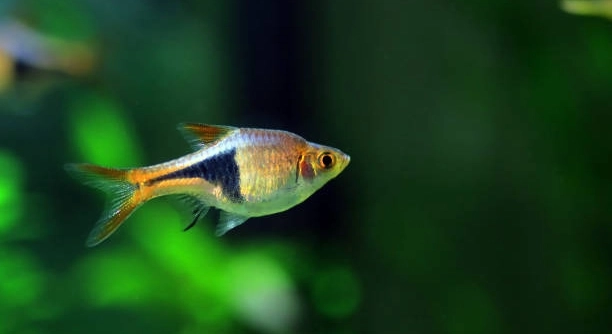
Small bubble rasboras are lively and social fish that bring charm to any aquarium. Their gentle nature makes them ideal companions for other small, peaceful species, creating a harmonious and engaging aquatic environment for hobbyists to enjoy.
Small bubble rasboras typically interact well with other non-aggressive, similarly sized fish such as neon tetras, ember tetras, pygmy corydoras, otocinclus catfish, cherry shrimp, kuhli loaches, and small rasbora species. These companions reduce stress and encourage natural schooling behaviors.
Learning which species coexist peacefully with small bubble rasboras helps ensure a balanced, thriving aquarium that both looks beautiful and supports fish wellbeing.
Neon Tetras
Neon tetras are a popular choice for small bubble rasboras because they share similar temperaments and water requirements. Both species thrive in calm, planted aquariums with soft water and stable temperatures. Neon tetras’ vibrant colors complement the subtle hues of bubble rasboras, creating a visually appealing tank. They are peaceful schooling fish, which encourages small bubble rasboras to form cohesive groups, reducing stress and promoting natural behavior. Feeding routines for both species are compatible, as they accept similar flakes, micro-pellets, and occasional live foods. It is important to maintain good water quality through regular water changes, as both species are sensitive to nitrate buildup. Keeping them in groups of six or more ensures they exhibit active schooling behavior, which adds movement and life to the tank. Decorations and plants should allow open swimming space while offering hiding spots for security, supporting the well-being of all tank inhabitants.
Neon tetras and small bubble rasboras generally coexist peacefully, minimizing aggression while enhancing visual interest in community tanks.
Providing a planted aquarium with adequate swimming space, consistent water parameters, and compatible feeding schedules allows these species to thrive together. Their similar size and social behavior encourage schooling, making the aquarium look dynamic yet balanced. Regular observation ensures both species remain healthy, active, and stress-free.
Ember Tetras
Ember tetras are small, calm fish that pair naturally with bubble rasboras. Their tiny size and peaceful demeanor reduce the risk of stress in mixed-species tanks.
Ember tetras’ reddish-orange coloration contrasts nicely with the soft tones of small bubble rasboras, creating visual appeal. They prefer similar water conditions, including slightly acidic pH and moderate temperatures, which makes care straightforward. Schooling behavior is essential for ember tetras, so keeping at least six ensures they remain active and display natural patterns. They coexist well with rasboras, avoiding territorial disputes. Feeding routines overlap, with both species accepting small flakes, micro-pellets, and occasional live foods. A planted tank with gentle water flow provides hiding spots and open swimming areas, which reduces stress. Attention to water quality is crucial, as ember tetras are sensitive to poor conditions. Their constant movement in groups enhances the overall liveliness of the tank, creating a dynamic environment that encourages small bubble rasboras to interact confidently. Observation ensures both species maintain healthy behavior.
Pygmy Corydoras
Pygmy corydoras are peaceful bottom dwellers that complement small bubble rasboras well. They help clean leftover food, reducing waste and maintaining water quality. Both species thrive in similar water conditions and enjoy being in groups, making the tank more lively and interactive.
These small catfish are active yet non-aggressive, preferring to stay near the substrate. Their small size and gentle behavior prevent them from competing with rasboras for territory or food. They do best in groups of at least six, which encourages natural schooling and scavenging behaviors. Pygmy corydoras are compatible with plants and decorations, moving freely without disturbing delicate foliage. Feeding them sinking pellets or occasional live foods ensures they remain healthy and satisfied, supporting the overall balance of the tank.
Maintaining a clean tank with gentle water flow benefits both pygmy corydoras and bubble rasboras. Their complementary behaviors create a dynamic aquarium, where top and bottom levels are active yet harmonious. Observing their interactions allows careful monitoring of stress levels and overall health. Keeping hiding spots and open swimming areas ensures both species thrive.
Otocinclus Catfish
Otocinclus catfish are small algae eaters that coexist well with small bubble rasboras. They contribute to tank cleanliness and thrive in similar water parameters, making them low-maintenance companions.
Otocinclus catfish are peaceful and prefer to stay in groups of at least four to six. Their primary diet consists of algae, supplemented with algae wafers or blanched vegetables. They occupy the lower and mid-levels of the aquarium, avoiding competition with rasboras for space. Regular water changes and stable conditions are essential, as otocinclus are sensitive to fluctuations. These catfish enjoy planted tanks with plenty of hiding spots and smooth surfaces to graze on. Their calm demeanor and small size make them ideal tankmates, allowing rasboras to swim freely without stress.
Introducing otocinclus catfish improves tank hygiene and encourages natural behaviors in both species. Observing their interactions ensures the tank remains balanced, with active schooling from rasboras and consistent algae control. Both species benefit from structured feeding and well-planted environments, which promote health and reduce potential aggression. Regular monitoring allows for adjustments in population and diet, maintaining a stable, thriving aquarium ecosystem.
Cherry Shrimp
Cherry shrimp are tiny, peaceful tankmates that rarely disturb small bubble rasboras. Their vibrant red color adds contrast, and they occupy different areas of the tank, focusing on scavenging and algae consumption without competing for swimming space.
These shrimp are easy to care for and thrive in planted tanks. They reproduce readily under stable conditions, adding life to the aquarium. Small bubble rasboras usually ignore them, allowing both species to coexist peacefully while maintaining tank cleanliness and natural activity.
Kuhli Loaches
Kuhli loaches are calm, nocturnal bottom dwellers that avoid disturbing small bubble rasboras. They enjoy burrowing and exploring under substrate and decorations, providing dynamic activity on lower levels. Their gentle nature ensures minimal stress to mid-level swimming fish while contributing to overall tank balance.
Small Rasbora Species
Small rasboras, such as harlequin or chili rasboras, complement bubble rasboras well. They share similar sizes, temperaments, and schooling behaviors, encouraging cohesive group swimming and peaceful interactions in the aquarium.
Feeding Considerations
Ensure all species receive appropriate food without overfeeding. Balanced diets prevent competition and maintain health.
What tank size is ideal for small bubble rasboras and their companions?
A tank of at least 20 gallons is recommended when keeping small bubble rasboras with compatible species. This size provides ample swimming space and helps reduce territorial stress. It also allows for proper plant placement, decorations, and hiding spots while maintaining stable water parameters. Larger tanks make it easier to accommodate schooling fish and bottom dwellers together. Open areas for swimming combined with dense plants create a natural environment that encourages interaction and reduces aggression. Proper filtration and regular water changes are easier to manage in a tank this size, ensuring healthy living conditions for all species.
How many companions should I keep with small bubble rasboras?
Small bubble rasboras are schooling fish and feel most secure in groups of six or more. Companions should also be kept in similar group sizes, especially schooling fish like neon tetras or ember tetras. Bottom dwellers, such as pygmy corydoras or kuhli loaches, should have at least four to six individuals for natural behavior. Maintaining adequate group sizes prevents stress and promotes active swimming and interaction throughout the tank. Avoid overcrowding, as this can lead to poor water quality and increased aggression. Balancing the number of mid-level and bottom-dwelling species helps all tank inhabitants coexist peacefully while maintaining a visually appealing environment.
What are the best plants to include for compatibility?
Live plants are ideal for tanks with small bubble rasboras and their companions. Species like Java fern, moss balls, and Amazon swords provide shelter and hiding spots without overcrowding swimming areas. Floating plants help diffuse light and reduce stress, while dense foliage near the bottom creates secure zones for shy species. Plants also support water quality by absorbing excess nutrients and providing surfaces for biofilm, which shrimp and bottom dwellers feed on. Arranging plants in layers with open swimming areas ensures that both rasboras and their companions can exhibit natural behavior. Artificial plants can be used sparingly but should not block swimming space.
How should I manage feeding for multiple species?
Feeding multiple species requires planning to ensure all fish receive appropriate nutrition. Small bubble rasboras and other mid-level swimmers can eat flakes, micro-pellets, or small frozen foods. Bottom dwellers like pygmy corydoras benefit from sinking pellets and occasional live food. Shrimp should have algae wafers or blanched vegetables. Feeding in different areas of the tank minimizes competition and prevents dominant fish from monopolizing food. Regularly monitoring eating habits ensures no species is underfed. Avoid overfeeding, as leftover food can harm water quality and encourage algae growth. Consistent feeding schedules promote healthy growth and reduce stress among all species.
What water parameters are most suitable?
Small bubble rasboras and compatible species thrive in slightly acidic to neutral pH, around 6.5 to 7.2, and soft to moderately hard water. Temperature should be maintained between 74–80°F to suit all tank inhabitants. Stable conditions prevent stress and illness. Regular testing for ammonia, nitrites, and nitrates is essential to ensure safe levels. Gentle filtration and moderate water flow suit rasboras, shrimp, and bottom dwellers alike. Consistency in water parameters encourages natural schooling, foraging, and interaction. Sudden changes in temperature or pH can cause stress, reducing immunity and making fish more susceptible to disease.
How do I prevent aggression in a mixed tank?
Aggression can be minimized by maintaining adequate group sizes, providing sufficient space, and including plenty of hiding spots. Mid-level and bottom-dwelling species generally occupy separate zones, which reduces conflict. Observing behavior helps identify potential issues before they escalate. Avoid pairing larger or territorial fish with small bubble rasboras and similar-sized companions. A balanced tank with structured feeding, consistent water parameters, and secure shelter ensures peaceful coexistence. Regular monitoring allows adjustments to the number of individuals or layout if signs of stress or aggression appear.
Can I keep shrimp with small bubble rasboras safely?
Yes, cherry shrimp and other peaceful small shrimp are compatible. Rasboras usually ignore shrimp, allowing them to scavenge and contribute to tank cleanliness. Shrimp require hiding spots among plants or decorations to feel secure, especially during molting. Avoid predatory or large fish that may target shrimp. Maintaining stable water parameters and providing sufficient algae or supplemental food ensures shrimp thrive alongside rasboras. Grouping shrimp in numbers enhances survival and natural behavior, making the tank more dynamic while supporting the overall ecosystem.
How often should I clean and maintain the tank?
Regular maintenance is critical for a balanced tank. Partial water changes of 20–30% weekly help keep nitrate levels low. Cleaning substrate and removing uneaten food prevents buildup that could harm small bubble rasboras and their companions. Filter maintenance should follow manufacturer guidelines without disrupting beneficial bacteria. Monitoring plant health and trimming as needed keeps the environment stable. Observing fish daily for unusual behavior or signs of illness allows prompt action. Consistent maintenance ensures water quality, reduces stress, and supports natural behavior for all tank inhabitants, keeping the aquarium healthy and visually appealing.
This FAQ addresses the main concerns for keeping small bubble rasboras with compatible species, ensuring a harmonious and thriving community aquarium.
Small bubble rasboras are delicate and peaceful fish that thrive in carefully planned community tanks. Their small size and calm behavior make them ideal companions for other non-aggressive, similarly sized species. When setting up an aquarium for these fish, it is important to consider their social nature. They do best in groups of six or more, which encourages natural schooling behavior and reduces stress. Providing enough swimming space is equally essential, as it allows them to move freely without feeling threatened. Along with open areas, including plants and decorations offers hiding spots that make the environment feel secure. This balance between open swimming space and protective cover helps small bubble rasboras remain healthy, active, and confident in their tank. Careful selection of tankmates further ensures that stress and aggression are minimized, creating a calm and visually appealing community.
Water quality is another key factor in keeping small bubble rasboras and their companions healthy. These fish prefer slightly acidic to neutral pH levels, soft to moderately hard water, and stable temperatures between 74–80°F. Sudden fluctuations in these conditions can cause stress, reduce immunity, and make them more prone to disease. Regular testing for ammonia, nitrites, and nitrates is essential, along with weekly partial water changes to maintain a safe and clean environment. Proper filtration and moderate water flow are also important, as they provide oxygenation without creating turbulence that might disturb the fish. Attention to these details helps prevent common health issues and supports natural behaviors like schooling and foraging. A well-maintained tank allows each species to thrive in its niche, from mid-level swimmers like small bubble rasboras to bottom dwellers such as pygmy corydoras and kuhli loaches.
Feeding and care routines play a significant role in the overall harmony of the tank. Small bubble rasboras, along with their tankmates, should receive appropriate food without overfeeding. Mid-level swimmers typically eat flakes, micro-pellets, or small frozen foods, while bottom dwellers and shrimp benefit from sinking pellets, algae wafers, or blanched vegetables. Feeding in separate areas reduces competition and ensures that all species get enough nutrition. Observing the fish during feeding can also help detect early signs of illness or stress. By maintaining stable water parameters, providing proper nutrition, and selecting compatible tankmates, small bubble rasboras can coexist peacefully in a thriving, dynamic aquarium. The combination of thoughtful tank setup, consistent care, and observation creates an environment where these gentle fish and their companions flourish, offering both activity and visual enjoyment in a balanced aquatic space.

Hello,
If you enjoy the content that we create, please consider saying a "Thank You!" by leaving a tip.
Every little bit helps us continue crafting quality advice that supports the health, happiness, and well-being of pets around the world, for pets of all shapes, sizes, and species.
We really appreciate the kindness and support that you show us!