
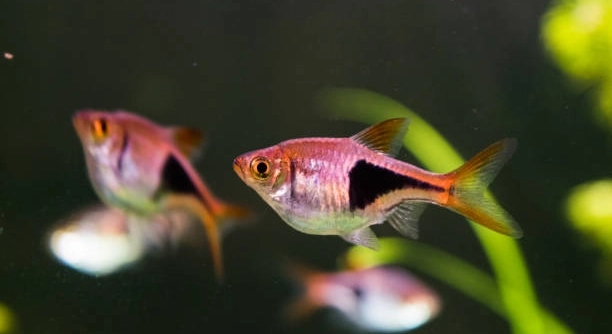
Many aquarium owners enjoy watching their rasboras swim gracefully, but sometimes they notice sudden scattering after feeding. This behavior can seem alarming, especially when everything in the tank appears normal and the fish were previously calm and social.
Rasboras scatter after feeding primarily due to sudden movement or disturbances in their environment. Changes in lighting, water flow, or the introduction of food can trigger a natural flight response, causing them to dart away from perceived threats quickly.
Understanding these patterns helps create a calmer environment and ensures feeding times remain stress-free for your fish.
Common Reasons Rasboras Scatter During Feeding
Rasboras are naturally skittish fish, and even small changes in their tank can make them dart in different directions. Sudden lighting shifts, noises near the aquarium, or strong water currents often startle them. When food is introduced, they may scatter to avoid perceived threats before returning to feed. Temperature fluctuations or chemical changes in the water can also make them uneasy. Some rasboras are more timid than others, and their individual personalities affect how they react during feeding. Even if the tank looks calm, they may sense subtle vibrations or reflections. Overcrowding can increase stress levels, causing them to scatter more frequently. Observing their behavior regularly helps identify patterns, such as specific feeding times or locations that trigger anxiety. Creating a predictable environment with gentle movements and consistent feeding routines helps them feel secure. Over time, they become more confident and scatter less, enjoying the food without panic.
Adjusting the feeding method can significantly reduce scattering, especially when food is introduced gradually.
Keeping the feeding area calm, using floating food, and limiting sudden movements allows rasboras to feed without fear. A consistent routine helps them associate feeding with safety rather than stress, reducing erratic swimming over time.
How Tank Setup Affects Feeding Behavior
Tank decorations, plants, and hiding spots directly influence how rasboras behave during feeding.
Rasboras feel safest when they have places to hide, such as dense plants or driftwood. Open areas can make them nervous, causing scattering when food is added. The size of the tank also matters; small tanks with strong currents or bright lighting can make feeding stressful. Filtration systems that create strong turbulence may push the fish around, adding to their anxiety. Keeping water clean and at a stable temperature reduces unexpected stimuli that trigger flight responses. Observing where they prefer to gather can guide the placement of feeding zones. By adjusting décor to balance open swimming areas with secure hiding spots, feeding becomes more relaxed. Consistent light cycles and minimal external noise contribute to calmer behavior. Understanding each fish’s preferences ensures they feel comfortable while feeding, and small adjustments in setup can significantly improve their daily routine. Over time, they learn to associate feeding with a calm, safe environment, reducing unnecessary scattering and stress.
Feeding Techniques to Reduce Scattering
Slowly sprinkling food allows rasboras to approach without feeling threatened. Avoid dropping large amounts at once, as sudden movement can trigger panic.
Feeding in small portions gives the fish time to recognize food without sudden bursts of activity. Using floating flakes rather than sinking pellets can help timid rasboras feel safer, as they remain near the surface and can pick food gradually. Observing their preferred feeding spots also helps; some may favor corners or areas near plants. Rotating feeding locations occasionally prevents them from becoming too cautious or startled. Consistency in timing is key. Regular, gentle feeding creates a predictable pattern that the fish can trust, reducing scattering over weeks. Avoiding fast hand movements near the tank ensures they associate feeding with calm, not sudden disturbances. Over time, this technique encourages confident feeding behavior and improves overall tank harmony.
Introducing live or frozen foods carefully also keeps rasboras calmer. Dropping food slowly helps them focus on eating rather than escaping, and mimics natural foraging behavior. Watching them adapt shows how subtle changes can make feeding times less stressful.
Water Quality and Its Impact on Behavior
Stable water conditions are essential for calm feeding behavior. Fluctuations in temperature or pH can make rasboras nervous and scatter during meals.
Regular water testing and partial changes maintain a consistent environment. Sudden spikes in ammonia or nitrites create stress that can trigger flight responses. Proper filtration ensures water remains clear and free of debris, allowing fish to feel safe while eating. Temperature stability is particularly important; a few degrees’ change can cause agitation. Maintaining appropriate hardness and pH levels reduces physiological stress. Even subtle chemical changes from uneaten food or additives can affect behavior. Observing how fish react after water adjustments helps identify issues before they become serious. Adequate aeration and gentle currents prevent strong turbulence that could frighten them during feeding. A clean, stable tank promotes relaxed behavior, making feeding more predictable and enjoyable for rasboras.
Social Dynamics in Rasboras
Rasboras are schooling fish, and their behavior is influenced by group dynamics. A few nervous fish can trigger scattering in the entire school.
Keeping at least six rasboras together helps them feel secure. Smaller groups tend to be more easily startled and may scatter more during feeding.
Impact of Tank Lighting
Bright or sudden lighting changes can stress rasboras and cause them to dart around the tank. Gradual light transitions reduce this problem. Consistent light schedules help fish anticipate daily routines, including feeding times, and minimize panic reactions.
Food Type Considerations
Different foods can affect how rasboras feed. Flakes, pellets, and live foods each have unique movement patterns in water, influencing how the fish respond. Observing which types cause less scattering can guide feeding choices and create a calmer feeding environment.
Avoiding Overfeeding
Overfeeding can overwhelm rasboras and lead to chaotic behavior. Providing measured portions ensures all fish have access without triggering unnecessary stress.
FAQ
Why do my rasboras scatter even with a calm tank?
Rasboras are sensitive to subtle changes in their environment. Even minor vibrations, reflections on the glass, or nearby movement outside the tank can make them nervous. Their natural instinct is to dart away from anything they perceive as a potential threat. Small disturbances may seem harmless to us, but fish interpret them as danger. Some rasboras are naturally more timid, so behavior can vary between individuals. Observing patterns over time helps identify specific triggers and allows you to create a calmer environment.
Can water temperature cause scattering?
Yes. Sudden changes in water temperature, even a few degrees, can make rasboras feel unsafe. Cold water may slow them down, while warmer water can make them hyperactive and more likely to scatter. Keeping the tank within their preferred temperature range (around 22–28°C) ensures they feel comfortable during feeding. Using a reliable heater and thermometer helps maintain consistency. Avoid placing the tank near drafts, heaters, or direct sunlight, which can cause fluctuations. Stable temperature over time reduces stress-related behavior and promotes calm feeding routines.
Does the number of fish in the tank affect scattering?
Absolutely. Rasboras are schooling fish and feel safest in groups of at least six. Smaller groups are more easily startled, and a single nervous fish can trigger a chain reaction, causing the whole school to scatter. Overcrowding, however, also increases stress and competition, leading to frantic movement during feeding. Finding the right balance between group size and tank space is crucial. Observing how the school interacts helps identify the optimal number of fish for a peaceful environment. Proper group dynamics reduce panic responses and create a calmer feeding atmosphere.
What role does tank decoration play?
Decorations, plants, and hiding spots directly influence rasboras’ sense of security. Dense plants or driftwood offer shelter and reduce fear, while open, bare areas may make them feel exposed. Placing feeding zones near plants allows fish to grab food while feeling safe. Avoiding sharp decorations prevents injuries during rapid movement. Rearranging the tank occasionally can make them cautious, so keep changes gradual. A well-thought-out layout balances open swimming space with safe hiding spots, encouraging confident feeding behavior. Observing where the fish prefer to gather informs decoration placement for less scattering.
How should I feed my rasboras to prevent scattering?
Feed in small, gradual portions rather than dumping a large amount at once. Floating flakes are often less intimidating than sinking pellets because fish can eat at their own pace. Using feeding tweezers for live foods allows control over movement, preventing sudden splashes or chaos. Keep your hands and movements slow near the tank to avoid startling them. Consistency in feeding times and methods helps rasboras associate meals with safety, reducing panic responses over time. Watching their behavior during feeding provides clues for minor adjustments to improve calmness.
Can water quality affect feeding behavior?
Yes. Poor water quality creates stress that can make rasboras scatter. Ammonia, nitrite spikes, or high nitrate levels irritate them and trigger a flight response. Regular water testing, partial changes, and proper filtration maintain stable conditions. Even leftover food decomposing in the tank can disturb water chemistry. Clean, stable water reduces anxiety and supports calm, predictable feeding. Aeration should be gentle to avoid strong currents that could make feeding stressful. Maintaining ideal water parameters ensures the fish focus on eating rather than escaping.
Is lighting important during feeding?
Yes. Sudden bright light or turning lights on abruptly can scare rasboras. Gradual light transitions are better, allowing them to adjust before feeding. A consistent day-night cycle helps them anticipate routines, making feeding less stressful. Dimming lights slightly during feeding may also encourage calmer behavior. Avoid reflections or flickering from nearby sources, as this can trigger darting. Proper lighting management makes the tank feel safe and predictable, encouraging relaxed feeding sessions.
What are signs of stress related to feeding?
Erratic swimming, hiding immediately after food is added, and constant darting are common signs. Fish may refuse food temporarily or gather in corners of the tank. Over time, these behaviors can indicate persistent stress. Adjusting feeding methods, tank setup, and water quality usually reduces these responses. Observing patterns helps identify whether stress is situational or ongoing. Stress reduction improves overall health, encourages consistent feeding, and enhances the peaceful behavior of the school.
How long does it take for rasboras to stop scattering?
With consistent feeding routines, stable water conditions, and a secure environment, most rasboras gradually become calmer. Some timid individuals may take weeks to adjust, while confident fish adapt faster. Patience is key; sudden changes can reset progress. Observing their behavior over several feeding sessions allows gradual improvement. Using slow, predictable feeding methods and maintaining consistent tank conditions encourages confidence, ultimately reducing scattering and improving overall tank harmony.
Rasboras are delicate and sensitive fish that can react strongly to changes in their environment. Even in a well-maintained tank, sudden movements, vibrations, or reflections can cause them to scatter. This behavior is natural and rooted in their instinct to avoid predators. Understanding that this is a normal response can help you manage your expectations and reduce frustration during feeding. Observing your fish carefully over time is important. You may notice patterns in their behavior that reveal specific triggers, such as certain areas of the tank, types of food, or times of day. These observations allow you to make small adjustments that improve their comfort and feeding routine. Keeping the tank calm, consistent, and predictable is key to encouraging peaceful behavior.
Feeding routines play a big role in whether rasboras scatter or feed calmly. Large amounts of food introduced too quickly can startle them, while slow, measured portions help them adjust and approach safely. The type of food also matters; floating flakes are often less stressful than sinking pellets, and live foods should be introduced gently to avoid creating chaos in the tank. Group dynamics are equally important. Rasboras are schooling fish, and they feel safer in groups of at least six. Smaller groups or overly crowded tanks increase stress, making scattering more likely. By paying attention to their preferences, such as favorite feeding areas or hiding spots, you can create an environment where they feel secure while eating. Over time, consistent and careful feeding helps them learn that feeding is a safe and predictable activity, reducing frantic movements.
Water quality and tank setup are other critical factors in minimizing stress during feeding. Stable temperature, clean water, and proper filtration are essential for calm behavior. Sudden changes in pH, temperature, or water chemistry can make even the most confident rasboras anxious. Decorations, plants, and hiding spots give them a sense of security and reduce panic responses. Open areas should be balanced with cover so they can explore without feeling exposed. Consistent lighting, gentle currents, and minimal disturbances outside the tank also contribute to a calm feeding environment. By combining careful feeding, stable water conditions, and a thoughtfully arranged tank, you create a setting where rasboras feel safe and confident. Over time, these small but consistent efforts reduce scattering, improve their overall health, and make watching them a more enjoyable and stress-free experience.

Hello,
If you enjoy the content that we create, please consider saying a "Thank You!" by leaving a tip.
Every little bit helps us continue crafting quality advice that supports the health, happiness, and well-being of pets around the world, for pets of all shapes, sizes, and species.
We really appreciate the kindness and support that you show us!