
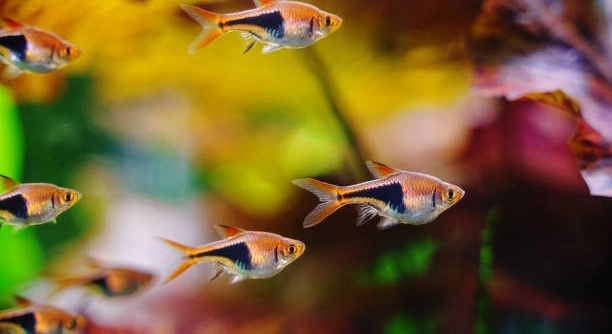
Keeping a group of Rasboras calm and healthy requires attention to their environment and interactions. Observing their behavior and maintaining a stable aquarium can ensure they thrive together peacefully without unnecessary stress or conflict.
A calm and healthy Rasbora group exhibits synchronized swimming patterns, minimal aggression, clear eyes, vibrant coloration, active foraging, regular schooling behavior, and tolerance of tank mates. These traits indicate proper care, suitable water parameters, and balanced nutrition within a well-maintained habitat.
Maintaining these traits ensures a harmonious aquarium and supports the long-term well-being of every Rasbora in your care.
Observing Synchronized Swimming
Watching Rasboras move together is a sign of a healthy group. When they swim in harmony, it reflects comfort and trust within their environment. Their coordinated movements show they feel secure and unthreatened, which is essential for their overall well-being.
Synchronized swimming indicates that the fish are relaxed and adapting well to their surroundings.
Regular observation can help identify changes in behavior early. Healthy Rasboras swim in tight schools, turning together, and maintaining distance without collisions. Disruptions in their pattern may signal stress, water quality issues, or illness. By noting these patterns daily, adjustments to tank conditions, diet, or group composition can be made before minor problems escalate, ensuring the group remains balanced. Simple measures like maintaining stable temperature, proper filtration, and providing hiding spaces contribute to consistent schooling behavior. Feeding small amounts at regular intervals supports activity and reduces aggression. Over time, consistent care reinforces trust within the group. This attentiveness helps maintain vibrant, active, and healthy Rasboras that display natural behaviors, enhancing both their health and your observation experience.
Clear Eyes and Vibrant Coloration
Clear eyes and vibrant colors are visual indicators of good health.
Maintaining proper water quality and a nutritious diet helps Rasboras retain their natural appearance. High-quality food and regular water changes prevent dullness and cloudiness. Stress reduction also plays a role, as peaceful conditions encourage bright coloration. Observing these traits daily allows early detection of illness. Subtle fading or cloudy eyes can indicate underlying problems such as poor water conditions, parasites, or nutritional deficiencies. Prompt attention ensures quick recovery and prevents further issues. By monitoring eye clarity and color, adjustments to lighting, diet, and tank maintenance can be made efficiently. Consistency in care supports longevity, vitality, and natural behavior in Rasboras. Over time, maintaining these standards enhances both the visual appeal of the aquarium and the overall harmony of the group, creating a healthy, lively environment for the fish to thrive.
Active Foraging
Rasboras that actively search for food show healthy energy levels. They explore the tank, picking at surfaces and swimming through plants, which signals proper nutrition and well-being.
Active foraging supports physical health and mental stimulation. Providing a varied diet, including flakes, micro-pellets, and occasional live or frozen foods, encourages natural hunting behaviors. Observing their feeding patterns helps identify if any fish are undernourished or stressed. Consistency in feeding times reinforces routine and reduces competition. Overfeeding, however, can lead to water quality issues and lethargy. Small, frequent feedings ensure all fish get adequate nutrition while maintaining tank cleanliness. A stimulating environment with plants and hiding spots further encourages exploration, keeping the group engaged and active. Healthy Rasboras demonstrate curiosity, darting through their habitat with purpose and precision.
Balanced feeding strengthens immunity and promotes bright coloration, making for a more vibrant and lively group. Monitoring their activity ensures they remain energetic and content within the aquarium.
Tolerance of Tank Mates
Rasboras coexist peacefully with compatible species, showing minimal aggression or stress. Their ability to share space indicates comfort and proper social structure.
Introducing tank mates gradually helps maintain harmony. Choose species of similar size and temperament to reduce conflicts. Observing interactions ensures no bullying or chasing occurs.
Peaceful cohabitation depends on consistent care and environment stability. Overcrowding can trigger territorial behavior, leading to stress and potential injury. Proper tank setup with plants, hiding spaces, and open swimming areas reduces friction among fish. Compatibility also relies on feeding strategies, as competition can create tension. By maintaining water quality and monitoring behavior, aggression can be minimized, ensuring all species thrive. Tank mates that share similar water parameters and activity levels integrate more smoothly, promoting a balanced and calm community. The overall dynamic improves when the group feels secure and undisturbed. Regular observation is key to sustaining this balance and preventing issues before they escalate.
Regular Schooling Behavior
Healthy Rasboras maintain consistent schooling, swimming together in tight formations. This behavior reflects security, social cohesion, and proper environmental conditions within the aquarium.
Disruptions in schooling, such as isolation or erratic movement, often indicate stress or illness. Observing patterns helps address issues early and maintain harmony within the group.
Minimal Aggression
Aggressive behavior is rare in a well-maintained Rasbora group. Conflicts usually occur only when space or resources are limited.
Maintaining proper tank size, balanced feeding, and sufficient hiding spots reduces competition. A calm environment encourages cooperative interactions, supporting the overall health and stability of the group.
Stable Environmental Conditions
Consistent water temperature, pH, and cleanliness are essential for Rasboras. Fluctuations can cause stress, illness, or changes in behavior. Regular testing, partial water changes, and gentle filtration maintain stable conditions, helping the group thrive. Monitoring the environment ensures long-term health and a calm, active community.
Vibrant Coloring
Rasboras display brighter colors when healthy and stress-free. Dullness often signals dietary deficiencies, illness, or poor water quality.
FAQ
What is the ideal tank size for a Rasbora group?
A tank of at least 20 gallons is recommended for a small group of Rasboras. This provides enough space for swimming, schooling, and establishing territories. Larger tanks reduce stress and aggression, helping the fish maintain natural behavior and energy levels. Proper space also supports stable water conditions.
How many Rasboras should be kept together?
Rasboras are schooling fish, so a minimum of six is suggested. Smaller groups may show stress, loneliness, or irregular swimming patterns. Larger groups create a natural social structure, promote synchronized movements, and reduce aggression among individuals. Observation of group behavior is easier in a cohesive school.
What water parameters are best for Rasboras?
Rasboras thrive in water with a temperature between 74°F and 82°F. pH should range from 6.5 to 7.5, with soft to moderately hard water. Maintaining stable parameters prevents stress, encourages vibrant coloring, and supports overall health. Regular testing and gradual adjustments are essential.
How often should I feed my Rasboras?
Feeding small amounts twice a day works best. Overfeeding can lead to poor water quality and obesity. A varied diet including flakes, micro-pellets, and occasional frozen or live foods ensures proper nutrition. Observing consumption helps determine if all fish are eating adequately.
Why do Rasboras sometimes isolate themselves?
Isolation can indicate stress, illness, or bullying from tank mates. Monitoring water quality, feeding habits, and behavior can identify the cause. Providing hiding spots and maintaining a peaceful environment encourages reintegration and restores normal schooling behavior.
How can I reduce aggression in a Rasbora tank?
Aggression often comes from overcrowding, lack of hiding spots, or incompatible tank mates. Increasing space, adding plants or decorations, and choosing peaceful companions help. Consistent feeding and environmental stability also reduce tension within the group.
What are signs of a healthy Rasbora?
Healthy Rasboras display clear eyes, bright colors, active swimming, synchronized schooling, and regular foraging. They coexist peacefully with tank mates and respond positively to feeding. Any deviations from these behaviors may indicate stress, illness, or environmental issues.
Can Rasboras live with other fish species?
Yes, compatible species of similar size and temperament work best. Avoid aggressive or much larger fish that may harass them. Peaceful cohabitants enhance a calm environment, while overcrowding or incompatible species increase stress and risk of injury.
How often should water changes be performed?
Regular partial water changes, about 25% weekly, maintain water quality. This prevents the buildup of harmful chemicals and supports consistent temperature and pH. Monitoring water clarity and testing parameters ensures a healthy environment for Rasboras to thrive.
Why is synchronized swimming important?
Synchronized swimming reflects social cohesion, security, and a calm environment. Disruptions may indicate stress, illness, or improper conditions. Observing schooling patterns regularly allows early intervention, helping maintain the group’s health and overall well-being.
What is the best way to introduce new Rasboras to an established group?
Acclimate new fish gradually using a drip method or floating bag technique. Introduce them slowly to reduce stress and prevent aggression. Observing interactions ensures the new arrivals integrate smoothly without disturbing the established social structure.
How do I maintain vibrant coloration in Rasboras?
A balanced diet, clean water, and minimal stress are key. Providing plants, appropriate lighting, and peaceful tank mates encourages natural brightness. Observing colors over time helps identify potential dietary or health issues early.
Can Rasboras get sick easily?
Stress, poor water quality, and improper diet increase susceptibility. Maintaining stable conditions, regular feeding, and prompt attention to behavior changes reduce risk. Quarantining new fish helps prevent disease introduction to the established group.
How long do Rasboras typically live?
With proper care, Rasboras can live 4 to 6 years. Longevity depends on diet, water quality, tank environment, and stress reduction. Observing daily behavior ensures they remain healthy and active throughout their lifespan.
Are Rasboras compatible with plants?
Yes, they enjoy planted tanks. Plants provide hiding spots, reduce stress, and encourage natural foraging. Live plants also help maintain water quality and create a more natural environment, supporting both mental stimulation and overall health.
What should I do if a Rasbora stops eating?
Loss of appetite can signal illness, stress, or water issues. Check water parameters, ensure proper feeding, and observe for other symptoms. Isolate sick fish if necessary and adjust care to restore normal behavior and consumption.
How can I encourage schooling in a new group?
Provide open swimming space, consistent feeding, and minimal disturbances. Keeping the group together and adding visual markers like plants or decorations can reinforce synchronized movement. Over time, they naturally form tight, cohesive schools.
Do Rasboras require special lighting?
Moderate lighting is sufficient. Too bright or too dim conditions can stress them or affect plant growth. A stable light cycle supports natural behavior, coloration, and overall well-being. Observing their response helps adjust intensity appropriately.
What are common signs of stress in Rasboras?
Erratic swimming, hiding, faded colors, isolation, or rapid gill movement are stress indicators. Addressing water quality, tank mates, feeding, and environment stability helps reduce stress and restore calm behavior.
Can Rasboras tolerate varying water temperatures?
They prefer stable temperatures. Sudden fluctuations cause stress and increase disease risk. Gradual adjustments are necessary if changes are required, and using a reliable heater ensures consistent conditions for their health and activity.
This FAQ provides practical answers to maintain a calm, healthy, and visually vibrant Rasbora group while supporting long-term aquarium stability.
Final Thoughts
Maintaining a calm and healthy Rasbora group requires attention to both their environment and daily care. Observing their behavior closely is essential to understanding their needs and ensuring their well-being. Healthy Rasboras exhibit synchronized swimming, active foraging, and vibrant colors, all of which reflect a well-maintained tank and proper care. Providing adequate space, hiding spots, and compatible tank mates helps prevent stress and aggression, allowing the fish to display natural behaviors. Consistency in feeding and water maintenance supports their physical health and encourages social harmony within the group. By keeping these factors in mind, the aquarium becomes a stable and enjoyable environment for the Rasboras to thrive.
Proper water quality and nutrition are fundamental to the group’s overall health. Regular testing of water parameters, including temperature, pH, and hardness, ensures stability and prevents illness. Partial water changes help maintain cleanliness, while a balanced diet supports energy levels and coloration. Observing daily feeding patterns can identify potential issues early, such as undernourished fish or signs of stress. Small adjustments to the environment, like adding plants or decorations, can improve swimming space and provide hiding areas, reducing tension among tank mates. Maintaining consistent conditions and routines promotes a sense of security, allowing the Rasboras to interact naturally and maintain their schooling behavior. Paying attention to these details strengthens the group’s resilience and ensures long-term vitality.
Long-term care involves patience, observation, and gradual improvements. Even minor changes in the tank can affect behavior, so monitoring the group regularly is key. Noticing small differences in coloration, activity, or interactions can prevent more serious health problems. A calm and vibrant Rasbora group results from steady, consistent care rather than quick fixes or reactive measures. Over time, understanding the fish’s needs and responding appropriately creates an environment where the group thrives, displaying natural behaviors, bright coloration, and active schooling. By focusing on stability, nutrition, and social balance, the aquarium remains a healthy and peaceful space, supporting the well-being of every Rasbora while allowing their beauty and natural behaviors to shine.

Hello,
If you enjoy the content that we create, please consider saying a "Thank You!" by leaving a tip.
Every little bit helps us continue crafting quality advice that supports the health, happiness, and well-being of pets around the world, for pets of all shapes, sizes, and species.
We really appreciate the kindness and support that you show us!