
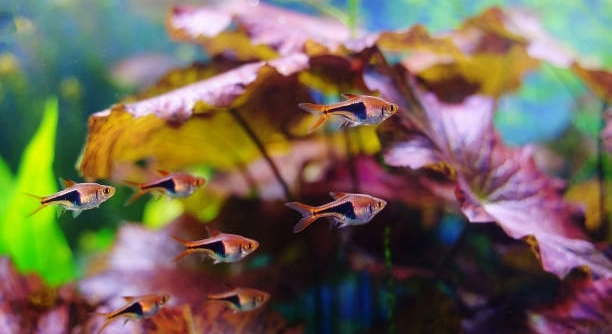
Do your small aquarium fish seem unsettled around strong currents? Rasboras, known for their peaceful nature, thrive in environments with gentle water movement. Providing the right flow helps them swim comfortably and maintain their health in a tank.
Rasboras prefer calm and moderate water currents that do not disrupt their schooling behavior. Gentle flows reduce stress, promote stable swimming patterns, and mimic their natural habitats, contributing to overall well-being and optimal growth in captivity.
Maintaining appropriate flow is essential, as even slight adjustments can create a more harmonious environment for your rasboras to flourish.
Gentle Filter Flow
A gentle filter flow is ideal for rasboras because it moves water steadily without creating strong currents. Many aquarium filters have adjustable settings, allowing you to reduce the output and create a calmer environment. This type of flow helps distribute oxygen evenly and keeps waste from accumulating in certain areas. It also encourages natural swimming patterns, letting rasboras glide smoothly through the tank. In addition, gentle flow reduces stress, which is critical for small schooling fish. Stress can lead to weakened immunity and unusual behavior, so keeping the flow mild supports their overall health. Plants and decorations also benefit, as they remain in place and are not disturbed by strong currents. Many aquarists notice that rasboras spend more time exploring when water movement is moderate. Observing their behavior helps ensure the filter flow is appropriate. Adjusting the filter gradually allows fish to acclimate without sudden changes that might startle them.
Gentle filter flow helps rasboras remain active, healthy, and comfortable, mimicking conditions similar to their natural habitat.
Maintaining a soft filter current requires careful observation. Positioning the filter output toward the tank corner or using a flow diffuser can help spread water movement more evenly. Live plants, floating or rooted, further slow currents and create sheltered swimming areas. These adjustments ensure rasboras can school naturally without struggling against strong water flow. Regular monitoring is necessary, as changes in tank size or population can affect water dynamics. Providing this steady, calm environment also benefits other tank inhabitants, reducing stress and supporting a balanced ecosystem. Even subtle tweaks, such as lowering pump speed or angling the filter, make a noticeable difference. The combination of controlled flow and structural elements like plants and rocks allows rasboras to exhibit normal behaviors, feeding and swimming confidently. This approach enhances both the health of the fish and the visual harmony of the aquarium, creating a tranquil and well-maintained habitat.
Sponge Filter Circulation
Sponge filters provide gentle water movement suitable for delicate rasboras.
Sponge filters operate with an air pump that pushes water through a porous sponge, creating a soft flow. This gentle circulation reduces stress while promoting biological filtration, which keeps water clean and safe. They also provide hiding spots for tiny fry or shy fish, supporting overall tank balance. Sponge filters are low-maintenance, easy to clean, and do not disturb plants or decorations. Many aquarists find that fish spend more time near these filters because the water movement is subtle yet consistent. Installing a sponge filter in a tank of rasboras ensures oxygenation, minimal current, and a calm environment for schooling behavior. Adjusting air output allows you to control flow without compromising filtration, making it a versatile and effective option for small, peaceful fish.
Air Stone Bubblers
Air stone bubblers create a gentle, upward water movement that rasboras find calming. The small bubbles increase oxygenation without producing strong currents, allowing fish to swim naturally while benefiting the tank environment.
Using an air stone with a low-output pump provides consistent, subtle water motion. The bubbles create micro-currents that lightly stir the water, preventing stagnation while maintaining a peaceful habitat. Rasboras respond well to this gentle flow, often swimming through the rising bubbles or resting nearby. The soft movement does not disrupt plants or decorations, and it helps evenly distribute heat and nutrients. Over time, observing your fish near the air stone can indicate if the flow is appropriate, as stressed or struggling fish may avoid areas with excessive turbulence. Air stones are also simple to maintain, requiring periodic cleaning to remove mineral buildup. This ensures a steady, effective flow that supports healthy rasboras and a balanced aquarium ecosystem.
Consistent use of air stone bubblers enhances tank oxygenation, reduces localized waste buildup, and encourages natural schooling behavior in rasboras, contributing to long-term health.
Powerhead Diffused Flow
Diffused powerheads spread water gently across the tank when fitted with a flow diffuser. This prevents strong currents while maintaining movement necessary for oxygenation and circulation.
Positioning a powerhead with a diffuser near the tank corner reduces direct force on the fish while creating a uniform flow throughout the aquarium. This method ensures that water moves evenly around plants and decorations without disturbing their placement. Rasboras experience a mild current that encourages active swimming without stress, maintaining their natural schooling patterns. Diffusers can be adjusted or angled to fine-tune the flow, accommodating tank size and fish population. Regular monitoring allows for incremental changes, helping to avoid sudden shifts in current that could frighten the fish. Combining a diffused powerhead with gentle filtration enhances water quality and supports a stable environment, promoting healthy growth and behavior. Proper use creates a balance where both aquatic plants and rasboras thrive together, improving overall tank harmony.
Gentle Hang-On-Back Filter
Hang-on-back filters can be adjusted to provide a soft flow suitable for rasboras. By lowering the output or angling the return, water movement becomes calm and non-disruptive.
These filters also maintain consistent filtration, helping to keep water clean while supporting a gentle current. Rasboras swim freely without being pushed around, allowing natural schooling behavior to continue.
Floating Plants Barrier
Floating plants naturally reduce surface currents and provide sheltered areas for rasboras. Their leaves slow water movement while creating shaded zones for resting.
Low-Flow Internal Filter
Internal filters with adjustable flow offer targeted water circulation that remains mild. This controlled flow prevents stress while maintaining oxygenation and cleanliness in the tank.
FAQ
What is the ideal water flow for rasboras?
Rasboras thrive in gentle to moderate water flow that does not overwhelm them. Strong currents can stress these small fish, disrupting their schooling patterns and swimming behavior. A mild, consistent flow ensures that oxygen is evenly distributed and waste does not accumulate in corners of the tank. Using adjustable filters, air stones, or diffused powerheads allows precise control, creating a calm environment that mimics natural habitats. Observing the fish is important, as they will avoid areas where the flow is too strong, providing a clear indicator for adjustments.
Can rasboras handle strong water currents?
Rasboras are delicate schooling fish that prefer calm waters. Strong currents cause stress, fatigue, and can lead to injury if they are pushed against decorations or the tank walls. Over time, constant exposure to high flow can affect their health, reduce appetite, and increase susceptibility to disease. It is better to provide areas of low flow or use flow diffusers to reduce turbulence. Some tanks may require stronger filtration for larger setups, but creating zones with minimal current ensures rasboras can swim naturally and rest when needed, maintaining overall well-being.
How do I create gentle flow in a tank?
There are several methods to achieve gentle water movement. Adjustable hang-on-back or internal filters can be set to lower speeds. Air stones create soft, rising bubbles that stir water subtly. Powerheads fitted with diffusers spread the current evenly, avoiding direct pressure on the fish. Floating plants and decorations act as natural flow barriers, slowing water movement and providing resting areas. Combining these techniques ensures circulation without stress. Regular observation is key, as tank size, fish count, and equipment changes can alter flow dynamics. Gradual adjustments allow rasboras to acclimate without sudden disruptions.
Do plants affect water flow for rasboras?
Yes, plants significantly influence flow in the tank. Floating and rooted plants slow down currents by obstructing direct water movement, creating calm zones for rasboras to explore and rest. Plants also improve oxygen levels, stabilize temperature, and reduce stress by providing natural hiding spots. Dense plant areas near filters or powerheads diffuse strong water movement, ensuring the overall environment remains gentle. Incorporating a mix of floating and anchored plants allows balanced circulation while supporting natural behavior, making them a simple yet effective way to manage water flow.
How often should I check flow levels for rasboras?
Flow levels should be monitored regularly, especially after adding new equipment, rearranging decorations, or changing the tank population. Daily observation in the first few weeks helps ensure fish are swimming comfortably and not struggling against currents. Look for signs like fish clustering in low-flow areas, avoiding filter outputs, or showing signs of stress. Minor adjustments, like angling the filter, reducing pump speed, or adding plants, can improve conditions quickly. Routine checks maintain a stable environment, promoting healthy growth and behavior for rasboras over time.
Can multiple flow sources be used together?
Yes, combining multiple gentle flow sources is often effective for creating balanced circulation. For example, a low-output filter paired with an air stone or diffused powerhead provides soft movement without creating strong currents. Using different sources in various parts of the tank helps distribute oxygen and prevent stagnant zones while keeping the overall environment calm. Placement is important—positioning outputs away from busy swimming areas and adding plants to break currents ensures rasboras remain comfortable. This approach allows for both adequate filtration and a stress-free habitat.
What signs indicate water flow is too strong for rasboras?
Rasboras struggling against currents, constantly hiding, or avoiding certain tank areas are clear indicators that flow is too strong. Other signs include clamped fins, erratic swimming, or resting at the bottom of the tank. Fish may also show reduced appetite or signs of fatigue. Observing their natural schooling patterns can reveal whether the flow interferes with movement. Adjusting filter speed, using diffusers, or adding floating plants usually resolves the issue quickly. Ensuring a gentle environment supports healthy swimming, feeding behavior, and long-term well-being for rasboras.
Do juvenile rasboras need gentler flow than adults?
Yes, juvenile rasboras are even more sensitive to water movement. Their smaller size and weaker swimming ability make them more vulnerable to strong currents. Providing calm zones with minimal flow allows them to grow safely, learn to school, and develop strength gradually. Adult fish tolerate slightly stronger currents, but creating a uniform gentle environment benefits the entire school, reducing stress and ensuring healthy growth for juveniles and adults alike.
Final Thoughts
Creating a calm and gentle environment for rasboras is essential to their health and well-being. These small, peaceful fish are naturally adapted to slow-moving waters, and replicating this in an aquarium promotes natural swimming patterns and reduces stress. By adjusting water flow, aquarists can create conditions where rasboras feel safe and comfortable, allowing them to explore the tank and interact with other fish naturally. Even minor changes in flow, such as reducing filter output or adding floating plants, can make a noticeable difference in their behavior. Observing their response to different setups provides clear guidance on what works best, ensuring that both the fish and the aquarium ecosystem remain balanced.
Selecting the right flow method is just as important as monitoring water quality and temperature. Gentle filter flows, sponge filters, air stone bubblers, and diffused powerheads all offer ways to maintain subtle circulation without overwhelming the fish. Each option provides oxygenation and keeps water clean while minimizing turbulence. Floating and rooted plants further soften currents and provide resting areas, allowing rasboras to swim freely or pause when needed. Gradual adjustments and regular observation are key, as sudden changes in water movement can stress fish and disrupt their schooling behavior. Combining multiple gentle sources can create a well-distributed, stable flow that benefits all tank inhabitants. This careful attention to flow reflects good aquarium management and ensures a thriving environment for these delicate fish.
Maintaining a gentle water flow is not only about comfort but also about long-term health. Rasboras kept in appropriate conditions exhibit natural behavior, strong schooling, and consistent feeding patterns. Stress-free fish are less susceptible to disease and more likely to grow and reproduce successfully. Achieving the right flow requires a mix of equipment adjustments, strategic placement of decorations, and the use of live plants to create sheltered zones. Observation is the most reliable tool—watching how rasboras respond to currents helps determine whether the flow is suitable. Over time, maintaining a calm aquatic environment becomes second nature, and the benefits extend beyond rasboras to other peaceful tank species. With attention to detail and a focus on gentle water movement, aquarists can provide a harmonious, healthy habitat that supports the natural behavior and longevity of their rasboras.

Hello,
If you enjoy the content that we create, please consider saying a "Thank You!" by leaving a tip.
Every little bit helps us continue crafting quality advice that supports the health, happiness, and well-being of pets around the world, for pets of all shapes, sizes, and species.
We really appreciate the kindness and support that you show us!