
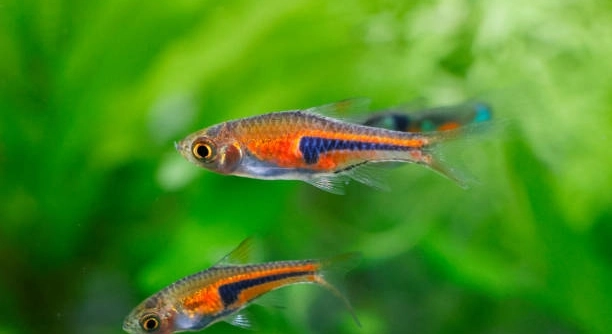
Rasboras are small, vibrant fish that bring life to any aquarium. They are known for their schooling behavior and delicate nature, making them a favorite among hobbyists. Observing their reactions can reveal unexpected interactions within their environment.
Rasboras respond to subtle environmental cues such as light intensity, water flow, tank decorations, and even the presence of other species. These factors influence their behavior, activity levels, and overall well-being, demonstrating sensitivity beyond basic feeding and care routines.
Understanding these influences can improve aquarium conditions and strengthen the bond between owners and their fish. Observing these behaviors uncovers insights often overlooked in daily care.
Light and Shadow Effects
Rasboras are highly sensitive to light conditions. Sudden changes in brightness can startle them, while soft, consistent lighting encourages calm swimming. Shadows cast by plants or decorations often trigger curiosity or cautious exploration. I noticed that even slight movement outside the tank can make them cluster together or dart around quickly. These reactions are natural, reflecting their instinct to monitor potential threats and changes in their surroundings. Over time, adjusting lighting to mimic natural daylight patterns helps maintain a stable environment. In addition, alternating light intensity gradually rather than abruptly reduces stress and promotes healthier activity. Light also influences coloration, making their patterns appear more vivid when exposure is balanced. Observing how they respond to shadows and reflections can provide insight into their comfort levels and overall behavior. Simple changes like repositioning a lamp or using diffused light can significantly affect how they interact with their habitat.
Consistent lighting improves activity and reduces stress, making rasboras more relaxed and interactive within their tank environment.
Adjusting light gradually, using gentle shades, and adding plants for natural shadowing helps mimic natural conditions. Over time, these steps enhance their colors and promote predictable, calm schooling behavior. It also allows observation of subtle behaviors, giving insight into social interactions, feeding responses, and preferred swimming areas. This careful attention ensures a healthier, more responsive group of fish.
Water Flow Sensitivity
Rasboras respond strongly to the movement of water in their tank. Gentle currents encourage exploration, while strong flows can cause them to cling to plants or corners.
Flow affects oxygenation, feeding behavior, and schooling patterns. I have seen that when current increases slightly, they swim in tighter formations, seemingly coordinating to navigate the moving water. Conversely, stagnant areas lead them to congregate near inflow points, avoiding slower sections. The design and placement of filters, bubblers, or pumps play a significant role in shaping their activity. Even minor changes, like relocating a decoration or adjusting filter output, can alter their daily patterns. Careful observation allows fine-tuning of flow for optimal swimming comfort and energy expenditure. Over time, this encourages balanced activity, reduces stress, and supports healthy interaction within the school. Ensuring areas of both gentle flow and calm corners offers choice, giving them control over their movement and rest, ultimately supporting overall well-being.
Tank Companions
Rasboras are highly aware of other fish in their tank. Peaceful species promote calm schooling, while aggressive or larger fish cause stress and hiding behavior.
I have observed that when small tetras or danios share a tank, rasboras swim openly and actively. They interact naturally, forming tight schools and responding to movement with synchronized swimming. Introducing territorial or fast-moving fish, however, leads to sudden bursts of darting and increased hiding. Over time, these interactions shape their confidence, feeding patterns, and willingness to explore. Careful selection of companions ensures balanced social dynamics and reduces unnecessary stress, supporting their natural behaviors.
Monitoring behavior daily helps detect tension or discomfort. Adjusting species combinations, tank size, and hiding spots encourages peaceful coexistence. Rasboras respond to subtle changes in companion behavior, indicating stress levels and comfort zones. Observing their swimming formations and clustering tendencies provides insight into how well they adapt. Providing consistent routines and avoiding overcrowding further supports healthy interaction, promoting a harmonious tank environment where all fish can thrive without conflict.
Feeding Habits
Rasboras respond quickly to feeding cues, even subtle ones like movement near the tank or shadows across the water. They recognize familiar signals and gather promptly.
Consistency in feeding times improves behavior and reduces stress. I have noticed that when flakes or small pellets are introduced gently, rasboras swim in unison, showing anticipation and alertness. Overfeeding or irregular schedules, however, can lead to scattered swimming, increased hiding, and selective feeding. Observing their reactions allows adjustment of portion sizes and feeding methods, ensuring nutritional needs are met without excess. Feeding small amounts multiple times encourages natural foraging and maintains water quality.
Varying food types also stimulates their responses. Live or frozen options trigger more active behavior, while flakes or pellets support steady nutrition. Rotating food types keeps their reactions dynamic, encouraging exploration and interaction with the tank environment. Over time, they learn which foods are available and respond predictably, demonstrating memory and recognition. Paying attention to subtle cues, like hesitation or clustering, informs adjustments for balanced feeding practices, maintaining both health and natural behavior patterns.
Water Temperature Changes
Rasboras react quickly to shifts in water temperature. Even a few degrees difference can make them more active or sluggish.
I have observed that gradual adjustments keep them swimming normally, while sudden changes trigger stress, clustering, or hiding. Maintaining stable conditions supports overall health and natural behavior.
Subtle Sounds
Rasboras are sensitive to vibrations and low-frequency sounds. Movement near the tank or tapping can cause quick, synchronized swimming or sudden darting. Their response is instinctive, reflecting awareness of potential disturbances in their environment. Consistent exposure to mild sounds often leads to habituation, reducing stress over time.
Plant Density
Dense plants encourage exploration and hiding behavior. Rasboras use foliage to navigate, rest, and feel secure. Proper arrangement improves comfort and promotes natural swimming patterns.
FAQ
How do rasboras react to sudden light changes?
Rasboras are highly sensitive to sudden shifts in brightness. I have seen them dart to corners or cluster tightly when a bright light is turned on abruptly. Gradual adjustments in lighting help them remain calm and maintain natural swimming patterns without stress.
Can rasboras recognize their owner?
Rasboras do respond to regular human interaction. Over time, they associate feeding and movement near the tank with a positive experience. I’ve noticed that familiar hands or gentle taps near the water trigger swimming toward the source, showing recognition and learned behavior.
What is the best water flow for rasboras?
They prefer gentle, consistent currents that allow swimming without excessive effort. Strong currents cause them to cling to plants or corners. I adjust filters and pumps to create areas of calm flow and slightly moving water to support natural schooling and exploration.
Do rasboras respond to tank decorations?
Yes, decorations influence their behavior significantly. Hiding spots, plants, and ornaments provide security and areas to explore. I’ve seen them dart behind decorations when startled and swim confidently in open areas when surroundings feel safe and familiar.
How do temperature fluctuations affect rasboras?
Even small shifts in water temperature impact activity. Gradual changes keep them active and calm, while sudden drops or rises trigger stress responses, such as clustering, rapid swimming, or hiding. I always use heaters or gradual cooling to maintain a stable range for comfort and health.
Will rasboras react to other fish in the tank?
They are highly social and react to companions. Peaceful species encourage open swimming and coordinated schooling, while aggressive or fast-moving fish cause stress and hiding. I carefully choose tank mates to maintain harmony and minimize tension, adjusting as needed to prevent constant agitation.
Do rasboras notice subtle sounds?
Yes, vibrations and low-frequency sounds affect them. Tapping the tank or nearby movement often triggers quick swimming or clustering. I’ve found that gentle, consistent sounds over time help them adapt, while sudden, loud noises should be avoided to prevent stress.
How important is plant density for rasboras?
Dense plants make them feel secure and provide places to hide and explore. I arrange plants to allow open swimming areas alongside foliage. This balance supports natural behavior, reduces stress, and encourages active, healthy schooling.
Can rasboras learn feeding routines?
They quickly associate cues with food. Regular schedules and consistent signals, such as movement near the tank or gentle tapping, prompt them to gather and swim actively. I feed small amounts multiple times a day to encourage natural foraging and reduce competition.
Do rasboras respond to reflections in the tank?
Yes, reflections can trigger curiosity or caution. I’ve noticed them investigating mirrored surfaces or shadowy reflections, sometimes causing brief bursts of swimming. Positioning the tank to reduce sudden reflections helps maintain calm behavior and reduces unnecessary stress.
Are rasboras affected by water chemistry changes?
Subtle changes in pH, hardness, or ammonia levels influence activity and comfort. I regularly test water to ensure stability, as rasboras respond with reduced swimming or increased hiding when conditions deviate from their preferred parameters. Maintaining balance keeps them healthy and active.
How do rasboras react to seasonal changes?
They can sense variations in temperature, daylight, and routine, affecting swimming patterns and activity. I adjust lighting and feeding gradually to mimic stable conditions, ensuring they remain comfortable and avoid stress during seasonal shifts.
Do rasboras respond differently to live versus processed foods?
Yes, live or frozen foods trigger more active swimming and foraging behaviors, while flakes or pellets offer predictable nutrition but less stimulation. I rotate food types to keep them engaged, ensuring balanced diets and natural responses in their environment.
Can rasboras detect my presence without tapping the tank?
They are observant and respond to subtle movements nearby. I’ve seen them gather or swim toward the source without direct contact, showing awareness of activity around their tank and demonstrating memory and recognition over time.
What environmental adjustments improve rasbora behavior?
Stable lighting, gentle water flow, dense plants, compatible tank mates, and consistent feeding all influence responses. I monitor their behavior closely and make gradual adjustments, helping them thrive while supporting natural schooling, exploration, and calm activity.
Rasboras are small, delicate fish that bring life and movement to an aquarium. Their behavior is influenced by many factors beyond basic care, including light, water flow, companions, plants, and feeding routines. Observing their responses closely helps understand their needs and comfort levels. Small changes in their environment can have noticeable effects on activity, swimming patterns, and overall well-being. By paying attention to these factors, it becomes easier to maintain a healthy, balanced tank where rasboras feel secure and can thrive. Even subtle adjustments, like rearranging decorations, modifying flow, or changing lighting gradually, can improve their behavior and reduce stress, promoting a stable and lively environment.
Consistency plays a key role in keeping rasboras healthy and active. Regular feeding schedules, stable water conditions, and predictable interactions with tank mates encourage natural behaviors and reduce anxiety. I have found that maintaining calm, gentle conditions allows them to swim freely, explore plants and decorations, and interact socially within their school. Over time, rasboras learn to respond to signals like feeding routines or movement near the tank, demonstrating memory and recognition. By providing a stable, well-planned environment, their vibrant colors, lively swimming, and coordinated schooling behavior can be fully appreciated. Adjusting factors like water temperature slowly and maintaining consistent light cycles ensures that their daily patterns remain steady, preventing stress or sudden bursts of erratic behavior.
Creating a supportive environment for rasboras requires attention to detail and patience. Dense plants, gentle water currents, compatible companions, and varied foods all contribute to their comfort and engagement. Observing their reactions and making gradual changes allows for a deeper understanding of their preferences and needs. I have noticed that small, thoughtful adjustments not only enhance their behavior but also make tank management easier, with healthier fish and a more balanced ecosystem. In addition, understanding the subtle cues rasboras give when stressed or comfortable provides guidance for future care, helping maintain a calm and thriving aquarium. Overall, attention to light, flow, social dynamics, feeding, and plant arrangements ensures rasboras are active, healthy, and displaying natural behaviors, making their presence in the tank enjoyable and enriching.

Hello,
If you enjoy the content that we create, please consider saying a "Thank You!" by leaving a tip.
Every little bit helps us continue crafting quality advice that supports the health, happiness, and well-being of pets around the world, for pets of all shapes, sizes, and species.
We really appreciate the kindness and support that you show us!