
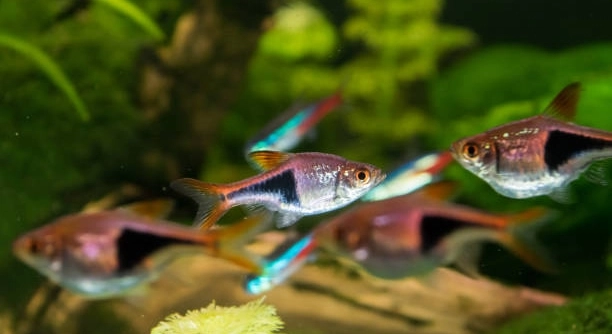
Many aquarium owners notice their rasboras gathering in one corner of the tank. This behavior can seem unusual or concerning, especially when the fish normally swim freely across the aquarium, leaving owners wondering about the cause.
Rasboras often stay in a single corner due to water conditions, tank layout, or stress. Poor oxygen levels, strong currents, or lack of hiding spots can make them feel unsafe, causing them to congregate in one area consistently.
Observing these behaviors closely can help you create a healthier, more balanced environment for your fish. Small adjustments often lead to noticeable changes in their comfort and movement.
Water Quality and Oxygen Levels
Poor water quality can make rasboras gather in one corner. High ammonia, nitrite, or nitrate levels stress the fish, making them seek safer areas. Similarly, low oxygen in the tank can cause them to cluster near better-oxygenated spots. Even slight changes in temperature can affect their comfort. Keeping the tank clean with regular water changes and monitoring water parameters ensures a stable environment. Filtration systems must be properly maintained to remove debris and harmful chemicals. Testing kits can help track water quality daily. Plants and aeration devices can increase oxygen levels, helping fish move freely. Rasboras are sensitive to sudden shifts, so gradual adjustments are better than drastic changes. Observing where they gather can reveal which corner has more favorable conditions. Light and decorations also influence their choice of space. By maintaining consistent water conditions, rasboras are more likely to explore the entire aquarium confidently.
Monitoring water quality daily helps prevent stress and keeps fish active throughout the tank.
Consistent care makes a significant difference. When rasboras have clean water, enough oxygen, and stable temperatures, they swim calmly and explore more freely. Adding live plants and hiding spots encourages natural behavior. Overcrowding or aggressive tankmates can push them to corners, so proper stocking is essential. Small changes like aerators, gentle filters, and regular water checks improve overall health. Observing their behavior helps identify issues early, ensuring they thrive.
Tank Layout and Hiding Spots
Rasboras feel safer with enough cover and organized space.
Plants, rocks, and decorations create hiding spots that reduce stress and promote movement. Avoid placing decorations in a way that blocks open swimming areas. A well-arranged tank balances cover and free space, allowing rasboras to explore without feeling threatened. Live plants provide oxygen and shelter, while driftwood and small caves give resting areas. Open areas near the middle or opposite side of the tank encourage them to swim more evenly. Regularly changing the layout slightly can prevent territorial behavior and boredom. Ensure there is no sharp décor that could injure them. Lighting affects perception of safety; dimmer areas often attract fish seeking calm.
When designing your tank, think about natural habitats. Rasboras come from slow-moving waters with plants and small hiding areas. Mimicking these conditions helps them feel secure and reduces clustering in corners. Plants near the edges provide shade, while open spaces in the center encourage schooling. Floating plants or gentle currents create variety in movement and oxygen distribution. Avoid overcrowding or blocking corners with too many decorations, as this limits their freedom. Observing their swimming patterns shows which spots they prefer and why. By adjusting tank layout thoughtfully, you can promote balanced movement, reduce stress, and maintain their natural schooling behavior. Proper decoration placement and adequate hiding areas are key to a healthy, active aquarium.
Stress and Tankmates
Rasboras often cluster in one corner when stressed by aggressive or overly active tankmates. Sudden movements, chasing, or nipping can make them feel unsafe. Keeping peaceful species together helps reduce tension and encourages even swimming throughout the aquarium.
Stress can also result from loud noises, frequent tapping on the glass, or sudden changes in lighting. Rasboras are sensitive to disturbances in their environment, and repeated stress can impact their health and appetite. Ensuring calm surroundings, a stable schedule for feeding, and minimal disruptions allows them to feel secure. Observation is key: noticing which tankmates trigger hiding or clustering helps in making adjustments. Grouping them with similarly sized, non-aggressive species supports natural schooling behavior. Over time, calm fish in a well-organized tank feel confident exploring all areas.
Monitoring fish behavior closely reveals patterns linked to stress and interaction. Small changes, like moving aggressive species or adding plants for cover, can greatly improve comfort.
Feeding Habits and Space
Uneven feeding spots often cause rasboras to gather in one area. They naturally swim toward the location of food and linger there, especially if feeding is limited or irregular.
Providing multiple feeding points encourages balanced movement. Rasboras prefer small, frequent meals spread across the tank. Floating pellets, micro flakes, or occasional live food can stimulate natural foraging behavior. Overfeeding in one spot may lead to clustering and water quality issues. Observation helps adjust feeding routines, ensuring all fish have access to food without creating territorial competition.
Tank size also influences movement. Smaller or crowded tanks restrict swimming and push rasboras toward corners. Adequate space, proper stocking, and distributed feeding encourage active schooling. Combining these adjustments with regular water checks and plants for cover promotes a healthier, more dynamic environment. Careful planning of feeding routines and tank layout ensures the fish stay balanced, reducing clustering behavior and supporting overall well-being.
Lighting and Temperature
Rasboras are sensitive to sudden changes in lighting. Bright or harsh light can make them feel exposed, pushing them to hide in corners. Gradual adjustment of light levels helps them feel comfortable.
Temperature fluctuations also affect movement. Water that is too warm or too cold can make them gather in areas with more stable conditions.
Water Current
Strong water currents can force rasboras into corners to avoid constant swimming against the flow. Gentle, evenly distributed currents allow them to swim freely. Adjusting filter output or adding deflectors can create calmer zones throughout the tank. Consistent flow mimics natural habitats and reduces stress, encouraging balanced movement.
Tank Size
Small or overcrowded tanks limit swimming space. Rasboras cluster when there isn’t enough room to school properly.
FAQ
Why do my rasboras stay in one corner all the time?
Rasboras often cluster in one corner due to stress, water quality issues, or lack of hiding spots. Low oxygen, strong currents, or poor tank layout can make them feel unsafe. Ensuring proper water parameters, gentle filtration, and secure areas encourages even movement throughout the tank.
Can water temperature affect where rasboras swim?
Yes. Rasboras are sensitive to temperature fluctuations. Water that is too cold or too warm may push them into corners where conditions are slightly better. Maintaining stable temperatures and avoiding sudden changes helps them feel comfortable and encourages normal swimming behavior.
Does tank size matter for rasboras?
Absolutely. Small or overcrowded tanks limit their swimming space. When there isn’t enough room for schooling, rasboras often stay in one corner. Providing adequate tank size, balanced stocking, and open swimming areas supports natural movement and reduces clustering.
Can tank decorations influence rasbora behavior?
Yes, decorations play a big role. Dense plants, rocks, or poorly arranged décor can create hiding spots but may also block open swimming areas. A balanced layout with both cover and open space encourages exploration while still providing security, reducing corner clustering.
Do lighting and water currents affect rasboras?
Bright, harsh light can make rasboras feel exposed, causing them to hide. Strong water currents also force them into corners to avoid constant resistance. Adjusting light intensity gradually and creating gentle, even water flow helps them feel safe and swim more freely.
How do tankmates impact rasbora behavior?
Aggressive or overly active tankmates stress rasboras, making them cluster. Nipping or chasing can push them to corners. Pairing rasboras with peaceful species of similar size reduces stress, supports schooling behavior, and promotes movement throughout the tank. Observation is essential to identify problem interactions.
Can feeding habits cause clustering?
Yes. If food is offered in only one spot, rasboras will gather there and may linger even after eating. Providing multiple feeding points and small, frequent meals encourages them to move and explore different areas of the tank naturally.
How often should I check water quality for rasboras?
Daily or at least several times a week is ideal. Monitoring ammonia, nitrite, nitrate, pH, and temperature ensures stable conditions. Poor water quality causes stress and forces them to gather in safer corners. Regular testing helps maintain a healthy environment for active, balanced swimming.
Will adding plants help?
Live or artificial plants provide cover and reduce stress, giving rasboras secure areas. Plants also improve oxygen levels and create more natural conditions. Placing them thoughtfully avoids overcrowding while encouraging schooling behavior and minimizing corner clustering.
What should I do if rasboras still stay in one corner?
Observe carefully for stress signs, water quality issues, or aggressive tankmates. Adjust lighting, water flow, tank layout, and feeding routines. Sometimes small changes, like adding hiding spots or adjusting temperature, are enough. Consistent care and monitoring gradually encourage rasboras to explore the entire tank naturally.
Are there signs that clustering indicates illness?
Yes. Lethargy, loss of appetite, faded colors, or unusual swimming patterns alongside clustering may signal illness. Checking water conditions, tankmates, and consulting resources or a veterinarian can help identify and treat potential health issues promptly.
Can rasboras adapt over time?
They can. Once water quality is stable, stressors are minimized, and tank layout supports comfort, rasboras gradually move more freely. Patience and consistent care are key, as behavioral changes often take several days to weeks to become noticeable.
Do seasonal changes affect behavior?
Seasonal temperature shifts or changes in room light can impact activity. Sudden drops in warmth or extended light periods may push them into corners. Maintaining stable conditions throughout the year helps preserve normal schooling behavior and reduces stress-related clustering.
Is overcrowding the main reason for corner behavior?
It’s one of the main reasons but not the only one. Overcrowding limits swimming space and increases stress. Even in spacious tanks, poor water quality, strong currents, or aggressive tankmates can cause clustering. Balanced stocking, adequate space, and a calm environment ensure proper movement.
How can I encourage rasboras to explore more?
Spread out feeding points, adjust decorations for open swimming areas, maintain stable water parameters, and pair them with peaceful tankmates. Gentle currents, consistent lighting, and secure hiding spots also promote confidence and active schooling behavior across the tank.
Can stress from handling or sudden changes cause corner clustering?
Yes. Frequent tapping, moving decorations, or sudden water changes can stress rasboras. Stress often makes them stay in a corner until they feel safe. Minimizing disturbances and making gradual adjustments helps them regain normal swimming patterns.
What is the ideal tank setup for active rasboras?
A well-planted tank with open swimming areas, gentle filtration, stable temperature, and peaceful tankmates supports natural schooling. Multiple feeding points, soft lighting, and regular water maintenance reduce stress, promote exploration, and minimize corner clustering. Proper planning ensures healthy, active behavior over time.
How long does it take for rasboras to stop clustering?
It varies depending on the cause. After correcting water quality, temperature, and layout, noticeable changes can appear within days to weeks. Patience is important, as rasboras need time to feel secure and adjust to improved conditions. Consistent care speeds up recovery of normal behavior.
Rasboras are small, peaceful fish that can bring a lot of life to an aquarium, but their behavior can sometimes be puzzling. One common concern is when they gather in just one corner of the tank. This behavior is usually linked to environmental factors rather than a serious problem with the fish themselves. Understanding why rasboras behave this way is the first step in creating a comfortable and balanced tank. Factors like water quality, temperature, lighting, and tank layout all play a role in their comfort. When one or more of these elements are not ideal, the fish naturally seek out the area that feels safest, which often ends up being a corner. By paying attention to these details, owners can help their rasboras feel secure and encourage normal schooling behavior.
Maintaining proper water conditions is essential for the overall health and activity of rasboras. Regular water testing for ammonia, nitrite, nitrate, and pH levels ensures that the environment stays within safe limits. Temperature stability is equally important, as sudden fluctuations can stress the fish and make them retreat to a corner. Additionally, adequate oxygen levels and gentle water flow help rasboras swim freely throughout the tank. Adding plants, rocks, and other decorations strategically provides hiding spots without overcrowding, giving the fish both security and space to explore. Tank size and stocking density also affect their behavior. Overcrowding limits movement, while a well-organized layout encourages balanced swimming. Peaceful tankmates that do not chase or nip the rasboras further reduce stress, promoting calmer, more natural behavior.
Feeding routines and careful observation also make a significant difference in encouraging active behavior. Rasboras naturally swim toward food, so offering multiple feeding points and small, frequent meals helps prevent them from lingering in one spot. Watching their patterns can reveal stress triggers, aggressive tankmates, or areas with poor water conditions. Gradually adjusting lighting, temperature, and décor allows the fish to adapt without fear, creating a more harmonious environment. Over time, with consistent care and attention to their needs, rasboras become more confident, exploring all areas of the tank instead of clustering in one corner. By focusing on water quality, tank layout, feeding, and peaceful conditions, owners can support healthy, active schooling behavior that reflects the fish’s natural tendencies.

Hello,
If you enjoy the content that we create, please consider saying a "Thank You!" by leaving a tip.
Every little bit helps us continue crafting quality advice that supports the health, happiness, and well-being of pets around the world, for pets of all shapes, sizes, and species.
We really appreciate the kindness and support that you show us!