
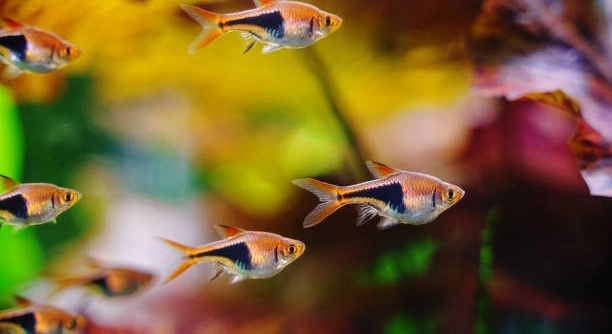
Many aquarists enjoy keeping rasboras for their peaceful nature and vibrant colors. These small freshwater fish add life to any tank and respond to their surroundings in subtle, interesting ways that captivate observers naturally.
Rasboras are indeed sensitive to sudden shadows. Rapid changes in light can trigger a startle response, causing them to dart quickly or hide. Their reactions are a natural survival mechanism, reflecting an instinctive need to avoid potential threats in their environment.
Observing their behavior closely can help maintain a calm, stress-free aquarium environment. This understanding enhances both the fish’s wellbeing and your enjoyment as a hobbyist.
How Sudden Shadows Affect Rasboras
Sudden shadows can startle rasboras, even in a well-maintained tank. Their small size and natural prey instincts make them highly alert to changes in light or movement. When a shadow passes over the tank, they may dart quickly or gather near plants for cover. Repeated exposure to abrupt lighting changes can cause stress, affecting feeding and social behavior. Stress can also weaken their immune system, making them more susceptible to disease. Tank decorations and floating plants can help diffuse light, reducing sudden contrasts. Observing their reactions closely allows you to adjust lighting and positioning to create a calmer environment. Gradual transitions, such as dimming lights slowly, can minimize sudden triggers. Shadows from external sources, like people walking near the aquarium or moving curtains, also affect their behavior. Providing hiding spaces ensures rasboras feel secure. Consistency in light cycles helps them maintain normal routines, supporting both health and natural behavior patterns.
Even minor shadows can trigger temporary hiding or erratic swimming. Monitoring these reactions is key to a stress-free tank.
Creating a stable environment reduces panic responses. By adjusting light intensity, positioning decorations, and minimizing external movements, rasboras can thrive. They learn to anticipate gentle changes, and their daily activity becomes more predictable. Calm fish are more likely to eat well, display natural schooling patterns, and interact peacefully. Subtle care measures, like controlling light sources and providing safe spaces, make a noticeable difference. Consistency fosters long-term health, allowing you to enjoy their colors and behaviors without constant worry about sudden disturbances.
Minimizing Stress from Shadows
Simple adjustments in tank setup can protect rasboras from stress. Shade, plants, and stable lighting all contribute to calmer behavior.
Providing hiding spots and soft lighting is essential for preventing frequent startle responses. Observing how shadows influence movement helps identify problem areas. Ensure light transitions are gradual, and avoid placing the aquarium near high-traffic zones. Floating plants or gentle backgrounds can diffuse sharp contrasts, giving fish time to adjust. Even small changes, like repositioning lamps or curtains, reduce sudden shadows. Consistent routines, including feeding times and light schedules, reinforce stability. Rasboras respond positively to predictability, which decreases erratic swimming and improves overall health. Stress reduction also encourages natural schooling and feeding behavior. Over time, these adjustments create an environment where rasboras feel safe and secure, allowing them to thrive while maintaining their natural, graceful patterns. Observing their responses daily provides insight into their comfort levels and ensures long-term wellbeing.
Recognizing Stress Signals in Rasboras
Rasboras show stress through sudden darting, clinging to plants, or reduced feeding. Identifying these signs early helps prevent long-term health issues.
Frequent shadow exposure can make rasboras jittery, affecting their social interactions. Stressed fish may hide for extended periods or avoid swimming in open areas. Watching their schooling patterns provides clues, as tight groups or erratic movement often indicate discomfort. Subtle changes, such as faded colors or decreased activity, are additional warning signs. Recording their behavior over time helps track responses to environmental changes. By noting these patterns, you can adjust lighting, decorations, or tank placement to reduce stress triggers effectively, ensuring healthier, more active fish. Consistent monitoring is essential for maintaining their well-being and minimizing unnecessary panic responses.
Understanding specific stress signals allows targeted action. By providing adequate cover, minimizing abrupt light changes, and maintaining a calm environment, rasboras recover quickly. Adjusting tank routines gradually reduces fear responses. Observing interactions between fish helps identify individuals that are more sensitive. Stress management improves feeding, coloration, and overall vitality. Patterns of movement, hiding, and response to shadows reveal which areas of the tank need adjustments. Small changes, like adding floating plants or repositioning lights, significantly improve comfort. Over time, these measures foster stable behavior, allowing the fish to school naturally and engage in normal activity, reflecting better health and reduced anxiety in the aquarium.
Creating a Safe Lighting Environment
Positioning the aquarium away from frequent movement reduces sudden shadows. Soft, consistent lighting helps rasboras feel secure.
Gradual light transitions are key. Using dimmers or timers prevents abrupt brightness changes that trigger panic. Floating plants and decorations diffuse harsh light, creating natural shelter. Avoid placing the tank near doors, windows, or areas with frequent foot traffic. External shadows from people or pets can cause repeated stress, so monitoring placement is crucial. Regularly checking light intensity ensures it remains within a comfortable range for small fish. Proper lighting supports natural behaviors, healthy schooling, and feeding patterns. Predictable light cycles also reinforce stability, reducing anxiety over time. Consistency in environment design allows rasboras to adapt confidently and display normal activity.
Adjusting Tank Placement
Keeping the tank away from doors and windows reduces sudden disturbances. Stable surroundings help rasboras stay calm.
Avoid areas with constant movement or vibrations. Even small changes in the environment can make fish anxious and disrupt normal behavior.
Using Plants for Cover
Dense plants provide safe hiding spots, reducing the impact of shadows. Floating and tall plants create shaded areas. Submerged plants give rasboras places to retreat, which helps minimize stress. Regularly adjusting plant arrangements maintains variety and comfort. Proper planting encourages natural exploration while offering protection from sudden light changes.
Monitoring Behavior Daily
Observing rasboras each day helps identify stress signs early. Tracking reactions to shadows allows timely adjustments.
FAQ
Why do rasboras dart when shadows pass over the tank?
Rasboras are naturally prey animals, so sudden changes in light trigger an instinctive startle response. Darting helps them avoid perceived threats. Even if the shadow poses no real danger, their behavior is a protective mechanism. This reaction is more noticeable in smaller or younger fish.
Can repeated exposure to shadows harm rasboras?
Yes. Frequent startling can cause chronic stress, which may weaken their immune system, reduce appetite, and affect schooling behavior. Over time, stressed fish may become more prone to disease and display muted colors, making their overall health decline. Stress management is crucial for long-term wellbeing.
How can I reduce shadows in my tank?
Position the tank away from doors, windows, and high-traffic areas. Use soft lighting, floating plants, and background decorations to diffuse harsh light. Gradual transitions with timers or dimmers also prevent sudden brightness changes that could trigger panic.
Are some rasboras more sensitive than others?
Yes. Individual temperament varies, and some species, like Harlequin Rasboras, may be more reactive to sudden light changes than others. Younger or newly introduced fish are also typically more skittish until they adapt to their environment.
Do shadows affect feeding habits?
Stress from shadows can reduce feeding. When fish are anxious, they may hide or swim erratically, avoiding food. Consistent light cycles, calm surroundings, and providing cover allow rasboras to feed naturally without being startled, supporting proper growth and health.
Can tank decorations help manage shadow stress?
Absolutely. Dense plants, rocks, and other hiding spots give rasboras places to retreat. Floating plants soften light intensity, while taller decorations create shaded areas. Rotating or adjusting these elements keeps the environment comfortable, reduces panic responses, and encourages natural behavior.
Is sudden shadow sensitivity common in all fish?
While many small fish are sensitive, rasboras show particularly noticeable reactions due to their prey instincts and schooling behavior. Their alert nature means they respond to even minor light changes, so careful observation and environmental control are important.
How quickly do rasboras adapt to reduced shadow exposure?
With consistent care and minimal disturbances, rasboras can adapt within days to weeks. Providing safe areas and maintaining stable lighting helps them feel secure. Over time, they display calmer swimming patterns, feed reliably, and show improved coloration.
Should I be concerned about external light sources?
Yes. Shadows from nearby movement, passing people, or pets can repeatedly startle fish. Observing the tank environment and making minor adjustments, like repositioning or adding diffusers, prevents unnecessary stress and keeps fish comfortable.
Do rasboras need complete darkness at night?
A dark period simulates natural day-night cycles and is important for rest. Too much light at night can interfere with sleep, while a completely dark environment helps regulate their activity and reduces stress from sudden light exposure during rest periods.
Can stress from shadows affect breeding?
Yes. Stressed rasboras may delay spawning or produce fewer eggs. Creating a stable, calm environment with predictable lighting and adequate hiding spaces encourages natural behavior, supporting successful breeding and overall vitality.
Are there signs that indicate a rasbora is recovering from stress?
Signs include more consistent schooling, normal feeding habits, bright coloration, and reduced hiding behavior. Fish that explore the tank confidently and swim calmly indicate that environmental adjustments are effectively reducing stress from shadows.
How often should I check my tank for shadow triggers?
Daily observation is ideal. Noticing subtle changes in fish behavior, such as darting or hiding, helps identify problem areas. Regular checks allow timely adjustments to lighting, decorations, or tank placement to maintain a calm environment consistently.
Do rasboras react differently during feeding times?
Yes. They are usually more focused on food, but sudden shadows can still startle them, causing temporary disruption. Ensuring predictable feeding routines and calm surroundings helps maintain proper feeding behavior without interruptions from environmental changes.
Can multiple small shadows be as stressful as a large one?
Even minor shadows, if frequent, can cause cumulative stress. Continuous exposure can lead to similar effects as a single large shadow, including erratic swimming, hiding, and weakened immunity. Reducing overall disturbances is important for long-term health.
Does water clarity influence shadow sensitivity?
Clear water can make shadows more noticeable, intensifying reactions. Slightly diffused lighting or strategically placed decorations can minimize sharp contrasts, helping rasboras feel more secure while maintaining a visually appealing tank.
Can stress from shadows shorten a rasbora’s lifespan?
Chronic stress may impact overall health and reduce lifespan indirectly. Maintaining stable lighting, providing shelter, and minimizing sudden disturbances supports their natural behavior, immunity, and long-term survival.
Is it necessary to observe rasboras individually?
Yes. Individual fish may react differently to shadows. Monitoring each one helps identify sensitive individuals, allowing targeted adjustments in tank setup, hiding spots, or lighting to ensure all fish feel secure and stress-free.
Do shadows influence social behavior in rasboras?
Shadows can disrupt schooling, causing tighter groups or erratic swimming. Minimizing sudden light changes supports normal social interactions, allowing them to school naturally, swim confidently, and maintain overall harmony within the tank.
How can I create a long-term plan to reduce shadow stress?
Establish consistent light cycles, place the tank in low-traffic areas, use plants and decorations for cover, and observe behavior daily. Gradual adjustments and routine monitoring help rasboras feel secure, reducing panic responses and supporting healthy, natural behavior over time.
Rasboras are small, delicate fish that respond strongly to their environment. Sudden shadows in a tank can trigger quick, startled movements because these fish are naturally cautious. Their reactions are instinctive, developed to help them survive in the wild. Even when there is no real threat, a passing shadow can make them dart, hide, or cluster tightly in a corner. Observing these responses closely can provide insight into their comfort and stress levels. By understanding how rasboras react to changes in light and movement, aquarists can create a more peaceful and secure environment that allows the fish to display their natural behaviors.
Creating a stable tank environment is key to minimizing stress. Placement matters a lot; tanks located near doors, windows, or areas with frequent activity often expose fish to sudden shadows or disturbances. Using soft lighting, diffusers, and timers to create gradual transitions helps prevent abrupt changes in brightness. Plants and decorations play a dual role: they not only make the tank visually appealing but also give rasboras places to retreat when they feel startled. Floating plants, tall decorations, and dense greenery create natural shaded areas that help fish feel safe. Over time, these adjustments reduce panic reactions, improve feeding habits, and encourage normal schooling behavior. Observing how rasboras respond to these changes can guide further improvements and adjustments to their environment.
Consistency in care and observation is essential for long-term wellbeing. Rasboras thrive when their environment is predictable, with regular light cycles, stable tank placement, and adequate hiding spots. Daily monitoring allows aquarists to spot subtle signs of stress, such as sudden darting, hiding, or reduced appetite. Addressing these signs promptly can prevent chronic stress and support stronger immune health. Over time, calm and secure rasboras exhibit vibrant colors, healthy activity patterns, and improved social interactions within the tank. By paying attention to their sensitivity to shadows and making thoughtful environmental adjustments, aquarists can provide a safe and nurturing space that supports both the fish’s natural instincts and their overall vitality.

Hello,
If you enjoy the content that we create, please consider saying a "Thank You!" by leaving a tip.
Every little bit helps us continue crafting quality advice that supports the health, happiness, and well-being of pets around the world, for pets of all shapes, sizes, and species.
We really appreciate the kindness and support that you show us!