
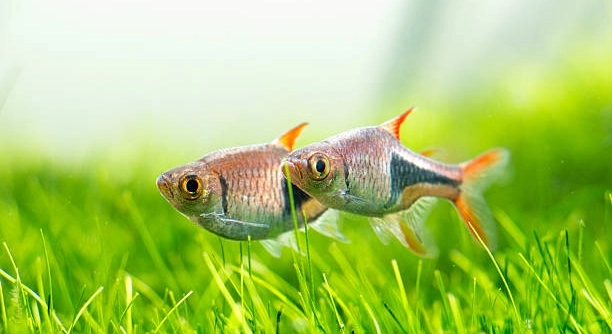
Rasboras are small, peaceful fish often found in community aquariums. They move gracefully in schools, creating a sense of harmony in the tank. Observing their behavior can reveal subtle interactions with their surroundings and tank mates.
Rasboras are capable of detecting other species nearby through visual cues, water vibrations, and chemical signals. Their sensory systems allow them to respond to the presence of other fish, adjusting swimming patterns, feeding behavior, and social interactions accordingly.
Understanding how rasboras sense their environment can improve aquarium care and ensure a balanced, harmonious community tank for all species involved.
How Rasboras Detect Other Fish
Rasboras rely on multiple senses to detect other fish nearby. Their vision allows them to notice movement and color changes in their surroundings, which helps them identify both allies and potential threats. They are highly sensitive to vibrations in the water, created by swimming or sudden movements of other fish. This lateral line system provides spatial awareness, allowing them to navigate and maintain schooling behavior even in dim lighting or crowded tanks. Additionally, chemical signals released into the water, like pheromones or waste products, give rasboras information about the presence and health of nearby species. By interpreting these sensory inputs, they can adjust their behavior, avoiding aggression and reducing stress. Observing these reactions in your tank can help you understand compatibility between different fish species, and it highlights how sensitive and adaptable rasboras are within their aquatic environment.
Their detection abilities ensure that rasboras can maintain safety and social harmony in mixed-species tanks.
By noticing movement, vibrations, and chemical cues, rasboras constantly monitor their surroundings. This allows them to respond quickly to changes, keep schools together, and maintain a peaceful aquarium environment.
Behavioral Responses to Other Species
Rasboras often change swimming patterns when other fish are present. They may move closer to their own school or retreat to safer areas of the tank to avoid stress or conflict.
When new fish are introduced, rasboras display subtle yet distinct reactions. They may increase swimming speed or shift their positions to maintain proper distance. Feeding behavior can also change; they might eat more cautiously or wait until other fish are calm. Social dynamics are influenced as well, with rasboras prioritizing school cohesion over interactions with unfamiliar species. Over time, they learn to recognize harmless tank mates and reduce heightened reactions, promoting a more stable environment. Understanding these behavioral cues allows aquarists to manage tank introductions more effectively and maintain a peaceful, balanced aquarium. Observing their responses can provide insight into stress levels, compatibility, and overall health of both rasboras and cohabiting species.
Environmental Factors Affecting Detection
Water clarity plays a major role in how well rasboras detect other species. Clear water allows them to see movements and colors, while murky water limits visibility and can increase stress. Proper filtration and regular water changes help maintain optimal conditions for observation.
Temperature and pH also impact rasbora behavior. Fish are more active in ideal temperature ranges, improving their responsiveness to other species. Sudden fluctuations can reduce their sensory efficiency, making them slower to react to movements or chemical signals. Consistent water parameters encourage natural schooling and reduce anxiety, supporting healthier interactions within mixed-species tanks.
Tank decorations and layout influence detection as well. Open spaces allow easier visual contact, while dense plants or hiding spots can obscure other fish. A balanced arrangement provides both security and visibility, allowing rasboras to detect species while feeling safe and comfortable. This careful setup promotes smoother social interactions and reduces unnecessary stress.
Chemical Signals and Social Cues
Rasboras rely heavily on chemical signals in the water to recognize other species. These cues convey information about health, stress, and territorial presence, helping them make decisions about movement and social behavior.
Pheromones and waste products act as constant indicators of nearby fish. By sensing these chemicals, rasboras adjust swimming patterns, maintain school cohesion, and avoid potential conflicts. Stress signals from other fish can trigger cautious or defensive behavior, while familiar chemical cues promote calm and regular activity. These chemical interactions are subtle yet critical for maintaining balance in community tanks, allowing rasboras to coexist peacefully with other species over time.
Social cues complement chemical signals, guiding group behavior and coordination. Schooling, synchronized swimming, and subtle posturing are all responses to both chemical and visual inputs. By observing these patterns, aquarists can better understand tank dynamics, detect stress, and adjust care to ensure that rasboras and their tank mates interact harmoniously.
Visual Recognition
Rasboras use their vision to identify shapes, colors, and movement of nearby fish. Clear water and proper lighting enhance their ability to detect other species and respond appropriately within the tank environment.
Schooling behavior improves detection, as multiple fish can spot changes or movement faster than a single individual.
Lateral Line Sensitivity
The lateral line system allows rasboras to sense vibrations and pressure changes in the water. This helps them detect swimming patterns, sudden movements, or nearby obstacles. By relying on this sensory system, they maintain coordination within the school and avoid potential threats or collisions.
Adjusting to New Tank Mates
Rasboras gradually adapt to unfamiliar species. Over time, they learn which fish are harmless and adjust behavior accordingly, maintaining balance and reducing stress.
FAQ
Can rasboras detect predators in the tank?
Yes, rasboras can sense potential predators through visual cues, water vibrations, and chemical signals. They may respond by hiding among plants, swimming closer to their school, or freezing in place. Their ability to detect danger helps them avoid stress and reduces the risk of injury in a community aquarium.
How quickly do rasboras recognize new species?
Rasboras adjust at different rates depending on the size, behavior, and activity of new fish. In general, they may take several hours to days to assess unfamiliar tank mates. During this period, cautious swimming and increased schooling are common behaviors as they gather sensory information.
Do chemical signals affect feeding behavior?
Yes, chemical signals can influence feeding patterns. Rasboras may eat more cautiously if stressed by nearby aggressive or larger fish. Conversely, familiar chemical cues from peaceful tank mates can encourage regular feeding. Monitoring feeding behavior can help identify stress or compatibility issues in the tank.
Are visual cues more important than chemical signals?
Both senses are important, but they serve different purposes. Visual cues help rasboras detect movement and shape quickly, while chemical signals provide information about health, stress, and presence of other species. Together, they create a comprehensive awareness of their surroundings.
Can rasboras detect fish hiding behind plants or decorations?
Yes, their lateral line system allows them to sense vibrations and water movement even if other fish are not fully visible. This system complements their vision, helping them maintain group cohesion and respond to nearby species, even in partially obscured areas.
Do rasboras show aggression toward other species?
Rasboras are generally peaceful, but they may show minor defensive behavior if they feel threatened. This can include slight chasing, rapid swimming, or moving away from perceived danger. Aggression is usually minimal and decreases once they recognize harmless tank mates.
How does tank size affect detection?
Larger tanks provide more space for movement, but they can make it harder for rasboras to detect distant fish. Smaller tanks keep fish closer together, enhancing sensory detection but sometimes increasing stress if space is limited. Proper tank size and layout improve overall comfort and awareness.
Do rasboras detect changes in water conditions caused by other fish?
Yes, changes in pH, ammonia, or other chemical parameters can be sensed indirectly. Stress signals from other fish or sudden shifts in water chemistry may influence rasbora behavior, causing them to become more cautious, adjust swimming patterns, or seek shelter.
Can rasboras coexist with all small community fish?
Rasboras generally coexist well with other peaceful species of similar size. Aggressive or overly active fish may stress them, leading to avoidance behavior or reduced feeding. Choosing compatible tank mates ensures a calm environment and allows rasboras to interact naturally with their surroundings.
Do rasboras respond differently to male and female fish?
While visual and chemical cues may vary slightly between sexes, rasboras primarily respond to size, movement, and species rather than gender. Slight differences in behavior might occur during breeding, but overall social interactions remain focused on safety and group cohesion.
How can I tell if rasboras are stressed by other species?
Signs include hiding, erratic swimming, refusal to feed, or excessive schooling. Observing their reactions when new fish are introduced or when the tank environment changes can indicate stress levels and help you adjust care or layout to improve comfort.
Do rasboras communicate with other species?
Communication is subtle, primarily through movement, schooling, and chemical cues. While they do not actively “talk” to other species, their behavior signals presence, stress, or readiness to feed, which can influence the actions of nearby fish and contribute to tank harmony.
Can rasboras detect fish outside the tank?
Their detection is limited to the water environment. Reflections on glass or movement near the tank may catch their attention, but they rely on actual sensory input within the water to respond meaningfully. Outside disturbances may cause curiosity or brief alert behavior.
Do rasboras detect fish at night?
Rasboras have limited vision in low light but can still detect vibrations and chemical signals. Schooling behavior continues to provide safety, and their lateral line system allows them to navigate and sense nearby species even when visibility is reduced.
How does diet affect their detection abilities?
A well-fed rasbora is more alert and responsive, while malnourished or stressed fish may have slower reactions and reduced sensory efficiency. Consistent nutrition supports healthy behavior, ensuring they can properly detect and respond to other species in the tank.
Can breeding behavior influence detection?
Yes, during spawning, rasboras may focus more on mates and reduce attention to other species. Chemical cues from potential mates become more relevant, and schooling patterns may temporarily shift to facilitate breeding activities, while still maintaining awareness of nearby fish.
Are young rasboras as perceptive as adults?
Juvenile rasboras have developing sensory systems, so their ability to detect other species is slightly reduced compared to adults. They learn to interpret visual, vibrational, and chemical signals over time, gradually improving coordination, schooling, and environmental awareness.
Does tank noise affect their detection?
Excessive vibrations from pumps, filters, or tapping can interfere with the lateral line system, making it harder for rasboras to sense other fish. Gentle, consistent water movement and minimizing sudden disturbances help maintain accurate detection and reduce stress.
Can rasboras detect sick or injured fish?
Yes, chemical signals from stressed, sick, or injured fish are detectable. Rasboras may avoid these individuals, alter swimming patterns, or temporarily increase schooling cohesion. This instinctive behavior helps reduce exposure to disease and maintains safety within the school.
Do rasboras ever ignore other species?
Once they recognize harmless tank mates, rasboras may reduce active monitoring and interact less frequently. This allows them to focus on feeding, exploring, or socializing within their own school, maintaining a balanced and peaceful tank environment without unnecessary stress.
Can multiple species in a tank confuse rasboras?
Too many species or highly active fish may overwhelm their sensory perception temporarily. Proper tank size, plant cover, and calm species selection minimize confusion, allowing rasboras to detect and respond to other fish efficiently while preserving comfort and normal behavior.
How long does it take for rasboras to fully adjust to new tank mates?
Adjustment periods vary, usually ranging from several days to a few weeks. During this time, they assess movements, chemical signals, and behavior patterns, gradually reducing stress responses and integrating seamlessly with the established aquarium community.
Does schooling improve detection?
Schooling significantly enhances awareness. Multiple rasboras can collectively monitor surroundings, detect threats, and coordinate movement. This natural behavior reduces individual stress and increases the overall safety of the group when other species are present.
How do rasboras react to aggressive species?
They typically avoid confrontation by hiding, fleeing, or staying close to their school. Persistent aggression may elevate stress levels, reduce feeding, and require aquarists to intervene by separating incompatible species or rearranging the tank.
Do rasboras detect changes in tank light?
Yes, changes in lighting can affect vision and behavior. Bright sudden light may cause temporary stress, while consistent lighting schedules support normal detection, feeding, and schooling behavior, enhancing overall well-being.
Can rasboras detect changes in water current?
Yes, shifts in water flow create vibrations and pressure changes detected by the lateral line system. Rasboras respond by adjusting swimming speed and position, ensuring safe navigation and coordination within their school and the tank environment.
Does tank complexity affect detection?
Decorations, plants, and hiding spots influence how easily rasboras detect other species. Balanced arrangements provide shelter without obstructing visibility, allowing sensory systems to function effectively while maintaining safety and reducing stress.
Can rasboras detect non-fish species?
They can sense vibrations or movement from invertebrates like shrimp or snails. However, responses are generally mild, as chemical and visual cues are less pronounced compared to interactions with other fish.
Do rasboras prefer certain species as neighbors?
They respond best to peaceful, similarly sized species. Calm, non-aggressive tank mates allow normal schooling, feeding, and interaction patterns, supporting a stable and low-stress environment for rasboras.
How do stress levels affect detection?
High stress reduces responsiveness to visual, chemical, and vibrational cues. Maintaining optimal tank conditions, proper feeding, and compatible tank mates ensures that rasboras can effectively detect and respond to other species.
Can I train rasboras to be more comfortable with other species?
Gradual introductions and controlled exposure help rasboras adapt. Consistent routines, observing behavior, and minimizing sudden changes encourage familiarity with tank mates, reducing stress and improving detection efficiency over time.
Are rasboras more alert during certain times of day?
Activity levels peak during light hours when visibility is optimal. They are less active at night but continue to rely on vibrations and chemical signals, maintaining awareness of nearby species even in reduced light conditions.
Do tank size and plant density together impact detection?
Yes, both factors influence visual and vibrational sensing. Adequate open areas allow clear sightlines, while dense planting provides safety. The right balance helps rasboras detect other fish while reducing stress and maintaining natural behavior.
Can water temperature shifts temporarily reduce detection?
Sudden temperature changes can slow metabolism and responsiveness. Maintaining stable water temperature ensures that sensory systems function optimally, allowing rasboras to detect and interact with other species reliably.
How do rasboras prioritize what to detect first?
Immediate threats or sudden movements are prioritized over calm or familiar fish. Chemical and vibrational cues help assess urgency, allowing rasboras to react efficiently while maintaining schooling and feeding patterns.
Do rasboras ever become desensitized to tank mates?
With prolonged exposure to calm, non-threatening species, rasboras reduce hyper-vigilance. This desensitization allows them to focus on feeding and schooling while maintaining awareness without constant stress.
Can breeding pairs affect detection of other species?
During spawning, breeding pairs focus more on each other. Sensory attention shifts to mating behaviors, though lateral line and chemical systems still monitor nearby fish for potential threats or interference.
Do rasboras detect territorial behavior?
Yes, they sense aggressive posturing or rapid movement from territorial fish. Responses include avoidance, increased schooling, or retreating to secure areas, helping them avoid conflict and reduce stress.
Are some rasbora species more sensitive than others?
Sensitivity varies slightly across species, with some reacting faster to visual or chemical cues. Observing specific species behavior helps tailor tank arrangements and ensure smooth interactions with other fish.
Can feeding times influence detection?
During feeding, focus may shift toward food, reducing attention to nearby fish. However, schooling behavior maintains a baseline awareness of the environment, allowing them to detect movement or stress cues from other species.
Do rasboras detect changes in water chemistry caused by plants?
Yes, oxygen levels and nutrient absorption from plants can subtly influence chemical composition. Rasboras respond to these changes, although effects are minimal in well-maintained tanks with stable conditions.
Can noise outside the aquarium affect detection?
Sudden vibrations or tapping can trigger alert behavior. While lateral line sensitivity primarily detects water movement, external disturbances may briefly distract or stress rasboras, influencing reactions to other species.
Are juvenile rasboras more cautious around new species?
Juveniles rely heavily on adults for cues and may hide or stick closer to the school. Over time, they learn to interpret visual, chemical, and vibrational signals, gradually improving confidence and responsiveness in mixed-species tanks.
Do rasboras detect seasonal changes in behavior of other species?
Behavioral shifts in other fish, such as increased activity or breeding behaviors, are noticeable through movement patterns and chemical signals. Rasboras adjust swimming and schooling accordingly to maintain safety and social cohesion.
Can rasboras detect disease in tank mates before symptoms appear?
They may respond to subtle chemical changes or stress signals from ill fish. Avoidance or altered swimming patterns help reduce risk of disease exposure, highlighting their sensitivity to environmental cues.
Does the number of tank mates affect detection efficiency?
Larger groups provide more sensory input and improved alertness. However, overcrowding can lead to confusion and stress, reducing effective detection. Balancing population density ensures accurate awareness and healthy social behavior.
Do rasboras interact differently with fast-swimming species?
Faster species may trigger avoidance or increased schooling behavior. Rasboras adjust movement to maintain group cohesion and prevent collisions, ensuring safe coexistence even with more active tank mates.
Can rasboras detect subtle health issues in themselves or others?
Yes, changes in chemical signals or swimming behavior indicate health status. Rasboras respond by modifying movement, seeking shelter, or increasing schooling, which contributes to overall tank stability and individual well-being.
Are some tank setups better for detection than others?
Open spaces with moderate planting improve visibility and lateral line sensing. Avoiding overly dense or cluttered setups ensures rasboras can monitor other species efficiently while maintaining security and comfort.
Does the presence of surface activity affect detection?
Ripples, floating plants, or surface movement are noticeable. Rasboras respond by adjusting position or swimming patterns, integrating surface activity into their awareness of the overall tank environment.
Can rasboras detect long-term behavioral changes in tank mates?
Yes, repeated patterns such as aggression, lethargy, or unusual feeding habits are noticed over time. Adjustments in schooling, swimming, or avoidance behavior reflect their ongoing monitoring of the aquarium community.
Do rasboras react differently to nocturnal species?
Limited vision at night reduces visual detection, but vibrational and chemical cues allow continued awareness. Schooling remains important for safety, and subtle responses help maintain social balance with nocturnal tank mates.
Can rasboras detect other species through reflection on glass?
Reflections may briefly attract attention, but genuine detection relies on movement, vibrations, and chemical cues in the water. Reflections alone do not trigger sustained behavioral changes.
Does water current from filters impact detection?
Strong currents can mask vibrations and reduce sensitivity to other species. Gentle, consistent flow allows lateral line systems to function properly, maintaining accurate detection and minimizing stress.
Do rasboras detect subtle changes in lighting color?
Color shifts may slightly influence visibility and mood. Rasboras adjust swimming and schooling behaviors to accommodate changes, ensuring proper detection of movement and presence of other species.
Can environmental enrichment improve detection?
Plants, hiding spots, and open swimming areas support natural behavior. Enrichment balances safety with visibility, helping rasboras detect other species effectively while reducing stress and promoting healthy activity.
Do rasboras respond to fish outside their immediate vicinity?
Distant movements are detected primarily through vibrations and water pressure. While they may not respond as strongly as to nearby fish, awareness helps them maintain coordination within the school and anticipate potential changes in the environment.
Can rasboras detect feeding patterns of other species?
Yes, observing movement toward food or chemical cues in the water helps them gauge safety and timing for feeding. Responses may include synchronized swimming, cautious approach, or delayed feeding until the environment feels secure.
Do different rasbora species detect other fish differently?
Variations exist in sensitivity, with some species reacting faster or more intensely to visual or chemical cues. Observing specific species behavior helps optimize tank compatibility and management for peaceful coexistence.
Can rasboras detect environmental stressors indirectly?
Yes, stress signals from other fish or sudden environmental changes prompt cautious behavior, tighter schooling, and increased attention to potential threats, ensuring awareness and reducing risk within the tank.
Are adult rasboras more efficient at detection than juveniles?
Adults have fully developed sensory systems, making them quicker and more precise in detecting movement, chemical signals, and vibrations. Juveniles gradually improve as their senses mature and they gain experience within the school and tank.
Do rasboras respond differently in planted vs. bare tanks?
Planted tanks provide cover and reduce stress, while open areas improve visibility. Rasboras adjust movement and detection strategies based on the combination of shelter and open swimming space, balancing safety and awareness of other species.
Can stress from aggressive species permanently affect detection?
Prolonged stress can temporarily reduce responsiveness, alter schooling, and change swimming patterns. Removing or separating aggressive fish and stabilizing tank conditions restores natural detection and behavior over time.
Do rasboras detect fish in different water layers?
Yes, they monitor fish in various levels of the tank. Vertical and horizontal positioning affects schooling and movement, allowing them to respond to species throughout the water column while maintaining group cohesion.
Does repeated exposure to the same species reduce alertness?
Familiarity lowers hyper-vigilance, allowing rasboras to conserve energy while maintaining necessary awareness. They continue monitoring for sudden changes but exhibit calmer and more consistent behavior with known tank mates.
Can water temperature swings influence detection temporarily?
Sudden shifts slow metabolism and responsiveness. Stable temperatures support optimal sensory function, ensuring rasboras can accurately detect other species and respond appropriately to environmental changes.
Are rasboras more responsive to active or passive species?
Active species trigger stronger detection responses due to increased movement and vibrations. Passive species generate fewer cues, resulting in less noticeable reactions, though schooling and chemical awareness maintain baseline vigilance.
Does tank size influence how far they can detect other fish?
Larger tanks allow more space but may reduce the immediacy of visual or vibrational cues. Proper layout, decorations, and schooling help maintain effective detection across distances, ensuring a balanced and comfortable environment.
Do rasboras ever ignore harmless tank mates completely?
Once a species is recognized as non-threatening, rasboras reduce monitoring and focus on feeding, schooling, and exploration. This selective attention allows energy conservation while maintaining safety awareness.
Can rasboras detect water quality issues from other species’ waste?
Yes, elevated waste levels affect chemical cues and can influence behavior. Rasboras may become more cautious or alter swimming, signaling the need for water maintenance to ensure a healthy tank environment.
Do rasboras show curiosity toward unfamiliar species?
Initial exposure may trigger cautious investigation through swimming patterns or following movements. Over time, curiosity is balanced with learned behavior, resulting in calm coexistence once the new species is deemed harmless.
How do seasonal breeding behaviors of other species affect detection?
Increased activity, movement, or chemical cues during breeding are noticed by rasboras. They adjust schooling, swimming patterns, and attention to maintain safety and coordination within their group.
Can tank noise mask detection cues?
Loud vibrations or tapping interfere with lateral line sensing, making it harder to detect other fish. Consistent, gentle water movement preserves accurate sensory input and reduces stress responses in rasboras.
Are older rasboras more reliable in detecting threats?
Yes, experience and fully developed senses improve threat recognition. Older fish respond faster to changes in movement, chemical signals, and vibrations, helping maintain school
Rasboras are small, peaceful fish with highly developed senses that allow them to detect other species in their environment. Their ability to sense movement, vibrations, and chemical signals helps them maintain safety and navigate their tanks effectively. These fish rely on a combination of vision, lateral line sensitivity, and chemical cues to understand their surroundings. Observing their behavior shows how responsive they are to both familiar and unfamiliar tank mates. They adjust swimming patterns, feeding habits, and schooling behavior based on what they detect, ensuring they remain calm and coordinated within a community tank. Understanding these natural abilities is essential for maintaining a healthy and balanced aquarium.
Environmental factors, including water clarity, temperature, pH, and tank layout, significantly impact how well rasboras detect other fish. Clear water and consistent conditions allow them to respond quickly to movements or chemical signals. Proper lighting enhances their visual recognition, while open swimming areas combined with plants or decorations provide both safety and visibility. Stress levels can reduce responsiveness, so maintaining stable conditions and providing sufficient shelter is important. Over time, rasboras adapt to the presence of other species, learning to recognize harmless tank mates and reducing unnecessary stress responses. Careful observation and management of these environmental factors can improve overall tank harmony and ensure that rasboras remain alert, healthy, and comfortable in their surroundings.
Rasboras’ social and sensory behaviors make them both fascinating and easy to care for in mixed-species aquariums. Their schooling behavior enhances detection, providing safety in numbers and allowing them to respond efficiently to potential threats or changes in the environment. Chemical signals, visual cues, and vibrations all work together to guide interactions with other fish, promoting calm coexistence. By understanding how rasboras sense and respond to other species, aquarists can create conditions that support natural behavior, reduce stress, and foster a harmonious tank environment. Paying attention to their reactions and providing proper tank care allows these delicate fish to thrive, highlighting the importance of sensory awareness and thoughtful aquarium management.

Hello,
If you enjoy the content that we create, please consider saying a "Thank You!" by leaving a tip.
Every little bit helps us continue crafting quality advice that supports the health, happiness, and well-being of pets around the world, for pets of all shapes, sizes, and species.
We really appreciate the kindness and support that you show us!