
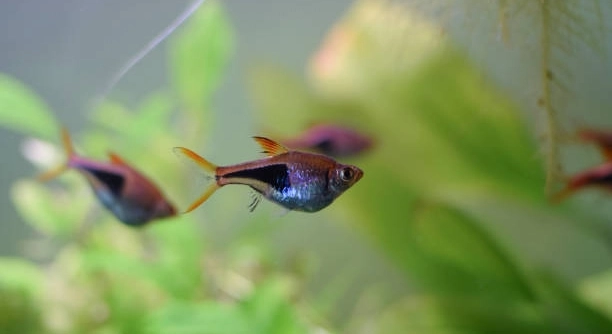
Rasboras are small, colorful fish that often add life to home aquariums. Observing them swim can be calming, but sometimes they exhibit unusual behavior that catches the eye, including swimming vertically in the tank.
Vertical swimming in rasboras is often linked to environmental, physiological, or behavioral factors. These can include water quality issues, swim bladder problems, stress, dietary influences, or natural exploratory behavior. Identifying the underlying cause is essential for maintaining their health and wellbeing.
Understanding why rasboras swim vertically can help ensure a healthier, more comfortable aquarium environment. The reasons behind this behavior reveal important insights into their care and daily habits.
Poor Water Quality
Rasboras are highly sensitive to changes in their tank environment. If water parameters like pH, ammonia, nitrite, or nitrate levels are off, it can stress the fish and affect their swimming patterns. Vertical swimming often appears when the water is not ideal. Sudden changes in temperature or chemical composition can trigger this unusual behavior. Consistently clean water is crucial, and routine water testing helps detect problems early. Filters should be properly maintained to remove toxins, and partial water changes should be done regularly. Even small accumulations of waste or uneaten food can disrupt water quality and impact the fish. Observing your fish closely can reveal subtle signs of stress. Vertical swimming may also accompany gasping at the surface or hiding more often. Adjusting water parameters slowly and carefully ensures the fish have time to adapt without further stress. Keeping water conditions stable is one of the simplest ways to promote healthy swimming behavior.
Maintaining proper water quality prevents vertical swimming and keeps rasboras active and healthy in their tank environment.
Attention to water temperature, filtration, and chemical levels is essential to prevent stress-related behaviors in rasboras. Consistent care makes a noticeable difference in their activity.
Swim Bladder Issues
Vertical swimming can indicate swim bladder problems, which affect a fish’s buoyancy. This condition can be caused by overfeeding, constipation, or bacterial infections. If rasboras float unusually or struggle to maintain horizontal posture, their swim bladder may be compromised. Proper diet and feeding schedules help prevent digestive issues that lead to this condition. Foods high in fiber or soaked pellets can reduce constipation. Observing whether multiple fish display the behavior can help determine if it is environmental or health-related. Infections or physical injuries might also impair the swim bladder, requiring specific treatment. Maintaining a balanced diet, avoiding sudden changes in food, and monitoring for other symptoms like bloating or lethargy are key to managing the issue.
Treating swim bladder problems involves dietary adjustments, possible medications, and monitoring water quality. With proper care, rasboras can recover normal swimming patterns.
Swim bladder problems are common among small fish but are manageable with consistent attention. Avoid overfeeding, provide balanced nutrition, and monitor fish behavior closely. Early intervention ensures rasboras regain proper buoyancy and continue to swim naturally.
Stress and Tank Environment
Rasboras may swim vertically when stressed by overcrowding, aggressive tank mates, or sudden changes in their environment. Stress disrupts normal behavior and can make them more prone to illness.
Stress in rasboras often comes from environmental pressures like too many fish in a small tank or incompatible species sharing the space. Rapid changes in lighting, decorations, or water conditions can also trigger vertical swimming. Even subtle disturbances, such as tapping on the glass or loud noises nearby, may cause discomfort. Providing hiding spots and maintaining a calm, stable environment helps reduce stress and encourages natural swimming behavior. Observing how fish interact and making small adjustments can prevent further issues.
Monitoring tank conditions closely is essential to prevent stress-related vertical swimming. Regular observation, proper tank setup, and careful handling keep rasboras calm, healthy, and active.
Dietary Factors
Diet can directly affect how rasboras swim. Overfeeding, inappropriate food types, or sudden changes in diet can lead to digestive issues, impacting buoyancy and movement.
A poor diet may cause bloating, constipation, or nutrient deficiencies, which can make rasboras swim vertically or struggle to maintain balance. Feeding small amounts multiple times a day instead of large portions can help prevent digestive problems. Certain foods, like dry flakes, may expand in the stomach if not soaked first, adding strain on the swim bladder. Incorporating a variety of high-quality foods, including live or frozen options, provides balanced nutrition and supports overall health. Regularly observing how your fish respond to different foods can indicate if diet adjustments are needed.
Balanced feeding habits improve buoyancy and reduce vertical swimming. Attention to food type, portion size, and feeding schedule ensures rasboras stay healthy and swim naturally.
Illness or Infection
Vertical swimming can be a sign of illness, including bacterial or parasitic infections. Rasboras may also show other symptoms such as lethargy, clamped fins, or loss of appetite.
Prompt attention is needed when illness is suspected. Quarantining affected fish, maintaining clean water, and using appropriate treatments can prevent further spread and support recovery.
Natural Exploration
Sometimes, rasboras swim vertically simply as part of exploring their tank. This behavior is usually brief and not associated with stress or illness. Vertical movement can occur when they investigate plants, decorations, or the water surface.
Temperature Fluctuations
Sudden changes in water temperature can cause rasboras to swim unusually. Maintaining a stable, appropriate temperature range is important for their comfort and health.
Oxygen Levels
Low oxygen levels may cause rasboras to swim vertically near the surface, where oxygen concentration is higher. Ensuring proper aeration and water circulation keeps oxygen levels sufficient and supports normal swimming patterns.
FAQ
Why do my rasboras swim vertically only sometimes?
Vertical swimming that occurs occasionally is often linked to short-term stress or minor environmental changes. Small disturbances like sudden light changes, noises, or temporary overcrowding can make them adjust their swimming temporarily. If it’s brief and they return to normal behavior, it’s usually not a serious issue.
Can vertical swimming indicate a serious health problem?
Yes. Frequent or prolonged vertical swimming can signal swim bladder issues, digestive problems, or infections. Observe other symptoms like bloating, lethargy, clamped fins, or loss of appetite. Early detection and proper care, including diet adjustments and water quality maintenance, can prevent more serious complications.
Is water quality the most common reason for vertical swimming?
Poor water quality is one of the leading causes. High ammonia, nitrite, or nitrate levels, unstable pH, or inappropriate temperature can stress rasboras. Regular water testing, partial water changes, and proper filtration are essential to maintaining a healthy environment and reducing abnormal swimming.
Does diet affect vertical swimming?
Absolutely. Overfeeding, feeding unsuitable foods, or sudden dietary changes can cause digestive issues or constipation, affecting buoyancy. Soaking dry foods, feeding small portions, and including varied nutrition like live or frozen foods help prevent swim bladder stress and maintain normal swimming.
Can tank mates cause this behavior?
Yes. Aggressive or overly active tank mates can stress rasboras, leading to vertical swimming as a defensive or escape behavior. Ensuring compatible species, providing hiding spots, and avoiding overcrowding reduces stress and encourages natural movement.
How can I tell if vertical swimming is due to stress or illness?
Observe other signs. Stress-related swimming is often accompanied by hiding, fast darting, or brief vertical movement. Illness usually comes with lethargy, loss of appetite, discoloration, or physical deformities. Quarantining affected fish and monitoring closely helps determine the cause.
What steps can I take to correct vertical swimming?
Check water quality first, including temperature, pH, and toxin levels. Adjust diet with appropriate foods and portions. Reduce stress by ensuring adequate space, compatible tank mates, and hiding areas. If illness is suspected, consult treatment options for swim bladder problems or infections.
Can vertical swimming be normal behavior?
Occasionally, yes. Rasboras may explore vertically when inspecting their environment or plants. Short periods of vertical movement without other symptoms are typically harmless and part of their natural curiosity.
How long does it take for rasboras to recover from swim bladder issues?
Recovery depends on the severity and underlying cause. Minor digestive-related swim bladder problems may resolve within a few days with dietary adjustments. Infections or more serious conditions can take longer and may require medications and strict monitoring to ensure proper healing.
Should I separate a vertically swimming rasbora from the group?
If the fish shows signs of illness, quarantining is recommended to prevent the spread of disease. For stress or exploration-related vertical swimming, separation is unnecessary. Monitor behavior and ensure environmental adjustments are in place to support recovery and reduce stress.
Does tank size affect vertical swimming?
Yes. Small or overcrowded tanks can increase stress and trigger abnormal swimming patterns. Providing sufficient space, proper filtration, and well-structured aquascaping helps rasboras move comfortably and reduces the likelihood of vertical swimming due to environmental pressures.
Are there long-term effects if vertical swimming continues?
Persistent vertical swimming without addressing underlying causes can lead to stress, weakened immunity, and increased susceptibility to illness. Consistent care, proper diet, stable water conditions, and stress reduction are crucial to prevent long-term health issues and maintain normal swimming behavior.
Rasboras are small, delicate fish that bring color and movement to any aquarium. Observing their swimming behavior can be rewarding, but unusual actions, such as vertical swimming, often signal something important about their environment or health. While occasional vertical movement may be harmless, repeated or prolonged behavior usually indicates that adjustments are needed. Environmental factors like water quality, tank size, and temperature stability play a significant role in how comfortably rasboras swim. Ensuring the water remains clean, properly filtered, and within the correct parameters is one of the simplest ways to prevent stress and abnormal behavior. Even minor changes, such as fluctuations in pH or the presence of excess waste, can affect their buoyancy and lead to vertical swimming. Regular water testing and partial water changes help maintain a safe, stable environment. Beyond water quality, tank layout also matters. Providing enough space, hiding spots, and compatible tank mates can reduce stress and support natural movement patterns. Rasboras are sensitive to sudden changes, so maintaining consistency in their environment is key to their overall health.
Diet is another important factor in preventing vertical swimming. Overfeeding or providing the wrong types of food can lead to digestive issues and swim bladder problems, which affect buoyancy. Small, frequent feedings and a balanced diet that includes high-quality flakes, pellets, and occasional live or frozen foods can help maintain digestive health. Some foods, especially dry flakes or pellets, may expand in the stomach if not soaked beforehand, increasing the risk of swim bladder issues. Observing how your fish respond to different foods allows you to make adjustments before problems become severe. In some cases, vertical swimming may indicate illness, including bacterial or parasitic infections. Signs such as bloating, lethargy, clamped fins, or a loss of appetite alongside unusual swimming patterns require prompt attention. Quarantining affected fish, maintaining optimal water conditions, and using appropriate treatments can prevent further health decline. Addressing issues early ensures that rasboras recover more quickly and reduces the likelihood of permanent health effects.
Finally, it is important to recognize that not all vertical swimming is harmful. Rasboras may explore their environment, investigate plants or decorations, or adjust to minor changes in the tank. Short periods of vertical movement without other symptoms are usually part of their natural curiosity and do not indicate a problem. However, consistent observation is necessary to differentiate normal exploration from behavior caused by stress, diet, or health issues. Maintaining a stable environment, providing a proper diet, and monitoring for signs of illness are the best ways to ensure rasboras remain healthy and active. With careful attention to these factors, vertical swimming can often be managed or prevented, allowing these small fish to thrive. Consistency in care, awareness of their behavior, and prompt action when changes occur are essential for keeping rasboras comfortable and ensuring their long-term well-being in the aquarium.

Hello,
If you enjoy the content that we create, please consider saying a "Thank You!" by leaving a tip.
Every little bit helps us continue crafting quality advice that supports the health, happiness, and well-being of pets around the world, for pets of all shapes, sizes, and species.
We really appreciate the kindness and support that you show us!