
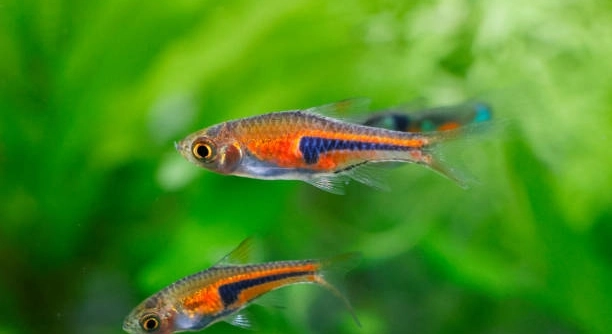
Are your rasboras swimming sluggishly or appearing restless in the tank lately? Many fishkeepers notice subtle changes in their small fish’s behavior when the water temperature shifts. Observing these patterns can reveal interesting habits.
Rasboras generally become more active in slightly cooler water because lower temperatures can increase their metabolic efficiency. Cooler water slows excessive energy expenditure, promoting regular swimming patterns, social interaction, and exploration while maintaining overall health.
Understanding these behavior shifts helps improve tank conditions and ensures your fish remain healthy and lively in their environment.
How Temperature Affects Rasbora Activity
Rasboras are small, delicate fish that respond noticeably to changes in water temperature. When water gets cooler, their metabolism tends to stabilize, helping them swim more smoothly and interact more consistently. In warmer water, they often dart around quickly, which can be stressful over time. I’ve noticed in my own tank that slightly cooler water encourages them to explore plants and swim in schools rather than hiding. Temperature also affects oxygen levels in the water. Cooler water holds more oxygen, which can make fish feel more comfortable and active without overexerting themselves. It’s important to avoid extreme changes, as rapid cooling or heating can shock them. Gradual adjustments allow them to acclimate naturally. Using a reliable aquarium thermometer helps maintain consistent conditions. Proper plant coverage and gentle water flow complement cooler temperatures, creating a habitat where rasboras feel secure, healthy, and ready to show their natural, lively behavior without stress.
Even small drops in temperature can shift their activity patterns noticeably.
By observing closely, you can see how different temperatures influence their swimming, feeding, and social behavior. Consistency in water conditions supports long-term health. Changes in temperature should always be gradual to avoid stress or illness. Your tank setup, including plants and hiding spots, interacts with temperature to affect overall activity. Regular monitoring allows you to fine-tune conditions for a more vibrant, active group of rasboras. Understanding these subtle cues helps in creating a balanced and engaging environment that keeps them healthy and comfortable over time.
Signs Your Rasboras Prefer Cooler Water
Rasboras may show increased swimming and schooling behavior when the water is slightly cooler.
You can often tell they prefer cooler conditions by observing their movement patterns. In warmer water, they may stay near the surface or in shaded areas to avoid heat. Cooler water usually encourages more consistent swimming and interaction throughout the tank. Feeding response also improves slightly in optimal cooler temperatures, as they are more motivated to explore and search for food. Watching for these subtle differences helps determine the best temperature range. Gradual adjustments can bring out their natural behaviors without causing stress, making tank management easier and more rewarding. Maintaining stable temperatures along with proper tank decoration ensures they feel secure and active, revealing the full spectrum of their lively, small fish personality.
Ideal Temperature Range for Rasboras
Rasboras thrive best in water that is slightly cooler than typical tropical tanks, usually between 72°F and 78°F. Staying within this range supports their activity, swimming patterns, and overall health without stressing their delicate systems.
Maintaining the right temperature requires a consistent approach. Using a reliable aquarium heater and thermometer is essential, even if the target is cooler than usual tropical conditions. Gradual adjustments are key, as sudden changes can shock the fish and disrupt their behavior. I’ve seen rasboras become noticeably more active when the water is maintained on the lower end of their comfort range, swimming steadily, exploring plants, and schooling in a natural pattern. Cooler water also helps maintain oxygen levels, which supports their metabolism and reduces erratic movements.
Tank design complements temperature management. Providing shaded areas, live plants, and moderate water flow ensures the fish can choose their preferred microenvironment. Observing their swimming and hiding habits helps determine if the temperature is ideal. Gradually tuning the heater and monitoring behavior ensures the environment promotes long-term health and lively, consistent activity.
Monitoring and Adjusting Your Tank
Regular monitoring of water temperature helps maintain stable conditions and avoids stress. Simple tools can track fluctuations daily.
Adjustments should be slow and incremental. If water is too warm, slightly lowering the heater or using a cooler water top-off can help. Observing how the fish react to these changes is important. I noticed that when the water dropped by a degree or two gradually, my rasboras became more lively, swimming in schools rather than hiding. Stability is as important as the target temperature itself, and minor fluctuations can affect their activity patterns.
Keeping consistent temperature also protects tank equipment and water chemistry. Plants, filters, and decorations interact with temperature, influencing comfort levels. Cooler, stable water supports oxygenation and reduces stress on sensitive fish. I found that pairing gradual cooling with shaded areas and gentle water flow created a comfortable microhabitat where rasboras were active throughout the day. Watching their behavior during feeding, exploration, and social interactions confirmed the water conditions were optimal, making tank care more predictable and rewarding.
Effects of Sudden Temperature Changes
Sudden shifts in water temperature can stress rasboras, causing them to hide or swim erratically. Even a few degrees can disrupt their routine, impacting feeding and social behavior. Gradual adjustments are essential to keep them active and healthy.
Monitoring the tank daily helps detect unexpected temperature swings. Heaters and room temperature changes can cause fluctuations, so checking regularly ensures stability. I’ve seen my rasboras react instantly to a sudden drop, clustering near warmer areas, which shows how sensitive they are. Consistency is key for maintaining calm, active behavior and preventing long-term stress or health issues in the tank.
Seasonal Water Temperature Effects
During warmer months, water temperature can naturally rise, reducing oxygen levels and making rasboras less active. Cooler periods generally restore their swimming energy and normal behavior. Watching these patterns helps maintain proper activity throughout the year.
Feeding Behavior and Temperature
Rasboras eat more steadily in cooler water because their metabolism remains balanced. Overly warm water can make them eat less or act nervously.
FAQ
Why are my rasboras more active in cooler water?
Rasboras respond to temperature because it affects their metabolism. Cooler water slows down unnecessary energy use while maintaining normal activity. I’ve noticed that when my tank drops a few degrees, they swim more steadily, explore plants, and interact naturally in schools without darting around nervously.
Can rasboras survive in warmer water?
Yes, they can survive in warmer water, but their behavior changes. In high temperatures, they may become restless, hide more, or swim in short bursts. Long-term exposure to warm water can stress their system, affecting feeding, growth, and immunity. Cooler, stable water helps them stay healthier and calmer.
How quickly should I adjust tank temperature?
Changes should be gradual, about 1–2°F at a time over several hours. Sudden drops or increases can shock rasboras, causing hiding, erratic swimming, or reduced appetite. I usually adjust the heater slowly and monitor their behavior, ensuring they acclimate comfortably to new conditions.
What is the ideal temperature range for rasboras?
The best range is 72°F to 78°F. Staying on the lower end supports consistent activity and healthy metabolism. I keep my tank near 74°F and have seen stable schooling, better feeding habits, and less stress compared to higher temperatures.
Do rasboras need cooler water year-round?
They benefit from slightly cooler water most of the time, but the key is consistency. Seasonal fluctuations are natural, but maintaining gradual changes keeps them active. I provide shaded areas and gentle flow, which allow the fish to pick their preferred spots, making small seasonal changes manageable.
How does temperature affect feeding habits?
Cooler water improves feeding consistency. Rasboras become more motivated to search for food, nibble on plants, and interact with their environment. Warmer water can make them skip meals or eat quickly and nervously. Observing feeding patterns helps determine if temperature adjustments are needed for better health.
Can sudden cold water harm rasboras?
Yes, abrupt drops can cause stress or illness. Sudden cold shocks may lead to hiding, rapid breathing, or even death in extreme cases. I always use a thermometer and make changes slowly, allowing the fish to acclimate naturally and maintain healthy behavior.
Does cooler water improve oxygen levels?
Yes, cooler water holds more dissolved oxygen, which supports activity and reduces stress. My rasboras swim steadily and interact more in slightly cooler water, likely because oxygen levels are more stable, supporting metabolism and overall comfort in the tank.
How do I monitor if the temperature is right?
Observe swimming patterns, feeding behavior, and schooling. Healthy rasboras are active, explore the tank, and feed consistently. Using a reliable thermometer ensures precise readings, while checking their behavior daily helps identify any need for small adjustments to keep them comfortable.
Are there other factors besides temperature that affect activity?
Yes, water quality, plants, hiding spots, and flow all matter. Even with ideal temperature, poor water conditions or lack of cover can make rasboras stressed or inactive. I balance temperature with proper tank setup, keeping water clean and adding plants, which enhances their natural behavior and activity levels.
How long does it take for rasboras to adjust to cooler water?
Adjustment usually takes several hours to a day, depending on how gradually the change is made. I lower the temperature slowly and watch for normal swimming, feeding, and interaction, ensuring they adapt comfortably without stress.
Is there a noticeable difference between day and night activity?
Yes, cooler water often keeps rasboras active longer during daylight hours. At night, they may rest or hide slightly, but consistent temperatures help maintain normal patterns. I see more steady schooling and exploration in cooler, stable conditions compared to warmer water fluctuations.
Can temperature alone improve their behavior?
Temperature plays a major role, but it works best with a complete environment. Clean water, plants, and gentle flow combined with cooler, stable water result in lively, healthy rasboras. I’ve found that these small adjustments together make the biggest difference in their activity.
Does species variation matter for temperature preferences?
Yes, different rasbora species have slight variations in preferred temperature. Some tolerate slightly warmer water, while others thrive better cooler. I research the specific species in my tank to ensure the temperature matches their natural habits for optimal activity.
Can I use air conditioning or room cooling for temperature control?
Yes, but it should be gradual. Sudden drops from air conditioning can shock fish. I use room cooling in combination with a heater and monitor tank temperature to maintain stability, allowing rasboras to enjoy slightly cooler water safely.
How often should I check temperature?
Daily checks are ideal, especially during seasonal changes. Using a thermometer and watching behavior helps ensure stable conditions. I keep a routine, checking morning and evening, which keeps my rasboras active and stress-free in their tank.
Final Thoughts
Maintaining the right water temperature is one of the most important parts of keeping rasboras healthy and active. These small fish are sensitive to changes in their environment, and temperature affects how they swim, feed, and interact with each other. Cooler water tends to support a more stable metabolism, allowing rasboras to move steadily without wasting energy. In my experience, even a few degrees difference can make a noticeable change in their behavior. They explore the tank more, school consistently, and appear calmer compared to warmer conditions where they may dart around nervously or hide. Observing these patterns over time helps create a tank environment that matches their natural habits, which is essential for their long-term health. Consistent temperature combined with a well-planned tank setup, including plants, hiding spots, and gentle water flow, contributes to their comfort and encourages natural, lively behavior.
Adjusting the water temperature should always be done gradually. Sudden changes can stress rasboras, leading to erratic swimming, loss of appetite, or even illness. I found that lowering the water by just one or two degrees at a time, while monitoring their behavior, allows them to acclimate naturally. Using a reliable thermometer helps maintain precise control, and observing daily activity provides immediate feedback on whether the conditions are right. Even small fluctuations can make a difference, so keeping the temperature stable is more important than reaching an exact target. Cooler water also helps maintain higher oxygen levels, which supports healthy metabolism and overall well-being. When combined with proper feeding, clean water, and a balanced tank environment, temperature management plays a central role in promoting healthy activity and reducing stress for rasboras.
It is also important to recognize that individual fish may respond slightly differently, and some rasbora species prefer slightly warmer or cooler ranges. Observing the behavior of your specific fish is the best way to determine the ideal temperature. Watching how they swim, feed, and interact in different conditions provides practical insights that can’t always be found in guides or charts. Adjustments should be based on these observations rather than just numbers. Overall, maintaining slightly cooler, stable water, paired with a carefully designed tank, creates an environment where rasboras can thrive. By prioritizing temperature stability and paying attention to their behavior, you can ensure your fish are active, healthy, and comfortable, giving them the best chance to display their natural, lively patterns every day.

Hello,
If you enjoy the content that we create, please consider saying a "Thank You!" by leaving a tip.
Every little bit helps us continue crafting quality advice that supports the health, happiness, and well-being of pets around the world, for pets of all shapes, sizes, and species.
We really appreciate the kindness and support that you show us!