
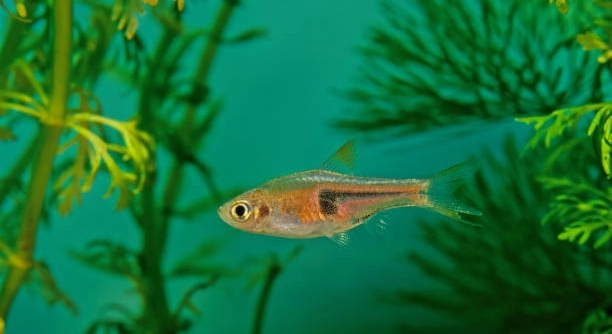
Setting up a new aquarium can be exciting, especially when introducing tiny, colorful fish like rasboras. Watching them swim gracefully is calming, but the first few days can be stressful for them as they adjust to a new environment.
Rasboras settle best when introduced gradually to a stable, well-cycled tank. Ensuring water parameters such as temperature, pH, and hardness match their previous environment reduces stress. Proper acclimation, gentle handling, and minimal disturbance promote faster adaptation and long-term health.
Following these basic steps makes it easier to create a comfortable space for your fish, supporting their well-being and vibrant activity from the start.
Preparing the Tank Properly
Before adding rasboras, the tank needs to be fully cycled and stable. I always make sure the water is clean and the temperature is around 24–26°C. Using a heater and filter helps maintain steady conditions. Adding live plants and hiding spots reduces stress, giving them areas to explore safely. Substrate choice matters too—smooth gravel or sand is best to prevent injury. Lighting should mimic natural day and night cycles, around 8–10 hours of light daily. Avoid sudden changes in water chemistry, as rasboras are sensitive to pH swings. Testing water for ammonia, nitrites, and nitrates ensures a healthy environment. I also clean decorations gently before adding them to avoid introducing harmful substances. Preparing the tank properly from the start saves time and prevents problems later. Every detail counts, from aeration to the type of plants used, because rasboras respond quickly to changes.
A stable and well-planted tank creates a safe environment where rasboras can feel secure and start exploring naturally.
Setting up the tank carefully also reduces the risk of disease. Proper filtration keeps water clear, and slow adjustments help rasboras adapt without stress. Observing them closely during the first week helps spot any issues early.
Gradual Acclimation
Introducing rasboras too quickly can shock them. Slowly adjusting them to the tank water over an hour or two prevents stress. Drip acclimation or floating the bag for temperature adjustment works well.
Gradual acclimation involves mixing small amounts of tank water into their transport water every 10–15 minutes. This balances differences in pH and hardness. I usually repeat this process until the bag water is mostly replaced with tank water. Handling the fish gently reduces injury risk, and keeping lights dim during acclimation helps keep them calm. Once released, I avoid immediate feeding and watch their behavior closely. Rasboras may hide at first, but this is normal.
By acclimating them carefully, the fish settle faster and start exploring the tank confidently. It also strengthens their immune system, making them less prone to stress-related illnesses. Observing their behavior during the first hours is key. Signs of curiosity or small swims around plants indicate that they are adjusting. Avoiding sudden movements or loud noises during this period helps maintain calm. Providing a quiet environment allows them to adapt to new surroundings naturally. With patience, acclimation sets the stage for healthy, active rasboras who will thrive in their tank.
Maintaining Consistent Water Conditions
Keeping water stable is essential for rasboras’ health. Sudden changes in temperature or chemistry can stress them quickly. I check parameters daily and make gradual adjustments when needed.
Regular water testing helps identify small changes before they become harmful. Using a reliable thermometer and test kits for pH, ammonia, nitrites, and nitrates ensures the tank stays within safe limits. I usually change 10–20% of the water weekly to remove waste while keeping beneficial bacteria intact. Avoiding chemicals or harsh cleaners prevents accidental spikes in toxins. Consistent water conditions reduce stress, support immunity, and encourage natural behavior. Maintaining stability also helps plants thrive, which in turn creates a more comfortable environment for the fish.
Monitoring water consistency is not just about safety; it also impacts their activity levels. When water is stable, rasboras swim confidently, feed well, and show vibrant colors. Even minor fluctuations can cause hiding or erratic swimming. Gradual adjustments allow their bodies to adapt naturally. I noticed that when the water remains consistent, feeding becomes easier, as they are more willing to eat immediately. Over time, this stability strengthens their overall health, making them less prone to illness. Keeping track of daily readings is a small effort that pays off in happier, healthier fish.
Providing Hiding Spots and Plants
Rasboras feel safer with plants and decorations that mimic their natural habitat. Dense planting and small caves reduce stress and encourage exploration.
Adding live plants like Java fern, Anubias, or floating moss creates hiding places and helps maintain water quality. I place small rocks and driftwood carefully, ensuring there are no sharp edges. Dense areas let rasboras retreat when startled, which prevents stress-related illness. Providing both open swimming areas and shaded spots balances security with space to move. Floating plants diffuse light, which makes them feel calmer during the day. Decorations also offer surfaces for biofilm, supporting natural grazing behavior.
Over time, hiding spots become important landmarks for the fish, helping them feel confident in their environment. Rasboras use these areas to rest or observe without feeling exposed. I noticed that the more complex the tank layout, the more active and interactive the school becomes. It also reduces aggression, as individuals have room to avoid confrontation. Properly arranged plants and decorations create microhabitats that cater to different behaviors, from schooling in open areas to resting in shaded corners. This balance between safety and freedom supports natural rhythms and helps rasboras settle more quickly.
Feeding Properly
Rasboras respond well to small, frequent feedings. I give them high-quality flakes or micro-pellets twice a day. Avoid overfeeding, as leftover food can pollute the water quickly and stress the fish.
Supplementing with frozen or live foods like daphnia or brine shrimp adds variety. This keeps them healthy and encourages natural hunting behavior. I usually feed amounts they can finish within two minutes to prevent waste. Watching them eat helps me gauge their health and activity. Proper feeding supports growth, color, and overall resilience against stress.
Keeping a Peaceful Community
Rasboras thrive in groups and calm tanks. I keep at least six together to ensure proper schooling behavior. Aggressive or large tankmates can intimidate them and increase stress.
Lighting and Day-Night Cycle
Consistent lighting helps rasboras maintain natural rhythms. I use 8–10 hours of gentle light daily, with gradual dimming in the evening to mimic dusk.
Regular Observation
Watching rasboras daily helps identify early signs of stress or illness. I note changes in behavior, swimming patterns, or appetite. This simple routine allows me to act quickly, keeping the tank safe and the fish healthy.
FAQ
How many rasboras should I keep together?
Rasboras are schooling fish, so they feel safest in groups. I always keep at least six in a tank. Smaller numbers make them shy and stressed, while larger groups encourage natural swimming patterns and social interactions. A proper school helps reduce anxiety and promotes overall well-being.
Can rasboras live with other fish?
Yes, but tankmates should be peaceful and similar in size. I avoid aggressive or large species that might bully them. Tetras, small gouramis, or peaceful bottom-dwellers like Corydoras usually coexist well. Watching interactions during the first days helps ensure everyone adjusts safely.
What water parameters do rasboras need?
They prefer slightly soft to moderately hard water with a pH around 6.5–7.5 and temperature between 24–26°C. I check these levels frequently. Stable water conditions reduce stress, encourage activity, and prevent common health issues.
How often should I feed them?
Two small feedings per day work best. I give amounts they can finish in about two minutes. Overfeeding leads to waste and water pollution. Supplementing with frozen or live foods like brine shrimp improves nutrition and encourages natural foraging behavior.
Do rasboras need plants in the tank?
Yes, plants make them feel secure. I add dense foliage, floating plants, and small caves for hiding. This provides shelter, reduces stress, and creates a more natural environment. Rasboras also use plants for grazing on biofilm, which supports their diet and health.
How quickly do rasboras settle in?
Most start exploring within a few hours, but full acclimation can take several days. I watch their behavior for signs of stress like hiding or erratic swimming. Providing stable water, hiding spots, and gentle handling speeds up adjustment.
Are rasboras sensitive to water changes?
Yes, sudden changes can shock them. I do small, gradual water changes weekly, usually 10–20% of the tank volume. This removes waste while keeping beneficial bacteria intact. Slow adjustments prevent stress and support long-term health.
What signs indicate illness or stress?
Lethargy, clamped fins, loss of color, or unusual swimming patterns signal problems. I check water quality first, then observe for disease. Early detection allows me to act quickly with quarantine or treatment, preventing issues from spreading.
Do rasboras need a heater?
A heater is important if room temperature fluctuates. I maintain a steady 24–26°C to mimic their natural habitat. Consistent temperature prevents stress and supports immune function.
Can I use artificial decorations instead of plants?
Yes, but they must be smooth and safe. I prefer natural plants whenever possible because they offer hiding spaces, grazing surfaces, and help maintain water quality. Artificial options should not have sharp edges or toxins.
How long do rasboras live?
With proper care, they can live 4–6 years. I focus on stable water, proper feeding, and a peaceful tank. Healthy rasboras show vibrant colors, active schooling, and consistent feeding behavior.
Is it okay to add new fish to the tank later?
Yes, but I quarantine newcomers first and acclimate them slowly. This reduces disease risk and prevents stress to the existing school. Introducing them gradually keeps the environment calm and stable.
How do I encourage schooling behavior?
Keeping a sufficient group and open swimming space encourages rasboras to school naturally. I avoid overcrowding and provide visual cues like plants and rocks for structure. Healthy, calm water also promotes synchronized movement.
What should I do if they hide constantly?
Hiding is normal at first, but prolonged hiding can indicate stress. I check water parameters, reduce tank disturbances, and ensure enough plants and decorations for security. Once they feel safe, they start swimming confidently.
Can rasboras tolerate different lighting conditions?
They do best with moderate lighting and a consistent day-night cycle. I use 8–10 hours of light daily with gradual dimming in the evening. Sudden bright lights or long exposure can stress them and affect feeding.
Are rasboras compatible with shrimp or snails?
Yes, small shrimp and snails usually coexist well. I monitor interactions at first to ensure no chasing occurs. Both contribute to tank cleanliness and add interest to their environment.
Do rasboras require special substrates?
Smooth gravel or sand works best. Sharp or rough substrates can injure delicate fins. I prefer natural-colored substrates to mimic their habitat and reduce stress. Substrates also support plant growth and encourage grazing on microfauna.
How can I tell if the tank is too small?
Signs include overcrowding, constant hiding, or aggression. I aim for at least 10 liters per fish. Sufficient space allows swimming, schooling, and exploration, reducing stress and supporting long-term health.
Is water movement important for rasboras?
Gentle flow is best. Strong currents can exhaust them, while stagnant water may reduce oxygen levels. I adjust the filter output to maintain mild circulation that supports swimming without causing stress.
Do rasboras need supplemental vitamins or minerals?
High-quality foods usually meet their nutritional needs. I occasionally add variety with frozen or live foods, which naturally provide vitamins and minerals. Over-supplementing is unnecessary and can harm water quality.
How do I handle rasboras safely?
Minimize direct contact. I use soft nets and move them carefully if needed. Rough handling damages fins and scales, increasing stress and disease risk. Observing them without touching is often enough for monitoring health.
Can rasboras adapt to tap water?
Yes, if conditioned properly. I use a water conditioner to remove chlorine or chloramines. Gradual acclimation ensures they adjust without stress and remain healthy in treated tap water.
Are rasboras sensitive to noise or vibrations?
Yes, they can be startled by loud sounds or sudden movements. I keep the tank in a calm area away from heavy foot traffic or frequent tapping. A peaceful environment helps them settle quickly and reduces stress.
What is the best way to introduce new decorations?
I clean them thoroughly and place them carefully without disturbing existing plants or fish. Adding one or two at a time prevents stress and allows rasboras to explore safely. Observing their response helps decide if adjustments are needed.
How often should I clean the tank?
Partial water changes weekly, filter maintenance every few weeks, and substrate vacuuming as needed work well. I avoid full cleanings that remove beneficial bacteria. Regular upkeep keeps the tank healthy without stressing the fish.
Can rasboras tolerate slightly cooler temperatures?
They can survive minor drops, but prolonged cold slows metabolism and increases disease risk. I maintain 24–26°C for optimal health, growth, and activity levels.
How can I tell if they are stressed?
Rapid breathing, hiding, clamped fins, or refusal to eat are key signs. I address water quality, tank layout, and disturbances to reduce stress. Early action helps prevent illness and supports adaptation.
Do rasboras need a strong filter?
A gentle, reliable filter is sufficient. Too strong a current can exhaust them. Proper filtration maintains water quality without creating stress from excessive flow.
Are rasboras prone to diseases?
They can get common freshwater fish illnesses if stressed or kept in poor conditions. I prevent issues with clean water, proper diet, and careful observation. Early detection allows prompt treatment and keeps the school healthy.
What is the best way to encourage breeding?
Providing fine-leaved plants, slightly cooler water in the morning, and high-quality live foods can encourage spawning. I separate adults in a breeding tank to protect eggs from being eaten. Clean water and gentle lighting increase success.
Do rasboras need a specific tank shape?
Longer tanks work better than tall ones, as they allow horizontal swimming and proper schooling. I prioritize open space for activity and dense planting along the edges for security.
Can I add other species later?
Yes, with careful acclimation and quarantine. I introduce newcomers gradually to avoid stress and maintain stability for existing fish. Observation is key during the first days.
How do I prevent aggression in the tank?
Maintaining groups, providing hiding spots, and avoiding aggressive species reduce conflict. Overcrowding can increase tension, so I ensure proper stocking density and balanced decorations.
Are rasboras sensitive to changes in lighting?
Yes, sudden bright lights can startle them. I use a consistent schedule with gradual transitions to mimic natural conditions. This helps regulate feeding and swimming behavior.
Can I keep different rasbora species together?
Yes, if sizes and temperaments are similar. I monitor behavior closely during the first days to prevent dominance or stress. Proper schooling helps them coexist peacefully.
Is tank size important for their health?
Yes, too small a tank causes stress, poor water quality, and stunted growth. I provide enough space for schooling, exploration, and hiding to support overall well-being.
How do I maintain water quality with plants?
Live plants help absorb nitrates, provide oxygen, and offer shelter. I trim and remove decaying leaves regularly. This naturally supports water quality while keeping the tank visually appealing and safe for rasboras.
Can rasboras adapt to slightly different pH levels?
They tolerate minor fluctuations if gradual. Sudden shifts can stress them. I slowly adjust water parameters to maintain 6.5–7.5 pH, ensuring comfort and long-term health.
What is the best way to monitor their behavior?
Daily observation during feeding and free swimming reveals activity, coloration, and social interactions. I note changes in appetite or schooling, which help detect stress or illness early.
Do rasboras need special water additives?
No, as long as the water is clean and conditioned. Occasional use of aquarium salts or plant fertilizers is optional but should be applied cautiously.
How can I tell if the tank environment is ideal?
Healthy rasboras swim actively, school tightly, eat well, and display vibrant colors. Plants thrive, water stays clear, and stress behaviors are minimal. Observing these signs indicates a balanced and comfortable habitat.
Are they sensitive to sudden temperature changes?
Yes, abrupt shifts can cause shock. I make small adjustments gradually, especially during water changes or heater malfunctions. Stability supports health and activity.
Do rasboras require specific filtration types?
A gentle sponge or hang-on-back filter works well. I avoid strong currents, focusing on steady oxygenation and mechanical filtration. This keeps water clean without stressing the fish.
What is the ideal schooling behavior?
Tight, synchronized swimming in the mid-level of the tank shows comfort and security. I notice stress when groups scatter or hide constantly. Proper tank setup encourages natural schooling.
How important is tank cover?
Rasboras may jump occasionally, so a secure lid prevents escapes. I leave slight ventilation to allow airflow while keeping the fish safely contained.
Do they require specific minerals in the water?
Regular tap water with slight hardness is usually sufficient. I focus on stable parameters rather than supplements. Occasional live or frozen food provides additional nutrients naturally.
Can I use a bubbler or air stone?
Yes, if it creates gentle movement. Strong currents can exhaust them. I position it to improve oxygenation without disturbing swimming patterns.
How long does it take for them to fully adjust?
Usually a few days to a week. Providing stable water, hiding spots, gentle lighting, and proper feeding supports faster adaptation. Observing their behavior ensures they are settling in comfortably.
Are rasboras sensitive to tank vibrations?
Yes, loud or sudden vibrations can startle them. I place the tank on a stable surface away from frequent disturbances. Calm surroundings help reduce stress and encourage natural behavior.
Do they require water softeners?
Not usually. They tolerate slightly soft to moderately hard water. I focus on stability rather than modifying hardness excessively. Regular testing ensures parameters remain within safe ranges.
Can I mix different water sources?
Yes, but I acclimate slowly. Mixing tap water with conditioned water or RO water requires gradual changes to avoid stressing the fish. Monitoring pH and temperature ensures safe introduction.
How often should I check water parameters?
Daily testing during acclimation, then at least weekly once the tank stabilizes. I also check after adding new fish, plants, or decorations to maintain consistent conditions.
Do rasboras need a quarantine tank?
Quarantine is ideal for new fish. I use it to observe for illness before introducing them to the main tank. This prevents disease spread and protects the established school.
What is the best feeding routine?
Two small meals daily, supplemented with occasional live or frozen food. I feed amounts they can finish in a couple of minutes, preventing leftover waste that could affect water quality.
Are rasboras suitable for small tanks?
Small tanks can work if there is enough space for at least six fish and proper filtration. I avoid tanks under 20 liters for schools to prevent stress and maintain water quality.
Can they tolerate slightly higher nitrate levels?
Moderate nitrates are manageable, but long-term exposure stresses them. I aim to keep nitrates below 20 ppm through regular water changes and live plants.
How important is tank decor placement?
Proper arrangement creates open swimming areas and secure hiding spots. I balance plants, rocks, and driftwood to reduce stress and encourage natural exploration.
Do rasboras need specific tank lighting?
Moderate, consistent lighting with gradual transitions works best. Sudden changes can startle them, while a predictable cycle supports feeding and activity patterns.
How can I prevent disease?
Stable water, proper feeding, quarantine for new arrivals, and clean equipment reduce risks. I monitor behavior daily for early signs of illness. Early action ensures the school remains healthy.
Is tank size more important than decorations?
Both matter. Sufficient space allows swimming and schooling, while plants and decorations provide security. I focus on balancing open areas with dense spots for hiding to maintain a stress-free environment.
Do rasboras need special pH adjustments?
Minor adjustments may be needed to maintain 6.5–7.5 pH. I make changes slowly and carefully to avoid shocking the fish. Stable conditions are more important than exact numbers.
How do I introduce new fish safely?
Quarantine first, acclimate slowly, and observe interactions. I ensure compatible species and provide hiding spots to reduce stress. Gradual introduction protects both newcomers and the existing school.
Are they sensitive to tank placement?
Yes, they prefer quiet areas with minimal disturbances. I place the tank away from heavy traffic, loud appliances, and frequent vibrations to support calm behavior and consistent schooling.
Can rasboras adapt to different water hardness?
Slight variations are tolerable if introduced gradually. I monitor their behavior and health, adjusting conditions slowly to prevent stress. Extreme changes can cause illness or fin damage.
Do they require constant supervision?
Regular observation is sufficient. Daily checks during feeding and free swimming help detect problems early. Excessive handling can stress the fish, so I focus on watching rather than interacting directly.
What are the signs of a healthy rasbora?
Active schooling, vibrant colors, smooth fins, and consistent feeding show health. Calm, exploratory behavior indicates comfort, while hiding or clamped fins may signal stress or illness.
Can they live in a bare tank?
Yes, but they may feel insecure. I provide minimal hiding spots and decorations even in simple setups to reduce stress and encourage normal behavior.
How important is water temperature consistency?
Crucial. Sudden drops or spikes can stress them and reduce immunity. I maintain 24–26°C and monitor with a reliable thermometer. Gradual adjustments prevent shock.
Are rasboras compatible with bettas?
Usually not. Bettas may be aggressive, and rasboras can become stressed. I avoid combining these species to maintain a peaceful tank environment.
Do they require special attention during molting or breeding?
For breeding, fine-leaved plants and slightly cooler morning water help. During molting, which mainly applies to tankmates like shrimp, I ensure peaceful conditions and minimal stress.
Can water conditioners harm rasboras?
No, standard conditioners are safe. I use recommended doses to remove chlorine and chloramines. Overdosing can affect water quality, so careful measurement is important.
How long can rasboras survive without food?
They can go a few days, but regular feeding supports health. I avoid prolonged fasting to maintain energy, coloration, and immune function.
Is tank cover necessary for jumping prevention?
Yes, rasboras may occasionally jump. I use a secure lid while allowing ventilation to keep water oxygenated and fish safe.
Can rasboras tolerate low oxygen levels?
They prefer well-oxygenated water. Low oxygen can stress them, so I ensure gentle water movement and live plants to maintain sufficient oxygen levels.
Do rasboras need tank mates for comfort?
Yes, a proper school reduces stress. I keep at least six together. Solitary rasboras become shy, hide more, and show less natural activity.
Are they sensitive to sudden movements near the tank?
Yes, quick motions or tapping can startle them. I approach calmly and avoid frequent disturbances to maintain a secure environment.
Can they tolerate temporary water parameter changes?
Short, minor fluctuations are manageable, but prolonged exposure to unstable conditions stresses them. I aim for gradual adjustments and monitor closely to prevent health issues.
How do I know if they are fully settled?
They swim actively, school tightly, eat regularly, and show vibrant colors. Calm behavior with occasional hiding indicates they feel secure in the tank.
Is it okay to change decorations frequently?
Frequent rearrangement can stress rasboras. I make minor adjustments slowly, allowing them time to adapt before introducing more changes.
Do rasboras need supplemental feeding for growth?
High-quality flakes or pellets usually suffice. Occasional live or frozen foods improve nutrition and encourage natural behavior but are not strictly required for growth.
How sensitive are rasboras to water pollutants?
Very. Ammonia, nitrites, and nitrates above safe levels stress them quickly. I monitor water quality regularly and perform timely partial water changes to prevent accumulation.
Can they thrive in community tanks?
Yes, if tankmates are peaceful, of similar size, and the environment supports schooling. Proper space, hiding spots, and water stability are key.
Are rasboras hardy fish for beginners?
Moderately. They tolerate minor variations but require stable water, proper schooling, and careful feeding. With attention to water quality and tank setup, they are manageable for new hobbyists.
Do they need aeration?
Gentle aeration is helpful. Too strong a current can exhaust them, but mild bubbles support oxygen levels and encourage swimming activity.
How do I prevent fin damage?
Avoid sharp
Caring for rasboras can be a very rewarding experience when the right conditions are provided. These small, peaceful fish thrive best in a stable environment where water parameters remain consistent and the tank is properly prepared. Paying attention to details like temperature, pH, and hardness helps them adjust more quickly and reduces the risk of stress-related illness. When the tank is fully cycled and filtered, the water stays clean, allowing the fish to swim freely and display natural behaviors. Even small efforts, like gently cleaning decorations or maintaining plants, can have a significant impact on their overall well-being. I have noticed that tanks with steady water conditions and careful maintenance tend to have happier, more active rasboras that feed readily and school naturally.
Adding plants and hiding spots creates a comfortable environment that supports the fish’s natural instincts. Rasboras feel more secure when they have areas to explore and hide, and this reduces their anxiety in a new tank. Floating plants, dense foliage, and small caves provide shelter while still allowing open swimming areas, which encourages schooling behavior. I have found that observing how they use these spaces is a good way to gauge their comfort level. A well-balanced tank setup makes it easier to manage feeding, monitor health, and notice any changes in behavior. Even simple decorations, placed thoughtfully, can make a significant difference in creating a peaceful and enriching environment. Maintaining this balance ensures that the fish feel secure without limiting their ability to swim, explore, and interact with one another.
Feeding, acclimation, and regular observation are equally important in helping rasboras settle quickly and stay healthy. Providing small, frequent meals with high-quality flakes or micro-pellets, and occasionally supplementing with frozen or live foods, ensures proper nutrition and encourages natural foraging behavior. Gradual acclimation when introducing new fish reduces shock and stress, allowing them to adjust comfortably to a new tank. I have seen that careful monitoring during the first week helps detect early signs of stress, illness, or water issues, allowing quick action to prevent problems. Combining stable water, proper tank setup, thoughtful feeding, and patient observation creates a reliable routine that supports the long-term health and happiness of rasboras. Over time, these measures allow the fish to thrive, displaying their vibrant colors, active schooling, and calm behavior, which makes the aquarium a lively and enjoyable space.

Hello,
If you enjoy the content that we create, please consider saying a "Thank You!" by leaving a tip.
Every little bit helps us continue crafting quality advice that supports the health, happiness, and well-being of pets around the world, for pets of all shapes, sizes, and species.
We really appreciate the kindness and support that you show us!