
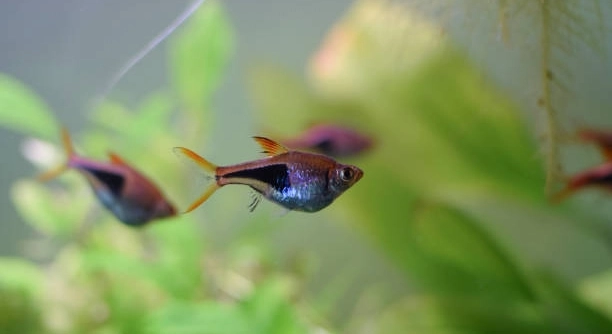
Introducing new fish to a community tank can be both exciting and delicate. Rasboras are peaceful, colorful fish that can brighten any aquarium, but adding them without care may cause stress and territorial disputes among existing tank mates.
The key to introducing rasboras without conflict is gradual acclimation and careful observation. Begin by quarantining the new fish, ensuring water parameters match the main tank, and introducing them slowly to minimize stress. Monitoring interactions helps prevent aggression and maintains a harmonious environment.
Following these steps ensures your rasboras integrate smoothly, promoting a calm and balanced aquarium that benefits all its inhabitants.
Preparing the Tank for Rasboras
Before introducing rasboras, it is important to ensure the tank is ready. Check the water temperature, pH levels, and filtration system. Rasboras prefer slightly acidic to neutral water and temperatures between 72-78°F. Clean the tank thoroughly and remove leftover food or debris. Provide plenty of hiding spots with plants, rocks, and driftwood. This gives the new fish places to retreat and feel secure, reducing stress. Gradually adjust lighting to match their natural environment. Make sure the tank has enough space for swimming, as overcrowding can lead to aggression and territorial behavior. Feeding routines should be consistent, and water changes should be scheduled to maintain cleanliness. Preparing the tank thoroughly helps the rasboras settle quickly, minimizing conflict with other fish. Proper preparation ensures a smoother introduction and supports the health of all tank inhabitants.
Having a well-prepared tank reduces stress and helps rasboras adjust smoothly without unnecessary conflict.
Observing the tank during this preparation stage is crucial. Watch how existing fish react to changes, ensure hiding places are accessible, and note water quality. Adjustments made now prevent aggression later and support a balanced ecosystem for all fish. Consistent care establishes a stable environment, making the introduction process much easier.
Introducing Rasboras Gradually
Start by floating the bag with new rasboras in the tank for 15-20 minutes. This balances water temperatures. Slowly mix small amounts of tank water into the bag over an hour. Once acclimated, release the fish gently into the aquarium, avoiding sudden movements.
After introduction, monitor interactions closely for the first few days. Watch for chasing or nipping, and be ready to separate fish if needed.
Feed small amounts frequently during the first week to reduce stress and encourage peaceful exploration. Avoid overcrowding and maintain regular water checks. Observing how the new rasboras interact with existing fish allows for timely interventions if issues arise. Consistency in routine, hiding spaces, and water quality supports harmonious cohabitation, ensuring the tank remains a healthy, stress-free environment for all its inhabitants.
Monitoring Behavior
Watch the rasboras closely for the first few days. Look for signs of stress, aggression, or hiding too much. Ensure they are swimming normally and eating well. Early observation helps identify potential conflicts before they escalate and ensures all fish coexist peacefully.
Stress can manifest as erratic swimming, hiding, or refusal to eat. If aggression occurs, identify which fish are causing problems and adjust tank layout or add more hiding spaces. Sometimes rearranging plants or decorations can break up established territories and reduce tension. Regularly check water parameters to ensure they remain stable, as sudden changes can increase stress.
Tracking interactions over time provides insight into social dynamics within the tank. Some rasboras may be shy at first, while others dominate certain areas. Maintaining consistent feeding, clean water, and ample shelter encourages natural behavior and reduces potential conflicts. Observing patterns helps in making adjustments to promote harmony.
Feeding and Nutrition
Provide a varied diet to keep rasboras healthy and reduce aggression related to food. Use high-quality flakes, frozen or live foods like brine shrimp or daphnia, and small portions multiple times a day to prevent overeating and competition.
Balanced nutrition supports growth, vibrant colors, and immunity. Overfeeding can lead to poor water quality, which increases stress and aggression. Remove uneaten food promptly to prevent decay. Some rasboras prefer feeding in groups, so offer food across the tank to avoid dominance by more assertive fish. Rotate food types to maintain interest and nutritional balance, ensuring each fish receives enough to thrive.
Supplementing diet with occasional plant matter or vegetable-based foods adds variety and supports digestive health. Feeding routines should be consistent, but observe how fish respond to adjust portions and frequency. A well-fed tank reduces territorial disputes and fosters peaceful interaction. Maintaining proper nutrition directly contributes to a calmer, healthier aquarium environment.
Adjusting Tank Environment
Rearranging decorations and plants can help reduce territorial behavior. Provide open swimming spaces along with dense planting areas for hiding. Changing the layout occasionally prevents established territories from causing stress among rasboras and other fish.
Consistent lighting and stable water conditions are also important. Sudden changes can startle fish, increasing aggression. Maintaining a predictable environment supports calm behavior and allows rasboras to settle naturally.
Social Grouping
Rasboras are schooling fish and feel more secure in groups of six or more. Keeping them in proper numbers reduces stress and discourages aggression from other tank mates. Proper grouping encourages natural behavior and harmonious interactions.
Observing Health
Watch for signs of illness such as faded color, clamped fins, or lethargy. Early detection prevents the spread of disease and helps maintain a peaceful tank environment.
FAQ
How many rasboras should I keep together?
Rasboras are schooling fish and do best in groups of at least six. Smaller groups can cause stress and shyness, while larger groups allow natural schooling behavior and make them feel secure. Maintaining proper numbers reduces aggression from both rasboras and other fish in the tank.
Can rasboras live with other species?
Yes, rasboras are peaceful and generally compatible with other non-aggressive species. Avoid keeping them with large, aggressive fish that may see them as prey. Ideal tank mates include tetras, small gouramis, and Corydoras. Observing initial interactions is important to ensure no stress or chasing occurs.
How should I feed rasboras?
Feed small amounts two to three times daily. Use a variety of high-quality flakes, frozen foods, and live foods like brine shrimp or daphnia. Distribute food across the tank so all fish get access and reduce competition. Remove uneaten food to maintain water quality.
What water conditions do rasboras prefer?
Rasboras thrive in slightly acidic to neutral water, with pH between 6.5 and 7.5 and temperatures from 72-78°F. Stable water parameters are critical, as sudden changes can stress the fish and increase the risk of aggression or illness. Regular testing ensures a healthy environment.
How do I introduce rasboras to a new tank?
Float the bag in the tank for 15-20 minutes to equalize temperature. Gradually mix tank water into the bag over an hour, then gently release the fish. Monitor interactions for the first few days, providing hiding spots and observing behavior to prevent conflict.
Why are my rasboras hiding constantly?
Hiding can indicate stress, poor water conditions, or aggressive tank mates. Ensure the tank is properly prepared with plants and shelters. Stable water parameters, proper lighting, and consistent feeding encourage the fish to explore and swim confidently.
How do I prevent aggression in the tank?
Provide hiding spots, open swimming areas, and maintain proper group sizes. Feeding consistently and monitoring fish interactions reduces tension. Rearranging decorations occasionally can break up established territories and prevent aggression from escalating among rasboras or other tank mates.
What signs indicate rasboras are healthy?
Healthy rasboras swim actively in groups, display vibrant colors, and eat regularly. Fins should be open and intact, and they should explore the tank without excessive hiding. Monitoring behavior helps detect early signs of stress or illness for timely intervention.
Can rasboras tolerate different lighting conditions?
Moderate lighting is preferred. Too bright lighting can stress fish and cause hiding, while very low lighting may reduce activity. Providing plants or shaded areas allows rasboras to adjust and feel secure in the tank.
Do rasboras need special care during breeding?
Yes, breeding requires a separate tank with soft, slightly acidic water and fine-leaved plants for egg laying. Remove adults after spawning to prevent them from eating eggs. Feeding live or high-quality foods encourages spawning behavior and supports fry growth.
How often should I clean the tank with rasboras?
Regular water changes of 20-30% weekly help maintain water quality and reduce stress. Remove uneaten food and debris to prevent decay. Clean filters as recommended but avoid drastic changes that could shock the fish.
Can rasboras coexist with shrimp or snails?
Yes, small shrimp and snails usually coexist peacefully with rasboras. They occupy different tank levels and do not compete aggressively for food or territory. Observing initial interactions ensures compatibility and prevents accidental predation.
What should I do if a rasbora becomes sick?
Isolate the affected fish in a quarantine tank and check water parameters. Treat with appropriate medication if needed, and maintain cleanliness to prevent spreading illness. Monitoring all fish closely during treatment ensures the overall health of the tank.
Are all rasbora species equally peaceful?
Most rasboras are peaceful, but some species may display slight differences in activity levels. Researching specific species ensures compatibility with existing tank mates and helps provide optimal care tailored to their needs.
How do I encourage natural schooling behavior?
Keep rasboras in groups of six or more, provide open swimming space, and avoid aggressive tank mates. Consistent feeding and a stable environment support calm, natural behavior, making the tank more balanced and visually appealing.
Can rasboras adapt to slightly harder water?
Yes, many rasbora species can adapt to moderately hard water if changes are gradual. Sudden shifts in water hardness can stress fish, so adjust slowly while monitoring behavior and health for a smooth transition.
Final Thoughts
Introducing rasboras to a community tank requires attention to detail and patience. These small, peaceful fish thrive when their environment is stable and well-prepared. Ensuring proper water conditions, adequate hiding spaces, and suitable tank mates is essential for minimizing stress and preventing aggression. Gradual acclimation and careful observation during the first few days help the fish adjust smoothly, allowing them to settle into their new surroundings. Even minor changes in temperature, pH, or tank layout can affect their behavior, so maintaining consistency is important. Rasboras are sensitive to sudden disruptions, and keeping a calm, predictable environment supports their natural behavior and overall well-being.
Feeding and nutrition also play a significant role in maintaining harmony within the tank. Offering a varied diet of high-quality flakes, frozen foods, and occasional live foods ensures that all rasboras receive proper nutrition. Distributing food across the tank reduces competition and prevents dominant fish from monopolizing resources. Removing uneaten food promptly is necessary to maintain water quality, as leftover food can cause decay and increase stress levels. Monitoring feeding behavior helps identify shy or stressed individuals, allowing adjustments to their diet or environment. Over time, consistent care, balanced nutrition, and attentive observation create a healthy environment where rasboras can thrive peacefully alongside other fish.
Regular monitoring of behavior and health is key to long-term success. Observing swimming patterns, interactions with other fish, and responses to feeding provides valuable insight into their comfort and safety. Hiding too often or showing signs of stress should prompt evaluation of tank conditions or social dynamics. Maintaining a proper group size, providing open swimming areas, and adding hiding spots helps reduce tension and encourage natural schooling behavior. Attention to water quality, feeding routines, and tank layout supports both the physical health and social harmony of the aquarium. By staying consistent and proactive, rasboras can integrate smoothly, creating a balanced, visually appealing, and peaceful tank environment for all inhabitants.

Hello,
If you enjoy the content that we create, please consider saying a "Thank You!" by leaving a tip.
Every little bit helps us continue crafting quality advice that supports the health, happiness, and well-being of pets around the world, for pets of all shapes, sizes, and species.
We really appreciate the kindness and support that you show us!