
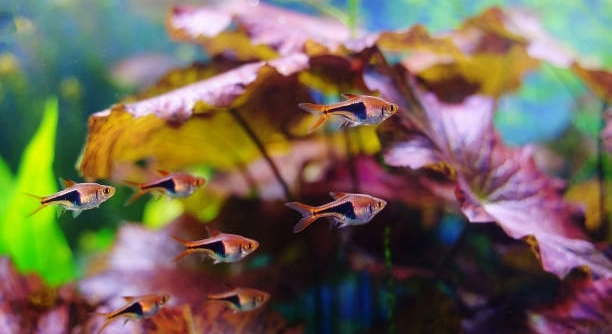
Are your once peaceful rasboras suddenly displaying unusual aggression in the aquarium? Many hobbyists are noticing that these tiny fish, usually calm and social, have started chasing each other and acting territorially in their tanks.
Rasboras may become aggressive due to factors such as overcrowding, poor water quality, inadequate hiding spaces, or sudden changes in diet and lighting. Environmental stress and hormonal changes can also trigger unexpected territorial and combative behavior.
Understanding these triggers will help you restore harmony in your tank and keep your rasboras healthy and stress-free in their aquatic environment.
Common Causes of Aggression in Rasboras
Rasboras are generally peaceful fish, but several factors can make them aggressive. Overcrowding is a frequent reason, as limited space increases competition for territory and resources. Water quality is another key factor. High levels of ammonia, nitrites, or sudden changes in pH can stress the fish, leading to unusual behavior. Lack of hiding spots and plants in the tank can make them feel exposed, prompting defensive aggression. Sudden changes in lighting or temperature may also trigger stress responses. Diet plays a role too. Irregular feeding schedules or insufficient nutrition can lead to irritability. Even changes in tankmates or introducing new fish can upset the balance. Observing your fish closely and noting changes in behavior can help identify the trigger. Maintaining a stable, well-planted environment with adequate space and proper nutrition is essential for keeping rasboras calm.
Aggression often stems from environmental stress or inadequate tank conditions, not from the fish’s natural temperament.
Addressing these factors requires careful observation and proactive management. Start by assessing tank size, water parameters, and social dynamics among your fish. Providing enough hiding spaces and maintaining consistent feeding schedules can greatly reduce aggressive tendencies. Avoid sudden changes in lighting or temperature, as even minor fluctuations can cause stress. Grouping rasboras in adequate numbers allows them to form natural social hierarchies, decreasing confrontations. When introducing new fish, quarantine them first to prevent disease and stress. Regular monitoring and adjusting tank conditions gradually can help restore harmony. Over time, rasboras typically return to their normal, peaceful behavior once environmental pressures are minimized and their needs are consistently met.
Preventive Measures for a Peaceful Tank
Proper tank setup is key to preventing aggression in rasboras. Adequate space, plants, and hiding spots create a balanced environment.
Regular water changes, careful monitoring, and maintaining a proper social group help keep rasboras calm and less prone to aggressive behavior. Planning tank additions and feeding routines carefully ensures harmony. Adjusting lighting gradually, avoiding overcrowding, and providing a consistent diet are crucial. Observing behavior daily allows early intervention if tension arises. Some rasboras may have individual personalities, but most aggression is environmental. Using these strategies reduces stress, encourages natural schooling behavior, and promotes long-term health. Keeping a peaceful tank is achievable with attention to these simple but effective practices.
Adjusting Tank Conditions
Small changes in tank conditions can significantly reduce aggression. Adjusting water temperature, improving filtration, and ensuring stable pH levels help rasboras feel secure. Rearranging decorations and adding plants can break lines of sight and reduce territorial disputes.
Gradual water changes and consistent temperature are crucial. Rapid shifts can stress fish, triggering fights. Using a reliable water test kit ensures parameters remain within safe limits. Rearranging rocks, driftwood, or plants prevents dominant fish from claiming a single territory. Hiding spots help weaker or smaller fish escape confrontations. Even slight improvements in water quality and structure often result in calmer behavior and fewer aggressive interactions. Observation is key, as rasboras respond differently to environmental adjustments.
Grouping rasboras appropriately also affects aggression. Keeping them in schools of at least six allows natural social behavior to emerge. Smaller groups can lead to dominance struggles. Mixing compatible tankmates and avoiding overly aggressive species minimizes conflict. Attention to detail in maintenance and monitoring promotes a balanced, peaceful aquarium.
Monitoring and Managing Behavior
Tracking daily behavior helps identify potential issues before they escalate. Note chasing, nipping, or hiding patterns to understand stress triggers.
Interventions include separating aggressive individuals temporarily or adding extra hiding spaces. Adjust feeding schedules and ensure all fish receive proper nutrition to reduce competition. Observing responses to environmental changes allows fine-tuning. Some rasboras may calm naturally once adjustments are made. Avoid sudden rearrangements, as this can increase tension. Using these monitoring strategies helps maintain long-term stability, promoting healthy social interactions within the tank and preventing persistent aggression.
Social Dynamics in Rasboras
Rasboras rely on group behavior for security. Smaller schools can lead to stress and increased aggression. Maintaining at least six to eight individuals allows natural hierarchies to form, reducing conflicts and promoting peaceful interactions.
Mixing compatible species prevents bullying. Aggressive tankmates can trigger stress, while calm companions encourage schooling behavior.
Diet and Feeding Practices
Providing a balanced diet reduces competition and irritability. High-quality flakes, frozen foods, and occasional live treats meet nutritional needs. Feeding smaller portions multiple times a day prevents dominant fish from monopolizing food. Uneaten food should be removed promptly to maintain water quality. Consistency in feeding routines minimizes stress and supports calmer behavior. Overfeeding can lead to water issues and heightened aggression. Observing eating habits helps identify individuals that may be stressed or undernourished. A proper diet directly influences temperament, energy levels, and overall health, making it a crucial factor in maintaining harmony among rasboras in a community tank.
When Aggression Persists
Persistent aggression may require separating aggressive individuals temporarily or permanently to prevent injury.
Why are my rasboras chasing each other constantly?
Rasboras chase each other primarily due to stress or territorial behavior. Overcrowding, sudden changes in water conditions, or lack of hiding spaces can increase aggression. Ensuring your tank has adequate space, plants, and decorations helps reduce constant chasing. Regular water monitoring and keeping stable parameters are essential.
Can rasboras harm each other with their aggression?
Yes, aggressive interactions can result in injuries, especially fin nipping or stress-related illness. While rasboras are small and less likely to cause serious damage, repeated harassment can weaken fish and make them more vulnerable to disease. Providing hiding spots and observing behavior carefully minimizes harm.
How many rasboras should I keep together?
A minimum of six to eight rasboras is recommended. Smaller groups often lead to dominance struggles, while larger schools allow natural social hierarchies to form. Keeping them in adequate numbers encourages calm schooling behavior and reduces instances of aggressive encounters.
Does tank size affect aggression?
Tank size is directly linked to aggression. Overcrowded tanks increase stress and competition for territory. A larger tank provides more swimming space, allows natural social structures, and reduces confrontation. Consider at least 20 gallons for a small school to maintain stability and peace.
Can diet influence rasbora aggression?
Yes, diet plays a significant role. Inconsistent feeding schedules, insufficient nutrition, or competition for food can make rasboras irritable. Providing balanced, high-quality flakes, frozen foods, and occasional live treats helps prevent food-related aggression and keeps the fish healthy.
Will introducing plants reduce aggression?
Adding plants and decorations can significantly lower stress. Dense vegetation and hiding spots allow weaker or smaller fish to escape confrontations and create visual barriers that prevent dominant fish from monopolizing the tank. Rearranging decorations occasionally helps prevent permanent territorial claims.
Is water quality a common cause of aggression?
Poor water quality is a major trigger. High ammonia, nitrites, or sudden pH fluctuations stress fish, leading to aggressive behavior. Regular testing, partial water changes, and maintaining stable parameters ensure a healthy environment and reduce tension among rasboras.
Should I separate aggressive individuals?
Separating aggressive fish can be necessary if fights are persistent. A temporary isolation or permanent relocation to a different tank can prevent injury. Observing interactions after adjustments will show whether the aggression was situational or requires long-term intervention.
Do lighting and temperature changes matter?
Sudden changes in lighting or temperature can stress rasboras, causing unexpected aggression. Gradual adjustments and maintaining consistent day-night cycles support stable behavior. Avoid sudden bright lights or rapid temperature shifts, as these can trigger defensive or territorial responses.
Can aggression be completely eliminated?
Aggression can rarely be fully eliminated, but it can be minimized. Proper tank setup, stable water conditions, balanced diet, sufficient group size, and careful monitoring create a calm environment. Most rasboras will return to peaceful schooling behavior once environmental stressors are addressed and maintained consistently.
Rasboras are naturally peaceful fish, but changes in their environment or social structure can trigger aggression. Overcrowding, poor water quality, and lack of hiding spaces are common contributors to sudden hostile behavior. Even small adjustments in lighting, temperature, or feeding schedules can stress these fish, prompting them to chase or nip at each other. Observing their behavior carefully is essential to understanding what might be causing tension in the tank. Recognizing early signs of aggression, such as fin nipping, hiding, or frequent chasing, allows you to take action before the situation worsens. Providing a well-structured environment with enough room and natural barriers can significantly reduce aggressive incidents and help maintain harmony in the aquarium.
Maintaining stable water conditions is one of the most effective ways to prevent aggression. Rasboras are sensitive to sudden shifts in temperature, pH, and ammonia levels. Regular water testing and partial water changes help maintain a consistent environment. Filtration is also crucial for keeping water clean and oxygenated. Balanced nutrition plays a role in behavior as well. Feeding high-quality flakes, frozen foods, and occasional live treats ensures that all fish receive proper nourishment. Overfeeding or inconsistent feeding schedules can lead to competition and irritability among tankmates. By combining stable water conditions with adequate nutrition, you create a setting where rasboras feel secure, reducing the likelihood of aggressive behavior.
Social structure and tank setup influence aggression more than many realize. Rasboras are schooling fish, and keeping them in small groups often results in dominance struggles. A school of six to eight or more allows natural hierarchies to form, which promotes calmer interactions. Adding plants, decorations, and hiding spots helps break lines of sight and provides refuge for weaker fish. Even simple rearrangements of tank décor can prevent one fish from claiming a territory and keep interactions more balanced. When aggression persists, temporarily separating aggressive individuals can prevent injury and stress. Consistent monitoring, combined with gradual environmental adjustments, ensures that rasboras return to their normal, peaceful behavior. With careful attention to water quality, diet, social grouping, and tank setup, aggression can be minimized, allowing rasboras to thrive in a calm and healthy aquarium environment.

Hello,
If you enjoy the content that we create, please consider saying a "Thank You!" by leaving a tip.
Every little bit helps us continue crafting quality advice that supports the health, happiness, and well-being of pets around the world, for pets of all shapes, sizes, and species.
We really appreciate the kindness and support that you show us!