
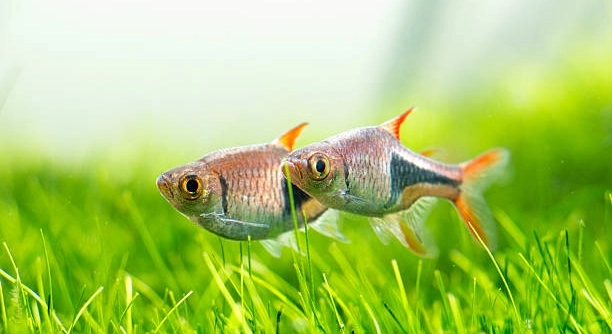
Do you love watching small, colorful fish swim gracefully in your aquarium but find it challenging to maintain harmony among them? Rasboras are peaceful by nature, yet creating a calm community requires careful planning and attention.
The key to building a peaceful rasbora community is selecting compatible species, maintaining proper tank conditions, and providing ample hiding spaces. Ensuring a balanced diet and monitoring fish interactions reduces aggression and promotes long-term stability in the aquarium environment.
Establishing a harmonious aquarium takes more than just adding fish. Proper care and understanding of rasbora behavior are essential for a thriving community.
Choosing the Right Rasbora Species
Selecting the right rasbora species is the first step in building a peaceful community. Some rasboras, like the Harlequin or Chili Rasbora, are naturally calm and do well in groups. Avoid combining species that have very different sizes or temperaments, as this can lead to stress and occasional aggression. Observing their behavior before fully introducing them to your tank helps prevent conflicts. When possible, purchase fish from reputable sources to ensure they are healthy and free from disease. It’s also helpful to keep a consistent number of individuals from the same species to maintain their schooling behavior. Maintaining similar water parameters for all species in your tank will reduce stress and support their natural activity patterns. By planning carefully and choosing species that naturally get along, you can establish a stable and visually appealing aquarium that remains peaceful over time.
Grouping compatible species ensures harmony and encourages natural swimming and social behaviors in your rasbora community.
Healthy rasboras thrive in stable conditions with consistent water temperature, pH, and filtration. Proper nutrition supports their coloration and energy levels. Introducing plants and decorations provides hiding spots, which reduce stress and promote natural schooling. Regular observation helps detect any early signs of aggression or illness, allowing timely interventions. Overcrowding should be avoided, as it increases competition and tension among fish. By focusing on these factors, you can maintain a calm and balanced aquarium.
Tank Setup and Environment
A suitable environment is critical for peace among rasboras. Plants, driftwood, and gentle currents create safe spaces.
Water quality and tank layout directly affect their behavior. Rasboras prefer slightly acidic to neutral water with temperatures around 24–28°C. Soft lighting and moderate filtration mimic natural habitats. Open swimming areas combined with dense plants allow fish to choose between activity and retreat. Using fine substrate prevents injury and supports plant growth. Adding floating plants can diffuse light and create shaded areas, making shy fish more comfortable. Decorations should be arranged to reduce territorial disputes while maintaining visual appeal. Regular water changes and monitoring ammonia or nitrate levels keep the environment stable. Avoid sudden changes in temperature or pH, as this can trigger stress or aggression. Providing a predictable and comfortable habitat encourages natural schooling, reduces chasing, and helps rasboras coexist peacefully. Careful attention to these elements creates a tank that feels secure for all community members, ensuring long-term stability and enjoyment.
Feeding and Nutrition
Rasboras require a varied diet to stay healthy. High-quality flakes, micro pellets, and occasional live or frozen foods keep them vibrant and active. Feeding small portions multiple times a day prevents overeating and maintains water quality.
A balanced diet supports growth, coloration, and energy levels. Flakes or pellets designed for small tropical fish provide essential nutrients, while live or frozen foods like brine shrimp or daphnia add protein and stimulate natural hunting behaviors. Rotating different food types ensures they receive vitamins and minerals necessary for strong immune systems. Avoid overfeeding, as uneaten food can decay, increasing ammonia levels and stressing your fish. Observing how your rasboras respond to meals helps adjust quantities and timing.
Feeding should also consider social behavior. Rasboras tend to school while eating, so scatter food across the tank to prevent dominant fish from monopolizing meals. Providing variety and distributing portions evenly ensures all fish remain healthy and reduces competition, keeping the community peaceful.
Monitoring Behavior and Health
Regular observation helps maintain harmony in a rasbora tank. Watch for signs of stress, disease, or unusual aggression among fish.
Behavioral monitoring includes checking swimming patterns, social interactions, and feeding habits. Sudden lethargy, hiding, or loss of appetite may indicate illness or water issues. Fin damage or discoloration can signal aggression or infections. Addressing minor issues quickly prevents them from escalating into serious problems. Maintaining consistent water parameters and performing routine maintenance reduces stress and supports overall health.
Health management also involves quarantine for new arrivals to prevent introducing disease. Keeping records of water changes, diet, and behavior patterns helps track the community’s stability. Prompt action when noticing unusual behavior protects the tank from widespread issues. By staying attentive and proactive, you can maintain a thriving, peaceful rasbora community that remains active and visually appealing over time.
Maintaining Water Quality
Clean water is essential for a peaceful rasbora community. Regular water changes, proper filtration, and testing for ammonia, nitrite, and nitrate keep the environment safe and stable.
Using a reliable water conditioner and maintaining consistent temperature helps reduce stress. Avoid sudden changes in water parameters to prevent health issues and aggression among fish.
Managing Tankmates
Choose tankmates carefully to avoid stress and conflict. Small, peaceful species like tetras or Corydoras work well with rasboras. Avoid large or aggressive fish that may harass or eat them. Compatibility and similar water requirements are key to maintaining harmony in the tank.
Breeding Considerations
Rasboras breed easily in well-maintained tanks. Providing fine-leaved plants or spawning mops encourages natural spawning behavior. Remove adults after eggs are laid to protect the fry.
Avoiding Overcrowding
Keep the population within the tank’s capacity. Overcrowding increases stress, aggression, and water quality issues, disrupting the peaceful community of rasboras.
FAQ
How many rasboras should I keep in one tank?
Rasboras are schooling fish and feel most secure in groups. A minimum of six individuals is recommended, though larger groups of ten to twelve create a more natural and active environment. Smaller groups may stress easily and display less schooling behavior.
What water temperature do rasboras prefer?
Most rasboras thrive in water between 24–28°C. Maintaining a stable temperature prevents stress and supports healthy activity levels. Sudden fluctuations can weaken their immune system, making them more susceptible to disease.
What pH level is ideal for a rasbora community?
Rasboras prefer slightly acidic to neutral water, with a pH range of 6.5–7.0. Consistency is more important than exact numbers. Frequent changes or spikes in pH can cause stress and trigger aggression. Regular monitoring ensures stability.
Can rasboras live with other small fish?
Yes, rasboras do well with other peaceful, small species that share similar water requirements. Tetras, small Corydoras, and guppies are usually compatible. Avoid large or aggressive fish that could chase or harm them.
How often should I feed rasboras?
Feed small portions two to three times daily. Overfeeding can lead to water quality issues and stress. A mix of high-quality flakes, micro pellets, and occasional live or frozen foods provides balanced nutrition. Scatter food to allow all fish access.
How do I prevent aggression among rasboras?
Aggression is rare in healthy rasbora communities, but overcrowding or incompatible species can trigger it. Keep proper group sizes, provide hiding spaces, and avoid sudden changes in water conditions. Observing interactions daily helps detect early signs of stress or disputes.
How can I tell if a rasbora is sick?
Signs include lethargy, loss of appetite, clamped fins, discoloration, or erratic swimming. Early detection is crucial. Remove affected fish to quarantine and check water quality. Addressing illness promptly prevents it from spreading to the entire community.
Do rasboras need live plants in their tank?
Live plants provide hiding spots, reduce stress, and encourage natural behavior. Fine-leaved species are ideal for rasboras. While not strictly necessary, plants improve tank aesthetics and help maintain water quality through natural filtration.
What type of filtration works best for rasboras?
Gentle filtration that maintains water clarity without creating strong currents is preferred. Sponge filters or low-flow hang-on-back filters are effective. Proper filtration supports oxygenation and reduces waste buildup, keeping fish healthy and peaceful.
How often should I change the water?
Weekly water changes of 20–30% help maintain stable conditions. Regular changes prevent the buildup of ammonia, nitrites, and nitrates. Consistency in water quality is essential for keeping rasboras active and minimizing stress.
Can rasboras breed in a community tank?
Yes, breeding can occur in a well-maintained tank with fine-leaved plants or spawning mops. Adults should be separated after spawning to protect eggs. Fry require small live foods like infusoria or microworms to grow. Proper care ensures survival and reduces stress on the community.
What decorations are suitable for a peaceful rasbora tank?
Driftwood, rocks, and dense plant areas create safe spaces and reduce territorial disputes. Open swimming areas combined with shaded zones let fish retreat when stressed. Arrange decorations to encourage natural schooling while maintaining visual appeal.
How do I introduce new rasboras safely?
Quarantine new fish for at least two weeks to prevent disease introduction. Gradually acclimate them to the tank’s water parameters before release. Monitor interactions closely during the first few days to ensure peaceful integration with existing fish.
Is lighting important for rasboras?
Moderate lighting mimics natural conditions and reduces stress. Floating plants can diffuse light and create shaded areas for shy fish. Consistent light cycles help regulate behavior and support plant growth if live plants are present.
What common mistakes should I avoid with rasboras?
Overcrowding, sudden water changes, incompatible tankmates, and overfeeding are the main issues. Maintaining proper group sizes, monitoring water parameters, and observing fish behavior daily prevents problems and supports a peaceful, thriving community.
How do I maintain a vibrant, active rasbora tank?
Consistent feeding, proper water conditions, appropriate tankmates, and regular observation are key. Providing enrichment through plants, hiding spaces, and gentle water flow encourages natural behavior. A balanced approach keeps the community calm, healthy, and visually appealing.
Final Thoughts
Building a peaceful rasbora community requires careful planning, attention to detail, and consistent care. Choosing compatible species and maintaining proper tank conditions are the foundation for a calm aquarium. Rasboras are naturally peaceful, but their environment strongly affects their behavior. Overcrowding, sudden changes in water parameters, or incompatible tankmates can quickly disrupt harmony. By selecting species with similar temperaments and ensuring the tank is spacious enough for schooling, you provide a setting where they can swim freely, interact naturally, and display their colors. Healthy, calm rasboras contribute to a visually appealing and stress-free aquarium.
Equally important is water quality. Regular testing for ammonia, nitrite, nitrate, and pH ensures the environment remains safe and stable. Water changes, proper filtration, and consistent temperature help prevent stress and illness. Rasboras are sensitive to sudden fluctuations, and even small changes in their surroundings can trigger defensive or aggressive behavior. Providing hiding spots with plants, driftwood, and decorations allows shy or stressed individuals to retreat, promoting balance within the community. Observation is essential. Watching your fish daily helps identify early signs of disease, stress, or conflict, allowing quick intervention. Consistent care supports not only physical health but also the natural social behavior that makes rasbora communities so peaceful and enjoyable to watch.
Feeding and nutrition are also critical for a thriving community. A balanced diet with flakes, micro pellets, and occasional live or frozen foods keeps rasboras active and colorful. Distributing food evenly prevents dominant individuals from monopolizing meals, which can reduce tension among fish. Attention to breeding considerations, when relevant, also ensures the long-term stability of the community. Quarantining new fish, providing appropriate spawning areas, and protecting fry from adults help maintain harmony. Ultimately, patience, observation, and a structured approach to tank setup, diet, and water maintenance create an environment where rasboras flourish. The effort results in a peaceful, active, and visually satisfying aquarium that brings enjoyment over time.

Hello,
If you enjoy the content that we create, please consider saying a "Thank You!" by leaving a tip.
Every little bit helps us continue crafting quality advice that supports the health, happiness, and well-being of pets around the world, for pets of all shapes, sizes, and species.
We really appreciate the kindness and support that you show us!