
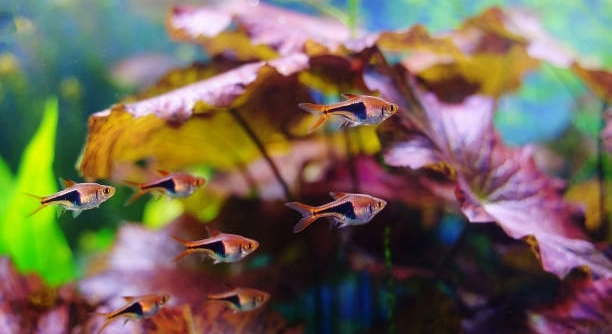
Are your aquarium mornings often filled with the quick flashes of tiny fish darting around unexpectedly? Rasboras are gentle, small freshwater fish that bring life to any tank. Observing their movements can be both calming and fascinating.
Rasboras are highly sensitive to sudden loud noises, reacting quickly with fast, jittery movements. This response is a natural defense mechanism that helps them avoid potential threats, reflecting their instinctive need for safety in their environment.
Understanding how noise impacts these fish can improve your aquarium setup and daily care, ensuring a calm and healthy space for your rasboras to thrive.
How Noise Affects Rasboras
Rasboras are naturally alert fish, and sudden noises can startle them easily. Vibrations from footsteps, slamming doors, or loud music can make them dart around the tank quickly. In some cases, this can lead to stress, which affects their eating habits and overall health. Stress can also weaken their immune system, making them more prone to disease. Even small, repetitive sounds like tapping on the glass can make rasboras skittish over time. They are more comfortable in quiet environments where movements outside the tank are predictable. Soft, steady ambient noise tends to have little impact. Over time, these fish may learn to tolerate gentle background sounds, but sudden loud bursts will always trigger a rapid escape response. Owners often notice that stressed rasboras cluster together or hide more often, which is their instinctive way to feel safe and protect themselves from perceived danger.
Rasboras respond best to calm and consistent surroundings, avoiding sudden, harsh noises whenever possible.
Providing a quiet environment encourages natural swimming patterns and healthier behavior, making your aquarium more peaceful for the fish.
Tips for Reducing Startle Responses
Maintaining a calm tank area can significantly reduce stress in rasboras. Avoid placing the aquarium in high-traffic zones or near sources of sudden noise.
Placing the tank in a quieter part of your room or using a soft background sound, like gentle water flow, helps rasboras feel secure. Consistent lighting and minimal disruptions also contribute to their comfort. Covering the tank during particularly noisy times, such as parties or cleaning, can prevent repeated stress responses. Observing the fish regularly helps you notice when they are stressed and adjust the environment accordingly. Feeding routines and gentle interactions can also reassure the fish, making them less prone to sudden panic. Over time, implementing these measures encourages natural behavior, reduces hiding, and allows rasboras to swim more confidently. Understanding their sensitivity to noise helps maintain their health and overall well-being.
Recognizing Stress in Rasboras
Signs of stress in rasboras include erratic swimming, frequent hiding, and loss of appetite. Changes in color or clamped fins may also indicate discomfort. Stress is often triggered by sudden environmental changes or loud noises around the tank.
A stressed rasbora may appear jumpy, moving quickly from one side of the tank to another without settling. They might cluster together more than usual or hide behind decorations. Over time, stress can affect growth, immunity, and lifespan. Watching their behavior closely helps identify patterns of disturbance, such as specific noises or times of day that cause anxiety. Adjusting the environment, reducing sudden disruptions, and providing places to hide can help the fish feel more secure. Consistency in daily care, like feeding and lighting, also reduces stress levels.
Monitoring interactions with tankmates is important. Aggressive behavior or competition for food can compound stress. Ensuring enough space and hiding spots minimizes these tensions. Regular observation allows you to respond promptly, preventing long-term health issues.
Creating a Calm Aquarium Environment
Placement of the tank plays a crucial role in keeping rasboras calm. Avoid busy areas with frequent loud activity or vibrations.
Soft lighting, steady water flow, and minimal external disturbances help rasboras feel safe. Adding plants and decorations offers hiding spots and reduces visual stress. A consistent feeding routine and predictable maintenance schedule further support a stable environment. Over time, fish become accustomed to gentle background activity, and their natural swimming patterns return. Regularly checking water quality and avoiding sudden temperature changes also contributes to a calmer, healthier habitat for the fish.
Common Noise Triggers
Rasboras are sensitive to sudden sounds like slamming doors, loud conversations, or tapping on the glass. Even vibrations from nearby activities can startle them, causing quick, erratic movements and stress.
Household electronics, music, or heavy foot traffic near the tank can also disturb their environment. Keeping these sources of noise minimal helps maintain calm behavior and overall health.
Feeding and Routine Adjustments
Maintaining a consistent feeding schedule can reduce stress for rasboras. They respond well to predictable routines and learn to associate quiet times with food. Feeding small portions multiple times a day mimics their natural grazing habits, preventing overfeeding and reducing aggression. Avoid sudden changes in food type or timing, as this can startle them. Providing live or frozen food occasionally encourages natural foraging behavior and keeps them engaged. A calm environment during feeding helps rasboras feel secure, lowering the chance of sudden panic movements. Observing their reactions to routine changes can guide adjustments and ensure a stable, healthy aquarium atmosphere.
Using Tank Decorations
Plants, rocks, and hiding spots provide comfort and reduce stress in rasboras, allowing them to feel safe while exploring.
FAQ
How much noise can rasboras tolerate?
Rasboras are naturally sensitive to loud and sudden noises. They can tolerate soft, constant background sounds, like gentle water flow or low ambient noise, without showing signs of stress. Sudden bangs, slamming doors, or abrupt movements near the tank are much more likely to startle them. Repeated disturbances can affect their health over time, so maintaining a calm, steady environment is best.
What behaviors indicate a rasbora is startled?
When startled, rasboras may dart quickly across the tank, jump, or hide behind plants and decorations. They often cluster tightly together, a natural instinct for safety. Other signs include clamped fins, rapid gill movements, or loss of appetite. Observing these behaviors helps you adjust the tank environment to reduce stress.
Does tank placement affect their sensitivity to noise?
Yes, tank placement plays a major role. Tanks near high-traffic areas, doors, or electronics are more likely to expose rasboras to sudden sounds and vibrations. Choosing a quieter, more stable location reduces stress and encourages natural swimming patterns. Placing decorations strategically also provides hiding spots, helping fish feel secure.
Can feeding routines reduce startle responses?
A consistent feeding schedule helps rasboras feel secure. Predictable routines signal a safe environment, which lowers anxiety. Small, frequent meals encourage natural foraging and reduce competition among tankmates. Abrupt changes in timing, type of food, or quantity can increase stress, so consistency is key for calm behavior.
Do tankmates affect how easily rasboras are startled?
Yes, the behavior of other fish can influence stress levels. Aggressive or fast-moving tankmates may cause rasboras to react quickly, increasing their sensitivity to noise. Choosing peaceful species and providing enough space for all fish to swim freely helps reduce unnecessary stress. Hiding spots and plants also support safer interactions.
How can I gradually reduce stress from unavoidable noise?
If some noise is unavoidable, gradual exposure can help. Soft, consistent background sounds allow rasboras to acclimate over time. Avoid sudden increases in volume or intensity. Observing their reactions closely allows you to identify thresholds and adjust the environment to prevent prolonged stress.
Does water quality impact their response to noise?
Poor water quality can make rasboras more sensitive to stressors, including noise. Ammonia, nitrite, or sudden temperature changes weaken their health and heighten startle responses. Regular testing, partial water changes, and maintaining stable temperature and pH levels are essential to keep fish resilient and less prone to panic.
Are younger rasboras more easily startled than adults?
Younger rasboras tend to be more skittish because they are still developing instincts for safety. They may hide more often or react faster to sudden noises. Providing ample plants and decorations allows juveniles to feel secure, and as they grow, they typically become more confident and less reactive.
Do artificial lights contribute to stress?
Bright or flickering lights can startle rasboras, especially if sudden changes occur. Using a consistent light schedule with gradual transitions reduces anxiety. Dim or natural lighting during quieter times of day can also help maintain calm behavior and support a healthy daily rhythm for the fish.
What steps can prevent noise-related injuries?
Preventing stress injuries involves creating a safe tank environment. Provide hiding spots, maintain proper water conditions, and avoid sudden movements near the tank. Feeding routines, gentle water flow, and consistent lighting also reduce startle reactions. Observing fish behavior regularly allows early identification of stress and timely adjustments to prevent harm.
Final Thoughts
Rasboras are small, delicate fish that react strongly to sudden noises. Their natural instincts make them quick to dart or hide when they sense potential danger. Even small disturbances, like tapping on the glass or loud conversations near the tank, can startle them. Over time, repeated stress from noise can affect their health, leading to weakened immunity, loss of appetite, and slower growth. Providing a calm and predictable environment is essential for their well-being. Quiet surroundings, gentle water flow, and minimal vibrations help rasboras feel secure and allow them to display their natural behaviors. Observing them closely can give insight into what triggers stress, allowing for small changes that make a significant difference in their comfort and safety.
Creating a supportive tank environment goes beyond controlling noise. Decorations, plants, and hiding spots are important for rasboras to feel safe. Clusters of plants or carefully arranged rocks provide shelter when they are startled, giving them space to recover without feeling threatened. Consistency in daily routines, such as feeding at the same times and maintaining steady lighting, also reduces stress levels. Peaceful tankmates and adequate swimming space contribute to a calmer environment. When these elements are combined, rasboras are less likely to panic from minor disturbances and can enjoy a more balanced, healthy life. These simple adjustments show that attentive care can prevent unnecessary stress, allowing the fish to thrive naturally in their aquatic home.
Understanding how noise affects rasboras helps you make informed decisions about tank placement and daily care. Choosing a quiet location away from heavy foot traffic or loud appliances reduces the frequency of startling events. Soft background sounds, like gentle water movement, are usually tolerated and may even provide a comforting rhythm. Regular observation of the fish ensures you can spot changes in behavior before they become serious problems. Adjusting feeding routines, providing enrichment through live or frozen foods, and maintaining water quality all support their resilience. Ultimately, creating a calm, stable environment benefits both the fish and the overall enjoyment of your aquarium, making it a peaceful and healthy space for your rasboras to thrive.

Hello,
If you enjoy the content that we create, please consider saying a "Thank You!" by leaving a tip.
Every little bit helps us continue crafting quality advice that supports the health, happiness, and well-being of pets around the world, for pets of all shapes, sizes, and species.
We really appreciate the kindness and support that you show us!