
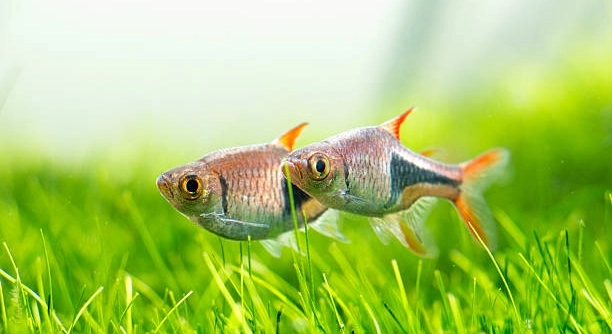
Caring for rasboras can be very rewarding, but sometimes they may show subtle signs of illness that are easy to miss. Observing your fish closely helps ensure they remain healthy and vibrant in their aquarium environment.
Rasboras exhibit several visual signs when sick, including faded colors, frayed fins, abnormal swimming patterns, swollen bodies, and surface gasping. Recognizing these signs early allows for prompt intervention, minimizing stress and preventing further health deterioration in the fish.
Noticing even small changes in your rasbora’s appearance can make a big difference in keeping them healthy. Paying attention now helps prevent minor issues from turning serious.
Faded Colors
When a rasbora is sick, one of the first things you might notice is a change in its color. Healthy rasboras have vibrant, shiny scales that reflect light beautifully. If the colors appear dull, faded, or washed out, it may indicate stress, poor water quality, or an underlying illness. Color fading can happen gradually, so observing your fish daily helps catch it early. Poor nutrition can also affect pigmentation, so make sure you are feeding a balanced diet suitable for small tropical fish. Sometimes, fading happens when the tank environment changes, like temperature fluctuations or excessive light. While some natural color variations occur with age or during breeding, persistent dullness paired with lethargy or lack of appetite usually signals a problem. Taking prompt action by checking water parameters, diet, and tank conditions can help restore the fish’s health. Watching for other signs alongside color changes gives a clearer picture of what might be wrong.
Faded colors in rasboras often signal stress, illness, or inadequate nutrition. Quick intervention is essential to prevent worsening health conditions and restore vitality.
Noticing changes in your fish’s colors early can prevent bigger problems. Paying attention to details like brightness and shine is important.
Frayed or Torn Fins
Frayed fins are a common visual sign that your rasbora is unwell. Healthy fins are smooth and intact, but damaged fins may appear ragged, split, or shorter than usual. This can result from fin rot, aggressive tankmates, or rough handling. Poor water conditions often make fins more susceptible to bacterial infections.
Rasboras with torn fins often show reduced activity and spend more time hiding. Treating the water with antibacterial solutions, improving cleanliness, and reducing stress can help the fins heal. Regular observation of swimming patterns and fin condition allows for early detection. Avoid overcrowding and ensure the tank has smooth decorations to prevent accidental tearing. A proper diet rich in vitamins also supports fin regeneration. Healing may take a few weeks, and keeping the tank stable is crucial. Keeping an eye on other symptoms like clamped fins or unusual behavior can indicate if the problem is isolated or part of a larger health issue. Being proactive ensures your rasboras recover faster and maintain their lively appearance.
Abnormal Swimming Patterns
Rasboras swimming erratically, spinning, or floating unevenly usually indicate stress or illness. Changes in movement often occur before other visible symptoms appear. Observing swimming habits helps identify problems early.
Erratic swimming can result from poor water quality, internal parasites, or swim bladder issues. When the tank water contains high ammonia or nitrite levels, fish may struggle to maintain balance. Parasites and bacterial infections can also affect their coordination, making them appear dizzy or unable to swim straight. Swim bladder disorders, often caused by overfeeding or constipation, can prevent a rasbora from floating properly. Monitoring food intake and maintaining a clean environment reduces the risk of these problems.
Some rasboras may isolate themselves or cling to tank plants while experiencing discomfort. This behavior often signals that the fish is unwell. Keeping a close eye on movement patterns allows for timely intervention and treatment. Adjusting water parameters, feeding habits, and tank layout can help the fish regain normal swimming behavior. Consistent observation ensures small issues do not escalate into serious health problems.
Swollen or Bloated Body
Swelling or bloating in rasboras often indicates internal issues like fluid buildup or organ problems. The body may look unusually round or rigid compared to healthy, slender fish.
Bloating can result from overfeeding, constipation, or bacterial infections. Overfeeding leads to undigested food accumulating in the gut, causing visible distention. Bacterial infections, especially dropsy, cause fluid retention and swelling throughout the body. Internal parasites may also lead to a swollen belly, sometimes accompanied by lethargy and loss of appetite. Observing the pattern and severity of swelling can help distinguish between simple digestive issues and more serious infections.
Maintaining proper feeding routines, avoiding excess food, and providing a balanced diet reduces the risk of bloating. Regular water changes and monitoring water quality prevent conditions that encourage bacterial growth. Noting changes in behavior alongside swelling provides a more complete picture of the fish’s health. Immediate attention and careful observation increase the chances of full recovery and prevent complications from developing further.
Gasping at the Surface
Rasboras gasping at the water surface usually indicate low oxygen levels. This behavior is a direct response to stress caused by insufficient oxygen or poor water quality. Immediate action is needed to prevent serious health issues.
High temperatures and overcrowded tanks reduce oxygen availability. Ensuring proper aeration and circulation keeps the water oxygen-rich. Observing frequent surface gasping helps identify problems early.
Clamped Fins
Clamped fins, where a rasbora keeps its fins close to the body, signal discomfort or illness. This symptom is often linked to poor water conditions, stress, or parasitic infections. Rasboras with clamped fins may also exhibit lethargy, loss of appetite, and reluctance to swim.
Maintaining stable water parameters, performing regular water changes, and avoiding sudden environmental changes help prevent clamped fins. Treating suspected infections promptly reduces recovery time.
Visible White Spots
White spots on the body or fins are usually caused by parasitic infections like ich. They appear as small, salt-like dots scattered across the fish’s body.
Prompt treatment is essential, often requiring medication or salt baths to remove parasites. Early detection prevents the infection from spreading to other tank mates.
FAQ
What should I do if my rasbora shows faded colors?
Faded colors often indicate stress, poor nutrition, or illness. Start by checking water quality, including temperature, pH, ammonia, nitrite, and nitrate levels. Ensure the tank is clean and that decorations or plants are not causing stress. Adjusting the diet with high-quality, varied food rich in nutrients can help restore natural coloration. If fading persists alongside lethargy or loss of appetite, consider consulting a veterinarian experienced with fish. Early intervention prevents further health decline and supports overall vitality.
How can I treat frayed or torn fins?
Frayed fins can result from injury, aggression, or bacterial infections like fin rot. Begin by improving water quality and removing aggressive tankmates if needed. Use antibacterial treatments designed for aquarium fish and provide a nutritious diet to support healing. Avoid overcrowding and sharp decorations that could worsen fin damage. Monitor the fins daily, and maintain stable water conditions. Healing may take a few weeks, but with proper care, fins can regrow fully.
Why is my rasbora swimming erratically?
Erratic swimming is often caused by poor water conditions, parasites, or swim bladder issues. Test the water for toxins and maintain appropriate temperature and pH. Limit overfeeding to prevent digestive problems that affect buoyancy. Parasite infections may require medication, while swim bladder disorders often improve with dietary adjustments and fasting for a short period. Observing swimming patterns regularly helps detect problems before they escalate.
What causes swelling or bloating in rasboras?
Bloating can occur due to overfeeding, constipation, internal parasites, or bacterial infections such as dropsy. Feed small, controlled portions and include high-fiber foods like peas to prevent constipation. Maintain clean water to reduce bacterial risks. Monitor behavior and appearance closely; persistent swelling requires prompt treatment to avoid serious complications.
How do I handle rasboras gasping at the surface?
Surface gasping indicates low oxygen levels or poor water quality. Increase aeration with air stones or stronger filters and ensure the tank is not overcrowded. Lower water temperature if it is too high, as warmer water holds less oxygen. Frequent water changes and maintaining healthy plant life help keep oxygen levels stable.
What does it mean if my rasbora has clamped fins?
Clamped fins suggest stress, poor water quality, or parasitic infection. Check water parameters and keep them stable. Treat for infections if necessary and provide a balanced diet. Minimize sudden environmental changes and monitor behavior. Addressing the root cause early helps the fins return to normal and reduces overall stress.
How can I treat white spots on my rasbora?
White spots are usually caused by ich, a common parasitic infection. Quarantine affected fish if possible and treat the tank with ich-specific medication or salt baths. Raise the water temperature gradually to speed up the parasite’s life cycle. Maintain excellent water quality and avoid sudden changes. Early treatment prevents the spread to other fish.
When should I consult a vet for my rasbora?
If your rasbora shows persistent signs of illness such as faded colors, frayed fins, bloating, clamped fins, erratic swimming, or white spots despite proper care, consulting a veterinarian is recommended. Professional advice ensures accurate diagnosis and effective treatment, improving the chances of recovery.
Can stress alone make my rasbora sick?
Yes, stress from overcrowding, aggressive tankmates, poor water conditions, or sudden environmental changes can weaken a rasbora’s immune system. Even without visible illness, prolonged stress increases susceptibility to disease. Maintaining a stable, clean, and comfortable environment is essential for their health.
How often should I check my rasbora for health issues?
Daily observation is ideal. Watch swimming patterns, fin condition, coloration, and appetite. Noticing small changes early allows for quick action, preventing minor problems from developing into serious health concerns. Keeping a routine makes it easier to detect issues before they escalate.
What is the best diet to keep rasboras healthy?
A balanced diet with high-quality flake food, micro-pellets, and occasional live or frozen foods supports vibrant color and strong immunity. Avoid overfeeding and remove uneaten food promptly to maintain water quality. A varied diet reduces the risk of nutritional deficiencies and related health problems.
Can water changes prevent most health issues?
Yes, regular water changes remove toxins, reduce nitrate and ammonia buildup, and maintain oxygen levels. Consistent maintenance prevents stress and disease. Combine this with monitoring temperature and pH, and your rasboras will have a healthier, more stable environment, lowering the risk of illness.
How do I know if an illness is contagious in my tank?
Rapid spread of symptoms like white spots, fin rot, or unusual swimming patterns across multiple fish suggests a contagious condition. Isolate affected fish, treat the tank appropriately, and maintain strict hygiene to prevent further transmission. Early detection limits outbreaks.
Are there preventive measures for rasbora diseases?
Yes, maintaining clean water, providing a balanced diet, avoiding overcrowding, and observing fish daily are key preventive measures. Quarantining new fish before introducing them helps avoid introducing infections. A stable, low-stress environment keeps immune systems strong and reduces disease risks.
How long does it take for a rasbora to recover from illness?
Recovery time depends on the illness, severity, and promptness of treatment. Minor issues may resolve in a few days with proper care, while serious bacterial or parasitic infections can take weeks. Consistent water maintenance, proper feeding, and monitoring progress are essential for full recovery.
Can I treat multiple signs at once?
Yes, often multiple symptoms are linked. Adjust water quality, diet, and treat for infections simultaneously when necessary. Observing how each intervention affects the fish helps ensure comprehensive recovery and prevents recurrence. Combining approaches is often the most effective method.
Rasboras are small, delicate fish, but they are surprisingly resilient when cared for properly. Paying close attention to their behavior and appearance is essential for keeping them healthy. Many of the common signs of illness, such as faded colors, frayed fins, or bloating, can be prevented or treated if detected early. Observing your fish daily gives you the opportunity to notice small changes before they become serious problems. Even subtle differences in swimming patterns or appetite can indicate stress or illness, so taking the time to watch your tank closely is always worthwhile.
Maintaining a clean, stable environment is one of the most important steps in preventing illness in rasboras. Regular water changes, proper filtration, and consistent monitoring of water parameters like temperature, pH, and ammonia levels all contribute to a healthy tank. Overcrowding or introducing aggressive tankmates can create stress, which weakens their immune system and makes them more vulnerable to disease. A balanced diet that includes high-quality flake food, micro-pellets, and occasional live or frozen treats also supports strong immunity and vibrant colors. These steps work together to reduce the likelihood of illness and keep your rasboras active and thriving.
Even with the best care, rasboras can occasionally become sick. Recognizing visual signs of illness and taking quick action can make a significant difference in recovery. Treating infections, adjusting water conditions, and addressing nutritional or environmental issues promptly helps prevent minor problems from escalating. Patience and observation are key, as some conditions take time to resolve fully. By staying attentive and proactive, you not only support your rasboras’ health but also create a more stable and enjoyable aquarium. Caring for them carefully ensures they remain lively, colorful, and healthy companions in your tank for years to come.

Hello,
If you enjoy the content that we create, please consider saying a "Thank You!" by leaving a tip.
Every little bit helps us continue crafting quality advice that supports the health, happiness, and well-being of pets around the world, for pets of all shapes, sizes, and species.
We really appreciate the kindness and support that you show us!