
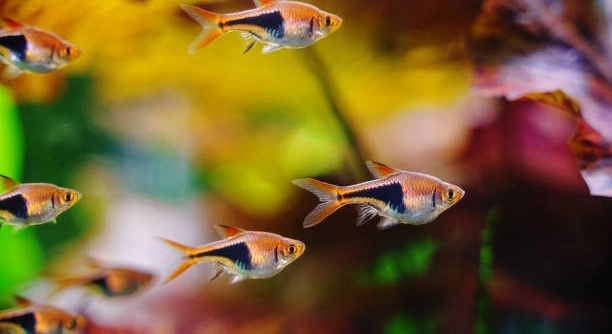
Many aquarium enthusiasts enjoy keeping small, peaceful fish together to create a calm environment. Rasboras and Corydoras are both popular choices, known for their gentle behavior and vibrant colors that add charm to home tanks.
Rasboras and Corydoras can coexist in the same aquarium when provided with enough space, hiding spots, and compatible water conditions. Maintaining a balanced environment reduces stress and supports the health and well-being of both species.
Knowing how to manage tank space, feeding routines, and water parameters ensures a harmonious aquatic setup for all fish.
Tank Setup for Rasboras and Corydoras
Rasboras and Corydoras thrive best in a well-planned tank that mimics their natural environment. Soft substrate like sand is ideal for Corydoras, who like to sift through it for food. Rasboras prefer open swimming areas with gentle currents. Providing plants, driftwood, and hiding spots benefits both species. A tank of at least 20 gallons is recommended for a small group of each fish, ensuring enough space to reduce stress and prevent territorial behavior. Proper filtration is essential, but avoid strong currents that may tire the fish. Lighting should be moderate, giving plants and fish a comfortable environment without causing stress. Regular water changes help maintain stable water quality. Both species prefer slightly acidic to neutral pH, and temperatures around 72-78°F work well. Feeding should include a mix of high-quality flakes, pellets, and occasional live or frozen foods to meet nutritional needs. Attention to these details helps both species flourish together in harmony.
Keeping the substrate soft and adding hiding spots improves comfort and encourages natural behavior for both fish.
Planting live greenery not only creates hiding spaces but also reduces nitrate buildup, providing a healthier tank environment. Carefully choosing compatible decorations ensures the fish can swim freely while feeling secure. Regular checks of water parameters prevent sudden stress and maintain balance. Observation is key; noticing behavior changes early allows adjustments to feeding, cleaning, or tank layout. Overcrowding can lead to aggression or stress, so maintaining proper stocking numbers is essential. Feeding routines must satisfy both species without leaving excess food that can affect water quality. Rasboras often swim in groups, so having at least six helps them feel safe. Corydoras enjoy group activity as well, so three or more individuals are ideal. By combining these elements, the tank becomes a calm, healthy space where both species can coexist comfortably while showing natural behaviors.
Feeding and Behavior
Rasboras and Corydoras have different feeding habits that can be balanced in a shared tank.
Rasboras are mid-level swimmers, typically feeding on small flakes or micro-pellets near the surface or mid-water. Corydoras are bottom dwellers, scavenging the substrate for leftover food. Providing sinking pellets or wafers ensures Corydoras receive adequate nutrition without competing with Rasboras. Feeding at different levels prevents stress and promotes healthy growth. Observing their eating patterns helps adjust portion sizes, preventing overfeeding or waste accumulation. Feeding should occur once or twice daily, maintaining routine and consistency.
Both species are peaceful, but slight differences in temperament and activity levels exist. Rasboras are schooling fish, moving in synchronized groups, which can calm the tank and reduce sudden movements. Corydoras are more leisurely but very social among themselves, often seen resting together or foraging in groups. Maintaining adequate space, hiding spots, and proper nutrition keeps aggression low. Tank mates should be similarly peaceful to avoid stress. Monitoring water quality is important because both species are sensitive to ammonia and nitrite spikes. A balanced diet, proper maintenance, and careful observation create an environment where both Rasboras and Corydoras thrive together, allowing natural behaviors without conflict or stress.
Water Conditions and Maintenance
Both Rasboras and Corydoras prefer clean, stable water with temperatures between 72-78°F and a pH of 6.5-7.5. Regular testing and weekly water changes are essential to prevent ammonia and nitrite buildup, which can stress both species and affect their health.
Maintaining stable water parameters is key for peaceful cohabitation. Corydoras are sensitive to sudden changes in water quality, and Rasboras thrive best in consistent conditions. Filtration should be adequate to handle waste but gentle enough to avoid strong currents. Using a heater ensures temperature stability, and partial water changes of 20-30% weekly keep nitrate levels low. Avoid overcrowding, as it can increase stress and the risk of disease. Regular observation allows early detection of health issues, ensuring prompt action.
Both species benefit from a planted tank, which helps maintain water quality naturally. Plants absorb excess nutrients, reducing algae growth and creating a more stable environment. Corydoras use plants and driftwood as hiding spots, while Rasboras swim among stems for shelter. Balanced feeding prevents leftover food from polluting the tank. Aeration helps maintain oxygen levels, supporting active fish. Consistent maintenance and attention to water chemistry are crucial to keep Rasboras and Corydoras healthy and calm, allowing them to coexist comfortably over the long term.
Compatible Tank Mates
Peaceful species such as small tetras, guppies, or dwarf gouramis can live with Rasboras and Corydoras without conflict. Avoid aggressive or large fish that may stress or injure them.
Choosing compatible tank mates requires understanding activity levels and temperaments. Rasboras are schooling fish and prefer active companions, while Corydoras enjoy calm, social environments at the bottom of the tank. Mid- and top-dwelling species that do not compete for food are ideal. Avoid aggressive or territorial fish, as they can stress both species and disrupt feeding routines. Observation during the first weeks is important to ensure harmony. Adjusting group sizes or tank layout may be necessary to prevent conflicts.
Proper planning of tank mates enhances the stability and safety of the aquarium. Avoiding large, aggressive species prevents bullying and allows both Rasboras and Corydoras to display natural behaviors. Small schooling fish complement Rasboras’ activity and provide a balanced visual dynamic. Bottom-dwelling species like small loaches or peaceful snails can coexist with Corydoras, helping with leftover food while not competing aggressively. Introducing new fish gradually helps reduce stress and allows the established community to adjust. Maintaining consistent water parameters and providing ample hiding spots for all inhabitants reduces territorial disputes. Careful selection ensures a calm, balanced environment where all fish can thrive, coexist, and exhibit their normal behaviors naturally.
Tank Decorations and Hiding Spots
Adding driftwood, rocks, and caves gives Corydoras places to rest and feel secure. Rasboras use plants and open spaces to swim freely, so a mix of both creates balance in the tank. Proper arrangement reduces stress and encourages natural behavior.
Live plants like Java fern or Anubias provide cover and improve water quality. Floating plants can diffuse light, making Rasboras feel safe while allowing Corydoras to forage without disturbance. Decorations should leave enough swimming space while offering shelters for bottom dwellers.
Lighting Considerations
Moderate lighting works best for both species. Too bright light can stress Rasboras, while dim areas allow Corydoras to explore the tank comfortably.
Common Health Concerns
Rasboras and Corydoras are generally hardy but can face issues like fin rot, ich, or stress-related illness. Maintaining clean water, proper diet, and stable conditions minimizes risk. Observing fish daily helps detect problems early.
Breeding Behavior
Corydoras lay eggs on flat surfaces or plants, while Rasboras scatter eggs in open water. Both species benefit from slightly cooler water and frequent feeding during breeding periods. Monitoring tanks during spawning ensures eggs are protected and increases survival rates.
Can Rasboras and Corydoras share the same tank?
Yes, Rasboras and Corydoras can share the same tank if the environment meets both species’ needs. Rasboras are mid- to top-dwelling schooling fish, while Corydoras are bottom dwellers. Providing enough swimming space, hiding spots, and compatible water parameters allows them to coexist peacefully.
What tank size is suitable for both species?
A tank of at least 20 gallons is recommended for small groups of each species. This ensures enough room for swimming, hiding, and for maintaining stable water quality. Overcrowding can lead to stress, aggression, and health issues. Proper stocking ratios and layout are essential.
What water conditions do Rasboras and Corydoras prefer?
Both species prefer slightly acidic to neutral pH, around 6.5-7.5, with a temperature range of 72-78°F. Regular water testing, filtration, and weekly partial water changes help maintain stable water quality, which is critical for their health and well-being.
Do Rasboras and Corydoras have different feeding habits?
Yes, they feed at different levels. Rasboras eat mid-water or surface flakes and micro-pellets, while Corydoras search the substrate for sinking pellets or wafers. Feeding at separate levels prevents competition and ensures each species gets proper nutrition without leaving excess food to pollute the tank.
Are both species peaceful with other tank mates?
Yes, both Rasboras and Corydoras are peaceful. Ideal tank mates include small tetras, guppies, dwarf gouramis, or other calm, non-aggressive species. Avoid large or territorial fish that could stress or harm them. Observation during the first weeks helps ensure compatibility and harmony.
How should the tank be decorated?
Provide a mix of open swimming space and hiding spots. Corydoras enjoy caves, driftwood, and smooth rocks, while Rasboras benefit from plants and mid-water cover. Live plants help maintain water quality, reduce nitrate buildup, and give fish areas to explore safely.
What lighting is best for the tank?
Moderate lighting works well for both species. Rasboras prefer slightly dimmer light to feel secure, while Corydoras explore more comfortably with shaded areas. Floating plants can diffuse light and create a more natural environment.
How do I prevent stress in a mixed tank?
Maintaining stable water parameters, providing hiding spots, and avoiding overcrowding are essential. Regular feeding routines and monitoring behavior help detect early signs of stress. Ensuring peaceful tank mates reduces conflict and keeps both species active and healthy.
Do Rasboras and Corydoras breed easily in a community tank?
Corydoras lay eggs on flat surfaces or plant leaves, while Rasboras scatter eggs in open water. Both may breed if water quality is stable, food is abundant, and tank conditions mimic seasonal changes. Removing eggs to a separate tank increases survival rates.
What are common health concerns?
Both species are generally hardy but can face fin rot, ich, or stress-related illness. Poor water quality, overcrowding, and inconsistent feeding increase risk. Regular observation, proper maintenance, and a balanced diet help prevent disease. Early detection is key for successful treatment.
How often should I clean the tank?
Weekly partial water changes of 20-30% are recommended, along with regular substrate vacuuming and filter maintenance. Avoid over-cleaning, as beneficial bacteria are necessary for a healthy tank. Consistent maintenance prevents sudden spikes in ammonia or nitrites that could harm fish.
Can I keep only one species if space is limited?
Yes, both Rasboras and Corydoras can thrive alone in smaller groups. Rasboras need at least six to feel secure, while Corydoras do best in groups of three or more. Adjusting group sizes ensures natural behavior and reduces stress for either species.
What should I feed them daily?
A varied diet is best. Rasboras eat high-quality flakes or micro-pellets, while Corydoras enjoy sinking pellets or wafers. Occasionally supplement with frozen or live foods to boost nutrition. Feeding once or twice daily in small portions prevents overfeeding and water pollution.
How do I monitor fish health effectively?
Observe daily for unusual behavior, color changes, or signs of stress like clamped fins or lethargy. Healthy Rasboras swim actively in schools, and Corydoras forage along the bottom. Early detection of problems allows prompt action, reducing the chance of serious illness.
Is it necessary to quarantine new fish?
Yes, quarantining new fish for at least two weeks reduces the risk of introducing disease. Monitor water parameters and fish behavior closely during this period before introducing them to the main tank to ensure a healthy and safe environment for all inhabitants.
Can I use artificial plants instead of live ones?
Artificial plants work but do not help maintain water quality. Corydoras may scratch themselves on rough decorations, so smooth surfaces are important. Live plants are generally better, offering natural cover, reducing nitrates, and creating a more stable, comfortable environment for both species.
How do I encourage natural behavior?
Provide a mix of open swimming areas and hiding spots. Feed at different tank levels to mimic natural foraging. Group Rasboras in at least six and Corydoras in at least three to encourage social interaction. Regular observation and a stable environment support healthy, natural behavior.
What are warning signs of tank imbalance?
Signs include unusual aggression, lethargy, faded colors, or excessive algae. Water testing may reveal elevated ammonia, nitrites, or nitrates. Addressing the issue promptly with partial water changes, better filtration, or reduced stocking can restore balance and prevent fish stress or disease.
How do I maintain harmony during feeding?
Feed Rasboras at mid-water or surface levels and Corydoras at the bottom. Small, frequent meals reduce competition. Observe fish to ensure everyone eats, and remove uneaten food promptly to prevent water quality issues. Proper feeding routines support calm behavior and healthy growth.
Can these fish adapt to different water hardness?
Both species tolerate slightly soft to moderately hard water but thrive best in stable, moderate hardness. Sudden changes can stress fish. Gradual adjustments are safer if necessary. Monitoring behavior and activity levels helps confirm whether water conditions are suitable for long-term health.
What is the ideal group size for schooling?
At least six Rasboras are needed for proper schooling behavior. Corydoras do best in groups of three or more. Proper group sizes reduce stress, encourage social behavior, and make both species feel secure, contributing to a peaceful and active tank environment.
How long do Rasboras and Corydoras live?
With proper care, Rasboras can live 4-6 years, while Corydoras may reach 5-10 years. Longevity depends on diet, water quality, and stress levels. Regular maintenance, a balanced diet, and stable tank conditions help both species live full, healthy lives.
Is it possible to mix multiple Rasbora species?
Yes, similar-sized, peaceful Rasboras can coexist in the same tank. Differences in size or temperament may cause minor stress, so observation is important. Mixing species adds variety while still maintaining the calm, schooling dynamic that Rasboras prefer.
How do I manage tank temperature?
Use a reliable heater to keep water between 72-78°F. Monitor daily to prevent sudden fluctuations, which can stress both species. Consistent temperature promotes healthy metabolism, feeding behavior, and immune system function. Heating adjustments should be gradual to avoid shock.
Can Rasboras jump out of the tank?
Yes, they are known jumpers. A tight-fitting lid or cover is necessary to prevent escapes. While Corydoras are less likely to jump, both species benefit from a secure tank to avoid injuries or loss.
How important is oxygenation?
Oxygenation is essential. Both species are active swimmers, and Corydoras breathe near the surface. Aeration with gentle bubbles or a well-placed filter outlet ensures sufficient oxygen, keeping fish healthy and reducing stress.
Should I separate Rasboras and Corydoras during breeding?
It can help increase egg survival. Rasboras scatter eggs that can be eaten, and Corydoras may need protected surfaces for laying eggs. Using breeding nets or separate tanks prevents predation and improves hatching success.
Can I keep them with snails or shrimp?
Yes, peaceful invertebrates like snails or small shrimp coexist well. Corydoras may occasionally nibble on tiny shrimp, so choose species carefully. Snails help clean leftover food and contribute to tank maintenance without causing stress.
How often should I check water parameters?
Weekly testing is recommended for pH, ammonia, nitrites, nitrates, and temperature. During new setups or after adding new fish, check more frequently. Stable water chemistry ensures a safe environment for both Rasboras and Corydoras, promoting long-term health.
What is the best way to introduce new fish?
Float the bag in the tank to adjust temperature, then gradually mix tank water over 30-60 minutes. Release fish gently to reduce stress. Quarantining first helps prevent disease transmission and keeps the main tank stable.
Can Corydoras damage tank plants?
No, Corydoras are gentle and rarely uproot plants. They may stir substrate while foraging, but live plants with strong roots remain safe. Choosing hardy species and using soft substrate ensures plants and fish thrive together.
Are there seasonal changes that affect behavior?
Slight changes in temperature, light, and feeding can trigger breeding or increase activity. Mimicking seasonal variations with gradual adjustments can encourage natural behavior without stressing the fish. Observation ensures changes are safe and effective.
Do Rasboras and Corydoras need companions of the same species?
Yes, both species are social. Rasboras school in groups of six or more, and Corydoras thrive in groups of three or more. Proper companionship reduces stress, encourages natural behavior, and maintains a calm, active tank environment.
How can I prevent algae growth?
Maintain water quality, avoid overfeeding, and include live plants. Moderate lighting and routine cleaning help control algae. Balanced nutrient levels and consistent maintenance keep the tank clean without harming Rasboras or Corydoras.
What signs indicate breeding readiness?
Rasboras display increased activity and chasing behavior, while Corydoras may dig in the substrate and clean flat surfaces. Frequent feeding and slightly cooler water can trigger spawning. Observation ensures eggs are protected and conditions support healthy fry development.
How should I handle sick fish?
Isolate affected fish in a quarantine tank. Test water parameters, adjust diet, and treat with appropriate medication. Prompt intervention prevents disease spread and increases recovery chances. Maintaining stable, clean water minimizes the risk of future illnesses.
Can both species live in the same tank long-term?
Yes, with proper care, tank size, compatible mates, stable water conditions, and balanced feeding, Rasboras and Corydoras can coexist peacefully for years, exhibiting natural behavior and maintaining good health. Regular monitoring and attention ensure a thriving community tank.
How do I encourage schooling behavior in Rasboras?
Keep at least six individuals together, provide open swimming space, and avoid aggressive tank mates. Group activity reduces stress and makes Rasboras feel secure, allowing them to swim naturally in synchronized patterns.
Is filtration important for a mixed tank?
Yes, effective but gentle filtration keeps water clean without creating strong currents that stress Rasboras or Corydoras. Proper filtration supports stable parameters and prevents buildup of harmful toxins.
Can temperature fluctuations cause stress?
Yes, sudden changes in water temperature can shock fish, reducing immunity and affecting behavior. Maintaining consistent temperature with a reliable heater and monitoring prevents stress and keeps both species healthy.
How do I handle leftover food?
Remove uneaten food promptly to prevent water pollution. Corydoras will eat some leftovers from the bottom, but excessive food can degrade water quality. Feeding small portions ensures both species are nourished without waste.
Do Rasboras and Corydoras interact much?
Interaction is mostly peaceful. Rasboras swim mid-level in groups, while Corydoras forage on the bottom. Minimal overlap reduces competition, and both species benefit from observing each other without conflict, creating a calm tank environment.
Can I mix multiple Corydoras species?
Yes, compatible sizes and temperaments allow multiple species to coexist. Grouping them with sufficient numbers of each species encourages natural social behavior and reduces stress, maintaining harmony in the tank.
How do I know if they are happy?
Active swimming, normal feeding, bright colors, and social behavior indicate content fish. Corydoras foraging together and Rasboras schooling smoothly are signs of a healthy, stress-free tank environment.
What maintenance routine works best?
Weekly partial water changes, substrate cleaning, filter maintenance, and parameter testing maintain stability. Observing fish behavior daily ensures issues are addressed quickly, keeping Rasboras and Corydoras healthy long-term.
Are there any special considerations for long-term care?
Stable water, consistent feeding, compatible tank mates, sufficient space, and routine maintenance are key. Gradual changes, proper group sizes, and monitoring behavior ensure both species thrive for years in a shared environment.
Can they live in community tanks with different species?
Yes, as long as tank mates are peaceful and similar in size. Aggressive or large fish should be avoided. Careful observation ensures harmony and reduces stress for Rasboras and Corydoras alike.
Is tank decoration important for health?
Yes, decorations provide hiding spots, reduce stress, and encourage natural behaviors. Corydoras need bottom cover, while Rasboras enjoy plants and mid-level shelters. Balanced decoration supports a healthy, calm tank.
Do Rasboras ever bully Corydoras?
No, both species are peaceful. Minor chasing is normal during feeding but rarely escalates. Providing enough space and hiding spots ensures calm coexistence and minimizes stress-related behavior.
Can tank water be too soft or hard?
Moderately soft to slightly hard water is suitable. Extreme hardness or softness can stress fish and affect health. Gradual adjustments and monitoring ensure water parameters remain within safe ranges.
How do I manage nitrogen levels?
Regular partial water changes, proper filtration, and avoiding overfeeding control ammonia, nitrite, and nitrate levels. Monitoring water chemistry ensures a safe environment, preventing illness and promoting long-term health.
Is tank aeration necessary?
Yes, gentle aeration supports oxygen levels for active Rasboras and bottom-dwelling Corydoras. Proper oxygenation reduces stress, encourages activity, and supports overall fish health.
Can both species tolerate low light?
Yes, moderate to low light is fine. Rasboras may prefer shaded areas, while Corydoras explore the bottom. Adjusting lighting to mimic natural conditions reduces stress and encourages normal behavior.
Do Rasboras need schooling companions?
Yes, at least six individuals are recommended. Schooling provides security, reduces stress, and promotes natural movement patterns in mid-water. Proper group size is crucial for healthy behavior.
Do Corydoras need group companions?
Yes, three or more individuals are ideal. Corydoras are social and feel safer in small groups, which encourages foraging and reduces stress-related behavior.
What type of substrate is best?
Soft sand is ideal for Corydoras to prevent injury while foraging. Rasboras are less picky but benefit from smooth substrate. Avoid sharp gravel to maintain fish health.
Can these fish live without plants?
Yes, but live plants improve water quality and provide hiding spots. Floating or rooted plants offer security, reduce stress, and create a more natural, comfortable environment.
How do I encourage foraging behavior?
Scatter sinking pellets or wafers for Corydoras and feed mid-level flakes for Rasboras. Adding live or frozen foods encourages natural searching and hunting instincts, keeping both species active.
Are frequent water changes necessary?
Yes, weekly partial changes maintain water quality. Excessive or insufficient changes can stress fish. Consistent maintenance supports stable chemistry, healthy fish, and long-term tank balance.
What is the best way to monitor stress?
Watch behavior closely: clamped fins, hiding, lethargy, or reduced feeding indicate stress. Early intervention, such as adjusting water parameters, adding hiding spots, or reducing stocking, helps restore calm and health.
Can Rasboras and Corydoras live for many years together?
Yes, with proper care, both species can coexist for several years. Stable water, adequate space, compatible mates, and attentive maintenance ensure a healthy, harmonious long-term community tank.
Keeping Rasboras and Corydoras together in the same tank can be very rewarding if the setup is done carefully. Both species are peaceful, and their different swimming levels make them compatible in most community aquariums. Rasboras are active swimmers that stay in the middle or top of the tank, while Corydoras spend most of their time at the bottom, foraging and exploring. This natural separation reduces competition and stress, allowing each species to display normal behavior. Choosing a tank of adequate size, usually at least 20 gallons, is important to ensure enough space for swimming and resting. Overcrowding can quickly lead to stress, poor health, and occasional aggressive behavior, so paying attention to group sizes is essential. At least six Rasboras and three Corydoras are recommended for social interaction and a balanced environment. By respecting these needs, both species can thrive without interfering with each other’s routines or habits.
Water conditions play a major role in keeping Rasboras and Corydoras healthy and happy together. Both species prefer slightly acidic to neutral pH, moderate water hardness, and stable temperatures around 72-78°F. Sudden changes in water quality or temperature can lead to stress, which weakens their immune system and makes them more prone to disease. Regular water testing, weekly partial water changes, and proper filtration are essential to maintain stability. Adding live plants not only creates hiding spots but also helps improve water quality by absorbing excess nutrients. Substrate choice is also important, particularly for Corydoras, who sift through sand or soft gravel while feeding. Smooth surfaces prevent injury to their delicate barbels and allow them to forage comfortably. Observing both species closely on a daily basis can help identify early signs of stress or illness, ensuring any issues are addressed before they become serious.
Feeding routines, tank decorations, and tank mates should also be carefully considered to maintain harmony. Rasboras feed at mid-water or near the surface, while Corydoras focus on the bottom, so providing appropriate food for each level prevents competition and leftover waste. Decorations like driftwood, rocks, caves, and plants offer places for hiding and resting, reducing stress for both species. When selecting tank mates, peaceful fish of similar size are best, as aggressive or large species can create tension and disturb the calm environment. Proper lighting, aeration, and temperature control further support their health and natural behavior. By paying attention to these details and making small adjustments as needed, a shared tank can become a balanced, thriving habitat where Rasboras and Corydoras live comfortably together. With consistent care, both species will display their natural activity, interact safely with each other, and remain healthy for years.

Hello,
If you enjoy the content that we create, please consider saying a "Thank You!" by leaving a tip.
Every little bit helps us continue crafting quality advice that supports the health, happiness, and well-being of pets around the world, for pets of all shapes, sizes, and species.
We really appreciate the kindness and support that you show us!