
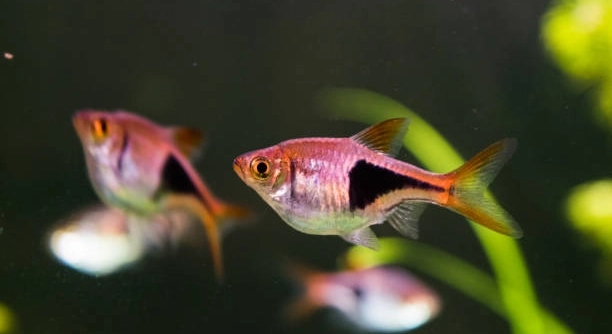
Moving a tank can be stressful for both fish and their owners. Rasboras, known for their peaceful nature, may react differently when introduced to a new environment. Adjusting to new surroundings can take time for these small fish.
Rasboras often show temporary changes in behavior after a move, including hiding, slower swimming, or reduced feeding. These adjustments are a natural response to new stimuli, and most fish return to normal patterns once acclimated to their new environment.
Observing these subtle changes can help you support your fish during the transition and ensure their comfort in the new tank.
Signs of Stress in Rasboras After a Move
When rasboras are introduced to a new tank, their behavior can noticeably change. They may cluster in one corner, hide among plants, or swim erratically. Appetite often decreases, and some may even appear lethargic. Changes in water temperature, lighting, and decorations can make them feel insecure. It’s normal for them to take time to adjust. Observing their behavior closely can help you understand how they are coping. Gentle handling and maintaining stable water conditions are key. Avoid overfeeding during this period, as stress can affect digestion. Watching for physical signs like faded color or clamped fins is important, as these indicate higher stress levels. A calm environment, minimal sudden changes, and consistent care help rasboras regain confidence. Over time, they usually return to their normal active and social behavior, blending comfortably with tank mates and exploring the aquarium.
Stress in rasboras is usually temporary, lasting a few days to a week, depending on the move’s impact.
Providing hiding spots, keeping water stable, and observing them closely allows you to address problems early. This simple care approach ensures their well-being during adjustment.
Tips to Help Rasboras Settle In
Gradual acclimation and stable conditions help rasboras feel secure quickly.
After moving, ensure the water is properly conditioned, at the correct temperature, and free of sudden chemical changes. Introduce plants, decorations, and hiding spots that resemble their previous tank. Feeding small amounts at regular times encourages natural behavior and reduces stress. Avoid overcrowding and limit handling, as excessive disturbance can prolong adjustment. Light levels should remain consistent, and sudden changes in illumination should be avoided. Observing their interactions with tank mates is important, as some may temporarily display shyness or aggression. Patience and consistent care help rasboras regain confidence and explore the new environment naturally. Regular water testing and minor adjustments ensure comfort and health. Maintaining a calm environment with minimal sudden noise or vibrations also supports their recovery. With proper care, rasboras adapt well, restoring their vibrant swimming patterns and social interactions within days or weeks. Proper attention during this period is crucial for long-term health.
Common Behavioral Changes
Rasboras may hide more often, swim slower, or avoid other fish. Some seem less curious and stay near the bottom or corners of the tank, reflecting their cautious adjustment to a new environment.
These changes happen because rasboras are sensitive to shifts in surroundings. Even small differences in water flow, temperature, or decorations can affect their comfort. They may cluster together for security or avoid areas that feel unfamiliar. Feeding patterns often change too, with some fish eating less until they feel safe. Keeping the tank calm and stable helps them regain confidence faster. Observing these behaviors lets you identify stress early and respond appropriately, reducing risks of illness or prolonged anxiety.
Social interactions can shift temporarily. Dominance or shyness may become more noticeable, especially in smaller groups. Over time, they usually return to normal swimming patterns, resume social behavior, and explore the tank actively once they feel secure.
Supporting Rasboras During Adjustment
Provide gentle care, stable water conditions, and hiding spots to reduce stress effectively.
Consistency in feeding, light, and temperature creates a predictable environment, helping rasboras feel secure. Avoid sudden changes, loud noises, or excessive handling, as these can prolong stress. Plants and decorations offer shelter and reduce anxiety, giving fish areas to retreat when overwhelmed. Regular monitoring of water parameters ensures their health remains stable. Small, frequent feedings encourage appetite without overloading the tank. Observing interactions between tank mates helps spot early signs of aggression or fear.
Patience is essential when supporting rasboras after a move. They may take several days to weeks to fully adjust. Providing an environment that mirrors their previous tank, including familiar plants and decorations, encourages natural behaviors. Monitoring water quality and temperature consistently prevents additional stress. Keeping lights on a regular schedule and limiting disturbances allows them to settle faster. Gentle care and attention ensure they regain normal swimming, feeding, and social behaviors. Over time, rasboras resume their active, curious patterns, and the tank becomes lively again, reflecting their comfort and security.
Adjusting to New Tank Layouts
Rasboras often take time to navigate new tank layouts. They may avoid open areas and stick close to plants or decorations until they feel secure.
Sudden changes in space or hiding spots can make them cautious. Gradually rearranging elements and observing their behavior helps them explore safely.
Feeding After a Move
Some rasboras may eat less or refuse food temporarily. Stress can reduce appetite, making smaller, frequent feedings more effective. Offering familiar foods encourages them to start eating again. Maintaining a calm environment during feeding times helps them feel safe and supports proper nutrition.
Temperature and Water Conditions
Stable water temperature is essential. Sudden fluctuations can stress rasboras and affect their health. Monitoring and adjusting water conditions carefully ensures a smooth transition and helps them acclimate faster.
Observing Social Behavior
Rasboras may temporarily change how they interact with tank mates. Shyness, clustering, or minor squabbles are normal during adjustment.
FAQ
Why are my rasboras hiding more than usual after a move?
Hiding is a common response to stress in rasboras. They may feel insecure in a new environment and stick to areas where they feel safe. Providing plants, decorations, or small caves gives them refuge. Over time, they usually begin exploring more as they adjust.
How long does it take for rasboras to settle in?
Adjustment periods vary, but most rasboras start showing normal behavior within a few days to a week. Some may take longer if the tank conditions differ significantly from their previous environment. Patience and consistent care are key during this period.
Why aren’t my rasboras eating after moving?
Stress can reduce appetite temporarily. They may need a calm, stable environment and familiar food to feel comfortable eating again. Offering small portions at regular intervals encourages feeding without overwhelming them. Avoid overfeeding, which can harm water quality.
Should I rearrange the tank to help them adjust?
Minor adjustments can help, especially if it provides more hiding spaces. However, avoid frequent or major changes, as constant rearranging increases stress. Once they show confidence in exploring the tank, you can make slow, gradual changes.
Can rasboras get sick from moving stress?
Yes, prolonged stress can weaken their immune system, making them more prone to illness. Maintaining clean, stable water and observing for signs like faded color, clamped fins, or unusual swimming helps prevent health problems. Prompt action ensures recovery.
Is it normal for rasboras to swim erratically after relocation?
Erratic swimming is common in the first few days. It usually reflects nervousness rather than illness. Keeping the tank quiet, stable, and well-structured helps them regain calm, controlled movement. Most fish return to normal swimming patterns as they adapt.
Can tank mates affect how rasboras adjust?
Yes, interactions with tank mates can influence stress levels. Aggressive or dominant fish may increase hiding or cautious behavior. Ensuring peaceful tank mates and sufficient space reduces tension and supports quicker adjustment.
Do lighting changes matter after a move?
Lighting can impact stress. Sudden bright lights may scare rasboras, while consistent, moderate lighting helps them feel secure. Providing shaded areas or plants can also give them relief if the tank is brightly lit.
How can I tell if my rasboras are fully adjusted?
Signs include normal swimming patterns, regular feeding, vibrant colors, and interaction with tank mates. They should explore all areas of the tank without frequent hiding. Monitoring these behaviors over several days indicates successful acclimation.
Are there ways to reduce stress before moving rasboras?
Gradual acclimation to transport containers, minimizing handling, and preparing the new tank in advance all reduce stress. Ensuring water parameters match their current tank as closely as possible helps make the transition smoother.
What should I do if one rasbora seems more stressed than others?
Sometimes, individual fish are more sensitive. Provide extra hiding spots, avoid disturbances near the tank, and monitor feeding and behavior closely. If stress persists beyond a week, checking water quality and consulting with a knowledgeable source may help prevent illness.
Can adding new plants or decorations help them settle?
Yes, familiar or dense plants and decorations give rasboras areas to explore and hide. This reduces stress and encourages natural behaviors like schooling, swimming, and foraging. Gradually introducing new elements allows them to adapt without feeling overwhelmed.
Is it normal for rasboras to stay at the bottom after moving?
Yes, bottom-dwelling behavior is common initially. They often stay near the substrate or decorations until they feel secure. As confidence grows, they gradually move into mid and upper levels of the tank, resuming their normal swimming patterns.
How do water changes affect stressed rasboras?
Large or frequent water changes can increase stress if done abruptly. Small, consistent changes with stable temperature and parameters help maintain water quality without disturbing them. Using gentle filtration and avoiding strong currents also supports their comfort.
Should I separate rasboras if they seem stressed?
Generally, it’s better to keep them together, as schooling provides comfort. Only consider temporary separation if aggressive tank mates cause excessive stress or if one fish is sick and needs isolation to recover.
Can stress affect their color?
Yes, stressed rasboras often show faded or dull colors. Once they adjust and regain comfort, vibrant colors usually return. Monitoring their appearance can indicate how well they are coping with the new environment.
How often should I observe them after a move?
Regular observation, a few times a day for short periods, helps track behavior and detect stress or illness early. Avoid constant monitoring that could disturb them, but check feeding, swimming, and interactions consistently.
Do rasboras need extra supplements after moving?
Not usually. A balanced diet and stable water conditions are more important. Stress alone doesn’t require supplements, but providing high-quality food supports overall health and recovery during adjustment.
What if stress persists beyond a week?
Persistent stress may indicate water issues, disease, or social problems. Test water parameters, check for aggressive tank mates, and adjust care routines. Consulting an experienced aquarist or veterinarian can help address prolonged stress and prevent health problems.
Are smaller or larger tanks better for post-move adjustment?
A properly sized tank with hiding spots is ideal. Too small increases stress due to limited space, while too large may make fish feel insecure initially. Balanced tank size with proper décor allows rasboras to explore safely and regain confidence.
Can stress affect breeding behavior?
Yes, stressed rasboras often delay or stop spawning. They need stable conditions, minimal disturbances, and a calm environment to feel secure enough to breed. Patience and proper care restore normal reproductive behaviors over time.
How can I make the tank feel familiar to them?
Adding similar plants, decorations, and substrate from the previous tank, if possible, helps create a familiar environment. Matching water parameters and consistent lighting also support their sense of security and reduce adjustment time.
Is it normal for rasboras to school more tightly after moving?
Yes, tight schooling is a common stress response. Grouping together provides safety and reassurance. As they become comfortable, their schooling will loosen, and they will explore the tank more freely.
Do temperature fluctuations make adjustment harder?
Yes, rasboras are sensitive to temperature changes. Sudden shifts increase stress and can weaken immunity. Keeping water stable and close to their previous tank’s temperature helps them adjust smoothly.
Can stress cause aggressive behavior?
Occasionally, stressed rasboras may show mild aggression, often limited to chasing within the group. It usually resolves as they acclimate. Ensuring enough space and hiding spots reduces tension and prevents prolonged conflicts.
What is the best way to monitor their adjustment?
Observe feeding, swimming patterns, color, and social behavior. Gradual improvements indicate successful acclimation. Note any persistent hiding, lethargy, or appetite loss, and take corrective action if necessary. Consistent monitoring ensures their well-being during the transition.
How long should I limit handling after a move?
Handling should be minimal for at least a week or until they show confident behavior. Unnecessary disturbance prolongs stress, so observe quietly and avoid touching the fish unless absolutely necessary.
Can stress affect their lifespan?
Chronic stress can reduce overall health and increase susceptibility to disease, potentially shortening lifespan. Proper care, stable water, and a calm environment help maintain health and support long-term well-being.
Are some rasbora species more sensitive to moving than others?
Yes, smaller or more delicate species often show stronger stress responses. Recognizing species-specific behavior helps tailor care, hiding spots, and feeding routines to ensure a smoother adjustment.
Is it helpful to dim lights temporarily?
Yes, dim lighting can reduce stress initially, giving them confidence to explore gradually. Adding shaded areas with plants or decorations enhances comfort while maintaining visibility for monitoring their behavior.
How do I encourage exploration without increasing stress?
Gradually remove hiding spaces once they appear confident. Introduce new decorations slowly and avoid sudden changes. Observing their pace and allowing them to explore at their own comfort level prevents unnecessary stress.
Can water current affect their adjustment?
Strong currents can overwhelm stressed rasboras. Adjusting flow to moderate levels, using gentle filtration, and providing sheltered areas allows them to swim comfortably and regain confidence in the new tank.
Do rasboras prefer to stay near the surface after moving?
They often stay near the bottom or mid-level initially for security. As confidence grows, they move throughout the tank, including the surface. Gradual observation ensures they are adapting naturally.
Is using a quarantine tank recommended after moving?
Not always necessary unless introducing new fish or if illness is suspected. For established fish, a properly set up main tank with stable conditions is usually sufficient for adjustment.
How can I tell if hiding is normal or a problem?
Short-term hiding is normal. Prolonged hiding beyond a week, combined with poor feeding, faded color, or lethargy, indicates stress or health issues. Observing water quality and tank conditions helps determine if intervention is needed.
Are there signs of permanent stress damage?
Chronic, unmanaged stress can lead to stunted growth, weakened immunity, or long-term behavior changes. Early attention, stable conditions, and proper care prevent lasting negative effects on health and activity.
What role does water chemistry play in adjustment?
Consistent pH, hardness, and temperature are critical. Sudden changes can increase stress, reduce appetite, and affect swimming. Regular testing and careful maintenance provide a stable environment for smoother acclimation.
Should I keep the tank lights on a regular schedule?
Yes, a consistent light-dark cycle supports natural behavior and reduces stress. Sudden or irregular lighting can confuse fish and prolong hiding or lethargy. Gradually returning to normal lighting helps them adapt.
Is it normal for rasboras to school less at first?
Yes, temporary reduction in schooling is common. They may stick to corners or plants initially. Over time, as stress decreases, normal social behavior and coordinated schooling return naturally.
Can introducing other fish affect adjustment?
Adding new fish immediately after a move can increase stress. It’s best to allow rasboras to settle first, ensuring stable behavior and reduced anxiety before introducing newcomers.
How can I tell if water quality is affecting stress?
Cloudy water, high ammonia, nitrite, or nitrate levels can increase stress. Regular testing and proper filtration ensure healthy conditions and reduce behavioral issues related to poor water quality.
Do rasboras show signs of stress in color changes?
Yes, pale or dull coloration often reflects stress. Vibrant colors typically return once the fish feel secure and the environment stabilizes. Consistent care helps restore their natural appearance.
Is schooling behavior a reliable stress indicator?
Yes, tight clustering, reduced movement, or avoidance of open areas indicates stress. Observing schooling patterns helps gauge comfort and guides adjustments to tank conditions.
Can sudden noises impact adjustment?
Loud or frequent noises can frighten rasboras, causing hiding, erratic swimming, or reduced feeding. Maintaining a quiet environment supports faster adaptation and calmer behavior.
What is the most effective way to reduce stress quickly?
Stable water, hiding spots, calm lighting, minimal handling, and familiar feeding routines collectively reduce stress. Patience and observation are essential for helping rasboras adjust safely and regain normal behavior.
How often should I check water parameters during adjustment?
Daily or every other day is ideal for the first week. Monitoring temperature, pH, ammonia, nitrite, and nitrate ensures stable conditions, reducing stress and preventing health issues during acclimation.
Can seasonal changes affect post-move behavior?
Yes, temperature shifts or light changes from seasonal variations can affect stress levels. Keeping the tank insulated, maintaining consistent heating, and monitoring light cycles help mitigate these effects.
Is it normal for rasboras to cling to plants after moving?
Yes, staying near plants or decorations offers security. As confidence grows, they explore more freely, gradually spending time in open areas of the tank.
Should I reduce feeding frequency to prevent stress?
Feeding small, regular portions is better than reducing frequency drastically. Overfeeding can worsen water quality, while consistent small meals encourage natural behavior without adding stress.
Do rasboras respond to human presence during adjustment?
Some may remain cautious or hide when approached. Gentle, minimal disturbance during observation helps them feel secure, while repeated sudden movements may increase stress.
How can I support shy rasboras specifically?
Provide extra hiding spots, maintain calm water, and avoid sudden changes. Observing their behavior closely and ensuring a safe environment encourages confidence over time.
Is water temperature consistency more important than exact degrees?
Yes, stability matters more than minor variations. Sudden fluctuations cause stress, while a slightly different but stable temperature allows fish to adapt comfortably.
Can stress cause unusual swimming patterns?
Yes, circling, darting, or staying in corners can indicate stress. Monitoring behavior and ensuring stable conditions usually resolves these issues as adjustment progresses.
Should I use stress-reducing additives?
Optional, but not required if water quality is stable. Some products can help calm fish temporarily, but maintaining proper water conditions and environment is the most effective method.
How do I balance observation without increasing stress?
Short, quiet checks a few times a day are sufficient. Avoid tapping the glass or sudden movements. Let them acclimate at their own pace while you monitor key behaviors.
Are older or younger rasboras more sensitive to moving stress?
Younger fish may adapt faster but are more fragile, while older fish may be more cautious. Understanding their age helps tailor care, feeding, and hiding provisions for smoother adjustment.
Can changing tank décor too soon cause regression?
Yes, removing or rearranging decorations too early can increase hiding, stress, or erratic swimming. Wait until fish display confident exploration before making additional changes.
Do rasboras remember their previous environment?
They may recognize familiar structures or plants, which provides comfort. Using similar décor and plants can help reduce stress and support smoother acclimation in a new tank.
Is it normal for rasboras to group tightly at the start?
Yes, tight schooling provides a sense of security. Over time, as stress decreases, they will spread out and explore more, resuming normal social behavior.
Can stress affect their immune system long-term?
Prolonged stress weakens immunity, making fish susceptible to disease. Maintaining stable water, calm conditions, and consistent care prevents long-term health issues and supports recovery.
How do I know if stress is behavioral or health-related?
Behavioral stress usually improves with stable conditions and time. Persistent hiding, faded color, poor appetite, or unusual swimming may indicate health issues requiring intervention. Regular observation and water monitoring help distinguish causes.
Are there environmental factors I might overlook?
Noise, vibration, light, water flow, and nearby activity can all impact stress. Adjusting these factors provides a calmer environment and supports faster adjustment.
Can schooling patterns indicate confidence level?
Yes, tighter clustering reflects insecurity, while relaxed formation shows comfort. Watching changes in schooling helps gauge adaptation progress and guides adjustments to the tank setup.
Do rasboras ever fail to adjust after moving?
Most adapt successfully with proper care. Rarely, persistent stress from poor water conditions, aggressive tank mates, or illness can prevent adjustment. Early attention and consistent management usually resolve problems.
How can I make acclimation easier next time?
Gradual transport, matching water parameters, minimizing handling, and preparing the new tank in advance all reduce stress. Planning ahead ensures smoother transitions and less behavioral disruption.
Is gradual lighting increase helpful?
Yes, slowly raising light intensity reduces shock and supports natural exploration. Combined with hiding spaces, it encourages confidence without overwhelming the fish.
What is the best way to support feeding behavior?
Use familiar foods, small portions, and consistent schedules. Observing which foods are preferred helps maintain appetite while minimizing stress. Avoid sudden diet changes until behavior stabilizes.
Can temperature or pH swings undo progress?
Yes, even temporary fluctuations can trigger hiding, erratic swimming, or appetite loss. Maintaining stable water chemistry ensures ongoing recovery and comfort.
Should I keep the tank quieter than usual?
Yes, reduced noise and minimal movement near the tank help rasboras feel secure and encourage normal swimming, feeding, and social behavior.
Can minor illness appear after moving stress?
Yes, stress weakens immunity, increasing susceptibility to infections. Observing behavior, appearance, and water quality helps detect and address problems early.
Are certain tank shapes better for adjustment?
Long, low tanks provide more horizontal swimming space, which can feel safer for rasboras. Avoid tall, narrow tanks that may limit natural schooling and increase stress.
Do rasboras ever permanently change behavior after a move?
Permanent changes are rare if proper care is provided. Temporary shyness or hiding may persist briefly, but most return to normal behavior once they acclimate and water conditions are stable.
Can I use floating plants to reduce stress?
Yes, floating plants provide shade and cover, giving rasboras a sense of security. This helps them explore gradually without feeling exposed, supporting faster adjustment.
How do I handle aggression during adjustment?
Monitor interactions and ensure enough space and hiding spots. Aggression usually decreases as fish acclimate. Temporary separation is only necessary if one fish is persistently stressed or harmed.
Is it normal for some fish to adjust faster than others?
Yes, personality and size differences affect adaptation. Some rasboras will explore quickly, while others remain cautious. Allowing each fish to acclimate at its own pace prevents additional stress.
Should I track behavior daily?
Yes, short daily observations help identify stress, feeding issues, or health concerns. Recording behaviors ensures timely adjustments and supports a smooth acclimation process.
Can stress affect coloration long-term?
If stress is managed, coloration usually returns to normal. Prolonged unmanaged stress may cause dullness or faded patterns, so early intervention is key.
Is schooling in corners normal initially?
Yes, staying close together in corners is a safety response. Over time, they will venture into mid and open areas as confidence increases.
Do water additives help with moving stress?
They can be supportive, but proper water quality and environment are more effective. Use additives cautiously and only if needed.
How do I prevent recurring stress?
Maintain stable water, proper lighting, hiding spaces, and gentle handling. Avoid sudden changes and monitor behavior to catch early signs before stress escalates.
Can substrate changes impact adjustment?
Yes, sudden changes in substrate may make rasboras cautious. Gradually introducing familiar elements can help them adapt without increasing stress.
Are small tanks easier to monitor during adjustment?
Yes, smaller tanks allow closer observation and quicker correction of water or behavior issues, though too small can also increase stress. Balance is key.
**Is it okay if rasboras
Moving rasboras to a new tank is a process that requires patience and attention. These small fish are naturally sensitive to changes in their environment, so even minor differences in water temperature, lighting, or decorations can affect their behavior. It is normal to see them hiding more often, swimming cautiously, or eating less in the first few days. Observing these behaviors closely helps identify whether they are simply adjusting or if there might be a deeper issue that needs attention. Providing stable water conditions, hiding spots, and consistent feeding routines gives them the security they need to feel comfortable in their new space.
During the adjustment period, it is important to avoid sudden changes or disturbances that could increase stress. Loud noises, abrupt lighting shifts, and frequent handling can all prolong their recovery. Instead, keeping a calm environment, maintaining water quality, and offering familiar foods encourages them to resume normal swimming and social behaviors. Even if some rasboras appear more cautious or shy than others, this is usually temporary. Allowing each fish to acclimate at its own pace is essential, as forcing exploration or interaction can create additional stress. Watching for signs like faded color, clamped fins, or erratic swimming ensures that any potential health issues are detected early and addressed promptly.
Over time, most rasboras return to their regular patterns, swimming confidently throughout the tank, schooling naturally, and feeding normally. The process of adjustment is gradual, but with consistent care, they regain their energy and curiosity. Providing a tank environment that balances security and open swimming areas supports both their physical and behavioral health. Understanding their needs and responding with gentle, steady care strengthens their well-being and helps them thrive in the new environment. By maintaining patience, monitoring closely, and ensuring stable conditions, the transition can be smooth, and your rasboras can settle in comfortably, displaying the vibrant activity and social interaction that make them enjoyable to watch.

Hello,
If you enjoy the content that we create, please consider saying a "Thank You!" by leaving a tip.
Every little bit helps us continue crafting quality advice that supports the health, happiness, and well-being of pets around the world, for pets of all shapes, sizes, and species.
We really appreciate the kindness and support that you show us!