
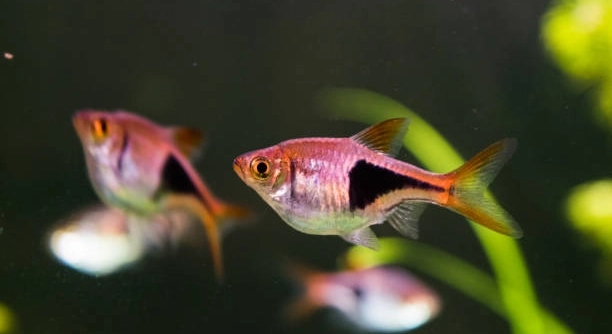
Keeping rasboras calm helps them display natural colors and healthy behavior in home aquariums, creating a more enjoyable experience while supporting their wellbeing through thoughtful care, stable conditions, and gentle daily routines for attentive keepers.
Rasboras become less skittish when provided consistent lighting, dense plant cover, stable water parameters, and a predictable environment. These factors reduce stress hormones, encourage schooling behavior, and build confidence, allowing fish to acclimate safely and behave naturally over time consistently.
Small environmental adjustments can transform timid rasboras into confident swimmers, improving tank harmony and long term enjoyment for dedicated aquarists.
Create a Safe and Predictable Environment
I noticed my rasboras stayed hidden when the tank felt too open or noisy, so creating a safe environment became my first focus. Dense plants, dark substrates, and gentle filtration help them feel protected. Consistent lighting schedules prevent sudden changes that cause panic. Keeping decorations stable also matters, as frequent rearranging removes familiar reference points. Water parameters should remain steady, with slow adjustments when needed. Temperature swings, sharp maintenance movements, and tapping on glass increase stress. A calm surrounding room supports confidence as well. When the environment feels predictable, rasboras stop reacting to every shadow. They begin schooling openly, exploring midwater spaces, and showing relaxed swimming patterns that reflect comfort rather than fear over time as daily conditions remain unchanged and human presence becomes familiar, reducing defensive responses and supporting long term stability within the aquarium environment overall for sensitive schooling fish species kept indoors successfully by careful aquarists everywhere.
Rasboras rely on visual cover and routine to feel secure. Small changes can overwhelm them quickly. Once stability is established, their behavior shifts noticeably. I saw less darting, more grouping, and calmer responses during feeding and maintenance, which confirmed the importance of consistency in shared aquarium spaces over time consistently.
Tank size also plays a role in reducing skittish behavior. Larger tanks allow rasboras to maintain comfortable distances and natural schooling patterns. Overcrowding increases competition and tension, even among peaceful fish. I found that keeping appropriate group sizes helped distribute attention and lowered stress. Background noise and foot traffic near the tank should remain minimal. Placing the aquarium away from doors and speakers limits sudden vibrations. Slow movements during cleaning and feeding further reinforce safety. Together, these choices shape an environment where rasboras gradually replace fear with steady confidence through daily care habits that support calm behavior long term health.
Improve Feeding Practices and Daily Interaction
Feeding routines strongly influence how rasboras react to their surroundings. Regular timing builds trust and reduces frantic movement. Offering small portions prevents surface chaos. I noticed calmer behavior when I approached the tank slowly and used the same feeding spot, which helped establish predictable expectations for daily care success overall.
Tank mates and human interaction complete the picture when addressing skittish behavior. Rasboras thrive alongside calm, similarly sized species that do not chase or outcompete them for food. Aggressive or fast moving fish increase stress and hiding. I learned that even peaceful fish can feel threatening if they dominate space. Observing interactions helps identify problems early. Human presence should remain gentle and consistent. Sudden hand movements, loud voices, or frequent glass tapping undo progress. Sitting near the tank for short periods allowed my rasboras to adjust to my presence without fear. Over time, they stopped scattering when I approached. Confidence builds slowly but steadily when daily interactions feel safe. Maintaining patience, routine, and awareness turns timid fish into visible, active members of the aquarium. This balance supports healthier behavior, better coloration, and a calmer experience for both fish and keeper as care decisions remain thoughtful and consistent over time, reducing stress signals and encouraging natural movement patterns throughout shared tank spaces without unnecessary disruption or forced change, allowing rasboras to thrive quietly while daily observation reinforces understanding of their needs and limits within a stable home aquarium setting managed with care and steady attention from an attentive keeper daily habits.
Maintain Proper Schooling Dynamics
Rasboras feel safer in groups that reflect natural schooling sizes. Keeping too few fish increases alert behavior and hiding. I found that larger groups spread stress evenly, reduce focus on single individuals, and encourage synchronized swimming that signals comfort and stability within the aquarium over time with proper care applied.
Schooling fish rely on numbers to interpret safety. When groups are too small, every movement feels threatening. I increased my rasbora group slowly, allowing filtration and bio load to adjust. As numbers grew, their confidence improved. They spent more time mid tank and less time hiding. Feeding became calmer, and aggressive darting faded. Balanced ratios also matter. Mixing similar sizes avoids dominance issues. Consistent group structure prevents constant hierarchy changes. Stable schools create predictable patterns, helping rasboras relax and respond less to external movement, noise, or routine maintenance inside the tank during daily observation periods at home aquariums overall consistently.
Introducing new rasboras should be gradual to avoid stress spikes. I used a slow acclimation process with dimmed lights. New fish were added during quiet hours. This reduced panic responses. Monitoring behavior during the first week is essential. Excess chasing or isolation signals imbalance. Removing decor is unnecessary and disruptive. Instead, let the school adjust naturally. Maintaining the same feeding schedule helps new members integrate faster. Over time, schooling becomes tighter, and individual fear responses fade as group trust strengthens within stable conditions supported by consistent maintenance and calm surroundings in the home aquarium setting long term stability matters greatly.
Reduce External Stress Factors
External disturbances often trigger skittish behavior more than tank conditions. Loud sounds, sudden shadows, and vibrations affect sensitive fish. I relocated my aquarium away from doors and televisions. This simple change reduced startle reactions. Keeping lighting transitions slow also matters. Timers prevent abrupt changes. Covering tank sides limits reflections that cause confusion. Together, these adjustments create a calmer visual and auditory environment that supports steady behavior throughout the day and night periods consistently indoors daily.
Room activity patterns should align with the tank location. High traffic areas expose fish to constant movement. I noticed calmer swimming once foot traffic decreased. Children and pets increase unpredictability, so distance helps. Maintenance habits also matter. Slow hand movements and gentle siphoning reduce alarm responses. Feeding from the same side builds recognition. Even background music volume can influence stress. Keeping routines predictable trains rasboras to associate human presence with safety. Over weeks, they remain visible longer and react less. Consistency does not eliminate natural caution, but it reduces unnecessary fear responses, allowing schooling behavior to dominate daily activity within the aquarium. This approach improved overall tank harmony and personal enjoyment during long term care routines at home aquariums for peaceful observation and stress reduction.
Adjust Lighting for Comfort
I adjusted lighting intensity to keep rasboras calm throughout the day. Bright lights caused hiding and sudden bursts. Softer illumination encouraged steady swimming. Using floating plants diffused light evenly. Timers ensured gradual transitions. This balance reduced stress and supported natural behavior without overwhelming sensitive fish in my home aquarium setup.
I avoided frequent light changes and maintained consistent daily cycles. Sudden darkness triggered panic responses. Gradual dimming in evenings helped rasboras settle. Morning light increased slowly. This routine trained predictable expectations. Over time, fish remained visible longer and reacted calmly to normal room movement within my personal care routine daily.
Keep Water Conditions Stable
Water quality directly influences rasbora confidence and stress levels. I focused on stable temperature, gentle flow, and clean conditions. Regular small water changes prevented sudden shifts. Testing parameters weekly kept ammonia and nitrite at zero. Stable pH reduced shock. Clean tanks improve oxygen levels. I avoided overcleaning to preserve beneficial bacteria. Slow adjustments mattered most. When water felt consistent, rasboras stopped darting. They swam midwater longer, fed calmly, and displayed clearer colors. Stability built trust between fish and environment over weeks. This consistency made daily observation easier and reduced anxiety during maintenance tasks for me, personally, at home aquarium care.
Use Calm Maintenance Routines
I limited sudden maintenance actions and planned cleaning days carefully. Slow movements prevented alarm responses. Using the same tools reduced unfamiliar triggers. Short sessions worked best. Rasboras adapted faster when routines stayed gentle. This approach kept stress low while maintaining hygiene effectively in my long term aquarium care habits daily.
Why are my rasboras hiding most of the time?
Rasboras hide when they feel unsafe or overstimulated. Common reasons include bright lighting, lack of plant cover, sudden movement near the tank, or unstable water conditions. When my tank was too open, they stayed near corners. Adding plants and reducing noise helped them feel protected. Hiding is often a stress response, not illness.
How long does it take for rasboras to become less skittish?
Rasboras usually need several weeks to settle into a new environment. In my experience, visible improvement started after two weeks of stable conditions. Full confidence can take a month or more. Consistency matters more than speed. Sudden changes slow progress and reset comfort levels.
Does tank size affect rasbora behavior?
Yes, tank size plays a major role. Smaller tanks limit escape space and increase alert behavior. Larger tanks allow natural schooling and spacing. When I upgraded to a larger tank, my rasboras spent more time midwater. They reacted less to movement and appeared calmer overall.
Can tank mates make rasboras more nervous?
Tank mates strongly influence behavior. Fast or pushy fish increase stress, even if they are not aggressive. Calm, similarly sized species work best. I removed one overly active fish and saw immediate improvement. Rasboras thrive when they do not feel chased or crowded.
Is feeding behavior linked to skittishness?
Feeding reveals comfort levels clearly. Skittish rasboras dart quickly and retreat. Calm ones feed steadily and stay visible. I noticed improvement when feeding small portions at the same time daily. Predictable routines reduce panic and build trust over time.
Do water changes stress rasboras?
Water changes can cause stress if done too aggressively. Large or sudden changes disrupt stability. I switched to smaller, regular changes and moved more slowly. This reduced darting and hiding after maintenance. Stability matters more than perfectly clean water.
Does lighting really make a difference?
Lighting has a strong effect on rasbora confidence. Bright, harsh light causes hiding. Soft, diffused lighting supports relaxed swimming. Floating plants helped me balance light without dimming the room. Gradual light transitions prevent panic during on and off cycles.
Why do my rasboras scatter when I approach the tank?
This usually means they have not adjusted to human presence yet. Sudden movement and shadows trigger instinctive responses. I spent short periods sitting near the tank without interacting. Over time, they stopped scattering and remained visible longer.
How many rasboras should be kept together?
Rasboras should be kept in groups of at least six, though larger groups work better. Small groups increase alert behavior. When I increased numbers gradually, schooling improved and stress reduced. Balanced group sizes help distribute attention and build confidence.
Can decorations affect skittish behavior?
Decorations influence how secure fish feel. Too few hiding spots increase stress. Too many changes remove familiarity. I kept decorations consistent and avoided frequent rearranging. Familiar layouts help rasboras learn safe zones and swim more freely.
Is flow rate important for calm behavior?
Yes, strong currents force constant swimming and raise stress levels. Gentle flow supports natural movement. I adjusted filter output to reduce turbulence. Once flow slowed, rasboras held position easily and appeared more relaxed.
Do rasboras ever fully lose their skittish nature?
Rasboras remain naturally cautious, but they can become visibly confident. Mine now school openly and react calmly to routine activity. While sudden noise still startles them, daily behavior reflects comfort. With patience and consistency, fear responses become minimal and manageable.
Final Thoughts
Making rasboras less skittish is not about forcing change but about allowing comfort to develop naturally. These fish respond best to calm, stable conditions that remain consistent over time. When their environment feels predictable, their behavior follows. I learned that small details matter more than dramatic adjustments. Lighting schedules, water stability, gentle maintenance, and quiet surroundings all work together. Each element may seem minor on its own, yet combined, they shape how safe the fish feel every day. Rasboras are observant and sensitive, and they quickly notice when routines shift. By slowing down and maintaining consistency, their reactions soften. They spend less time hiding and more time schooling in open water. This change does not happen overnight, but it becomes noticeable with patience. The goal is not to eliminate caution completely but to reduce unnecessary stress that interrupts natural behavior. When fear fades, their colors improve, movements smooth out, and the aquarium feels balanced.
Understanding rasboras also changes how daily care feels. Maintenance becomes calmer when fish no longer scatter at every movement. Feeding turns into a steady routine instead of a frantic moment. Observing their behavior becomes more enjoyable because their actions reflect comfort rather than tension. I found that once their stress levels dropped, the entire tank felt quieter. Other fish responded positively as well, creating better harmony overall. This reinforced the importance of thoughtful decisions rather than quick fixes. Overcleaning, rearranging decor, or making frequent changes often caused setbacks. Allowing the tank to remain familiar helped build trust between the fish and their surroundings. Even human presence became less alarming when movements stayed predictable. Sitting near the tank without interaction helped them adjust. Over time, they no longer reacted strongly to normal room activity. These moments confirmed that rasboras thrive when given space to adapt at their own pace, supported by steady care rather than constant intervention.
Keeping rasboras calm is ultimately about respect for their natural instincts. They are schooling fish that rely on numbers, cover, and routine to feel secure. When those needs are met, their behavior reflects balance and health. The process requires observation and restraint more than effort. Watching how they respond to changes offers valuable feedback. Calm swimming, open schooling, and steady feeding signal success. Skittish reactions suggest something feels off. Adjustments should always be gradual, allowing time for response. This approach not only benefits the fish but also creates a more relaxing experience for the keeper. A calm aquarium becomes a steady presence rather than a source of concern. Over time, rasboras become familiar faces rather than fragile ones. Their confidence grows quietly, and the tank settles into a rhythm that feels natural and rewarding.

Hello,
If you enjoy the content that we create, please consider saying a "Thank You!" by leaving a tip.
Every little bit helps us continue crafting quality advice that supports the health, happiness, and well-being of pets around the world, for pets of all shapes, sizes, and species.
We really appreciate the kindness and support that you show us!