
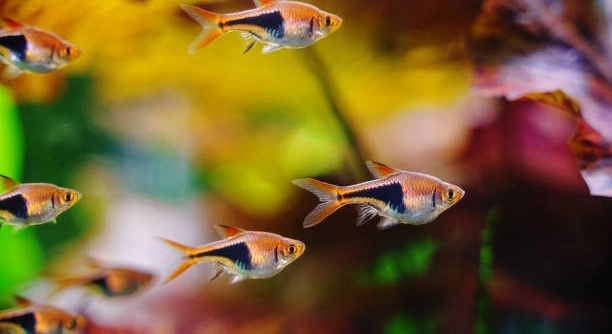
Do you ever find yourself arranging your aquarium and worrying if your rasboras can swim safely among the decorations? Choosing the right ornaments is essential to maintain both beauty and the health of your fish.
Safe decorations for rasboras include smooth stones, live or silk plants, driftwood without sharp edges, rounded ceramic ornaments, gentle gravel, acrylic caves, and floating plants. These items reduce the risk of injury while promoting a natural swimming environment.
Selecting the right decorations can make a noticeable difference in your fish’s daily activity and overall well-being. Exploring these options ensures a safer and more enjoyable aquarium.
Smooth Stones and Rounded Gravel
Smooth stones and rounded gravel create a safe base for rasboras to swim and explore. Unlike sharp or jagged rocks, these surfaces prevent injuries and abrasions that can occur during active swimming. They also help anchor plants securely, reducing the risk of floating or shifting decorations. Natural colors and textures provide a subtle, calming effect, helping your fish feel more comfortable in their environment. It is important to rinse these stones thoroughly before placing them in the tank to remove dust or residues. Mixing sizes can add visual interest without creating sharp edges or tight spaces where fish might get stuck. These materials also allow water to flow naturally, improving oxygenation and reducing debris buildup. Consistent monitoring of gravel depth and placement ensures that the tank remains safe and hygienic. Over time, smooth stones and rounded gravel maintain their shape and continue offering a reliable and attractive swimming surface.
Using smooth stones and gravel is a simple, effective way to keep your rasboras safe while enhancing the tank’s appearance.
Properly placed gravel and stones provide both security and natural interaction areas. Fish can swim freely, explore hiding spots, and engage in natural behaviors without stress. Maintaining clean and smooth surfaces ensures long-term safety and aesthetic appeal, supporting healthy activity and reducing risk of accidental injuries over time.
Live and Silk Plants
Live and silk plants offer shelter and visual appeal for rasboras. They reduce stress and give fish areas to swim through or hide.
Live plants improve water quality by absorbing nitrates and providing oxygen, while silk plants mimic natural movement without sharp edges that could harm delicate fins. Placing taller plants at the back and shorter ones in the front creates depth and open swimming areas. Some live species, like Java fern and Anubias, require minimal care and grow well under low light, making them ideal for beginner aquariums. Silk plants offer the advantage of low maintenance and do not affect water chemistry, which is helpful for those who prefer hassle-free decoration. Combining both types allows flexibility in tank design while prioritizing safety. Positioning plants thoughtfully prevents overcrowding and ensures smooth swimming paths. Regular cleaning and gentle trimming maintain the plants’ benefits while keeping the environment attractive and healthy for rasboras. Proper plant arrangement encourages natural schooling behavior and creates a visually balanced habitat that fish enjoy.
Driftwood Without Sharp Edges
Driftwood adds a natural element and hiding spots for rasboras without risking injury. Choosing pieces with smooth surfaces prevents fin damage and promotes safe exploration.
Driftwood contributes to the tank’s aesthetic while providing functional benefits. It creates shaded areas that help reduce stress and encourages natural schooling behavior. Pieces that are fully submerged and free of sharp protrusions are ideal. Boiling or soaking driftwood before adding it ensures that tannins are released slowly, avoiding sudden water discoloration and maintaining safe conditions. Driftwood also offers surfaces for beneficial bacteria to grow, supporting water quality and biological balance. Strategically placed driftwood can separate areas of the tank, giving fish multiple swimming zones while maintaining open spaces for movement. Over time, the natural texture and curves of driftwood enhance interaction, allowing fish to swim around and beneath safely. This combination of practicality and visual appeal makes driftwood a versatile, low-risk decoration for rasboras.
Driftwood encourages natural behavior, including hiding and exploration. It blends seamlessly with other decorations, offering both protection and aesthetic value in the tank’s layout.
Acrylic Caves and Safe Ornaments
Acrylic caves provide secure hiding spots without rough edges, keeping rasboras protected. They are durable, easy to clean, and maintain their shape over time.
Acrylic ornaments offer an alternative to natural materials, reducing maintenance while ensuring safety. Lightweight yet sturdy, they can be positioned without damaging plants or disturbing gravel. Choosing rounded or smooth designs prevents cuts or scratches. Some acrylic caves feature multiple openings, allowing fish to swim freely in and out, mimicking natural shelters. These structures encourage exploration and reduce aggressive interactions by providing distinct territories. Unlike some natural ornaments, acrylic pieces do not decompose or alter water chemistry, making them reliable long-term additions. Regular cleaning prevents algae buildup and maintains clarity, ensuring both visual appeal and hygiene. When combined with plants and stones, acrylic caves integrate naturally into the tank, enhancing the environment without compromising safety or aesthetic balance.
Properly placed acrylic decorations give fish confidence to swim and explore. Their versatility allows for creative tank layouts that prioritize safety and interaction.
Floating Plants
Floating plants provide shade and reduce stress for rasboras. They create a natural surface cover and soft swimming zones, making the tank feel more secure.
These plants help maintain water quality by absorbing excess nutrients. They also break strong light, preventing algae growth, and offer resting areas for fish near the surface.
Rounded Ceramic Ornaments
Rounded ceramic ornaments are safe, durable, and add visual interest without sharp edges. Their smooth surfaces prevent fin damage and allow fish to swim freely around and through them. Proper placement ensures open swimming paths while still creating hiding spaces and points of exploration.
Gentle Gravel
Using gentle, smooth gravel reduces risk of cuts and allows rasboras to forage naturally. It supports plant growth while maintaining a safe, clean tank environment for active swimming and exploration.
What are the safest decorations for rasboras?
Smooth stones, rounded gravel, driftwood without sharp edges, live or silk plants, acrylic caves, rounded ceramic ornaments, and floating plants are considered the safest options. These decorations minimize the risk of fin damage, provide hiding spaces, and support natural swimming behavior. Avoid sharp, jagged, or fragile materials that could harm delicate fish.
Can I use natural rocks in my rasbora tank?
Yes, natural rocks are safe if they are smooth and free of sharp edges. Rinse them thoroughly to remove dust and debris before placing them in the tank. Avoid rocks that can leach harmful minerals or change water chemistry, and do not use porous stones that trap debris. Proper placement is important to maintain swimming paths and prevent injury.
Are live plants necessary for rasboras?
Live plants are not strictly necessary but highly beneficial. They improve water quality by absorbing nitrates and providing oxygen. They also reduce stress by offering shade and hiding spaces. Low-maintenance species like Java fern, Anubias, and mosses grow well in various conditions. Live plants encourage natural behavior and enhance the tank’s visual appeal.
Can silk plants replace live plants?
Silk plants are a safe alternative to live plants. They do not alter water chemistry and are low maintenance. Soft silk leaves prevent fin injuries and provide hiding spots. They can be combined with live plants or used alone for an easier, low-risk decoration. Regular cleaning prevents algae buildup and keeps the tank healthy.
Is driftwood safe for rasboras?
Driftwood is safe if it has no sharp edges. Fully submerge it after boiling or soaking to release tannins gradually. Driftwood provides hiding spots, shaded areas, and surfaces for beneficial bacteria to grow. Properly placed pieces also create natural swimming zones while maintaining aesthetic appeal and environmental enrichment.
How do acrylic caves benefit rasboras?
Acrylic caves provide durable, safe hiding spots. They are lightweight, smooth, and easy to clean, preventing injuries while encouraging exploration. Multiple openings allow free swimming and territorial separation. Unlike some natural decorations, acrylic does not decompose or affect water chemistry, making it a reliable long-term option.
Are floating plants useful in a rasbora tank?
Floating plants are beneficial for shade and surface cover. They reduce stress by breaking light and offering resting areas near the surface. These plants also absorb excess nutrients, helping control algae growth. They are easy to maintain and enhance the natural feel of the tank without posing risks to the fish.
Can gravel hurt rasboras?
Gravel can be safe if it is smooth and rounded. Sharp or jagged gravel may injure fins or cause stress. Gentle gravel supports plant roots and allows natural foraging behavior. Regular cleaning is essential to maintain hygiene and prevent debris buildup that could affect fish health.
How do I arrange decorations safely?
Place taller decorations and plants at the back, smaller ornaments at the front, and ensure open swimming paths. Avoid overcrowding, sharp protrusions, or unstable objects that could topple. Combining smooth stones, plants, and caves creates a balanced, safe environment that encourages natural behavior and reduces stress.
Can decorations affect water quality?
Yes, some materials can change water chemistry. Avoid untreated wood, limestone, or metals that leach minerals. Live plants improve water quality by absorbing nitrates. Acrylic and ceramic decorations are neutral. Regular cleaning and monitoring help maintain stable, safe water conditions for rasboras.
Are there any decorations I should avoid?
Avoid sharp, brittle, or rough objects that can injure fins. Do not use items treated with chemicals or paint that may leach toxins. Fragile ornaments that break easily or materials that alter pH should also be avoided. Safe decorations focus on smooth textures, durability, and functional benefits for fish.
Do decorations influence rasbora behavior?
Yes, decorations provide hiding spots, reduce stress, and encourage schooling. Properly placed objects allow exploration, territorial separation, and resting areas. Safe decorations mimic a natural environment, supporting active swimming and healthy interactions. Rasboras are more confident and less prone to stress when the tank is thoughtfully arranged.
How often should decorations be cleaned?
Clean decorations regularly to prevent algae buildup and debris accumulation. Live plants require gentle pruning, while artificial items like acrylic or silk can be rinsed periodically. Smooth stones and gravel benefit from occasional vacuuming to maintain hygiene. Routine cleaning supports both fish health and the tank’s visual appeal.
Can I combine different types of decorations safely?
Yes, combining stones, gravel, driftwood, plants, and caves enhances safety and aesthetics. Ensure all items are smooth and stable. Thoughtful placement prevents overcrowding, creates natural swimming paths, and encourages exploration. Mixing textures and shapes enriches the environment while keeping the focus on fish safety.
Do decorations impact breeding behavior?
Decorations provide hiding spots and shaded areas, which can encourage natural breeding behavior. Plants, caves, and driftwood create secure environments for laying eggs and reducing stress. A well-decorated tank supports both general health and reproductive activity, giving rasboras the conditions they need to thrive.
How do I know if a decoration is safe?
A safe decoration has smooth edges, stable placement, and does not alter water chemistry. Test new items by soaking them and checking for discoloration or residues. Avoid brittle, sharp, or chemically treated materials. Observing fish behavior can also indicate whether a decoration causes stress or injuries.
Can decorations be too large for a small tank?
Yes, oversized items reduce swimming space and can stress rasboras. Decorations should fit the tank proportionally, leaving open areas for movement. Proper sizing ensures safety, encourages exploration, and maintains a balanced, functional habitat. Smaller, smooth items often provide the best combination of safety and visual interest.
How important is natural appearance in decorations?
Natural-looking decorations reduce stress and support natural behavior. Smooth stones, driftwood, plants, and caves mimic the fish’s habitat. A realistic setup encourages swimming, schooling, and exploration while keeping the tank visually appealing and safe for daily activity.
Can I rotate decorations for variety?
Yes, rotating items can create visual interest and mental stimulation for rasboras. Ensure replacements are safe, smooth, and stable. Gradual changes maintain familiar swimming paths while introducing new areas to explore, supporting both physical activity and environmental enrichment.
How do decorations help prevent aggression?
Caves, plants, and hiding spots allow fish to establish territories and retreat when needed. This reduces stress-related aggression, supports schooling behavior, and promotes peaceful interaction. Thoughtful placement of decorations ensures each fish has access to safe spaces.
Are there low-maintenance decoration options?
Yes, acrylic caves, silk plants, and smooth stones require minimal care. They are durable, do not alter water chemistry, and provide long-lasting safe hiding spots. Pairing these with occasional live plants or driftwood can balance aesthetics, enrichment, and simplicity in tank maintenance.
Can decorations support fish health indirectly?
Safe, well-placed decorations reduce stress, encourage activity, and allow natural behaviors. This indirectly supports immune function, growth, and overall well-being. A thoughtfully arranged tank promotes long-term health, making environmental enrichment a key part of responsible fish care.
Creating a safe and comfortable environment for your rasboras is essential for their health and well-being. Decorations are not just about aesthetics—they play a functional role in the tank. Smooth stones, rounded gravel, driftwood without sharp edges, and plants all provide hiding spots and swimming paths that allow fish to exhibit natural behavior. Choosing safe materials reduces the risk of injuries, such as torn fins or abrasions, which can be common in tanks with sharp or rough decorations. Over time, rasboras will explore these spaces freely, swim through plants and caves, and use hiding spots to rest. This sense of security helps reduce stress and promotes active behavior, keeping your fish healthy and content. Even subtle details, such as the placement of stones or the density of plants, can make a noticeable difference in how confident your fish feel as they move through their habitat.
It is important to balance functionality with visual appeal when selecting decorations. Items like acrylic caves, silk plants, and rounded ceramic ornaments combine safety with durability, making them practical for long-term tank use. Live plants, while requiring some care, improve water quality and provide natural shelter that encourages exploration and schooling behavior. Floating plants offer additional shade and surface cover, which reduce stress and help maintain a calm environment. Driftwood contributes both aesthetic value and functional benefits, giving fish shaded areas and surfaces for beneficial bacteria to grow. By thoughtfully arranging decorations, you can create open swimming areas alongside secure hiding spaces. This combination allows rasboras to exhibit natural patterns, such as schooling and foraging, while staying protected from accidental injuries. Regular maintenance, like cleaning gravel and trimming plants, ensures the tank remains safe and visually pleasing, supporting long-term health.
Decorations also influence the overall harmony of the aquarium. Properly chosen and placed items reduce aggression by giving each fish space to establish temporary territories or retreat when needed. Rotating decorations occasionally can provide mental stimulation, while ensuring the tank remains safe and navigable. Monitoring your fish for signs of stress or injury can help you adjust decorations as needed. Remember, even small changes, like replacing jagged stones with smooth ones or adding a cave, can significantly improve the living conditions of your rasboras. Ultimately, the goal is to create an environment that balances aesthetics, safety, and functionality, allowing your fish to thrive. Thoughtful decoration choices not only enhance the beauty of the tank but also support the physical and behavioral health of your fish, ensuring they enjoy a secure and engaging home for years to come.

Hello,
If you enjoy the content that we create, please consider saying a "Thank You!" by leaving a tip.
Every little bit helps us continue crafting quality advice that supports the health, happiness, and well-being of pets around the world, for pets of all shapes, sizes, and species.
We really appreciate the kindness and support that you show us!