
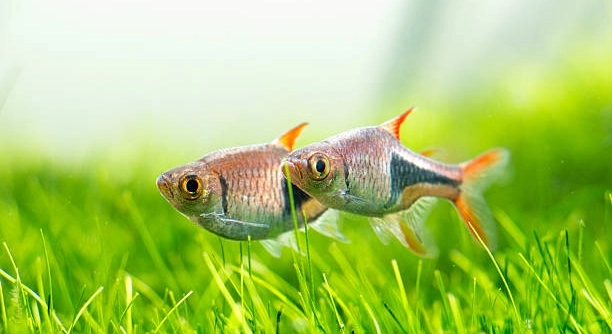
Maintaining stable water conditions is essential for keeping rasboras healthy and active in aquariums, as small changes in chemistry can influence their behavior, coloration, and wellbeing when these peaceful schooling fish are kept in captivity.
The ideal pH range for rasboras falls between 6.0 and 7.0, reflecting the slightly acidic to neutral waters of their natural habitats. Maintaining this range supports proper metabolism, reduces stress, and promotes consistent feeding, growth, and overall physiological stability levels.
Learning how pH interacts with water hardness, filtration, and routine maintenance helps create a stable environment where rasboras thrive consistently.
Why pH Matters for Rasboras
I have learned that pH plays a quiet but constant role in how rasboras behave and thrive in an aquarium. When the water stays within a suitable range, these fish show better color, calmer swimming patterns, and stronger appetites. pH affects how efficiently rasboras regulate bodily functions like breathing and waste removal. Even small shifts can cause stress that is not always obvious at first. Over time, unstable pH may weaken their immune response, making them more vulnerable to common tank issues. Rasboras originate from soft, slightly acidic waters, so their bodies are adapted to these conditions. Matching this environment helps them conserve energy instead of struggling to adjust. Consistent pH also supports beneficial bacteria, which keeps the tank balanced overall. For me, understanding this connection made fishkeeping feel less complicated and more intentional. It also improved my confidence when making routine care decisions for my small home aquarium setup.
Stable pH reduces daily stress and supports predictable behavior. I notice rasboras remain active and social when conditions stay steady. Sudden changes often lead to hiding or poor feeding, which signals the need for immediate water testing and adjustment before long term health problems begin to develop inside the tank.
Rasboras kept in proper pH conditions tend to live longer and display fewer health issues. Fin condition, coloration, and appetite are often the first indicators of balance. I rely on these visual signs alongside test kits. Maintaining suitable pH also improves compatibility with other peaceful species that prefer similar water chemistry. When pH aligns with natural needs, routine maintenance becomes easier and more predictable. Water changes feel less reactive and more preventative. This stability creates an environment where plants, bacteria, and fish work together. Over time, the aquarium becomes calmer, cleaner, and easier to manage with consistent results over time.
Keeping pH Stable in Your Aquarium
Keeping pH stable starts with regular testing and observation. I test weekly and after water changes to avoid surprises. Consistent maintenance routines, controlled feeding, and avoiding sudden chemical additives help prevent unwanted fluctuations that can disrupt the aquarium balance over time and support steady conditions for sensitive rasboras in captivity.
I focus on simple methods that keep water chemistry predictable. Using a quality water conditioner protects against sudden parameter shifts during changes. I match new water temperature and pH closely to the tank before adding it. Natural materials like driftwood can gently lower pH over time, while crushed coral raises it if needed. I avoid quick fixes that promise instant results, since they often cause instability. Filtration also matters, as clean filters support beneficial bacteria that influence pH balance. I rinse filter media in tank water to preserve bacteria. Stocking levels play a role as well. Overstocking increases waste, which can slowly alter pH. Regular partial water changes prevent buildup and maintain balance. I keep a written log of test results, which helps spot patterns early. These habits reduce guesswork and stress. Over time, maintaining proper pH becomes routine rather than reactive. This approach has helped me keep rasboras healthy, calm, and consistently active in my aquarium. It allows me to enjoy observing natural behavior without constant corrections or concern. A stable system rewards patience and consistency, creating a balanced environment that supports long term success for both fish and keeper in a home aquarium setting over many years successfully.
Signs of Improper pH in Rasboras
When pH drifts outside the ideal range, rasboras often show subtle changes first. I usually notice reduced appetite, faded coloration, and less schooling behavior. These signs may appear gradually, making it easy to overlook water chemistry issues until stress begins affecting overall health and immune resistance weakens over time noticeably.
Long term exposure to incorrect pH places continuous strain on a rasboras body. I have seen fish become more reclusive, spending time near the bottom or behind plants. Poor pH interferes with oxygen exchange at the gills, which reduces energy levels. Over time, this stress can slow growth and weaken disease resistance. Secondary problems like fin damage or fungal infections may appear even when feeding and filtration seem adequate. These issues are often misattributed to age or temperament, when water balance is actually responsible. Correcting pH early helps prevent prolonged discomfort and improves recovery while supporting long term aquarium stability.
I rely on observation alongside testing to catch these changes early. Watching daily behavior reveals patterns that numbers alone cannot show. Rasboras that swim erratically or isolate themselves are often responding to discomfort. Consistent testing confirms whether pH is drifting due to waste buildup, source water changes, or maintenance gaps. Addressing the cause is more effective than temporary fixes. Simple adjustments like smaller water changes or natural buffering materials restore balance gradually. Acting early prevents escalation and keeps care manageable. This approach has saved me time, frustration, and unnecessary losses over years of fishkeeping while maintaining consistent, healthy tank conditions.
Adjusting pH Safely Over Time
Adjusting pH should always be gradual to avoid shocking rasboras. I avoid rapid chemical solutions and focus on steady changes instead. Testing before and after adjustments helps track progress. Natural methods like driftwood or peat work slowly, which reduces risk. Consistency matters more than speed. A stable, slightly imperfect pH is safer than constant fluctuations caused by overcorrection and supports long term health in small community aquariums without creating unnecessary stress for sensitive species present.
I prefer making adjustments through routine maintenance rather than isolated fixes. Water changes using pre tested water keep shifts predictable. When lowering pH, I introduce natural acids slowly and monitor results over several days. Raising pH requires equal care, often through mineral additions or substrate changes. I never adjust more than small increments at once. Logging results helps identify what works and what causes instability. Every aquarium responds differently based on stocking, filtration, and source water. Patience allows the system to adapt without stress. Over time, these controlled adjustments build a resilient environment that stays within range with less intervention and fewer unexpected problems. This method has consistently supported healthier fish behavior and simplified long term aquarium care for me across multiple tank setups successfully.
Monitoring pH Levels Consistently
I check pH regularly to prevent slow changes from going unnoticed. Weekly testing gives a clear baseline and highlights trends early. Consistent records help me adjust maintenance routines before fish show stress. This habit keeps corrections small, predictable, and far less disruptive for rasboras over time in established home aquariums.
Test kits vary in accuracy, so I rely on liquid tests rather than strips. They provide clearer readings and reduce guesswork. Testing at the same time of day also improves consistency. Stable routines matter more than expensive tools when monitoring pH in small freshwater tanks used during regular weekly maintenance.
Common Factors That Influence pH
Tank pH can shift due to feeding habits, stocking levels, and source water changes. I noticed pH dropped faster in heavily stocked tanks with frequent feeding. Waste buildup increases acidity over time. Skipped water changes amplify this effect. Even decorations influence chemistry. Driftwood lowers pH gradually, while certain rocks raise it. Filtration health also matters. Dirty filters allow waste to accumulate and affect balance. By controlling feeding portions, maintaining filters, and matching replacement water closely, I reduce unexpected shifts. These adjustments create steadier conditions and make long term care easier and more reliable for both fish and keeper overall stability.
Avoiding Sudden pH Changes
I avoid sudden corrections because rasboras react poorly to rapid change. Slow adjustments protect gill function and reduce stress. Gradual methods also give beneficial bacteria time to adapt. This balance keeps behavior normal and feeding consistent while preventing setbacks caused by overcorrection during routine aquarium care and long term stability.
FAQ
What is the best pH for all types of rasboras?
Most rasboras do best in slightly acidic to neutral water, typically between 6.0 and 7.0. I keep my tanks within this range because it mirrors their natural habitats. Staying close to this range prevents stress, supports feeding, and helps maintain vibrant coloration over time.
How often should I test pH in my tank?
I test my tanks at least once a week. Regular testing helps spot small changes before they become a problem. If there are sudden changes in behavior or water appearance, I test more frequently. Tracking trends over time helps me plan water changes and adjustments more effectively.
Can pH change quickly in a planted aquarium?
Yes, plants, substrate, and decorations can influence pH slowly or quickly. I’ve noticed that introducing driftwood or certain rocks shifts pH over several days. Decomposing plant matter can also lower pH gradually. Monitoring daily after changes is important until the water stabilizes.
What causes pH to drop suddenly?
Sudden drops often happen from overfeeding, decaying organic matter, or untested tap water. I make sure to feed only what rasboras can consume in a few minutes and remove leftover food. Regular partial water changes prevent waste buildup that could lower pH quickly.
Can I raise pH naturally without chemicals?
Yes, crushed coral, limestone, or aragonite substrate slowly raise pH over time. I add these materials carefully and test daily until pH reaches the target. Sudden changes can stress fish, so natural adjustments are safer than chemical boosts.
Does water hardness affect pH?
Absolutely. Soft water tends to be more acidic and less buffered, making pH changes more noticeable. I consider both GH and KH when planning water changes. Proper buffering keeps pH stable and protects rasboras from fluctuations that could impact their health.
How do I know if pH is stressing my fish?
Behavior changes are usually the first sign. I watch for faded color, hiding, erratic swimming, or reduced appetite. If multiple fish show these signs, I test water immediately. Early detection allows me to adjust pH slowly without causing additional stress.
Can rasboras survive outside the ideal pH range?
They can survive, but prolonged exposure outside 6.0 to 7.0 increases stress and vulnerability to disease. I try to maintain ideal conditions consistently rather than rely on their tolerance. A stable environment supports long-term health and activity levels.
Do frequent water changes affect pH stability?
They can if the new water’s pH differs from the tank. I always test and adjust replacement water before adding it. Gradual, consistent water changes prevent sudden swings and help maintain a calm, healthy environment for rasboras.
What is the safest way to adjust pH?
Slow, incremental adjustments are safest. I never change more than 0.2 units per day. Using natural methods, matched replacement water, or minimal mineral additions prevents shocking the fish. Patience is key to keeping behavior normal and ensuring long-term stability in the tank.
How do I maintain pH with multiple fish species?
I choose compatible species with similar pH needs. Mixing fish with very different requirements increases stress. I focus on gentle, gradual adjustments and stable maintenance routines that suit all inhabitants. Tracking trends across the tank helps me make informed decisions without harming rasboras or other species.
Can testing strips replace liquid test kits?
I prefer liquid kits because strips are less accurate. Liquid tests provide clearer readings, which helps me catch small shifts. Consistency in testing methods ensures better control over the aquarium’s chemistry and reduces surprises that could affect fish health.
Does temperature affect pH?
Yes, higher temperatures can lower pH slightly and increase activity levels, while cooler water may raise pH. I maintain stable temperatures alongside pH control to prevent stress and keep rasboras comfortable and active consistently.
How long does it take for pH to stabilize after adjustment?
It varies, but gradual changes usually take several days to a week. I monitor daily until readings are consistent. This slow approach reduces stress and prevents back-and-forth swings that could confuse the fish or disrupt tank balance.
Is it normal for pH to fluctuate slightly during the day?
Yes, minor fluctuations are common due to photosynthesis and respiration of plants. I focus on daily averages rather than instant readings. Consistent monitoring helps me distinguish between natural variations and real issues that require intervention.
Can overstocking affect pH?
Definitely. More fish produce more waste, which can lower pH over time. I keep stocking levels moderate and adjust maintenance accordingly. Regular water changes and careful feeding prevent excessive buildup that could destabilize the tank chemistry.
What should I do if pH drops after adding new water?
I test the incoming water before adding it. If it differs, I adjust it slowly using natural methods or pre-mixing with tank water. Gradual integration avoids shocking rasboras and helps maintain consistent, healthy conditions over time.
How do I prevent pH swings in a long-term aquarium?
Routine maintenance, slow adjustments, compatible fish, and proper buffering are key. I track trends in logs, test consistently, and avoid sudden chemical fixes. Stability over weeks and months keeps rasboras calm, healthy, and active, making care manageable and predictable.
Are there any visual cues in the tank for pH balance?
Yes, healthy plants, clear water, and active schooling fish usually indicate stable pH. I look for consistent fin condition, bright coloration, and normal feeding behavior. Sudden changes in these indicators prompt me to test water and adjust gradually.
Does pH affect breeding?
Yes, slightly acidic to neutral water encourages natural spawning behavior in rasboras. I maintain pH between 6.0 and 7.0 during breeding periods. Stable conditions improve egg survival rates and reduce stress for both adults and fry.
Maintaining the right pH is one of the most important aspects of keeping rasboras healthy. Over time, I have realized that stability matters more than hitting a perfect number every single day. Small fluctuations are natural, but large swings can be stressful for the fish and may lead to long-term health problems. Watching the fish carefully helps identify early signs of stress, such as reduced appetite, faded coloration, or changes in swimming patterns. Regular testing, consistent water changes, and careful observation allow me to notice these changes before they become serious. In my experience, maintaining a slightly acidic to neutral range of 6.0 to 7.0 creates a stable environment that mirrors their natural habitats and keeps them active and healthy over the long term.
Keeping pH stable requires a combination of routine care and gradual adjustments. I have learned that sudden changes are far more harmful than a slightly off pH level that remains consistent. Using natural methods like driftwood or crushed coral allows slow, controlled shifts without shocking the fish. Filtration, water hardness, and stocking levels all contribute to the overall balance, and it is helpful to monitor each factor regularly. I rely on liquid test kits for accuracy, and recording results helps me spot trends that may not be obvious from a single measurement. Adjustments made slowly and carefully allow rasboras to adapt naturally, which reduces stress and supports overall wellbeing. Over time, these habits make maintaining the aquarium easier, more predictable, and more rewarding.
Long-term success with rasboras comes from observing, learning, and responding thoughtfully to the environment. I have found that keeping a calm, stable tank promotes natural behavior and vibrant coloration. Paying attention to the combination of pH, temperature, and water quality ensures the fish thrive in a balanced ecosystem. It is also important to consider the other inhabitants and plant life, as they influence chemistry in subtle ways. By keeping changes gradual, testing consistently, and maintaining a careful routine, I create an environment that supports healthy fish and reduces unexpected problems. Over the years, this approach has helped me maintain rasboras in excellent condition while making aquarium care manageable and enjoyable. Consistency, patience, and observation remain the most effective tools for ensuring rasboras remain active, healthy, and thriving in any home aquarium setup.

Hello,
If you enjoy the content that we create, please consider saying a "Thank You!" by leaving a tip.
Every little bit helps us continue crafting quality advice that supports the health, happiness, and well-being of pets around the world, for pets of all shapes, sizes, and species.
We really appreciate the kindness and support that you show us!