
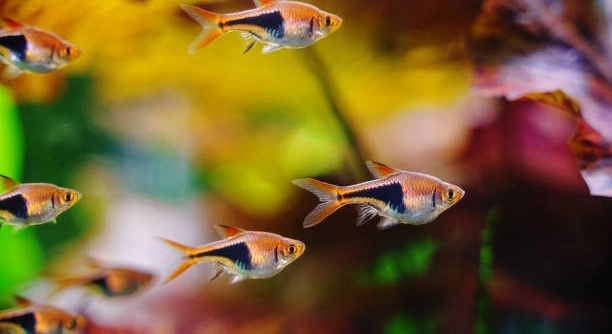
Many aquarists enjoy keeping rasboras but feel unsure about choosing compatible tankmates for peaceful community setups, leading to confusion, mixed advice, and repeated myths that shape expectations and stocking decisions within freshwater aquariums today globally.
Common tankmate myths surrounding rasboras arise from misinterpreted behavior, outdated compatibility charts, and generalized species assumptions. When evaluated scientifically, rasboras demonstrate predictable social needs, peaceful temperaments, and clear environmental tolerances that support carefully selected community pairings in freshwater aquarium systems.
Clarifying these misconceptions helps improve stocking success, reduce stress, and create balanced aquariums through informed, practical choices for long-term harmony.
Rasboras Cannot Live With Other Small Fish
Many people believe rasboras are too delicate to share space with other small fish, but this idea does not match my experience or observed behavior. Rasboras are schooling fish that rely on calm surroundings, stable water parameters, and predictable tank dynamics. When housed with similarly sized, peaceful species, they display confident swimming patterns and consistent feeding habits. Problems usually appear when tankmates are overly active, territorial, or significantly larger. Size balance matters, but temperament matters more. I have found that gentle tetras, small catfish, and certain livebearers coexist without constant stress signals. Providing plants, open swimming areas, and clear feeding routines supports harmony. This myth persists because losses are often blamed on compatibility rather than water quality, overcrowding, or sudden environmental changes that affect rasboras quickly and visibly. Careful observation over time often reveals stable social behavior rather than ongoing aggression or isolation within properly maintained aquariums in home setups.
Rasboras generally thrive alongside calm, similarly sized species when basic care standards are met. Compatibility issues usually stem from mismatched activity levels, not inherent fragility. Selecting tankmates with peaceful feeding habits and shared water preferences reduces conflict and supports long-term stability in mixed aquariums for consistent community tank success overall.
This misunderstanding often leads people to avoid suitable companions and limit tank diversity unnecessarily. I once hesitated to add bottom dwellers, fearing stress, yet observed increased activity once hiding spots were established. Rasboras benefit from visual breaks and routine lighting cycles. Their behavior improves when the tank feels structured rather than sparse. Watching their relaxed schooling over time reinforced that compatibility depends on thoughtful planning. Avoiding impulsive additions, monitoring interactions during feeding, and adjusting layouts can prevent many issues attributed to false assumptions about rasboras and community living. Consistency and patience remain essential for maintaining balance in shared freshwater systems.
Rasboras Always Require Species-Only Tanks
Another widespread belief suggests rasboras should only be kept with their own kind. While schooling is important, isolation from other species is unnecessary. With proper planning, mixed tanks often provide enrichment through varied movement, feeding cues, and environmental use without disrupting rasbora comfort or causing sustained behavioral stress over time.
Species-only tanks can be useful for breeding or focused observation, but they are not a requirement for healthy rasboras. In community settings, rasboras often become more active when other peaceful fish occupy different tank levels. This layered activity reduces idle pacing and encourages natural schooling patterns. I have noticed improved feeding responses when rasboras follow cues from other fish during scheduled meals. The key lies in maintaining appropriate ratios and avoiding overcrowding. Rasboras should remain the dominant schooling presence, not overshadowed by faster or bolder species. Stable water conditions, gentle filtration, and consistent maintenance routines matter more than strict species separation. When these needs are met, rasboras adapt well and display calm, confident behavior. Mixed tanks also allow aquarists to observe subtle interactions that highlight rasboras social intelligence. Rather than limiting setups based on outdated rules, evaluating each species needs creates balanced environments that support long-term health, visual interest, and sustainable care practices. This approach encourages flexibility while respecting biological limits. Over time, careful stocking decisions reduce stress indicators and support consistent behavior. I prefer gradual additions, allowing observation periods that confirm stability before introducing additional species into the aquarium and maintaining records of changes and outcomes for future reference.
Rasboras Cannot Live With Bottom Dwellers
I often see claims that bottom dwellers stress rasboras, yet calm species rarely interact directly. Rasboras occupy midwater zones and focus on schooling, while bottom fish remain substrate oriented. With hiding areas and gentle flow, both groups coexist without persistent tension over long observation periods in stable aquariums at home.
Bottom dwelling species such as small catfish or loaches usually ignore rasboras entirely. The real issue appears when tanks lack structure. Bare substrates force constant visual contact, which increases alert behavior. I noticed calmer schooling once caves, wood, and plants were added. Feeding zones also matter. Sinking foods should reach the bottom quickly to prevent competition. When bottom fish feed peacefully, rasboras continue midwater feeding without rushing or nipping. Matching temperature and hardness requirements prevents hidden stress. Compatibility improves when each species can occupy its preferred space consistently, without being forced into shared zones by poor layout or overcrowding conditions.
Believing bottom dwellers are unsuitable often leads to unnecessary restrictions. I once avoided adding them, expecting disruption, but results proved otherwise. Rasboras maintained steady coloration and normal appetite. The key is moderation. Too many bottom fish can increase waste and reduce oxygen near the substrate. Regular maintenance, slow stocking, and observation prevent imbalance. Rasboras show stress through clamped fins and erratic movement, not quiet coexistence. When these signs are absent, the pairing works. Proper filtration and weekly upkeep support shared tanks far better than rigid compatibility rules based on outdated assumptions and limited personal observation alone in many cases overall.
Rasboras Are Unsafe With Shrimp
Some believe shrimp are unsafe with rasboras, assuming constant predation. In reality, adult shrimp often coexist without issue. Rasboras focus on small drifting foods, not active hunting. Dense plants and moss create refuge areas. I observed shrimp populations stabilize once hiding spaces increased. Problems arise mainly with juvenile shrimp, especially in sparse tanks where cover is limited and feeding routines are inconsistent over extended periods of routine tank maintenance and stable water conditions for success.
Shrimp compatibility depends more on setup than fish choice. Rasboras rarely pursue prey larger than micro foods, yet they will sample what fits their mouths. Providing leaf litter, fine plants, and rock piles reduces exposure. I found that feeding rasboras first decreases interest in shrimp areas. Consistent lighting schedules help shrimp feel secure and visible. Avoid sudden population introductions, which can trigger exploratory behavior. Adult shrimp that survive initial weeks often persist long term. Water stability remains critical, as stress affects shrimp more quickly than rasboras. Balanced tanks allow both to occupy separate roles without constant interaction. Regular observation helps confirm balance and prevents assumptions from shaping stocking decisions over time in small home aquariums with controlled environments and steady maintenance habits established early on.
Rasboras Do Not Tolerate Active Fish
Active tankmates are often blamed for stressing rasboras, yet activity alone is not the issue. Rasboras handle movement well when swimming space exists. Trouble starts when fast fish constantly invade their school, disrupt feeding, or dominate central areas without pause over extended periods of time within confined community aquariums setups.
From my own tanks, rasboras remained calm beside quicker species once layouts improved. Long tanks, plants, and clear feeding zones reduce conflict. Choosing fish that pass through rather than hover prevents crowding. Activity becomes background movement instead of constant pressure on schooling behavior during daily routines, lighting cycles, and maintenance.
Rasboras Must Avoid Larger Fish
Larger fish are often dismissed as unsuitable, yet size alone does not define compatibility. Calm gouramis or similar species may share tanks successfully when aggression is absent. I noticed rasboras adjust schooling distance rather than panic. Visual barriers matter. Taller plants break sightlines and reduce perceived threat. Feeding order also helps. Offering food across the surface spreads attention. Problems usually arise when large fish are territorial or food driven. Stable parameters, gradual introductions, and observation periods allow rasboras to adapt. Assuming all larger fish cause stress limits options unnecessarily and overlooks behavior patterns that remain predictable and manageable in aquariums.
Rasboras Cannot Handle Mixed Temperaments
Mixed temperaments are manageable when extremes are avoided. Rasboras respond poorly to persistent chasing, not variety. I learned to watch interactions at feeding time. When calm fish retreat easily and bold fish do not linger, rasboras maintain steady movement, color, and appetite without prolonged stress in shared community aquarium settings.
Can rasboras live with tetras in the same tank?
Yes, rasboras often live well with many tetra species when temperaments and sizes align. I have kept them together without constant chasing or feeding issues. The key is avoiding overly fast or fin-nipping tetras. Calm schooling behavior supports balance. Adequate swimming space and stable water conditions help both groups remain relaxed and predictable over time.
Are rasboras compatible with livebearers like guppies or platies?
They can be compatible, but activity level matters. In my experience, slower livebearers work better than constantly darting ones. Overcrowding causes most issues, not species choice. Providing plants and spreading feeding areas prevents competition. Rasboras generally ignore livebearers when movement feels consistent rather than chaotic.
Do rasboras need to be kept in large groups to avoid stress?
Yes, group size strongly affects confidence. I noticed clear differences when keeping fewer than six. Small groups led to hiding and uneven feeding. Larger schools swim openly and show stable color. Keeping at least eight helps them focus on schooling rather than scanning the tank for perceived threats.
Can rasboras live with snails safely?
Snails rarely cause issues. Rasboras ignore them completely in most cases. I have never observed persistent pecking or stress responses. Snails may even improve tank cleanliness. The only concern is overfeeding, which affects water quality more than compatibility between species.
Is it safe to keep rasboras with dwarf cichlids?
Sometimes, but caution is needed. Calm dwarf cichlids with defined territories can work in larger tanks. I observed stable behavior when sightlines were broken with plants. Problems appear when cichlids guard central areas. Space and layout decide success more than labels.
Do rasboras compete heavily for food with other fish?
They are quick but not aggressive eaters. I found they do best when food is dispersed. Floating and sinking options reduce crowding. When feeding is predictable, rasboras settle into routine patterns and do not rush or panic during meals.
Are rasboras sensitive to changes caused by tankmates?
They respond quickly to environmental shifts. Sudden additions can cause brief hiding. Gradual introductions helped in my tanks. After a few days, behavior normalized. Stability matters more than the presence of new fish when changes are controlled and monitored.
Can rasboras live with bettas?
This depends entirely on the betta. Some ignore rasboras, others chase anything that moves. I only attempted this once in a heavily planted tank. Monitoring was constant. It worked temporarily, but I would not recommend it without backup plans.
Do rasboras prefer planted tanks when kept with others?
Yes, plants reduce stress noticeably. I observed tighter schooling and calmer movement once cover increased. Plants create visual separation and resting zones. Even hardy species benefit from this structure, especially in mixed tanks with varied activity levels.
Will rasboras show clear signs if tankmates are unsuitable?
They do. Clamped fins, dull color, and erratic swimming appear first. I learned to trust these signs rather than assumptions. When conditions improve, rasboras recover quickly. Observing daily behavior offers better guidance than relying solely on compatibility lists.
Are rasboras suitable for beginner community tanks?
Yes, when basics are respected. I often recommend them because their behavior is easy to read. They respond clearly to stress or comfort. This makes adjustments straightforward. Consistent maintenance and thoughtful stocking lead to reliable results.
Do rasboras interact socially with other species?
They acknowledge movement but rarely engage directly. I see them adjust spacing rather than confront. This makes them adaptable. Their focus stays within the school, which helps maintain calm dynamics even in busy community aquariums.
How long does it take to know if tankmates are compatible?
Usually one to two weeks. Initial curiosity fades quickly. I watch feeding time closely during this period. Once routines settle, compatibility becomes clear. Long-term stability follows when early warning signs are addressed promptly and calmly.
Final Thoughts
Rasboras are often misunderstood because their calm behavior is mistaken for weakness or limitation. Over time, I have learned that most problems blamed on tankmates are actually caused by rushed decisions, poor layout, or unstable conditions. Rasboras respond clearly to their environment, which makes them reliable indicators of balance in a tank. When their schooling remains steady and feeding is consistent, compatibility is usually working. They do not require rigid rules, only thoughtful planning. Space, water stability, and predictable routines matter far more than strict species labels. Observing behavior daily provides more useful guidance than relying on assumptions. Rasboras adapt well when their basic needs are met, and they reward patience with calm, consistent presence in community tanks.
Many myths persist because early mistakes leave strong impressions. I have made those mistakes myself by trusting charts instead of watching fish behavior closely. Once I slowed down and adjusted setups gradually, outcomes improved. Rasboras showed better color, tighter schooling, and reduced hiding. These changes happened without changing species, only conditions. Compatibility is not static. It evolves as tanks mature and routines settle. Adding plants, adjusting flow, and spacing feedings evenly often solved issues that once seemed permanent. Rasboras do not demand perfection, but they do require consistency. When that consistency is present, they coexist with a wide range of species without ongoing stress or disruption.
In the end, keeping rasboras successfully comes down to observation and restraint. Stocking slowly, maintaining clean water, and allowing time for adjustment create stability. I have found that resisting impulse additions prevents most long-term problems. Rasboras thrive in tanks where changes are intentional and measured. They are not fragile, nor are they overly demanding. They simply reflect their surroundings honestly. Understanding this makes community planning far less intimidating. With realistic expectations and steady care, rasboras fit naturally into peaceful aquariums. Their presence adds movement and balance without dominating the tank. When myths are set aside and practical care takes priority, rasboras prove to be reliable, adaptable, and rewarding fish to keep long term.

Hello,
If you enjoy the content that we create, please consider saying a "Thank You!" by leaving a tip.
Every little bit helps us continue crafting quality advice that supports the health, happiness, and well-being of pets around the world, for pets of all shapes, sizes, and species.
We really appreciate the kindness and support that you show us!