
Have you ever noticed colorful rasboras at pet stores and wondered how harlequins and lambchops differ in appearance and care for home aquariums today among peaceful community fish setups loved by beginners and experienced keepers
The primary differences between harlequin and lambchop rasboras involve body shape, coloration patterns, adult size, and habitat preferences. These distinctions influence schooling behavior, compatibility, and long-term care requirements within controlled aquarium environments used by aquarists during species selection processes worldwide
Clear comparisons help aquarists choose the right species, improving tank harmony, fish health, and overall enjoyment over time for owners
Physical Appearance and Markings
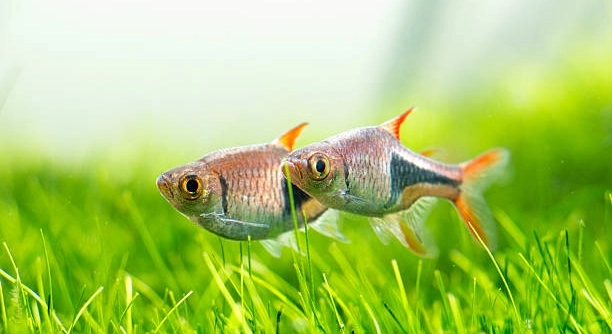
Harlequin and lambchop rasboras share a similar silver body, yet their markings create clear visual separation. Harlequins display a thick, triangular black patch that reaches deeper into the body, creating a bold contrast. Lambchops show a slimmer, curved marking that angles backward, appearing lighter and more refined. Color intensity also differs under aquarium lighting, with harlequins appearing slightly warmer and lambchops reflecting cooler tones. Adult body depth varies, as harlequins tend to look fuller through the midsection. Lambchops maintain a sleeker profile that appears longer in motion. When schooling, these traits become more noticeable, especially in larger groups. I noticed these differences quickly when observing them side by side, as movement and shape highlighted distinctions that photos often miss in store displays. Tank backgrounds, plant density, and calm water flow further influence how clearly each pattern stands out during daily viewing periods at home aquariums for most careful fish keepers.
These visual differences help aquarists identify each species quickly. Markings remain consistent with age, making long-term observation easier. Clear identification supports better purchasing decisions and reduces mixing species unintentionally in shared tanks. This matters when maintaining visual balance and predictable group behavior over time in community setups with fish species.
Lighting and tank layout can amplify these differences. Dark substrates often make both species appear brighter, though lambchops benefit more from softer lighting. Harlequins tolerate brighter setups without losing contrast. Plants placed along the back glass create depth, helping body shape stand out. When choosing decor, consistency matters more than complexity. Stable visuals reduce stress and encourage natural schooling patterns. From my experience, simple arrangements reveal true coloration better than crowded designs. Observing fish during feeding times also highlights body shape and markings, since movement becomes more dynamic and expressive under routine maintenance conditions common in home aquariums for owners.
Care Requirements and Behavior
Despite similar care needs, subtle differences affect daily maintenance. Harlequins adapt faster to new tanks, while lambchops prefer stable conditions. Both thrive in groups, yet lambchops display tighter schooling patterns under calm environments. This influences tank planning, stocking order, and long-term observation routines for keepers seeking consistency and reduced stress.
Water parameters play an important role in keeping both species healthy. Harlequins tolerate a slightly wider range of temperature and hardness, making them forgiving for beginners. Lambchops respond best to stable, soft water with minimal fluctuation. Feeding habits remain similar, as both accept flakes, micro pellets, and frozen foods. However, lambchops appear more reserved during feeding, especially in mixed tanks. Harlequins show bolder feeding behavior, reaching food faster. This affects how evenly food is distributed across the group. Tank size also matters. Longer tanks support smoother schooling, reducing stress. I found that providing consistent routines improves color retention and activity levels. Regular water changes, gentle filtration, and moderate flow support natural behavior. When these needs are met, both species display calm movement, reliable grouping, and steady growth over time in well-managed aquariums. Compatibility with other peaceful fish remains high, though overcrowding should be avoided. Stable lighting schedules help regulate behavior. Careful observation allows early adjustment before stress signs appear, maintaining balance and predictable outcomes for keepers focused on long-term success. Routine monitoring of temperature, feeding response, and group spacing supports consistency and reduces unexpected changes within established aquarium systems used by careful home fishkeepers across varied tank sizes and layouts.
Tank Compatibility and Schooling
Harlequin and lambchop rasboras coexist well with other peaceful fish, yet their schooling habits differ slightly. Harlequins spread out more, while lambchops remain compact. This affects how much open swimming space feels comfortable. Tank length matters more than height for maintaining calm group movement in mixed community aquariums daily setups.
Both species prefer groups of at least six, though larger numbers improve confidence and visual flow. Harlequins tolerate active tankmates better, making them suitable for busy community tanks. Lambchops respond best when paired with similarly calm species. When stressed, lambchops tighten their formation, while harlequins loosen theirs. This behavior helps identify comfort levels quickly. I noticed spacing changes often signal environmental issues before visible health problems appear. Providing driftwood, plants, and clear swim paths balances shelter and movement. Overstocking reduces schooling consistency and increases tension. Stable populations support predictable interaction patterns across shared aquarium environments over long term care systems.
Schooling behavior also influences feeding success and stress reduction. Harlequins rush food quickly, while lambchops hesitate if crowded. Spreading food across the surface helps equal access. Consistent routines encourage trust and stable grouping. I found that feeding smaller portions twice daily reduces competition. Tank mates should not overpower either species during meals. Observation during feeding reveals hierarchy changes early. Adjusting flow, lighting, or decor often restores balance. Clear swimming lanes prevent fragmentation. Over time, well-matched schools display smoother movement and fewer sudden breaks during daily activity cycles within controlled home aquariums over extended periods of consistent long term care routines.
Breeding Tendencies and Growth
Breeding behavior remains subtle in home aquariums, yet differences exist. Harlequins mature slightly faster and show clearer pairing signs. Lambchops require more privacy and stable conditions. Growth rates stay moderate for both species. Fry survival improves with fine plants and low flow. I observed better results when adults were well-fed and undisturbed. Separation after spawning prevents egg loss. Consistency matters more than intervention during early development stages within controlled tank environments over time periods consistently.
Raising fry requires patience and stable maintenance routines. Harlequin fry accept powdered foods sooner, while lambchop fry remain cautious. Frequent small feedings support steady growth without fouling water. Temperature stability influences development speed. Slight changes slow progress noticeably. I found that sponge filtration protects fry while maintaining oxygen levels. As juveniles grow, space becomes important to prevent stunting. Gradual tank upgrades reduce stress. Coloration appears earlier in harlequins, whereas lambchops develop markings later. Monitoring size variation helps adjust feeding schedules. Clean water supports immune strength during growth. Balanced care leads to healthy adults with predictable size and behavior patterns over long term aquarium care planning and consistent observation habits used by dedicated home keepers maintaining stable breeding systems without unnecessary interference or sudden environmental shifts.
Water Parameters and Stability
Harlequins prefer slightly warmer water and tolerate minor fluctuations better than lambchops. Lambchops react quickly to sudden changes and may lose color temporarily. Stable heaters, gentle filtration, and regular testing support both species and reduce stress signs during routine maintenance in most home aquariums kept carefully year round by owners.
Temperature consistency influences appetite, movement, and immune strength over time. Harlequins continue schooling even when conditions shift slightly. Lambchops slow activity when stressed. I noticed stable water parameters improve color retention and feeding response, making daily observation easier and reducing long term issues in shared tanks for home aquarium keepers.
Activity Levels and Lighting Response
Harlequins display bolder daytime activity, remaining visible throughout most lighting cycles. Lambchops prefer subdued areas and spend more time near plants. This affects viewing preferences and tank layout choices. I found lambchops appear calmer under dim lighting, while harlequins remain active regardless. Both rest at night, yet lambchops settle earlier. Providing shaded zones and open space supports natural rhythms. Consistent light schedules prevent confusion and reduce erratic swimming. Balanced lighting improves comfort, coloration, and predictable daily behavior patterns across mixed community aquariums maintained with steady routines over long periods without frequent environmental changes affecting fish health stability overall tank balance.
Availability and Pricing Differences
Availability differs by region, influencing price and selection. Harlequins are more common and usually cost less. Lambchops appear less frequently and may be priced higher. I recommend confirming species labels carefully, as misidentification happens often, especially when juveniles are sold in mixed shipments at local aquarium stores and online listings.
What tank size is best for harlequins and lambchops?
Both species do best in tanks of at least 20 gallons, though longer tanks improve schooling behavior. Harlequins tolerate moderate activity levels better, while lambchops need space to form tighter schools. I noticed that shorter tanks often stress lambchops, causing them to hide more and lose coloration, so length is more important than height for visual comfort and natural movement patterns. Adding plants along the back and sides creates safe zones without restricting swimming lanes, helping both species feel secure while maintaining predictable group cohesion in community aquariums over extended periods.
How many fish should I keep together?
Groups of six or more are recommended, though larger numbers are ideal. Harlequins spread out slightly in groups, while lambchops form tighter schools. I found that keeping fewer than six lambchops makes them shy and reduces visible activity. More fish improve confidence and natural interaction, which also supports even feeding. Maintaining similar species or calm tankmates prevents stress. Overcrowding is harmful for both species, reducing swimming space and increasing aggression or skittish behavior. Proper group size ensures consistent schooling and promotes healthier, more active fish over time in home aquariums.
What water conditions are optimal?
Harlequins tolerate temperatures from 72–80°F and soft to moderately hard water. Lambchops prefer 74–78°F with softer water and minimal fluctuations. pH between 6.5 and 7.2 works for both, though lambchops are more sensitive to changes. I observed that sudden swings in temperature or hardness cause lambchops to hide or lose coloration quickly. Gentle filtration and regular water testing help maintain stability. Aeration should be moderate, avoiding strong currents. Stable water conditions support schooling, feeding behavior, and coloration retention for both species, reducing long-term stress and encouraging reliable daily activity patterns in home aquariums.
What should I feed them?
Both species accept flakes, micro pellets, frozen foods, and occasional live treats. Harlequins tend to feed more aggressively, while lambchops may hesitate, especially in mixed tanks. I found dividing food across multiple points prevents dominant individuals from taking most of it. Small, frequent feedings help maintain water quality and ensure all fish get nutrition. Fry require powdered foods initially, with gradual upgrades as they grow. Observing feeding behavior allows adjustment in portioning and timing to reduce competition and stress, which is particularly important in community setups to maintain calm schooling behavior and steady growth over time.
Can they breed in home aquariums?
Yes, both species can breed, though conditions must be stable. Harlequins mature slightly faster and show pairing behavior more readily. Lambchops need more privacy and calm water to spawn successfully. I noticed that adding fine-leaved plants or spawning mops improves egg survival. Adults should be separated after spawning to prevent eating eggs. Temperature consistency and soft water increase fry survival rates. Fry develop at different speeds: harlequins accept powdered foods sooner, while lambchops require gentle acclimation. Careful monitoring and minimal disturbance during early growth stages promote healthy juveniles, predictable coloration, and even development over weeks.
How do I tell them apart quickly?
Harlequins have a bold triangular black patch reaching deeper into the body, while lambchops show a slimmer, curved marking. Harlequins appear warmer under light, lambchops cooler. Body depth differs: harlequins look fuller, lambchops sleeker. I often identify species when schooling, as movement highlights shape differences more clearly than static photos. Observing markings during feeding or under natural light helps prevent misidentification, which is especially useful when buying juveniles or mixing species in community tanks. Correct identification supports proper care, grouping, and long-term health for both species.
Are they suitable for community tanks?
Yes, both species are peaceful, though behavior differs slightly. Harlequins tolerate active neighbors better, while lambchops prefer calm tankmates. I found providing shaded zones and open swimming lanes helps lambchops stay confident without hiding. Both integrate well with other non-aggressive fish, but overcrowding should be avoided. Proper space, compatible species, and group size improve schooling, reduce stress, and maintain coloration. With stable routines, careful feeding, and moderate tank activity, both species thrive in mixed setups, making them reliable additions to community aquariums for long-term enjoyment and predictable daily behavior.
How often should I perform maintenance?
Regular water changes, about 25% weekly, keep parameters stable. I noticed that neglected tanks stress lambchops more quickly than harlequins, causing reduced activity. Filter cleaning should be gentle to avoid sudden current changes. Monitoring temperature, pH, and hardness frequently supports long-term health. Removing uneaten food prevents water fouling. Plants and décor should be maintained without major rearrangement to reduce stress. Consistent maintenance creates a stable environment, allowing both species to display natural schooling behavior, feed evenly, and maintain coloration, resulting in healthier, calmer, and more predictable fish in home aquariums over time.
What common mistakes should I avoid?
Overcrowding, unstable water parameters, and mismatched tankmates are the most frequent issues. Lambchops react quickly to sudden changes, showing hiding or color loss, while harlequins tolerate moderate fluctuations. Poor feeding practices, such as large single portions, lead to competition and uneven growth. Inconsistent lighting or rearranging decorations often stresses both species. I found that observing daily behavior helps identify problems early, allowing timely corrections before long-term health effects occur. Avoiding these mistakes ensures calmer schooling, consistent feeding, and proper coloration retention for both species, supporting a balanced and stable aquarium environment.
Harlequin and lambchop rasboras are both charming choices for home aquariums, yet they show clear differences that influence care and observation. Their markings, body shapes, and coloration make each species unique, which becomes more noticeable when they are in schools. Harlequins display bold triangular patches and a slightly fuller body, while lambchops have slimmer curved markings and a sleeker profile. These distinctions not only help with identification but also affect visual harmony in a tank. Observing them together highlights their natural movement patterns and provides insight into how each species interacts with its environment. Even subtle variations in lighting or tank layout can change how their colors appear, so paying attention to these details ensures both species look healthy and lively. Understanding these differences is essential for setting up a tank that allows each species to thrive comfortably while maintaining a pleasing aesthetic for anyone watching them regularly.
Care requirements for harlequins and lambchops are similar in many ways, yet small differences can influence daily routines. Both prefer stable water conditions, moderate temperatures, and gentle filtration, but lambchops are more sensitive to sudden changes. Harlequins tolerate minor fluctuations more easily, which can make them slightly easier for beginners or mixed tanks. Both species thrive in groups, though lambchops school more tightly, preferring calm companions. Feeding habits are generally similar, but lambchops may hesitate when crowded, while harlequins are bolder at the surface. Observing these behaviors is helpful when planning feeding schedules and tank layouts, ensuring all fish receive proper nutrition and space to swim freely. Over time, consistent routines in feeding, cleaning, and monitoring water parameters contribute to healthier fish with better coloration, stable behavior, and predictable schooling patterns. Both species respond positively to structured care, demonstrating how attention to detail improves their overall wellbeing and enjoyment in a home aquarium.
Breeding, growth, and long-term maintenance highlight additional differences between the species. Harlequins mature slightly faster and show pairing behaviors more readily, while lambchops need privacy and calm conditions to spawn successfully. Fry care requires patience for both species, with attention to food, water quality, and space to grow. Growth rates are moderate, but coloration development varies, with harlequins showing markings earlier than lambchops. Choosing compatible tankmates, providing ample swimming space, and maintaining stable water conditions are crucial for both species to display natural behavior consistently. By understanding these distinctions and tailoring care accordingly, keepers can create a balanced and healthy environment. Observing their daily routines, from schooling to feeding and resting, offers ongoing insight into their comfort levels and needs. With thoughtful planning and steady maintenance, both harlequins and lambchops can live long, active lives in aquariums, providing beauty and reliable behavior patterns that make them enjoyable additions for any home fish setup.

Hello,
If you enjoy the content that we create, please consider saying a "Thank You!" by leaving a tip.
Every little bit helps us continue crafting quality advice that supports the health, happiness, and well-being of pets around the world, for pets of all shapes, sizes, and species.
We really appreciate the kindness and support that you show us!