
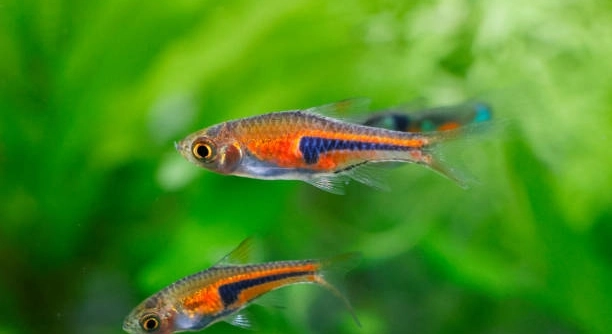
Rasbora fish thrive in clean, well-maintained tanks, and choosing the right filter plays a key role in their overall health. A suitable filtration system keeps water clear, reduces waste buildup, and maintains a stable aquatic environment.
Selecting the proper filter for a Rasbora tank involves considering flow rate, tank size, and biological filtration needs. Common options include sponge, hang-on-back, canister, and internal filters, each offering unique advantages for maintaining water quality and fish well-being.
Knowing which filter style fits best will help your Rasboras stay healthy and active. The following guide breaks down the most effective options for any setup.
Sponge Filters
Sponge filters are gentle on Rasbora fish, providing both mechanical and biological filtration without creating strong currents. They are ideal for small to medium-sized tanks and are safe for fry or delicate species. The sponge traps debris while beneficial bacteria colonize its surface, helping break down ammonia and nitrites naturally. Many hobbyists appreciate their low maintenance and ease of use. Regular rinsing in tank water keeps the sponge clean without harming the bacterial colonies. Sponge filters are also quiet, making them suitable for bedrooms or offices. They require an air pump to operate, which also increases oxygen circulation in the water. While they may not look high-tech, their efficiency and reliability make them a solid choice for maintaining stable water conditions in Rasbora tanks. With consistent care, a sponge filter can support a healthy, thriving aquarium environment for years.
Sponge filters are easy to maintain, quiet, and provide both biological and mechanical filtration effectively.
They are particularly useful in tanks with fry or small Rasboras. The gentle water flow prevents fish from being stressed, while the sponge surface promotes bacterial growth, which naturally keeps water safe. Their simplicity and reliability make them a preferred choice for many small aquarium setups.
Hang-On-Back (HOB) Filters
HOB filters are compact units that hang on the tank’s edge, drawing water through a series of filter media.
They provide mechanical, chemical, and biological filtration, making them versatile and efficient. These filters are easy to install and maintain, often requiring only regular cartridge replacements. The adjustable flow rate is helpful for Rasboras, which prefer gentle currents. HOB filters also help improve water circulation, ensuring even distribution of heat and oxygen throughout the tank. Many models include multiple media compartments, allowing hobbyists to customize filtration based on their tank’s needs. Though slightly more expensive than sponge filters, HOB units save time and effort for busy caretakers. Their accessibility and efficiency make them a reliable choice for small to medium-sized Rasbora tanks, supporting healthy fish and clear water without constant intervention.
The convenience and versatility of HOB filters make them a practical option for maintaining stable water conditions.
Canister Filters
Canister filters are placed outside the tank and pump water through multiple filter media. They handle larger volumes of water and provide strong mechanical, chemical, and biological filtration, making them suitable for bigger Rasbora tanks.
They are highly efficient and customizable. Water passes through sponges, bio-media, and carbon layers before returning clean to the tank. Canisters reduce the need for frequent maintenance and keep water consistently clear. They are quiet when sealed properly and maintain stable water parameters, which is important for sensitive Rasboras. Installation can be more complex, but the long-term benefits outweigh the setup effort.
Maintenance involves periodic media cleaning and occasional hose inspection to ensure proper flow. Canister filters excel in heavily stocked tanks or those with more debris. Their strong performance supports healthier fish and reduces the risk of spikes in ammonia or nitrites. With careful monitoring, they can last for years while keeping the tank water pristine and stable, allowing Rasboras to thrive without stress.
Internal Filters
Internal filters are submerged in the tank and operate quietly while providing mechanical and biological filtration. They are easy to position and ideal for small to medium Rasbora tanks.
These filters sit inside the aquarium, using sponges or cartridges to trap debris. The internal placement allows them to efficiently circulate water, preventing stagnation. Adjusting the flow helps Rasboras remain comfortable, as they prefer calm currents. They are simple to maintain, usually requiring sponge rinsing or media replacement, and they don’t take up external space. Internal filters also contribute to oxygenation as water moves through the media, improving overall tank conditions.
For smaller aquariums, internal filters provide a practical and cost-effective solution. They can be hidden behind decorations or plants without interfering with swimming space. Regular care ensures the filter continues to operate efficiently, keeping water clean and stable. Their quiet operation and straightforward maintenance make them a reliable choice, especially when space or budget limits options. These filters support healthy Rasbora behavior and reduce stress from turbulent water flow, creating a calm, balanced environment.
Undergravel Filters
Undergravel filters sit beneath the substrate, using gravel as a natural filter medium. Water is pulled through the gravel, trapping debris and promoting beneficial bacteria growth.
They are low-maintenance and unobtrusive. These filters provide gentle filtration and constant water circulation, making them suitable for Rasbora tanks with delicate fish.
Fluidized Bed Filters
Fluidized bed filters use fine sand or specialized media suspended in water to maximize surface area for bacterial colonization. They provide highly efficient biological filtration, quickly breaking down waste and maintaining stable water parameters. This method ensures that ammonia and nitrite levels remain low, supporting healthy Rasboras in densely stocked tanks.
Corner Filters
Corner filters are small, compact units that fit into tank corners. They provide gentle water flow and basic filtration, ideal for small Rasbora setups or as supplemental filtration.
FAQ
What filter size is best for a Rasbora tank?
The filter should handle at least 4 to 5 times the tank’s volume per hour. For example, a 20-gallon tank needs a filter rated for 80–100 gallons per hour. This ensures proper water circulation without stressing the fish with strong currents.
Can Rasboras tolerate strong water flow?
Rasboras prefer gentle to moderate currents. Filters that produce strong flow can stress them, causing erratic swimming or hiding. Using adjustable flow filters or placing decorations to break the current can help create calmer areas for the fish.
How often should I clean my filter?
Cleaning depends on the type of filter and tank conditions. Sponge and internal filters need rinsing every 2–4 weeks. HOB and canister filters may require media replacement or rinsing every 4–6 weeks. Avoid cleaning all media at once to preserve beneficial bacteria.
Is biological filtration more important than mechanical filtration?
Both are important, but biological filtration is crucial for maintaining a stable nitrogen cycle. It helps break down ammonia and nitrites, which are toxic to Rasboras. Mechanical filtration removes visible debris, keeping water clear, but it doesn’t process harmful chemicals on its own.
Can I use multiple filters in one tank?
Yes, using more than one filter can improve water quality, especially in larger tanks. Combining a sponge filter with a HOB or canister filter can provide gentle flow for the fish while ensuring efficient cleaning and circulation.
Are corner or internal filters enough for larger tanks?
Corner and internal filters are best for small to medium tanks. In larger tanks, they may not provide sufficient flow or filtration. Supplementing with HOB or canister filters ensures stable water quality and keeps Rasboras healthy.
How do I know if my filter is working properly?
Check for consistent water flow and clean water clarity. Unusual noises, low flow, or cloudy water may indicate the filter needs maintenance or media replacement. Regular monitoring helps prevent problems before they affect the fish.
Can I leave my filter running 24/7?
Yes, filters should run continuously to maintain water quality. Stopping the filter for long periods can lead to ammonia buildup, oxygen depletion, and stress for Rasboras. Continuous operation ensures a stable and healthy environment.
Do Rasboras need an air pump with their filter?
Not always. Some filters, like sponge filters, require an air pump for operation. Others, such as canister or HOB filters, provide enough water movement and oxygenation on their own. Adding an air stone can further improve oxygen levels if needed.
Can I use a filter without chemicals?
Yes, chemical filtration is optional. Many filters rely on mechanical and biological media, which are sufficient for maintaining water quality in Rasbora tanks. Activated carbon or other chemical media can be used if odor or discoloration is a concern.
How do I reduce filter noise?
Ensure the filter is securely placed and all parts are fitted properly. Air bubbles or loose media can create sound. Sponge filters with air pumps are naturally quieter, while HOB or canister filters may need occasional cleaning or adjustment to reduce noise.
Can filters prevent algae growth?
Filters help reduce debris and maintain water quality, which indirectly limits algae growth. However, lighting, excess nutrients, and tank maintenance also play major roles. Regular water changes combined with proper filtration keep algae under control while supporting healthy Rasboras.
Is it safe to turn off the filter during water changes?
Temporarily turning off the filter during partial water changes is fine, but avoid prolonged shutdowns. Beneficial bacteria need water flow to survive. After refilling the tank, restart the filter and monitor water parameters to ensure stability.
What’s the easiest filter type for beginners?
Sponge filters are simple, low-maintenance, and safe for small Rasbora tanks. HOB filters are also beginner-friendly, offering versatility and ease of media replacement. Both options provide reliable filtration without complicated setup.
How long do filters typically last?
With proper maintenance, filters can last several years. Internal and sponge filters are simpler and often last longer, while HOB and canister filters may require occasional part replacements. Regular care ensures consistent performance and healthy water conditions.
Can I use a filter in a planted Rasbora tank?
Yes, most filters are compatible with planted tanks. Choose one with adjustable flow to avoid disturbing plants and fish. Sponge and internal filters are gentle, while HOB and canister filters may need flow adjustments to prevent uprooting delicate plants.
Are filters necessary for small tanks under 10 gallons?
Even small tanks benefit from filtration. Gentle filters maintain water quality and support beneficial bacteria growth. Sponge filters are ideal for compact setups, providing sufficient filtration without creating strong currents that could stress Rasboras.
How do I choose between a canister and HOB filter?
Canister filters are best for larger tanks or heavily stocked setups, offering strong, customizable filtration. HOB filters are easier to maintain and ideal for small to medium tanks. Consider tank size, flow preferences, and maintenance convenience when deciding.
Can filters help with cloudy water?
Yes, mechanical filtration removes particles causing cloudiness, while biological filtration stabilizes water chemistry to prevent recurring issues. Cleaning or replacing filter media often restores clarity and supports a healthy tank environment for Rasboras.
Should I replace filter media all at once?
Avoid replacing all media at once, as this removes beneficial bacteria. Staggering replacements or rinsing media in tank water preserves bacterial colonies, maintaining the nitrogen cycle and preventing spikes in ammonia or nitrites.
Can filters handle leftover food and waste efficiently?
Yes, filters remove uneaten food and fish waste, reducing harmful substances in the water. Sponge and internal filters are gentle yet effective, while canister and HOB filters handle larger debris volumes, keeping the tank clean and safe for Rasboras.
Is it necessary to monitor water parameters with a filter?
Absolutely. Even with a good filter, ammonia, nitrite, nitrate, and pH levels should be monitored. Regular testing ensures the filter is working effectively and prevents health issues for Rasboras. Consistent care and monitoring support a stable tank environment.
Can filters be too strong for Rasboras?
Yes, excessive water flow can stress Rasboras, causing them to hide or tire easily. Choosing adjustable flow filters or adding decorations to break currents creates calm areas and ensures the fish swim comfortably without struggling.
How do I prevent filter clogging?
Rinse mechanical media regularly and remove debris from the intake. Avoid overfeeding, as excess food contributes to clogging. Proper maintenance ensures consistent flow, clean water, and a healthy environment for Rasboras.
Are there filters suitable for nano tanks?
Yes, sponge filters and small internal filters work well in nano tanks. They provide gentle circulation and effective filtration without taking up much space, keeping water clean while maintaining a calm environment for Rasboras.
Can filters help maintain temperature stability?
Indirectly, yes. Filters circulate water, distributing heat evenly throughout the tank. This prevents hot or cold spots, supporting a stable environment for Rasboras. Pairing the filter with a reliable heater ensures consistent temperature.
Do filters remove toxins other than ammonia and nitrites?
Biological filters focus on ammonia and nitrites, while chemical media like activated carbon can remove odors, discoloration, or certain dissolved chemicals. Combining mechanical, biological, and chemical filtration covers most tank needs.
Is it necessary to turn off a filter during power outages?
Filters will stop automatically during power outages. Short-term interruptions are usually fine, but prolonged downtime may affect water quality. Restart the filter as soon as power returns and monitor water parameters to ensure stability.
Can I use a single filter for multiple tanks?
It’s possible if the filter is strong enough and water flow can be divided. However, shared filtration increases maintenance and reduces flexibility. For simplicity and safety, individual filters for each tank are usually better.
How do I know when to upgrade my filter?
Signs include slow water flow, frequent clogging, or a tank outgrowing the filter’s capacity. Upgrading ensures sufficient filtration, better water quality, and healthier Rasboras. Choosing a filter suitable for current and future tank size prevents stress and poor water conditions.
Are all filters safe for Rasbora fry?
Sponge filters are safest for fry, providing gentle flow without suction hazards. Other filters may require pre-filters or adjustments to protect tiny fish while still maintaining proper water quality.
Can filters reduce tank odors?
Yes, mechanical and chemical filtration help remove organic waste that causes odors. Activated carbon or similar media can further improve water clarity and reduce smells, keeping the tank environment pleasant.
How do I balance filter efficiency and fish comfort?
Choose a filter that matches tank size and provides adjustable flow. Position decorations or plants to create calm areas, ensuring Rasboras have spaces to swim comfortably while the filter maintains clean, stable water conditions.
Do filters affect oxygen levels in the tank?
Yes, filters that circulate water improve oxygenation by increasing surface agitation. Sponge filters and HOB filters naturally enhance oxygen levels, which is essential for Rasbora health and overall tank stability.
Are DIY filters effective for Rasbora tanks?
They can work if properly constructed, with mechanical and biological components. However, commercially available filters are tested for reliability and efficiency, reducing risk and maintenance effort. DIY options require careful monitoring to ensure consistent water quality.
Can filters handle heavy feeding schedules?
Yes, strong filters like canisters or HOB units efficiently remove leftover food. Sponge or internal filters may require more frequent cleaning. Proper filter selection prevents waste accumulation and maintains water quality for Rasboras.
Is it necessary to use filter additives or bacteria supplements?
Not always. Healthy filters develop beneficial bacteria naturally. Supplements can help establish new tanks or after cleaning but are not a substitute for regular maintenance. Consistent care ensures the filter supports the nitrogen cycle effectively.
How do I choose the right filter media?
Mechanical media removes debris, biological media supports bacteria, and chemical media targets odors or discoloration. Choose media based on tank size, stocking levels, and specific needs of Rasboras, balancing efficiency with ease of maintenance.
Can filters prevent disease in Rasboras?
Filters improve water quality, which reduces stress and susceptibility to disease. While they don’t directly prevent illness, maintaining clean, stable conditions supports fish immunity and overall health. Regular observation and maintenance remain important.
What is the best filter for community tanks with Rasboras?
Sponge filters or HOB filters with adjustable flow work well in community tanks. They provide gentle circulation, efficient filtration, and safe conditions for all tank inhabitants, ensuring a balanced and healthy aquatic environment.
Can filters help during tank cycling?
Yes, filters support bacterial colonization essential for cycling. Using sponge filters or canisters accelerates the establishment of beneficial bacteria, stabilizing ammonia and nitrite levels before introducing Rasboras. Proper monitoring ensures a safe, cycled tank.
Do filters affect water hardness or pH?
Most filters do not directly change pH or hardness. Chemical media like peat or specialized resins can adjust water chemistry if needed. Maintaining appropriate filtration helps Rasboras thrive in stable conditions without sudden shifts.
Are silent filters worth it for Rasbora tanks?
Yes, quiet filters reduce stress for both fish and tank keepers. Sponge filters, internal filters, and some HOB units operate silently, making them ideal for bedrooms or shared spaces while maintaining efficient filtration.
How often should I test water with a filter running?
Weekly testing is recommended, especially for ammonia, nitrite, nitrate, and pH. Even with a reliable filter, monitoring ensures water remains safe and stable for Rasboras, preventing health issues before they arise.
Can filters handle overstocked tanks?
Filters can help, but overstocking adds stress and increases waste, challenging filtration. Strong filters like canisters improve water quality, but maintaining proper stocking levels is essential for Rasbora health and overall tank balance.
Do I need a backup filter system?
It’s not required but can be helpful during equipment failure. Backup options like sponge filters or battery-powered air pumps provide temporary circulation and biological support, reducing risks while the main filter is repaired.
Can filters remove medications or treatments?
Some chemical media, like activated carbon, can absorb medications, reducing their effectiveness. It’s best to remove or bypass certain filter components during treatment to ensure proper dosing and fish recovery.
Is it safe to relocate a filter to a new tank?
Yes, but clean the media gently to avoid losing beneficial bacteria. Properly maintained filters can transfer to new setups, helping establish a healthy environment quickly for Rasboras.
How do I manage filter startup in a new tank?
Rinse media in tank water, set up the filter according to instructions, and allow it to run continuously. Adding beneficial bacteria supplements can accelerate cycling, ensuring stable conditions before introducing Rasboras.
Do filters remove tannins from driftwood?
Chemical media like activated carbon can reduce tannins that discolor water. Sponge and biological media alone won’t remove tannins but help maintain water clarity while keeping Rasboras healthy.
Can filters prevent ammonia spikes after feeding?
Yes, consistent filtration removes waste and maintains bacterial colonies that process ammonia. Proper filter selection and routine maintenance help prevent sudden spikes, keeping Rasboras safe after heavy feeding.
Are energy-efficient filters effective?
Yes, modern energy-efficient filters like HOB and canisters provide strong filtration while consuming less power. They maintain clean water for Rasboras without significantly increasing electricity costs.
How do I avoid filter leaks?
Check seals, gaskets, and hoses regularly. Proper assembly and maintenance prevent leaks, ensuring reliable operation and clean, safe water for Rasboras without unexpected messes.
Can filters improve overall fish behavior?
Yes, stable water quality from effective filtration reduces stress, encouraging natural schooling and swimming patterns. Rasboras thrive in calm, clean environments, showing more activity and interaction when filtration is appropriate.
Is filter placement important in a tank?
Yes, positioning affects water flow and circulation. Internal and corner filters should be placed for even coverage, while HOB and canister outputs can be angled to create gentle currents. Proper placement supports healthy Rasboras and efficient filtration.
Can filters help during algae outbreaks?
Filters remove suspended debris that fuels algae growth. Combined with proper maintenance, water changes, and lighting control, they help limit algae buildup while maintaining a safe environment for Rasboras.
Are filters necessary in fully planted tanks?
Yes, even planted tanks benefit from water circulation and waste removal. Gentle filters like sponge or internal units prevent stagnant areas without disturbing plants, supporting both healthy Rasboras and thriving vegetation.
How do I handle filter breakdowns?
Stop operation immediately, clean or replace damaged parts, and monitor water parameters. Temporary backup solutions, like sponge filters, help maintain water quality while repairs are made, keeping Rasboras safe.
Can filters be automated?
Yes, timers, controllers, or self-priming features allow for consistent operation and reduced manual intervention. Automation ensures reliable filtration, especially useful for busy tank caretakers or multiple setups.
Do filters affect water clarity over time?
Yes, properly maintained filters remove debris, preventing cloudiness. Cleaning media and monitoring performance keeps water clear and safe, supporting healthy Rasboras and visually appealing tanks.
Can filters remove excess nitrates?
Biological filtration converts ammonia and nitrites but not nitrates. Media like resins or frequent water changes help control nitrates. Filters support overall water quality, but additional measures may be needed to manage nitrate levels.
Are filters necessary for betta and Rasbora community tanks?
Yes, even peaceful species benefit from clean, oxygenated water. Gentle filters maintain water quality, reduce stress, and ensure both Bettas and Rasboras thrive without turbulence or harmful waste buildup.
How do I prevent airlocks in filters?
Priming the filter correctly and ensuring proper hose positioning avoids trapped air. Airlocks reduce flow and efficiency, so monitoring startup and occasional adjustments keep filtration stable for Rasboras.
Can filters support breeding tanks?
Yes, sponge filters are ideal for breeding setups. They provide gentle flow without sucking up eggs or fry while maintaining clean, oxygenated water, creating safe conditions for Rasboras to reproduce successfully.
Do filters influence water hardness?
Most filters don’t change hardness directly, though certain chemical media can slightly alter water chemistry. Monitoring and adjusting water parameters ensures Rasboras remain in their preferred environment.
Can filters remove fish waste odor?
Yes, mechanical and chemical filtration reduce organic matter that causes odors. Activated carbon or other chemical media further improves water smell while keeping the tank healthy for Rasboras.
How do I know if my filter is too weak?
Signs include slow water movement, cloudy water, or algae buildup. Upgrading to a stronger unit ensures proper filtration and healthier conditions for Rasboras, reducing stress and supporting stable water parameters.
Can filters handle decaying plant matter?
Yes, they trap and break down plant debris, though large amounts may require manual removal. Regular cleaning prevents clogs and maintains efficient filtration, keeping Rasboras’ environment clean.
Are filters compatible with all tank shapes?
Most filters are adaptable, but flow patterns may vary. Internal and corner filters work in compact spaces, while HOB and canister filters suit larger or taller tanks. Proper placement ensures even circulation and filtration.
Do filters affect fish coloration?
Indirectly, yes. Clean, stable water improves Rasboras’ overall health, which enhances natural coloration. Poor water quality can dull colors or stress fish, making effective filtration essential.
Can filters handle overfeeding during special occasions?
Yes, strong filters remove excess food efficiently, though frequent overfeeding should be avoided. Routine maintenance ensures filtration keeps up with waste while Rasboras remain healthy.
Do filters reduce water temperature fluctuations?
Indirectly, by circulating water evenly. Paired with a heater, filters help maintain consistent temperature throughout the tank, supporting Rasboras’ well-being.
Are filters necessary in quarantine tanks?
Yes, even small quarantine tanks benefit from gentle filtration. Sponge filters are ideal, providing clean water while protecting delicate or stressed Rasboras from excessive flow.
Can filters help with cloudiness after substrate changes?
Yes, they remove suspended particles stirred up during rearrangements. Running the filter continuously until water clears prevents stress and maintains stable conditions for Rasboras.
Do filters support multi-species tanks?
Yes, they maintain water quality in tanks with different species. Adjustable flow and efficient filtration ensure all fish, including Rasboras, live in a healthy, balanced environment.
Can filters run continuously without problems?
Yes, continuous operation is ideal. Consistent flow and filtration maintain water stability, prevent ammonia spikes, and support Rasboras’ health, reducing the risk of stress or disease.
How do I maintain a filter long-term?
Regular rinsing,
Keeping Rasbora fish healthy and happy depends heavily on maintaining clean water, and choosing the right filter is an essential part of that process. Different filter types provide varying levels of mechanical, chemical, and biological filtration, which directly affect water clarity, oxygen levels, and overall tank stability. Small tanks with a few Rasboras may do well with sponge or internal filters, which are gentle and easy to maintain. Larger or heavily stocked tanks often require HOB or canister filters to ensure strong circulation and efficient removal of debris and waste. Each filter type comes with its own set of advantages and limitations, and understanding these differences helps in selecting the most suitable system for your tank’s size and the needs of your fish. Proper filtration reduces stress, supports natural behaviors, and helps prevent common water quality problems that could affect Rasboras’ health.
Regular maintenance is equally important in keeping the tank environment stable. Filters require routine cleaning or media replacement to remain effective, and skipping this step can lead to clogged or inefficient operation. Mechanical media, like sponges or filter pads, should be rinsed in tank water to preserve beneficial bacteria while removing trapped debris. Biological media supports the bacteria that break down ammonia and nitrites, and this process is vital for keeping the tank safe. Chemical media, such as activated carbon, can help reduce odors, discoloration, or unwanted substances in the water. Staggering maintenance for different media types prevents sudden losses of bacterial colonies, which can destabilize the tank’s nitrogen cycle. Keeping a consistent schedule ensures the filter works efficiently, allowing Rasboras to thrive in clean and safe conditions without sudden spikes in toxins.
It is also important to consider the comfort and natural behavior of Rasboras when choosing a filter. These fish prefer gentle currents and open swimming spaces, so filters that allow adjustable flow or create calm areas in the tank are ideal. Positioning the filter properly can prevent strong turbulence while still maintaining effective circulation and oxygenation. Filters also play a role in supporting plants, preventing stagnant areas, and maintaining stable temperatures when paired with a heater. Whether using a simple sponge filter or a more advanced canister system, the goal is to balance efficiency with a comfortable environment for the fish. By understanding filter types, maintaining them regularly, and considering the needs of Rasboras, tank owners can provide a healthy, stable, and thriving habitat for their fish. This approach ensures that Rasboras remain active, colorful, and stress-free, while the aquarium stays clear, balanced, and easy to care for over time.

Hello,
If you enjoy the content that we create, please consider saying a "Thank You!" by leaving a tip.
Every little bit helps us continue crafting quality advice that supports the health, happiness, and well-being of pets around the world, for pets of all shapes, sizes, and species.
We really appreciate the kindness and support that you show us!