
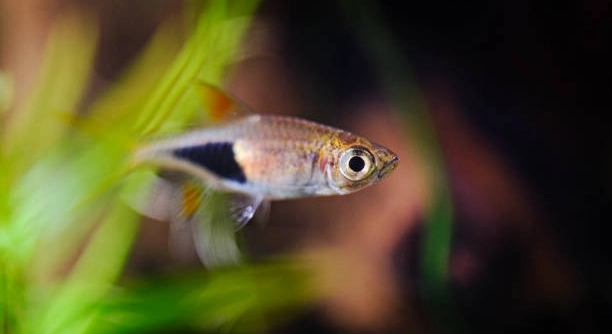
Are your rasboras spending more time in one corner of the tank while avoiding another area entirely? Observing their movement patterns can reveal important details about their comfort, environment, and overall well-being in the aquarium.
Rasboras often avoid specific areas due to water quality issues, inappropriate lighting, strong currents, or lack of hiding spots. Environmental stressors can significantly influence their distribution, and addressing these factors helps promote uniform activity and healthy behavior throughout the tank.
Understanding why certain tank zones are avoided allows you to create a more balanced and safe environment for your fish. Proper adjustments can restore comfort and encourage natural swimming patterns.
Common Reasons Rasboras Avoid Certain Tank Areas
Rasboras can be very sensitive to changes in their environment. Uneven water temperature, strong currents, or sudden exposure to bright light can make them seek safer, calmer zones. Sometimes, they avoid areas where water flow is too strong or where filters create turbulence. Sharp decorations, rough surfaces, or poorly placed ornaments can also make certain spots uncomfortable. Stress from overcrowding or aggressive tank mates can push them into corners, away from central swimming areas. Even minor chemical imbalances, like high ammonia or nitrite levels, may cause them to stay in areas with slightly better water quality. Observing their behavior and noting patterns can reveal exactly what they find unsettling. Adjustments such as rearranging plants, moderating light, or softening water flow often encourage more balanced movement. Keeping hiding spaces like dense plants or small caves helps them feel secure and reduces stress. Small changes can make a significant difference in their comfort and overall activity.
Maintaining stable water conditions is crucial for rasboras. They thrive in calm, well-filtered environments with consistent parameters.
Providing optimal conditions improves health and encourages natural behavior. Adjusting tank layout and water flow can restore balance. Secure spaces allow fish to explore safely and reduce stress significantly.
Water Quality and Temperature
Poor water quality is a leading reason fish avoid parts of the tank. High levels of ammonia, nitrites, or nitrates irritate gills and stress the fish. Temperature fluctuations, even small ones, can make certain areas uncomfortable, prompting them to congregate in spots with more suitable conditions. Regular testing and adjustments help maintain a stable environment.
Rasboras prefer slightly acidic, soft water with stable temperatures. Fluctuating conditions or untreated tap water may make them avoid affected areas.
Keeping water clean and stable requires consistent monitoring and maintenance. Using a reliable filter, performing regular water changes, and testing chemical levels can prevent uneven water quality across the tank. Temperature control is equally important, as rasboras are sensitive to sudden changes that can make parts of the tank unappealing. Placing heaters away from strong currents ensures uniform warmth, while monitoring pH and hardness prevents stress-related avoidance. Adding live plants can naturally stabilize water conditions and provide secure zones. By observing where your fish gather or avoid, you can identify areas with poor quality or discomfort. Maintaining these standards encourages healthier behavior, allowing rasboras to explore more evenly and thrive in the aquarium.
Lighting and Tank Placement
Bright or direct lighting can make rasboras uncomfortable. They tend to avoid areas with harsh illumination and prefer dimmer sections or spots with plant cover. Adjusting light intensity or creating shaded areas encourages them to explore more freely.
Improper lighting can stress fish, causing them to hide or avoid certain areas. Rasboras prefer evenly distributed, moderate light that mimics natural conditions. Sudden changes, such as turning on a bright overhead lamp, can make parts of the tank unappealing. Adding floating plants or repositioning decorations can reduce glare and create comfortable zones. Observing their reactions after changes helps identify preferred areas. Ensuring the tank is not in direct sunlight also prevents temperature spikes and uneven lighting, which can drive fish away from specific spots.
Placement of the tank affects fish behavior as well. Proximity to windows, heaters, or high-traffic areas can influence their comfort. A stable, quiet location with gentle lighting encourages exploration and reduces avoidance. Rearranging decorations to create safe pathways and shaded areas can restore balance in their swimming patterns.
Hiding Spots and Decorations
Dense plants, caves, or ornaments provide security and reduce stress. Without sufficient hiding spots, rasboras may cluster in preferred corners and avoid open areas.
Rasboras feel safer when they have access to secure hiding spaces. Decorations should be arranged to create both open swimming zones and protective areas. Overcrowded setups can limit movement, while empty tanks can increase stress. Providing a variety of plants and shelters encourages natural exploration. Floating plants help diffuse light and add shaded areas, while small caves or rock structures give fish a retreat when feeling threatened. Regular observation allows adjustment of placement to ensure comfort. Ensuring there is enough space between hiding spots prevents territorial disputes and promotes healthier swimming behavior.
The type and arrangement of decorations directly affect behavior. Smooth surfaces, rounded ornaments, and flexible plants reduce injury risk and encourage movement. Sharp or rough decorations can make areas unappealing. Balancing open areas with shelters creates a comfortable environment. Observing where rasboras gather or avoid can guide changes, ensuring they feel secure while still exploring. Rotating or rearranging plants periodically keeps the environment stimulating, preventing long-term avoidance of specific zones. By designing the tank thoughtfully, you can maintain both safety and activity throughout the aquarium.
Tank Currents
Strong currents can make certain areas uncomfortable for rasboras. Fish will avoid spots where swimming requires extra effort, preferring calmer zones with gentle water flow.
Positioning filters and pumps carefully reduces excessive currents. Creating soft flow areas with plants or decorations allows fish to rest and swim comfortably.
Tank Mates
Aggressive or overly active tank mates can drive rasboras away from specific areas. Fish that chase or intimidate them often force them into corners or behind plants for safety. Maintaining a peaceful community is essential for balanced behavior. Proper selection of compatible species reduces stress and promotes even tank exploration.
Observation and Adjustment
Regularly observing your rasboras helps identify patterns of avoidance. Monitoring where they congregate and which areas they avoid provides insight into environmental stressors. Adjustments in lighting, water flow, decorations, and tank placement can improve comfort and encourage natural behavior.
Feeding Spots
Rasboras often gather near feeding areas and may avoid zones far from food sources. Placing food in multiple locations ensures even activity and reduces clustering in specific tank regions.
FAQ
Why are my rasboras hiding all the time?
Rasboras hide when they feel stressed or unsafe. This can happen due to strong currents, bright lighting, poor water quality, or aggressive tank mates. Providing plants, caves, and shaded areas gives them security and encourages more balanced movement. Adjusting tank conditions often reduces constant hiding.
Can water temperature affect where rasboras swim?
Yes, temperature variations can influence their location. Rasboras prefer stable, slightly warm water. Sudden changes or cold spots may make them avoid certain areas. Using a reliable heater and monitoring with a thermometer ensures even temperature throughout the tank.
Do decorations influence rasbora behavior?
Absolutely. Sharp, rough, or overcrowded decorations can make areas uncomfortable. Smooth ornaments, plants, and hiding spots create safe zones. Proper arrangement encourages natural swimming patterns while giving them places to retreat if stressed.
Is lighting a factor in tank avoidance?
Yes, harsh or direct lighting can cause rasboras to avoid specific sections. Dim or diffused light with shaded areas is more comfortable. Floating plants or repositioned tank lights reduce glare and help fish explore evenly.
Can water flow make a difference?
Strong currents can push rasboras away from certain areas. They prefer gentle water movement. Positioning filters carefully and using plants to break flow can create calmer zones, encouraging natural activity.
Do rasboras avoid areas because of tank mates?
Yes, aggressive or fast-moving fish can intimidate them. Rasboras seek safety and may cluster away from dominant species. Choosing peaceful, compatible tank mates reduces stress and promotes uniform swimming.
How often should I monitor water quality?
Regular monitoring is essential. Ammonia, nitrite, and nitrate spikes, even in small amounts, can drive fish to safer zones. Weekly testing and consistent water changes maintain balance and prevent avoidance of certain areas.
Do rasboras prefer certain tank layouts?
Yes, they like a mix of open swimming space and secure hiding spots. Dense plants, small caves, and smooth decorations provide comfort. Rearranging periodically keeps the environment stimulating and prevents long-term avoidance of specific zones.
Can feeding locations affect behavior?
Rasboras often gather near food. If food is consistently placed in one spot, they may avoid other areas. Offering food in multiple locations ensures even activity and reduces clustering.
How do I know if avoidance is a health issue?
Sudden or extreme avoidance, lethargy, or unusual behavior can indicate illness. Check water quality, temperature, and observe for signs like discoloration or fin damage. Prompt attention and proper care help prevent long-term stress and promote healthy swimming patterns.
Will rearranging the tank help?
Yes, careful rearrangement can balance activity. Creating shaded areas, calming flow zones, and secure hiding spots encourages exploration and reduces avoidance. Observe how fish react after changes to fine-tune placement and ensure comfort throughout the tank.
Do floating plants make a difference?
Floating plants provide shade and reduce light intensity in certain areas. This creates preferred zones for rasboras, encouraging movement throughout the tank and preventing them from sticking to corners or edges.
Can tank size affect avoidance?
Yes, smaller tanks can increase stress, especially with multiple fish or decorations. Overcrowding leaves limited space, causing fish to avoid areas. A well-sized tank with enough room for swimming and hiding improves comfort and reduces avoidance behavior.
How long does it take for rasboras to adjust to changes?
Adjustment time varies. Some respond within hours, while others may take several days. Gradual changes, like slowly adjusting lighting or water flow, help them adapt more comfortably without increasing stress.
Are all rasboras equally sensitive?
No, individual temperament varies. Some fish explore freely, while others are more cautious. Providing a range of hiding spots and calm zones accommodates different personalities and ensures all fish feel safe.
What signs show they feel comfortable?
Comfortable rasboras swim in open areas, explore freely, and interact with tank mates. They show regular activity patterns, feed without hesitation, and use hiding spots occasionally rather than constantly. Observing these behaviors indicates a well-balanced environment.
Do seasonal changes affect behavior?
Yes, changes in room temperature, light exposure, or natural seasonal shifts can influence swimming patterns. Maintaining stable tank conditions helps rasboras avoid stress caused by external fluctuations.
Can water pH and hardness influence avoidance?
Yes, rasboras prefer slightly acidic, soft water. Fluctuations in pH or hardness can make certain areas uncomfortable, causing them to avoid them. Regular testing and proper adjustments maintain a comfortable habitat.
Is overcrowding a reason for avoidance?
Overcrowded tanks limit swimming space and increase stress. Rasboras may stick to corners or shaded areas to feel safe. Adequate space, proper stocking levels, and well-placed decorations reduce stress and encourage natural movement.
How do I know if adjustments are working?
Observe their movement patterns after making changes. Increased exploration, balanced swimming, and occasional use of hiding spots indicate improvements. Continuous monitoring ensures comfort and long-term well-being.
Rasboras are small, sensitive fish that respond quickly to their environment. Their behavior can provide important clues about comfort and stress levels. Observing areas they avoid often points to specific issues in the tank, such as uneven lighting, strong currents, or poor water quality. These fish rely on stable conditions and secure spaces to feel safe, and even small changes in their surroundings can significantly affect where they swim. Providing a mix of open swimming areas and hiding spots helps them feel more confident, allowing natural movement throughout the tank. Dense plants, smooth decorations, and shaded areas encourage exploration while giving them retreat zones if they feel threatened. This balance is essential for maintaining both physical and mental well-being.
Water quality plays a central role in rasbora behavior. High levels of ammonia, nitrites, or nitrates, even if mild, can push them into areas with better water conditions. Temperature fluctuations also influence which parts of the tank they use. Stable water conditions and a consistent temperature range create a comfortable environment and reduce stress. Filtration, regular water changes, and monitoring chemical levels are essential for a balanced habitat. Placement of heaters and filters should consider water flow, as strong currents may discourage swimming in certain zones. Adding floating plants or decorations can help diffuse water flow and light, creating gentle areas that support natural behavior. Small adjustments, like repositioning ornaments or moderating light intensity, often have a noticeable effect on their activity patterns.
Tank mates and the overall layout also affect how rasboras interact with their environment. Aggressive or fast-moving fish can intimidate them, forcing them to seek corners or behind plants for protection. Choosing peaceful species and ensuring enough space for all inhabitants reduces avoidance and promotes balanced swimming. Overcrowding, rough decorations, or insufficient hiding spots can also contribute to uneven distribution. Observing their daily patterns helps identify stress points and allows gradual adjustments. Consistency and patience are key, as rasboras may take time to adapt to changes. By maintaining a stable environment, providing suitable hiding places, and addressing factors such as lighting, water flow, and tank mates, it is possible to create a healthy, comfortable aquarium where rasboras explore freely and exhibit natural behavior.

Hello,
If you enjoy the content that we create, please consider saying a "Thank You!" by leaving a tip.
Every little bit helps us continue crafting quality advice that supports the health, happiness, and well-being of pets around the world, for pets of all shapes, sizes, and species.
We really appreciate the kindness and support that you show us!