
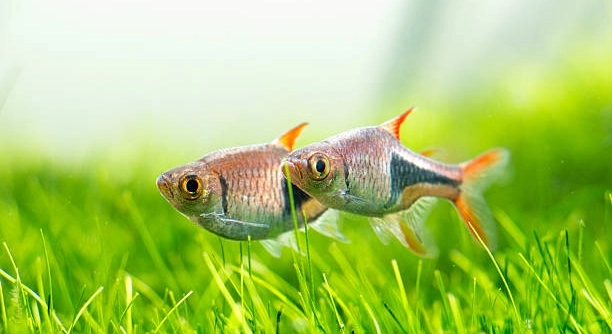
Rasboras are small, peaceful fish that thrive in calm environments. Loud noises in or around the tank can startle them, affecting their behavior and overall well-being. Maintaining a stable sound level helps them feel secure and comfortable.
Rasboras are sensitive to excessive noise, which can cause stress, erratic swimming, and even health issues. It is recommended to keep their environment quiet, avoiding sudden or constant loud sounds to ensure their proper growth and behavior.
Keeping noise in check is essential for their daily routine and overall tank harmony. Proper care ensures rasboras remain healthy and stress-free.
How Noise Affects Rasboras
Rasboras are delicate fish, and loud noises can disturb their natural behavior. Sudden sounds often make them dart around the tank, which increases stress and can weaken their immune system. Continuous noise, such as from loud music or appliances near the tank, can disrupt their feeding habits and sleeping patterns. Even vibrations from footsteps or nearby traffic can be enough to make them uncomfortable. Over time, constant exposure to high sound levels may cause permanent stress, leading to illness or reduced lifespan. Ensuring a quiet area for your tank allows rasboras to swim calmly and interact naturally. Observing their reactions to different sounds can help you identify what levels are safe. Simple adjustments, like moving the tank away from noisy spots or using soft padding under the tank, can reduce unwanted vibrations. Protecting their environment supports both their physical health and overall behavior in the tank.
Maintaining a peaceful environment improves rasboras’ well-being and prevents stress-related health problems. Quiet surroundings are key to happy, active fish.
Monitoring noise levels in your home is essential. Some rasboras may adapt faster, but others will remain skittish. Avoid tapping on the glass, placing the tank in high-traffic areas, or running nearby machines constantly. Small changes, like placing a mat under the tank or moving it away from doors and windows, can significantly improve their comfort. Consistent quiet encourages normal swimming patterns, feeding habits, and social interactions within the school. Regular observation ensures you notice stress signs early, like hiding or erratic swimming, allowing timely adjustments. By prioritizing a calm environment, rasboras can display their natural colors and behaviors, creating a more enjoyable tank for both you and the fish.
Creating a Calm Tank Environment
Positioning the tank away from noise sources keeps rasboras calm and reduces stress. Even subtle vibrations can impact them.
Adding soft decorations, live plants, and gentle filtration helps maintain tranquility. Avoid placing heavy objects near the tank that can cause sudden sounds. Limiting frequent disturbances, like tapping or moving nearby furniture, supports stable water conditions and reduces stress triggers. Consistent lighting, combined with a quiet space, allows rasboras to follow natural activity patterns, promoting proper feeding and schooling behavior. Live plants not only provide hiding spots but also help absorb vibrations and buffer sound. Simple measures, such as using a soft tank stand or moving the aquarium to a low-traffic room, can make a noticeable difference in their comfort. These steps ensure that the fish can thrive without unnecessary stress, making the tank a healthier environment. Proper care and attention to sound management ultimately result in more vibrant, active, and healthier rasboras over time.
Signs Your Rasboras Are Stressed
Rasboras showing stress may swim erratically, hide frequently, or lose their usual vibrant colors. These behaviors indicate discomfort, often caused by excessive noise, sudden vibrations, or an unstable tank environment. Recognizing these signs early helps prevent long-term health issues.
Stress in rasboras can appear subtly. You might notice them avoiding areas of the tank, swimming in short bursts, or clustering together more tightly than usual. Loss of appetite is another common indicator, as stressed fish may refuse food or nibble less than normal. Over time, continuous stress can weaken their immune system, making them more susceptible to diseases and infections. Observing their daily behavior and comparing it to normal patterns helps identify when adjustments are needed.
Behavioral changes often signal environmental issues beyond noise. Poor water quality, sudden temperature shifts, or overcrowding can exacerbate stress. Addressing these factors alongside noise reduction ensures a stable and healthy habitat. Small improvements like consistent feeding times, gentle filtration, and a quiet tank location contribute to reducing stress. Tracking changes and acting promptly helps rasboras recover quickly and maintain their natural colors, swimming patterns, and overall vitality, keeping them active and thriving in a comfortable environment.
Managing Noise in Multi-Fish Tanks
In tanks with multiple fish, louder sounds affect the entire group, causing stress and disrupted schooling behavior. Keeping noise consistent and minimal helps maintain harmony among all tank inhabitants.
Noise sensitivity varies among species. Rasboras may be especially affected due to their small size and schooling nature. Loud household activities, music, or tapping the glass can startle them, causing them to scatter or hide. Group dynamics also change under stress; some fish may become aggressive while others withdraw. Using background noise dampeners, soft padding under the tank, and placing it in a quieter area reduces disturbances. Providing adequate hiding spots and structured tank layouts allows fish to feel secure. Monitoring interactions after changes ensures that all fish remain calm. Maintaining this balance promotes a healthier, more active tank environment, keeping both rasboras and other species stress-free.
Reducing Household Noise Near the Tank
Placing the tank away from frequent foot traffic and loud appliances helps keep rasboras calm. Even small vibrations from nearby activity can disturb their natural behavior and cause stress over time.
Soft padding under the tank or using a sturdy stand minimizes vibrations. Keeping music and television at moderate levels near the tank further reduces sudden disturbances, creating a stable environment where the fish can swim and feed comfortably without unnecessary stress.
Using Plants and Decorations for Comfort
Live plants and tank decorations provide hiding spots and reduce stress for rasboras. Dense areas allow them to retreat when startled, improving overall comfort and security. Plants also buffer sound and vibrations, helping create a quieter, more stable environment that supports natural behavior.
Feeding in a Calm Environment
Feeding should occur in a quiet space to prevent stress. Loud disturbances can make rasboras hesitant to eat, impacting health and growth.
FAQ
How loud is too loud for rasboras?
Rasboras are sensitive to sudden or continuous loud noises. Sounds above normal household levels, like blasting music or constant vibrations from appliances, can cause stress. It is best to maintain a calm environment with minimal sudden noises. Small taps on the glass or frequent movement nearby can also disturb them. Observing their reactions helps determine safe noise levels.
Can vibrations affect rasboras even if the sound is low?
Yes, vibrations can be just as stressful as loud sounds. Footsteps, shaking furniture, or nearby machinery can disturb the water, making the fish nervous. Using a sturdy tank stand or placing soft padding under the tank reduces vibrations and keeps the environment stable.
Do all rasboras react the same to noise?
Not all rasboras react identically. Some are more skittish and will dart or hide at the slightest disturbance, while others adapt better to background noise. Their response also depends on tank setup, group size, and individual temperament. Monitoring their behavior ensures adjustments can be made when needed.
How can I tell if my rasboras are stressed from noise?
Signs of stress include erratic swimming, frequent hiding, loss of appetite, and dulling of colors. Stress may also affect schooling behavior, causing fish to scatter or become less coordinated. Consistently noticing these signs is a clear indication that the tank environment is too noisy.
What changes can I make to reduce stress from noise?
Simple adjustments help significantly. Moving the tank away from loud appliances or doors, using soft padding under the tank, and minimizing nearby activity can all reduce stress. Adding live plants and decorations provides hiding spots, which makes fish feel more secure.
Is it okay to play soft music near the tank?
Soft music at a moderate volume is usually acceptable. Rasboras are more sensitive to sudden loud sounds than continuous quiet background noise. Keeping the volume low and avoiding sudden bursts helps maintain a calm environment.
Do tank mates affect noise sensitivity?
Yes, tank mates influence how rasboras respond to noise. Active or aggressive species can increase stress in rasboras, especially if loud or sudden movements occur. Ensuring a compatible, peaceful community helps reduce overall stress levels.
Can lighting impact stress caused by noise?
Indirectly, yes. Bright or flickering lights combined with noise can heighten stress. Consistent, soft lighting helps rasboras feel secure, making them less reactive to environmental disturbances. Timed lighting that mimics natural cycles also supports calm behavior.
How long does it take for rasboras to recover from noise stress?
Recovery time varies depending on the severity of stress and environmental improvements. Mild stress may resolve within a few hours to a day if conditions stabilize. Chronic exposure to loud noise may take several days or longer, especially if additional factors like water quality are involved.
Are younger rasboras more sensitive to loud noises?
Juvenile rasboras are generally more sensitive than adults. Their smaller size and developing immune systems make them more susceptible to stress from loud or sudden sounds. Extra care in positioning the tank and controlling noise helps them grow in a calm, healthy environment.
Can routine cleaning cause stress?
Yes, routine maintenance can temporarily disturb rasboras. Avoid tapping on the glass, sudden water changes, or loud equipment during cleaning. Performing tasks calmly and gradually helps minimize stress and keeps fish comfortable.
Do all tank locations impact noise the same way?
No, location matters a lot. Tanks near doors, high-traffic areas, or household machines experience more disturbances. Quiet rooms, away from direct vibrations, provide a calmer environment for rasboras to thrive.
Is stress from noise reversible?
Yes, stress is often reversible if addressed promptly. Reducing noise, stabilizing the environment, and adding hiding spots allows rasboras to regain normal behavior and vibrant coloration over time. Consistent monitoring ensures they remain comfortable and healthy.
How often should I monitor my tank for noise issues?
Daily observation is ideal. Watching swimming patterns, feeding habits, and interactions within the school helps identify early signs of stress. Quick action can prevent long-term health problems caused by environmental noise.
Can stress from noise affect breeding?
Yes, stressed rasboras are less likely to breed. Stress reduces energy levels and disrupts natural behaviors necessary for spawning. Maintaining a quiet, stable tank increases the chances of healthy reproduction.
Do all household noises affect rasboras equally?
No, some noises are more disturbing than others. Sudden, sharp sounds or continuous vibrations are more stressful than soft background noise. Observing how your fish respond helps identify which sounds to minimize or eliminate.
Can I use background sounds to calm rasboras?
Some gentle, consistent sounds may have a neutral or calming effect. Avoid variable or loud noises, and keep sound levels steady. The key is maintaining a predictable environment that minimizes sudden disturbances.
Are there long-term effects of chronic noise stress?
Yes, prolonged exposure to loud or constant noise can weaken the immune system, cause erratic behavior, dull colors, and increase susceptibility to disease. Reducing noise and providing hiding spaces helps prevent these long-term problems.
How do decorations help with noise management?
Decorations absorb some sound and vibrations while providing secure spaces for rasboras to hide. Dense plants, rocks, or driftwood create micro-environments that reduce stress and allow fish to feel protected, even in moderately noisy surroundings.
Is it necessary to use a noise meter for the tank?
Not strictly necessary, but it can help if you want precise measurements. Generally, observing fish behavior and minimizing obvious household noises is sufficient for most home tanks. The focus should be on consistency and comfort rather than exact decibel levels.
What’s the most important takeaway for noise management?
Maintaining a stable, calm environment with minimal sudden disturbances is essential. Thoughtful placement, consistent surroundings, and added hiding spots help rasboras stay healthy, stress-free, and display natural behavior and coloration.
This FAQ covers common concerns about noise and stress in rasboras, offering practical advice to ensure they thrive. Proper care, observation, and small adjustments make a significant difference in their well-being.
Rasboras are small, delicate fish that rely on a calm environment to thrive. Loud noises, sudden vibrations, and frequent disturbances can cause stress, which impacts their behavior, health, and overall well-being. Stress can show in various ways, including erratic swimming, hiding, loss of appetite, or dull colors. Even if the tank looks clean and well-maintained, noise and vibrations are often overlooked factors that affect these tiny fish. Keeping a quiet area around the tank is essential, and it is just as important to monitor how they respond to different household activities. By paying attention to their behavior, you can adjust the environment before stress leads to long-term health issues. Simple precautions, like moving the tank away from doors, appliances, or high-traffic areas, make a noticeable difference in their comfort. Consistency matters more than occasional silence, as rasboras adapt best when their surroundings remain predictable and stable.
Adding live plants, decorations, and hiding spots not only makes the tank more visually appealing but also helps reduce stress. These elements act as buffers, absorbing vibrations and giving the fish areas to retreat when startled. Dense plants or driftwood create micro-habitats that allow rasboras to feel secure and maintain normal schooling behavior even in a moderately noisy environment. Soft padding under the tank or a sturdy stand further minimizes vibrations caused by external movements. Daily observation of swimming patterns, feeding habits, and color vibrancy helps identify early signs of stress. Adjustments can be made gradually, ensuring that the changes do not cause further disturbance. Over time, these measures help create a calm, comfortable habitat where rasboras can display natural behavior and healthy growth. Attention to environmental details like noise and vibrations is just as critical as water quality and nutrition in keeping these fish happy.
Feeding, cleaning, and general tank maintenance should also be approached carefully to avoid causing unnecessary stress. Performing tasks slowly, avoiding tapping on the glass, and maintaining consistent routines helps rasboras feel safe. When noise is kept to a minimum and the tank provides sufficient shelter, the fish regain confidence quickly after temporary disturbances. Stress reduction is not a one-time task but a consistent effort that involves monitoring both behavior and environmental factors. Over time, a stable and calm tank environment ensures that rasboras live longer, healthier lives, maintaining their vibrant colors and active schooling patterns. Prioritizing noise management, adding hiding spaces, and keeping routines consistent allows these small fish to flourish, making the tank a peaceful and enjoyable space for both the fish and those caring for them.

Hello,
If you enjoy the content that we create, please consider saying a "Thank You!" by leaving a tip.
Every little bit helps us continue crafting quality advice that supports the health, happiness, and well-being of pets around the world, for pets of all shapes, sizes, and species.
We really appreciate the kindness and support that you show us!