
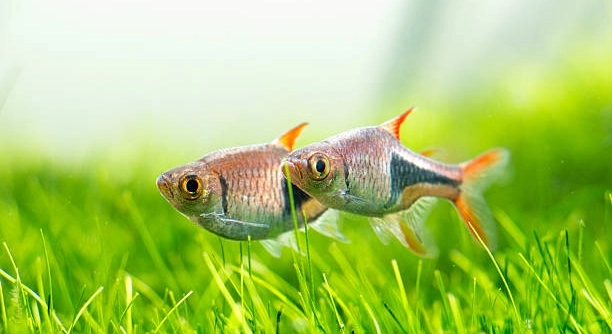
Rasboras are small, lively fish that usually enjoy swimming in groups. Yet, sometimes they stick close to plants or the tank bottom, avoiding the open water where they would normally explore freely.
Rasboras may avoid open water due to stress, poor water quality, lack of cover, sudden changes in their environment, aggressive tankmates, inadequate diet, or insufficient lighting. Each of these factors can influence their natural swimming behavior and safety perception.
Recognizing these reasons can help you create a safer and more comfortable space for your rasboras to thrive naturally in your aquarium.
Stress in the Aquarium
Rasboras are sensitive to their surroundings, and stress can make them cling to the edges or plants instead of swimming freely. Sudden movements outside the tank, loud noises, or frequent tapping on the glass can frighten them. Even subtle changes like rearranging decorations or introducing new fish can trigger stress. Stress weakens their immune system, making them more prone to illness and reducing their activity. When stressed, rasboras often stick to hiding spots to feel safe, which explains why they avoid open water. Observing their behavior carefully can help you spot stress early. Providing stable conditions and minimizing sudden changes will encourage them to swim more confidently.
Minimizing stress involves creating a calm environment, keeping consistent water parameters, and avoiding sudden changes or excessive disturbances in the tank.
Once stress is reduced, rasboras gradually regain their natural behavior. Adding gentle water flow, soft lighting, and stable temperatures makes them feel secure. Hiding spots like plants and rocks are essential, but they will start venturing into open areas as they grow comfortable. Consistency and patience are key. Over time, you will notice them exploring the mid-level and upper parts of the tank, interacting with other fish without fear. Watching this change is rewarding, as it shows your efforts in creating a stable and safe habitat are effective. Even shy rasboras eventually adapt when stress is managed properly, and their natural swimming patterns return.
Poor Water Quality
Rasboras are highly sensitive to water conditions, and poor quality can cause them to avoid open areas. Ammonia, nitrite, or nitrate spikes make them seek hiding spots, while unbalanced pH or temperature can also discourage swimming.
Clean, stable water is essential for their activity. Regular testing, partial water changes, and proper filtration keep parameters safe.
Maintaining optimal water quality is one of the most important steps for healthy rasboras. High ammonia or nitrite levels irritate their gills, causing discomfort and limiting movement. Even nitrate, though less immediately harmful, can stress fish if it rises too high over time. Rasboras also react to sudden shifts in pH or temperature, which is why gradual adjustments are recommended. Filtration must be gentle to prevent strong currents that may further intimidate them. Adding live plants can help absorb nitrates and provide natural hiding areas. Monitoring water regularly and making small, consistent changes keeps conditions stable. Healthy water encourages rasboras to explore open water confidently, interact with tankmates, and display natural schooling behavior. Over time, these measures significantly improve their overall well-being.
Lack of Cover
Rasboras feel unsafe without plants or decorations to hide in. Open water can seem threatening, so they stay close to tank edges or dense foliage for security and comfort.
Providing plenty of live or artificial plants helps them feel secure. Floating plants can also reduce stress by breaking up open areas, giving the fish a sense of protection while still allowing swimming space. Rocks, driftwood, or small caves offer additional hiding spots. When cover is limited, rasboras may cluster together tightly near the bottom or sides. Over time, adding more structured areas encourages them to venture gradually into open water, improving confidence and natural behavior.
Even with cover, some rasboras may remain cautious. Gradually introducing new plants or rearranging decorations slowly can help them explore more freely. Observing their preferred spots and adjusting tank layout ensures they always feel safe while expanding their swimming territory. Combining adequate cover with stable water conditions and gentle lighting encourages them to balance security and exploration naturally.
Aggressive Tankmates
Rasboras avoid open water when housed with aggressive or larger fish. They stay hidden to prevent harassment or attacks, especially during feeding times or sudden movements.
Keeping compatible species is essential to maintain calm behavior. Peaceful community fish allow rasboras to school and explore confidently without fear.
Aggressive tankmates disrupt the natural behavior of rasboras, forcing them into constant vigilance. Even minor bullying, like chasing or nipping, can make them stick to corners or plants. Over time, stress from aggressive fish weakens their immune system and reduces appetite, further limiting their activity. Choosing similarly sized, peaceful species helps rasboras thrive. Maintaining a well-planned tank layout with plenty of hiding spots prevents confrontations and allows natural swimming patterns. Observation is key—watching interactions helps identify if tankmates are causing avoidance behavior. Adjusting stocking levels or separating aggressive fish restores balance and encourages rasboras to regain confidence in open water.
Inadequate Diet
Rasboras may avoid open water if they are not receiving proper nutrition. Weak or underfed fish tend to stay near the bottom or plants, conserving energy and avoiding exposure.
Providing a balanced diet with high-quality flakes, pellets, and occasional live or frozen foods keeps them active.
Sudden Environmental Changes
Rasboras react strongly to rapid changes in lighting, temperature, or water flow. Even minor adjustments can make open areas seem unsafe. Consistency helps them feel secure and encourages regular swimming behavior.
Insufficient Lighting
Dim or uneven lighting can cause rasboras to hide rather than explore open water. Proper illumination supports natural activity patterns and schooling behavior.
FAQ
Why do my rasboras stay at the bottom of the tank?
Rasboras often stay at the bottom when they feel stressed or unsafe. Poor water quality, aggressive tankmates, or sudden environmental changes can make them cling to plants or substrate. Providing hiding spots and maintaining stable water parameters encourages them to swim in open areas.
Can lack of plants affect my rasboras’ behavior?
Yes, rasboras rely on cover for security. Without sufficient plants or decorations, they may avoid open water entirely. Adding live or artificial plants, floating greenery, or small caves helps them feel safe while still exploring the mid-levels of the tank.
How does water quality impact open water swimming?
Unstable water parameters, high ammonia, nitrites, or nitrates stress rasboras. Even slight shifts in pH or temperature can make them hide. Regular water testing, gentle filtration, and consistent partial water changes create a comfortable environment that encourages natural swimming patterns.
Do aggressive tankmates make rasboras avoid open water?
Absolutely. Aggressive or larger fish can chase or nip at rasboras, making them seek shelter constantly. Peaceful community fish and adequate hiding spots reduce this behavior, helping rasboras feel safe enough to venture into open water.
Can diet influence their swimming habits?
Yes, underfed or weak fish conserve energy by staying hidden. Feeding high-quality flakes, pellets, and occasional live or frozen foods ensures they have energy to swim confidently throughout the tank. Balanced nutrition improves health, activity, and overall behavior.
Does lighting play a role in their avoidance?
Lighting is important for rasboras’ activity. Too dim or uneven lighting can make them feel exposed and unsafe, causing them to hide. Consistent, moderate light encourages schooling behavior and helps them explore open spaces.
Will sudden changes in the tank scare them?
Rasboras are sensitive to rapid changes in temperature, water flow, or decorations. Gradual adjustments and a calm environment prevent stress, allowing them to move freely and comfortably.
How can I encourage shy rasboras to swim in open water?
Providing plenty of cover, stable water conditions, and compatible tankmates is key. Gradually introducing new plants or rearranging decorations slowly can boost confidence. Consistent feeding and moderate lighting also make open water feel safe for exploration.
Is stress the main reason rasboras hide?
Stress is a major factor. Loud noises, frequent tapping, or sudden movements can cause rasboras to stick close to the bottom or sides. Reducing disturbances and maintaining a stable tank helps them regain normal behavior.
How long does it take for rasboras to adjust?
Adjustment depends on individual fish and conditions. Some rasboras explore within days, while others take weeks. Patience, consistency, and a secure environment are essential for encouraging open water swimming.
Can tank size influence their behavior?
Yes, smaller or overcrowded tanks limit swimming space and make rasboras feel exposed. Providing adequate space for schooling and plenty of hiding spots encourages them to use open areas confidently.
Are some rasboras naturally more cautious?
Individual temperament varies. Some are naturally shy or less bold. Ensuring a safe environment and minimizing stressors helps even cautious fish feel comfortable swimming in open water.
Do water currents affect their willingness to explore?
Strong currents can intimidate rasboras, causing them to stick to sheltered areas. Gentle, consistent water flow is ideal, allowing them to navigate open water without feeling threatened.
Can adding more plants help with shy behavior?
Yes, adding vertical or floating plants provides security without overcrowding the tank. Rasboras gradually use these areas as stepping stones to venture into open water confidently.
Is schooling important for their confidence?
Absolutely. Rasboras are social fish and feel safer in groups. Small groups may hide more often, while larger schools gain confidence and explore open areas together.
How do I know if my rasboras are stressed?
Signs include staying near the bottom, hiding excessively, loss of appetite, or erratic swimming. Observing behavior closely and maintaining stable conditions helps identify and reduce stress.
Can temperature swings affect their activity?
Yes, sudden drops or spikes in temperature make rasboras sluggish and more likely to hide. Keeping a stable, appropriate temperature encourages consistent swimming and schooling behavior.
Do decorations help or hurt their confidence?
Decorations provide hiding spots but should not block the tank completely. Balanced arrangements give security while leaving open areas for exploration. Gradual adjustments to layout can boost confidence over time.
How can I make open water feel safer?
Combine gentle lighting, stable water, compatible tankmates, and strategic cover. Gradual introduction of open areas while keeping nearby shelters allows rasboras to explore confidently.
Will rasboras eventually stop hiding on their own?
Yes, with proper care and a safe environment, most rasboras gain confidence over time. Patience, consistent feeding, and minimal stress encourage them to swim in open water naturally.
Final Thoughts
Rasboras are delicate, small fish that react strongly to their environment. Their tendency to avoid open water is often linked to feelings of stress, insecurity, or discomfort. Understanding the factors that influence this behavior is essential for creating a healthy and stable tank. From water quality and lighting to diet and tankmates, each element plays a role in shaping how freely they move throughout the aquarium. Observing their behavior daily helps identify problems early, and small adjustments can have a significant impact on their comfort and confidence.
Providing proper cover is one of the simplest ways to make rasboras feel secure. Plants, rocks, and other decorations give them places to hide while still allowing room to explore. Over time, this balance encourages them to swim more in open water without feeling exposed. Adequate schooling opportunities also support their confidence, as rasboras are naturally social fish. When they are in groups, they tend to feel safer and gradually venture farther from the bottom or sides. Even minor changes, like adjusting light intensity or adding floating plants, can make the tank feel more natural and inviting.
Maintaining stable water parameters and a proper diet is equally important. Fluctuations in temperature, pH, or ammonia levels can cause stress, while underfeeding or low-quality food may leave them lacking energy to explore. Combining a calm environment with consistent care ensures that rasboras remain healthy and active. Patience is key, as some fish take longer to adjust than others. With time, careful observation, and thoughtful adjustments, rasboras will gradually gain confidence, spending more time in open areas of the tank. Their natural curiosity and schooling behavior will become more evident, reflecting the safe and supportive environment you’ve created. A well-maintained tank not only promotes healthier fish but also makes watching them swim more enjoyable.

Hello,
If you enjoy the content that we create, please consider saying a "Thank You!" by leaving a tip.
Every little bit helps us continue crafting quality advice that supports the health, happiness, and well-being of pets around the world, for pets of all shapes, sizes, and species.
We really appreciate the kindness and support that you show us!