
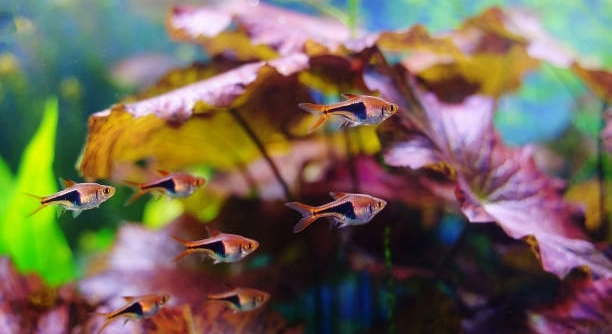
Do you ever notice your rasboras swimming around without interest in their food? Watching them ignore meals can feel a bit frustrating, especially when you carefully prepare their favorite flakes or live treats.
Rasboras may ignore food due to stress, illness, water quality issues, or inappropriate feeding schedules. These factors can reduce appetite, affect digestion, and interfere with normal feeding behavior, making it essential to monitor their environment and health closely.
Understanding these patterns can improve feeding routines and help maintain a healthy, active aquarium for your fish.
Stress and Environmental Changes
Rasboras are sensitive to changes in their surroundings. Sudden shifts in water temperature, pH levels, or tank decorations can make them uneasy. Even moving the tank to a new location can cause temporary stress. When stressed, fish often lose interest in food and hide more frequently. Observing their swimming patterns and activity levels can help you identify stress early. Consistent water changes and a stable environment usually restore normal behavior. It is also important to avoid overcrowding the tank, as too many fish can create tension and reduce appetite. Bright lights or loud noises near the aquarium may further unsettle them. Gradual adjustments, rather than abrupt changes, tend to work best. Providing plants, hiding spots, and gentle water flow can help rasboras feel secure. A calm, stable habitat encourages regular feeding and reduces periods of food refusal, supporting overall health and vitality in the aquarium.
Stress management in the tank can prevent feeding issues and promote a more relaxed atmosphere for your fish.
Maintaining a consistent routine is essential for rasboras. Feeding at the same times daily, ensuring water parameters remain steady, and minimizing disturbances will help them feel safe. When rasboras have stable conditions, their appetite usually returns. Patience is key, as they may need several days to adjust after any change. Offering a variety of foods in small amounts can also encourage eating. Observing their behavior closely helps detect if issues persist. By creating a peaceful environment, rasboras are more likely to eat regularly, remain active, and display natural social behavior, improving both their health and your enjoyment of the tank.
Illness and Appetite Loss
Illness can cause rasboras to stop eating. Signs include faded color, clamped fins, or sluggish swimming.
Common health issues like bacterial infections, parasites, or swim bladder problems can reduce feeding. Sick fish often need separate treatment and careful observation. Feeding small amounts or medicated food may help recovery. Promptly addressing illness improves their chances of returning to normal appetite.
Monitoring water quality is essential for preventing disease. High ammonia or nitrite levels stress fish and make them vulnerable. Quarantining new fish before introducing them to the tank reduces infection risk. Maintaining a balanced diet and avoiding overfeeding strengthens immune systems. Regular cleaning, along with testing water parameters, keeps conditions optimal. If illness appears, isolating affected fish, adjusting water conditions, and providing appropriate treatment support recovery. Healthy rasboras display bright colors, active swimming, and consistent interest in food, while monitoring behavior daily ensures any health problems are addressed quickly.
Feeding Habits and Preferences
Rasboras sometimes ignore food simply because they are picky. Some prefer live or frozen foods over flakes. Others may eat only at certain times or in specific tank areas. Understanding their preferences helps improve feeding success and reduces waste.
Offering a variety of foods keeps rasboras interested. Rotating between flakes, micro pellets, and small live foods like daphnia or brine shrimp can encourage eating. Temperature and water flow can also influence feeding behavior. Fish may hesitate if food sinks too fast or floats too long. Observing their natural foraging patterns shows when and how they prefer to eat. Feeding in small portions prevents leftover food from polluting the water. Over time, recognizing each fish’s favorite types and feeding style makes daily care easier and more effective, ensuring they receive proper nutrition and remain active.
Sometimes feeding issues arise from timing and competition in the tank. Fast eaters may dominate food, leaving shy rasboras without access. Splitting food into multiple spots or using feeding rings allows all fish to eat comfortably. Overfeeding can also reduce interest, as leftover food causes water quality problems. Observing their behavior during feeding shows when adjustments are needed. Providing calm, consistent feeding routines reduces stress and improves appetite. Careful attention to portion size, food type, and feeding method ensures each fish receives enough nutrients, maintains energy, and stays healthy, supporting overall tank balance and harmony.
Water Quality and Maintenance
Poor water conditions affect appetite. High ammonia, nitrite, or nitrate levels, or sudden changes in temperature, make rasboras stop eating. Regular testing and water changes keep them healthy.
Even small fluctuations in pH or hardness can stress fish, reducing interest in food. Debris and leftover food in the tank also affect water quality. Keeping filters clean, monitoring chemical levels, and performing weekly partial water changes help maintain stable conditions. Stable water encourages normal feeding behavior and supports immune function. Temperature consistency is especially important, as sudden drops or spikes can shock fish. Adequate oxygenation and gentle water flow further promote comfort. By prioritizing water quality and regular maintenance, rasboras stay active, eat reliably, and show bright colors, reducing common health issues and ensuring a thriving aquarium.
Overfeeding and Feeding Frequency
Overfeeding can make rasboras lose interest in food. Uneaten food pollutes the water and reduces appetite.
Feeding too often also causes disinterest. Small, controlled portions once or twice a day are usually enough to keep them healthy and motivated to eat.
Tank Mates Influence
Aggressive or overly active tank mates can scare rasboras away from food. They may hide or wait until others finish eating. Choosing peaceful companions ensures rasboras can feed without stress and maintain a regular appetite.
Food Quality
Poor-quality or old food can be unappealing to rasboras. Stale flakes or improperly stored frozen foods reduce nutrition and taste. Fresh, high-quality options encourage feeding and support their health and growth.
Observation and Adjustment
Watching feeding behavior helps identify problems early. Adjusting portion size, food type, or feeding location can improve intake and keep rasboras healthy.
FAQ
Why are my rasboras ignoring food after a water change?
Rasboras are sensitive to sudden changes in water parameters. Even small shifts in temperature, pH, or hardness can stress them, reducing appetite. Allowing the tank to stabilize for a few hours before feeding helps them adjust. Gradual water changes are better than large, sudden ones.
Can stress from tank decorations make them stop eating?
Yes. Introducing new decorations, rearranging plants, or adding objects can make rasboras feel insecure. They may hide or avoid food until they feel comfortable again. Adding hiding spots and keeping familiar areas consistent reduces stress and encourages regular feeding.
Do rasboras prefer live food over flakes?
Many rasboras respond better to live or frozen foods like brine shrimp or daphnia because of natural movement. Flakes and pellets can still work, but rotating food types helps maintain interest and ensures balanced nutrition.
Is overfeeding a reason for food refusal?
Yes. Too much food in the tank leads to leftovers that pollute water and reduce appetite. Feeding small portions once or twice daily prevents waste and keeps them motivated to eat. Observation is key to finding the right portion for your tank size and fish number.
Can tank mates affect feeding behavior?
Aggressive or fast-eating fish may intimidate rasboras, causing them to hide during feeding. Peaceful companions allow all fish to eat comfortably. Spreading food across multiple areas or using a feeding ring helps shy fish access meals without stress.
Does illness cause food refusal?
Yes. Fading colors, clamped fins, sluggish movement, or unusual swimming patterns indicate health problems. Sick fish often stop eating. Early detection, isolating affected individuals, and providing appropriate treatment or medicated food improves recovery chances. Regular observation prevents minor issues from becoming severe.
Do water temperature and flow impact appetite?
Rasboras are sensitive to both temperature and water flow. Sudden drops or strong currents can stress them, reducing feeding. Maintaining consistent temperature and gentle flow promotes normal activity and encourages them to eat regularly. Temperature consistency is particularly important for tropical species.
How long should I wait before trying a new food?
Introduce new food gradually. Mix a small amount with their current diet for several days. Abrupt changes may cause refusal. Observing which types they prefer helps identify foods that are both nutritious and appealing, supporting overall health.
Can lighting affect feeding behavior?
Bright or sudden lighting changes can make rasboras wary, hiding instead of eating. Dim, consistent lighting during feeding allows them to feel secure and encourages regular food intake. Some fish prefer eating near plants or shaded areas in the tank.
What is the best way to encourage picky eaters?
Offer small portions of varied foods multiple times a week. Observe their preferences and adjust feeding methods, locations, or times. Providing live, frozen, or flake options in combination with a stable environment increases appetite and supports proper nutrition, keeping rasboras active and healthy.
Rasboras can be a bit tricky when it comes to feeding. They sometimes ignore food for reasons that are not immediately obvious, and understanding their behavior takes a little observation and patience. Stress, illness, or changes in their environment can all influence whether they are interested in eating. Even simple factors, like the type of food offered or the time of day, may affect their appetite. It is important to remember that food refusal is often a signal rather than a permanent problem. By paying close attention to their tank conditions and routines, it is usually possible to identify the cause and take steps to help them feel comfortable again. Small adjustments, such as offering food in different areas or slightly changing the feeding schedule, can make a noticeable difference in their willingness to eat.
Maintaining good water quality is essential for encouraging regular feeding. Rasboras are sensitive to ammonia, nitrite, nitrate, and sudden shifts in pH or temperature. Dirty water or leftover food can stress them and reduce appetite over time. Regular partial water changes, cleaning filters, and monitoring water parameters help keep the tank stable. Keeping the tank environment calm and consistent also reduces stress and supports natural feeding behavior. Introducing plants, hiding spots, and gentle water flow can create a more secure space where rasboras feel safe to explore and eat. Observing their interactions with other fish is also important, as aggressive or overly fast tank mates can limit access to food and create anxiety. A well-maintained tank promotes both health and appetite, allowing rasboras to feed regularly and stay active.
Feeding habits and food preferences play a big role in whether rasboras accept food. Some prefer live or frozen options, while others will eat flakes or micro pellets. Rotating food types and offering small portions can prevent boredom and encourage them to eat. Overfeeding should be avoided, as leftover food can deteriorate water quality and discourage feeding. Watching their behavior during meals helps identify individual preferences and feeding patterns. Patience is important, as rasboras may take time to adjust to changes or new food types. By combining proper tank care, attention to feeding routines, and understanding their natural behavior, it is possible to support a healthy appetite and maintain the well-being of your rasboras, keeping them active and vibrant in the aquarium.

Hello,
If you enjoy the content that we create, please consider saying a "Thank You!" by leaving a tip.
Every little bit helps us continue crafting quality advice that supports the health, happiness, and well-being of pets around the world, for pets of all shapes, sizes, and species.
We really appreciate the kindness and support that you show us!