
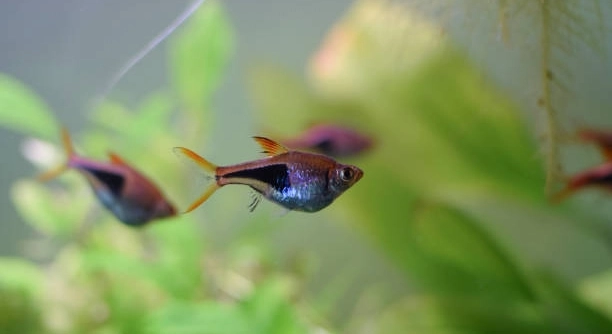
Are your rasboras swimming nervously or hiding more than usual? These small, peaceful fish are often sensitive to changes in their environment, and even subtle movements outside the tank can influence their behavior and comfort levels.
Rasboras are indeed affected by outside movement, as they are naturally cautious and respond to visual stimuli. Sudden motions, shadows, or vibrations near the tank can trigger stress responses, causing them to hide, swim erratically, or cluster together for safety.
Understanding how these reactions occur can help you create a calmer, more stable environment for your rasboras, ensuring they thrive and exhibit natural behaviors in your aquarium.
How Rasboras React to Movement
Rasboras are small and sensitive fish that notice even minor changes around them. When people move near the tank, they may dart quickly or swim in tight groups. Bright flashes or sudden shadows often make them pause or hide behind decorations. Over time, frequent disturbances can lead to constant stress. Stress can weaken their immune system, making them more prone to illness. Even vibrations from walking or tapping on the glass can cause visible reactions. Observing their behavior closely helps you understand what triggers discomfort. Calm, consistent movements around the tank reduce stress. Positioning the aquarium in a low-traffic area can make a big difference. Some rasboras gradually adapt to regular activity, but extreme or sudden changes still startle them. Offering hiding spots like plants and rocks helps them feel secure. Proper water conditions combined with minimal disturbance support healthy, natural behaviors, letting them swim and interact comfortably without unnecessary fear or tension.
Rasboras respond quickly to movement, showing stress by hiding, swimming frantically, or clustering together, even with small disturbances.
Providing a stable environment is crucial for their well-being. Observing daily patterns allows you to notice subtle signs of stress. By arranging hiding areas and keeping the surroundings calm, you support their natural behavior. Some rasboras may adjust over time, but minimizing sudden motions and shadows consistently is the best way to maintain a peaceful tank.
Tips for Minimizing Stress
Keeping movement around the tank gentle and predictable helps rasboras feel safe. Even small adjustments to lighting and placement reduce anxiety.
Ensuring a calm environment starts with tank placement and consistent routines. Avoid areas with heavy foot traffic or constant visual distractions. Decorating with live or artificial plants, rocks, and shelters provides security and mimics their natural habitat. Regular feeding times and careful maintenance reduce sudden disturbances. When handling the tank, move slowly to prevent startling them. Observing behavior daily helps identify stress triggers, allowing adjustments before problems escalate. Consistency in water temperature, filtration, and light cycles also supports their comfort. By combining environmental stability with thoughtful observation, you encourage natural swimming patterns and interactions. Healthy rasboras display active, confident movements, exploring the tank without fear. Attention to these small details ensures they remain vibrant and stress-free, creating a visually pleasing and peaceful aquarium that benefits both the fish and your care routine.
Recognizing Stress Signals
Rasboras show stress through quick darting, hiding, or clumping together. Changes in swimming patterns or loss of appetite also indicate discomfort. Noticing these early prevents long-term health issues and helps maintain a peaceful tank environment for them.
Visible signs include rapid fin movement, erratic swimming, and constant hiding behind plants or decorations. Stressed rasboras may avoid open areas or interact less with other fish. Over time, these behaviors can affect their growth and immune response. Stress often appears after sudden movements near the tank or changes in lighting and water conditions. By observing daily routines, you can identify triggers and adjust the environment accordingly. Maintaining consistent water temperature, gentle filtration, and secure hiding spots reduces stress significantly.
Behavioral changes are subtle but important. Even slight deviations in swimming, feeding, or interaction patterns indicate that the fish is uneasy. Creating a stable environment with minimal sudden movements, proper hiding spaces, and consistent care routines supports their natural habits. Avoid tapping or shaking the tank, as even small disturbances cause noticeable reactions. Calm surroundings encourage rasboras to explore freely and exhibit normal social behaviors, improving overall well-being.
Environmental Adjustments for Comfort
Strategic tank placement and thoughtful decoration reduce stress. Plants, rocks, and shaded areas give rasboras places to retreat and feel secure from outside movement.
Choosing the right spot for the tank prevents frequent disturbances. Positioning it away from doors, windows, or busy walkways limits shadows and vibrations. Adding tall plants and natural hiding spaces allows rasboras to escape perceived threats. Adjusting lighting to be soft and consistent minimizes sudden glare. Regularly checking water quality and maintaining stable conditions supports their health and behavior. Even small changes in tank layout or maintenance routines should be introduced gradually to prevent startling them. Observing their reactions after adjustments helps refine the setup. Over time, these environmental strategies create a calm, stress-free habitat, allowing rasboras to swim confidently, interact naturally, and thrive in a secure setting.
Reducing Visual Disturbances
Rasboras are sensitive to sudden movements and shadows outside the tank. Placing the aquarium in a low-traffic area reduces stress. Curtains or screens can help block distracting reflections or passing activity that might startle them unexpectedly.
Even subtle gestures near the tank can trigger anxiety. Limiting rapid movements or changes in lighting ensures a calmer environment. Consistent surroundings let rasboras explore comfortably without frequent hiding or erratic swimming.
The Role of Hiding Spots
Providing plants, rocks, and decorations allows rasboras to retreat when they feel threatened. Adequate hiding areas reduce stress, encourage natural behavior, and support social interaction. Dense foliage and shaded corners mimic their natural habitat and offer a sense of safety that keeps them calm.
Consistent Feeding Routines
Regular feeding times help rasboras feel secure. Predictable schedules reduce stress and encourage normal swimming and social patterns in the aquarium.
FAQ
How can I tell if my rasboras are stressed by outside movement?
Signs of stress include hiding frequently, darting suddenly, clustering tightly, or showing erratic swimming patterns. Loss of appetite or faded coloration can also indicate discomfort. Observing them daily helps you notice subtle changes and identify when outside movements or environmental factors are causing stress.
Are some types of rasboras more sensitive than others?
Yes, smaller and more delicate species like the Harlequin Rasbora tend to react more noticeably to outside disturbances. While most rasboras are cautious, some tolerate movement better over time. Providing hiding spots and consistent conditions helps even the more sensitive species feel secure and reduce stress reactions.
Can lighting changes affect my rasboras’ stress levels?
Sudden shifts in lighting, such as bright sunlight or flickering artificial lights, can startle rasboras. Soft, consistent lighting is ideal. Gradually adjusting brightness when necessary allows them to adapt without becoming anxious. Natural shading from plants or aquarium décor also helps diffuse light and provide comfort.
Will frequent tank tapping or vibration harm my rasboras?
Repeated tapping or vibrations can trigger stress responses and may impact their long-term health. Even mild vibrations can make them hide or swim erratically. Minimizing contact with the tank and avoiding sudden knocks protects their behavior and well-being. Observing their reactions ensures the environment remains calm.
Do rasboras adapt to household activity over time?
Yes, with consistent exposure, rasboras can gradually become accustomed to regular movement around the tank. However, extreme or sudden changes can still cause stress. Maintaining a stable environment with minimal disturbances accelerates this adaptation, while providing hiding spaces allows them to retreat when needed.
How important are hiding spots for reducing stress?
Hiding spots are essential. Dense plants, rocks, and shaded areas give rasboras safe spaces to retreat from perceived threats. These areas mimic natural habitats and help them regulate their stress levels. Without adequate shelters, even minor outside movements can trigger anxiety, affecting their health and behavior.
Is tank placement a factor in their comfort?
Absolutely. Positioning the aquarium away from high-traffic areas, doorways, or windows reduces sudden visual and vibrational disturbances. Choosing a calm location allows rasboras to explore and interact naturally, while screens or curtains can block reflections and passing activity, further lowering stress levels.
Can I use tank mates to reduce stress from outside movement?
Yes, keeping rasboras in groups or with compatible peaceful fish helps them feel secure. Schooling behavior provides comfort and confidence, making them less reactive to outside disturbances. Avoid aggressive or large fish, as they can increase stress instead of providing reassurance.
How do water conditions affect their response to movement?
Stable water temperature, proper filtration, and regular maintenance reduce overall stress. Rasboras already stressed by environmental disturbances are more vulnerable to illness. Consistent water conditions support natural behavior, so even if outside movement occurs, they remain calmer and healthier.
What immediate steps can I take if my rasboras are stressed?
Slow movements around the tank, adding extra hiding spaces, and reducing sudden lighting changes help immediately. Monitoring water quality and avoiding unnecessary disturbances ensures they recover quickly. Observing their behavior lets you adjust routines and environment to prevent future stress.
Can decorations and plants really make a big difference?
Yes, thoughtful tank décor creates security and reduces reactions to outside movement. Tall plants, dense foliage, and rocks provide retreats and shaded areas. These additions not only improve visual appeal but also create a stress-free environment where rasboras can swim, school, and feed comfortably.
Should I handle the tank differently during cleaning?
Always move slowly and avoid sudden splashes or banging. Cleaning in stages, keeping water conditions stable, and minimizing disruptions ensures rasboras remain calm. Using gentle motions around the tank allows them to stay confident while you maintain the aquarium effectively.
Are there signs that indicate permanent stress issues?
Chronic hiding, loss of color, frequent erratic swimming, or illness can indicate long-term stress. Consistently high stress affects health and lifespan. Adjusting environment, lighting, placement, and routines is crucial to prevent permanent behavioral and physiological problems in your rasboras.
Can feeding routines influence how they respond to outside movement?
Yes, predictable feeding schedules create a sense of security. Rasboras become more confident when they know when food will appear. Sudden disturbances are less impactful when their environment, including feeding times, remains consistent, helping them maintain natural behaviors and reduce anxiety.
How can I gradually acclimate them to household activity?
Introduce small, controlled movements around the tank, allowing them to observe without stress. Slowly increase exposure over days or weeks while monitoring behavior. Maintaining consistent hiding spots, lighting, and water conditions during this period helps them adapt and feel secure in a more active household.
Is it normal for rasboras to hide even with minimal movement?
Yes, occasional hiding is natural, especially in shy or new fish. However, frequent or prolonged hiding indicates stress. Assess the environment for visual disturbances, tank placement, or inadequate hiding areas. Adjusting these factors often helps them feel safe and encourages natural swimming patterns.
Do water plants alone reduce stress from outside movement?
Plants provide cover and mimic natural habitats, which helps rasboras feel secure. While they don’t eliminate all stress, dense foliage and tall plants allow fish to retreat and regulate their comfort level effectively when exposed to outside movement or sudden changes.
How can I tell if my rasboras are gradually adapting?
Indicators of adaptation include normal swimming patterns, reduced hiding, confident schooling, and regular feeding. They become less reactive to subtle movements or shadows outside the tank. Continuous observation and maintaining stable environmental conditions help confirm their growing comfort and security.
Are there specific tank accessories that help reduce stress?
Yes, shelters like caves, floating plants, and background décor reduce anxiety. Soft lighting, gentle filtration, and secure substrate also contribute to a calmer environment. Accessories should provide hiding spaces without overcrowding, allowing rasboras to move freely while feeling safe and protected.
Can stress from outside movement impact breeding?
High stress levels can interfere with natural breeding behaviors. Rasboras may avoid open areas, eat less, or show reduced courtship activity. Providing calm conditions, hiding spots, and minimal disturbances increases the likelihood of healthy, successful breeding in a secure environment.
Do rasboras ever completely stop reacting to outside movement?
Some adapt significantly over time, showing minimal response to regular household activity. However, sudden, extreme changes can still trigger stress. Continuous observation, stable conditions, and adequate hiding spots ensure they remain comfortable and resilient without constant anxiety.
Is there a long-term strategy to keep rasboras stress-free?
Yes, consistent environment, proper tank placement, predictable routines, adequate hiding spaces, gentle lighting, and careful handling form a long-term strategy. Observing behavior and making gradual adjustments maintain a calm, natural habitat, allowing rasboras to thrive, swim confidently, and interact normally over time.
Final Thoughts
Rasboras are delicate fish that respond noticeably to their environment. Even small movements, shadows, or vibrations outside the tank can trigger stress. Observing their daily behavior is important to understand what causes discomfort. Stress may show through hiding, darting, clumping together, or loss of appetite. These behaviors are natural responses but can impact their overall health if frequent. Consistent observation allows you to identify triggers and take steps to reduce them. Positioning the aquarium in a calm area and minimizing sudden motions around it helps create a stable environment. Over time, rasboras can adjust to regular household activity, but unexpected or intense disturbances may still startle them. Providing sufficient hiding spots like plants, rocks, or decorations gives them options to retreat and feel secure, which is essential for their mental and physical well-being.
Water quality and tank conditions are equally important in reducing stress. Stable water temperature, proper filtration, and regular maintenance support healthy behaviors and strengthen their immune systems. Even when outside movement is minimized, poor water conditions can increase stress responses and make the fish more vulnerable to illness. Consistent feeding routines help rasboras feel secure and encourage natural swimming and social patterns. Observing their interactions during feeding and throughout the day gives insight into how comfortable they are in their environment. Adding decorations or plants not only enhances the visual appeal of the tank but also provides physical barriers and shaded areas that mimic their natural habitat. These measures contribute to calmer behavior, allowing rasboras to explore, swim, and interact confidently. A stable environment combined with thoughtful care ensures that these fish thrive and maintain normal activity, even when occasional household movements occur.
Creating a stress-free environment for rasboras requires attention to both their physical and psychological needs. Gradual acclimation to daily household activity helps them adapt without becoming anxious. Avoid tapping the tank or making sudden gestures nearby, and maintain consistent lighting to reduce sudden shocks. Ensuring multiple hiding spaces and shaded areas gives them control over their surroundings and allows them to retreat when needed. Over time, rasboras will display more confident swimming and social behaviors, reflecting a secure and stable habitat. The balance of consistent routines, careful handling, proper tank placement, and environmental enrichment supports their overall health and long-term well-being. By combining these strategies, you provide a calm, natural setting where rasboras can live comfortably, exhibit natural behaviors, and remain resilient to minor disturbances outside the tank. Proper care and observation are key to fostering a peaceful aquarium environment that benefits both the fish and the aquarium’s overall harmony.

Hello,
If you enjoy the content that we create, please consider saying a "Thank You!" by leaving a tip.
Every little bit helps us continue crafting quality advice that supports the health, happiness, and well-being of pets around the world, for pets of all shapes, sizes, and species.
We really appreciate the kindness and support that you show us!