
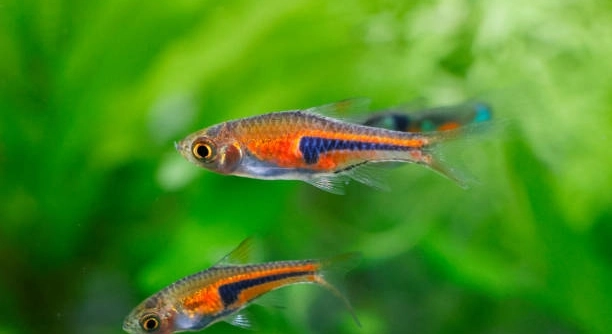
Do you enjoy keeping aquariums and observing your fish as they swim gracefully through the water? Rasboras are popular among hobbyists for their lively behavior and striking colors, often adding charm to a well-maintained tank environment.
Rasboras do not typically sleep on the bottom of the tank. They usually rest in the middle or upper sections of the water column, occasionally hovering near plants or decorations, but rarely settle directly on the substrate during sleep periods.
Learning about their resting habits can improve tank setups and ensure a healthier environment for these small, active fish. Proper care helps maintain their natural behavior and well-being.
Why Rasboras Prefer Higher Water Levels
Rasboras are naturally mid- to upper-level swimmers. In their native habitats, they spend most of their time in open water rather than near the bottom. This behavior helps them avoid predators and stay near food sources like small insects or plankton. Even in a home aquarium, they maintain these instincts. I often notice my rasboras resting among plants or floating near the water surface during the evening. Providing ample hiding spots and live or artificial plants allows them to feel secure while staying off the tank bottom. Stress, poor water quality, or sudden changes in their environment can occasionally push them lower, but this is not their usual behavior. Observing where they rest can give insight into their comfort and health. Maintaining stable conditions, moderate lighting, and gentle water flow encourages them to behave naturally, staying in the water column and displaying their characteristic schooling patterns.
Rasboras rarely rest on the substrate unless something is wrong with the tank environment.
When rasboras sleep, they hover quietly in the middle or upper sections of the tank, often near plants or decorations that offer a sense of security. They may drift slightly with the water current, appearing almost suspended. Unlike bottom-dwelling fish, their fins remain tucked, and movement is minimal. Watching them during these resting periods reveals their calm and peaceful nature. Proper tank lighting, temperature, and water quality help maintain this behavior. Keeping the substrate clean and free of debris also prevents unnecessary stress, ensuring they remain in their preferred zones. By understanding these natural habits, aquarium owners can create an environment that respects their instincts, encouraging normal resting patterns. In my experience, rasboras that are comfortable in their tank rarely venture to the bottom, demonstrating the importance of habitat setup and consistent care for their health and well-being.
Signs Something Might Be Wrong
If rasboras do spend time on the bottom, it can indicate stress or illness.
Common causes include poor water quality, incorrect temperature, or insufficient oxygen levels. Parasites or injury may also make them seek shelter on the substrate. Observing behavior alongside other indicators, such as loss of appetite or unusual coloration, is crucial. Quick corrective actions often restore normal behavior, keeping the fish healthy and active. Ensuring a well-maintained tank prevents repeated bottom-dwelling and promotes natural activity.
Stress in rasboras often results from rapid changes in the tank environment, such as sudden temperature shifts, overcrowding, or aggressive tank mates. Poor water quality, including high ammonia, nitrite, or nitrate levels, can also push them toward the substrate, as they attempt to avoid discomfort. Illness or physical injury may force them to rest lower than usual, seeking stability on the bottom. Monitoring water parameters regularly and maintaining a clean, balanced tank reduces these risks. Observing their swimming patterns, appetite, and coloration can help detect problems early. Providing hiding places and gentle water flow supports a secure environment, allowing rasboras to remain in their preferred mid- and upper-level zones. By addressing environmental factors promptly, it is possible to prevent abnormal bottom-dwelling behavior and ensure the fish maintain their natural, active, and healthy state.
How Tank Setup Affects Rasboras
Tank setup directly influences where rasboras choose to rest. Plants, decorations, and hiding spots in the middle and upper sections encourage them to stay off the bottom. Uneven lighting or lack of cover can make them stressed and hover lower in the tank.
A well-planted tank with open swimming areas allows rasboras to move freely and rest naturally. Floating plants or tall decorations give them places to feel secure without touching the substrate. Water flow should be gentle, as strong currents can push them toward the bottom. Substrate type also matters; smooth gravel or sand prevents injuries if they occasionally touch the bottom, but soft substrates are preferable to avoid stress. Observing how they interact with the environment helps fine-tune tank design and ensures their comfort. In my experience, subtle changes like adding a few more plants or adjusting lighting significantly affect their resting positions.
Lighting schedules and temperature consistency are critical for maintaining natural behavior. Rasboras are sensitive to sudden changes in brightness or heat, which can force them downward. Overcrowding also encourages bottom-dwelling, as fish compete for space and feel unsafe. Monitoring their behavior daily allows for quick adjustments to water flow, decorations, or tank mates. Ensuring a stable, comfortable environment helps rasboras remain active, schooling, and resting in their preferred mid- to upper-level zones, which is essential for their health and well-being.
Feeding Habits and Resting Locations
Rasboras’ feeding habits influence where they spend time in the tank. They tend to stay near the water column where food is delivered rather than the bottom. Uneaten food on the substrate can attract them temporarily, but this is not typical.
Most rasboras prefer small, frequent meals, which they chase in the upper or mid-level water. They rarely forage along the substrate like bottom feeders. Providing appropriate floating or sinking food ensures they feed comfortably without lingering near the bottom. Overfeeding can lead to leftover food settling on the substrate, which may briefly draw them down. Observing their swimming patterns during feeding helps adjust portion sizes and distribution. I’ve noticed that feeding in multiple spots encourages natural movement and keeps them off the tank bottom. Proper feeding schedules combined with balanced nutrition maintain both their energy and preferred resting behavior.
Water Quality and Resting Behavior
Clean water is essential for rasboras to rest properly. Poor water conditions can make them stressed, forcing them to linger near the bottom. Regular water changes and testing help maintain the right environment and promote natural resting behavior.
High ammonia, nitrite, or nitrate levels can disrupt normal activity. Rasboras are sensitive to chemical imbalances, which often result in unusual swimming patterns. Maintaining consistent water temperature, pH, and filtration prevents them from staying near the substrate. I’ve observed that small, frequent water changes and careful monitoring keep my rasboras comfortable and resting in the mid- to upper-level areas, reflecting their natural habits.
Tank Mates and Their Influence
Aggressive or large tank mates can push rasboras downward. Peaceful schooling fish and compatible species encourage normal swimming and resting positions. Proper selection reduces stress and supports their well-being.
Observation Tips
Watching rasboras at different times helps identify their normal resting spots. Note patterns and deviations to maintain their comfort and health.
Do Rasboras Sleep at the Bottom of the Tank?
Rasboras generally do not sleep on the bottom. They prefer the middle or upper areas of the water column. Occasionally, if the tank conditions are poor or they feel stressed, they may hover near the substrate, but this is not typical behavior. Proper tank maintenance and stable conditions encourage normal resting patterns.
Why Do Some Rasboras Rest on the Bottom Sometimes?
When rasboras appear on the bottom, it often signals stress or discomfort. Factors like poor water quality, sudden temperature changes, overcrowding, or illness can push them downward. Monitoring water parameters and observing their behavior helps identify the cause. Addressing these issues usually restores their natural mid- and upper-level resting habits.
Can Tank Setup Affect Where Rasboras Rest?
Yes. A well-planted tank with floating or tall decorations encourages rasboras to stay in the water column. Lack of cover, strong currents, or insufficient space can stress them and make them linger near the bottom. I’ve noticed small adjustments like adding a few plants can significantly change where they rest.
Does Feeding Influence Their Resting Location?
Feeding habits do affect their position. Rasboras usually stay near the middle or upper areas while searching for food. Uneaten food on the substrate may briefly attract them downward, but this is temporary. Feeding small portions in multiple spots encourages natural movement and keeps them off the bottom.
How Does Water Quality Impact Their Behavior?
Water quality is crucial. High ammonia, nitrite, or nitrate levels can make rasboras stressed and stay near the substrate. Maintaining stable pH, temperature, and clean water helps them rest naturally in mid- to upper-level areas. Regular testing and partial water changes prevent these issues and support overall health.
Do Tank Mates Affect Where Rasboras Rest?
Yes, other fish influence their behavior. Aggressive or larger species can intimidate rasboras, pushing them toward the bottom. Peaceful schooling fish and compatible species reduce stress, allowing rasboras to maintain their preferred resting areas. Observing interactions helps ensure the tank environment stays balanced.
Can Lighting Impact Rasboras’ Sleeping Habits?
Lighting plays a role in their comfort. Bright or sudden lighting changes may make rasboras hide lower in the tank. Gradual lighting schedules and shaded areas encourage them to rest naturally. I’ve found that consistent, gentle light helps them remain calm and maintain normal patterns.
Is Overcrowding a Problem for Rasboras?
Overcrowding increases stress, causing them to rest lower or behave unusually. Providing enough space for swimming and hiding supports their natural behavior. Proper stocking density and thoughtful tank arrangement keep them comfortable and reduce unnecessary bottom-dwelling tendencies.
How Can I Encourage My Rasboras to Rest Naturally?
Ensure clean water, stable temperature, and gentle lighting. Add plants or decorations for security. Feed in small, consistent portions and avoid aggressive tank mates. Monitoring their behavior regularly allows adjustments to maintain a calm, natural environment. Small changes in setup often improve resting positions significantly.
What Should I Do If Rasboras Stay on the Bottom Constantly?
Persistent bottom-dwelling indicates stress, illness, or poor water conditions. Test water parameters, check for signs of disease, and ensure proper tank setup. Correcting environmental factors and providing hiding spots usually restores normal behavior. Immediate action is important to prevent long-term health issues.
Can Rasboras Adapt to Sleeping Near the Bottom?
They may temporarily adapt if stressed or ill, but this is not ideal. Long-term bottom resting can indicate ongoing issues. Maintaining proper conditions and reducing stressors helps them return to their natural mid- and upper-level resting habits, supporting both health and well-being.
How Often Should I Observe Their Resting Behavior?
Daily observation is helpful. Noting normal patterns versus unusual behavior can reveal stress, illness, or environmental problems early. I usually watch my rasboras at different times of day to ensure they are resting properly and interacting comfortably with their surroundings.
Do Substrate Types Matter for Rasboras?
Yes. Smooth gravel or soft sand prevents injuries if they occasionally touch the bottom. While they do not typically rest on the substrate, a safe, soft base reduces stress and supports comfort. Observing how they interact with the tank floor can guide substrate choices.
Are There Signs That Rasboras Are Comfortable in Their Tank?
Comfortable rasboras rest in mid- to upper-level areas, swim actively, and maintain normal coloration. They interact calmly with tank mates and feed without hesitation. If they rarely touch the substrate and show natural schooling behavior, it usually indicates a healthy, secure environment.
Can Water Flow Affect Where Rasboras Rest?
Strong currents can push rasboras downward, making them hover near the bottom. Gentle, consistent flow allows them to swim naturally and rest comfortably. I’ve adjusted flow in my tank multiple times and observed significant improvement in their resting positions, reflecting their natural preferences.
How Important Are Plants for Resting Behavior?
Plants provide security and comfort. Floating or tall plants give hiding spaces while keeping them off the bottom. Adding more cover often improves resting habits and reduces stress. Observing their preferred spots around plants helps optimize tank arrangement for their well-being.
Does Temperature Stability Matter?
Absolutely. Sudden temperature fluctuations stress rasboras, pushing them downward. Consistent, appropriate water temperature ensures natural resting patterns. Using a reliable heater and thermometer prevents irregular behavior, supporting both their comfort and overall health.
Can Disease Affect Sleeping Locations?
Yes. Illness can make rasboras stay near the bottom or appear lethargic. Signs like clamped fins, unusual spots, or loss of appetite often accompany abnormal resting behavior. Addressing health issues promptly restores normal activity and comfort.
Are Young Rasboras Different From Adults in Resting Behavior?
Juveniles may explore more and occasionally touch the substrate, but adults consistently prefer the middle and upper water levels. Providing a safe environment for all ages supports natural resting habits and healthy development. Observing age-specific behavior helps maintain appropriate care routines.
Is Consistent Care the Key to Natural Resting Patterns?
Yes. Regular maintenance, monitoring water quality, feeding schedules, and attention to tank mates and environment ensure rasboras rest where they naturally prefer. Consistency reduces stress and promotes healthy, comfortable behavior in the aquarium. Small, thoughtful actions have a noticeable impact on their well-being.
Rasboras are small, active fish that display unique behaviors, especially when it comes to resting. Unlike bottom-dwelling species, they typically sleep in the middle or upper parts of the tank. This behavior reflects their natural instincts to avoid predators and stay near available food sources. In a home aquarium, this pattern continues, showing that even in captivity, their resting habits remain consistent with their wild behavior. Observing rasboras over time allows you to notice when they are comfortable and when something may be causing stress. Their preference for mid- and upper-level areas is a helpful guide for tank setup and general care.
Tank conditions play a major role in how rasboras behave, including where they choose to rest. Clean water, stable temperature, and consistent lighting all contribute to their comfort and well-being. Stress from poor water quality, overcrowding, or aggressive tank mates can force them downward, but these are signs that adjustments are needed. Providing plants, decorations, and gentle water flow creates a secure environment, allowing them to maintain their natural resting patterns. Feeding habits also influence behavior, as rasboras generally remain in mid- and upper-level zones while searching for food. Small, consistent meals and careful placement of food encourage normal movement and reduce the likelihood of lingering near the substrate.
Monitoring rasboras closely helps maintain a healthy and balanced tank environment. Observing their swimming patterns, interactions with tank mates, and resting locations can reveal whether adjustments are necessary. Even small changes in tank setup or water maintenance can significantly improve their comfort. Understanding their natural behavior ensures that they remain active, healthy, and stress-free. By providing proper care and attention, rasboras can thrive in an aquarium while maintaining their instinctual habits, including their tendency to avoid sleeping on the bottom. A well-maintained tank, thoughtful arrangement, and consistent observation all contribute to their long-term health and natural behavior patterns.

Hello,
If you enjoy the content that we create, please consider saying a "Thank You!" by leaving a tip.
Every little bit helps us continue crafting quality advice that supports the health, happiness, and well-being of pets around the world, for pets of all shapes, sizes, and species.
We really appreciate the kindness and support that you show us!