
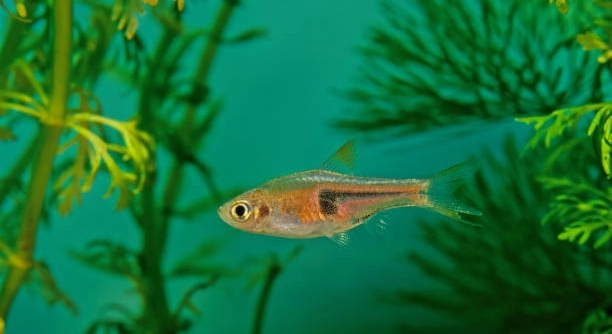
Many fish enthusiasts enjoy keeping rasboras in their aquariums, admiring their graceful movements and bright colors. Observing these tiny creatures over time often raises questions about how long they live and how they age naturally.
Rasboras typically have a lifespan of two to five years, depending on species, environment, and care. Factors such as water quality, diet, and stress levels play significant roles in their longevity and aging process.
Learning about these aspects can help ensure rasboras remain healthy and vibrant. The following facts provide essential insights into their lifespan and aging patterns.
Typical Lifespan of Rasboras
Most common rasbora species live between two and five years in captivity. Smaller species, like the Harlequin Rasbora, tend to reach around three years, while larger varieties, such as the Scissortail Rasbora, can sometimes live up to five years. Their lifespan largely depends on the environment they are kept in, including water conditions, temperature, and tank size. Proper nutrition is also crucial; a balanced diet with high-quality flakes, pellets, and occasional live or frozen foods can support healthy growth and extend life expectancy. Stress factors, such as overcrowding, aggressive tank mates, and sudden changes in water chemistry, can shorten lifespan significantly. Monitoring behavior and maintaining consistent care routines will help rasboras thrive. Even subtle differences in care can impact their overall health. Understanding these needs allows aquarists to provide conditions that mimic their natural habitats, giving rasboras the best chance to live out their full lifespan while remaining active and colorful in the aquarium.
Smaller rasboras often have shorter lifespans, while larger species may live longer with proper care and consistent conditions.
Maintaining optimal water quality is one of the most effective ways to support a rasbora’s longevity. Regular water changes, stable temperatures, and appropriate filtration reduce stress and disease risk. Diet and tank size also influence health, as overcrowding can increase susceptibility to illness. Observing fish for signs of fatigue or color fading allows early intervention. Combining these care practices ensures rasboras not only live longer but remain vibrant and active throughout their lives, offering both visual appeal and a fulfilling aquarium experience.
Signs of Aging in Rasboras
Rasboras show subtle changes as they age, often noticeable in behavior and appearance.
Older rasboras may swim more slowly and spend more time near the bottom of the tank. Their colors can fade gradually, and fins may show slight wear or fraying. Appetite changes are also common, with older fish sometimes eating less than younger counterparts. These signs indicate normal aging rather than illness, though regular observation is essential to distinguish between the two. Tank conditions and diet quality continue to play a significant role in minimizing stress and promoting overall health during aging.
Over time, physical changes become more pronounced, reflecting the natural progression of their lifespan. Eyes may appear slightly cloudy, and scales can lose some of their iridescence. Maintaining water parameters, reducing stress, and providing a nutrient-rich diet can help older rasboras remain active. Avoiding sudden environmental changes or aggressive tank mates ensures their remaining years are comfortable. Even subtle attention to diet, such as including occasional live foods, can support energy levels and slow visible signs of aging. Keeping an eye on behavior patterns allows early detection of potential health issues, ensuring that aging rasboras continue to thrive. Adjustments to tank setup, such as adding gentle water flow and providing hiding spots, further enhance their well-being and longevity.
Environmental Factors Affecting Lifespan
Water quality, temperature, and tank size directly influence rasboras’ health and lifespan. Poor conditions can cause stress, disease, and shorter lives. Consistent monitoring is essential to maintain a stable and safe environment for these small fish.
Maintaining clean water with stable temperature and appropriate pH levels supports long-term health. Overcrowding should be avoided, as it increases stress and aggression. Providing a well-planted tank with hiding spaces mimics natural habitats, allowing rasboras to feel secure. Regular water changes, proper filtration, and careful observation of behavior help prevent disease outbreaks, keeping the fish active and vibrant.
Diet also interacts with environmental factors. Proper nutrition helps rasboras resist stress caused by minor fluctuations in water conditions. Neglecting water quality or feeding routines can weaken their immune system, making them more prone to illness. Attention to these details ensures they remain healthy, active, and visually appealing in the aquarium. Balancing tank conditions with quality feeding routines is key to supporting both their longevity and overall well-being.
Breeding and Its Impact on Aging
Breeding can affect rasboras’ lifespan by placing physical demands on the fish, especially females. Frequent spawning may reduce their longevity if not managed carefully.
During breeding, females expend significant energy producing eggs, which can weaken their bodies over time. Stress from frequent breeding cycles may lower immunity, making them more susceptible to disease. Males may also experience fatigue from constant courtship behaviors. Separating breeding pairs and providing optimal nutrition and clean conditions can mitigate these effects, helping maintain overall health. Breeding in a controlled, low-stress environment reduces negative impacts and supports healthier, longer-lived fish.
Proper planning for breeding cycles ensures both males and females maintain energy and vitality. Offering protein-rich foods and stable water conditions supports recovery after spawning. Monitoring for signs of stress, such as lethargy or decreased appetite, allows timely intervention. Limiting the frequency of breeding events prevents premature aging and preserves coloration, fin health, and activity levels. With careful attention, breeding rasboras can remain robust, healthy, and visually appealing, maintaining their natural behaviors without compromising longevity.
Common Health Issues in Aging Rasboras
Older rasboras are prone to minor health problems like fin wear, faded colors, and slower swimming. Stress and poor water quality can make these issues more noticeable and affect overall activity.
Digestive problems and mild infections may appear in aging fish. Monitoring diet and maintaining clean water helps prevent these conditions and supports longer, healthier lives.
Preventive Care for Longevity
Regular water changes, balanced feeding, and avoiding overcrowding are essential to extend rasboras’ lifespan. Keeping consistent tank conditions minimizes stress and reduces the risk of disease. Regular observation allows early detection of issues, helping maintain overall health and vitality.
Role of Diet in Aging
High-quality food rich in nutrients supports healthy growth and helps older rasboras maintain energy. Proper feeding routines contribute to longer lifespan and stronger immune systems.
How long do rasboras typically live in home aquariums?
Rasboras usually live between two and five years, depending on species and care. Smaller species like Harlequin Rasboras often reach around three years, while larger types, such as Scissortail Rasboras, can sometimes live up to five years. Proper tank conditions, diet, and stress management are essential for reaching their full lifespan.
What signs indicate that a rasbora is aging?
Aging rasboras often swim more slowly and spend time near the bottom of the tank. Their colors may fade gradually, and fins might show minor wear or fraying. Appetite can decrease slightly. These are normal signs of aging rather than illness, though monitoring behavior is important to rule out health issues.
Can water quality affect a rasbora’s lifespan?
Yes, poor water quality can significantly shorten a rasbora’s lifespan. Stable temperature, proper pH, and regular water changes are crucial. Overcrowding and sudden water parameter changes create stress, weakening their immune system and increasing susceptibility to disease. A clean and stable environment promotes longevity.
Does diet impact how long rasboras live?
A balanced diet directly influences lifespan. Providing high-quality flakes or pellets with occasional live or frozen foods ensures proper nutrition. Neglecting diet or offering low-quality food can weaken their health, making them more prone to illness and shortening their life expectancy. Regular feeding schedules support steady growth and energy levels.
How does breeding affect aging in rasboras?
Breeding places physical demands on rasboras, particularly females. Frequent spawning can reduce lifespan due to energy expenditure and stress. Males may also experience fatigue from continuous courtship. Separating breeding pairs, offering protein-rich food, and maintaining clean, stable water can reduce negative impacts on health and longevity.
What are common health issues in older rasboras?
Aging rasboras may develop faded colors, fin fraying, slower swimming, and mild digestive problems. These issues often worsen with poor water conditions or stress. Regular observation, clean water, and a balanced diet help minimize problems. Early detection of minor health changes allows timely interventions to maintain overall vitality.
Can tank size influence rasbora lifespan?
Yes, tank size plays a key role. Overcrowding increases stress and aggression, which can shorten lifespan. A spacious, well-planted tank with hiding spots reduces stress and encourages natural behaviors. Adequate space also improves water quality management, contributing to healthier and longer-lived fish.
How can I prevent disease in aging rasboras?
Regular water changes, stable temperature, and balanced feeding are essential. Avoid overcrowding and monitor for early signs of illness, such as lethargy, faded colors, or unusual swimming patterns. Prompt attention to these factors helps prevent infections and maintains the overall health of aging rasboras.
Do rasboras require special care as they age?
Older rasboras benefit from gentle water flow, safe hiding spaces, and high-quality food. Reducing stressors and maintaining consistent tank conditions helps them stay active. Monitoring behavior and appetite ensures timely adjustments in care, supporting longer lifespan and healthier aging.
Are there environmental changes that can extend their lifespan?
Maintaining stable water parameters, proper lighting, and a clean tank environment extends lifespan. Avoiding sudden changes and providing enrichment, such as plants and gentle currents, reduces stress. Combined with good diet and regular observation, these practices help rasboras remain healthy and active throughout their life.
What role does stress play in aging?
Stress accelerates aging and increases susceptibility to disease. Factors like aggressive tank mates, overcrowding, or sudden environmental changes weaken immune systems. Minimizing stress through careful tank management, proper diet, and adequate hiding spaces supports longer, healthier lives for rasboras.
Is it normal for older rasboras to be less active?
Yes, decreased activity is typical with age. Swimming may slow, and fish may spend more time resting. Monitoring for sudden or extreme changes in behavior is important, as this can indicate illness rather than normal aging. Adjusting tank conditions and diet can help maintain energy levels.
How can I tell if my rasbora is unhealthy versus just aging?
Signs like rapid color fading, erratic swimming, or loss of appetite suggest illness rather than normal aging. Regular observation, consistent water quality, and proper diet help distinguish between age-related changes and health issues, allowing timely intervention to maintain their well-being.
Do all rasbora species age at the same rate?
No, lifespan and aging patterns vary by species. Smaller species generally live shorter lives, while larger species can live longer. Environmental factors, diet, and care quality also influence aging rates, making attentive management essential for all species to reach their full potential lifespan.
Can supplements help aging rasboras?
Occasional high-quality supplements or live foods can boost nutrition and energy levels, supporting overall health. They are not a substitute for proper diet and care but can complement feeding routines, especially for older fish, helping them maintain vitality and coloration in later years.
How important is regular observation for aging rasboras?
Observation is crucial to detect subtle changes in behavior, color, and appetite. Early detection of health issues allows timely intervention. Monitoring ensures that adjustments in diet, water quality, or environment can be made to maintain the well-being and longevity of aging rasboras.
Are hiding spots necessary for older rasboras?
Yes, hiding spots reduce stress and provide security. Older rasboras are more vulnerable to aggressive tank mates and environmental changes. Plants, decorations, or small shelters help them feel safe, promoting relaxation and supporting overall health as they age.
How can tank mates affect rasbora lifespan?
Aggressive or territorial tank mates can cause stress, injury, or limit access to food. Choosing compatible, peaceful species reduces conflict, helps rasboras maintain activity levels, and minimizes stress-related health problems, contributing to a longer, healthier life.
Is there a difference between male and female aging?
Females may show faster signs of aging if they breed frequently, as egg production is physically demanding. Males may exhibit fatigue from constant courtship. Both benefit from proper nutrition, reduced stress, and stable tank conditions to support healthy aging.
Can seasonal changes impact lifespan in home aquariums?
Yes, abrupt seasonal changes in temperature or lighting can stress rasboras. Maintaining stable conditions year-round with controlled heating, cooling, and lighting reduces stress, preventing disease and supporting longer lifespan.
How often should water be changed to support longevity?
Regular partial water changes, typically 20-30% weekly, maintain water quality and reduce stress. Clean, stable water prevents illness, supports immune function, and helps aging rasboras remain active and healthy throughout their lifespan.
Caring for rasboras involves understanding both their physical needs and the factors that influence their lifespan. These small fish thrive when they are provided with stable water conditions, a balanced diet, and an environment that minimizes stress. Water quality is one of the most critical aspects of keeping rasboras healthy. Regular monitoring of pH levels, temperature, and cleanliness helps prevent common health issues that can shorten their lives. Maintaining a consistent environment reduces stress and allows these fish to display natural behaviors, swim actively, and retain their bright colors. Overcrowding or sudden changes in water parameters can have a significant impact, so it is important to provide ample space and gradual adjustments when needed. Plants, hiding spots, and gentle water flow contribute to a comfortable habitat that supports both young and aging fish.
Nutrition plays an equally important role in promoting a long and healthy life for rasboras. Feeding a mix of high-quality flakes or pellets, supplemented occasionally with live or frozen foods, ensures they receive the essential nutrients needed for growth, energy, and immune function. Neglecting diet or feeding low-quality food can weaken the immune system and make them more susceptible to stress and disease. Aging rasboras may require slightly softer or smaller foods to maintain proper intake, and observing their eating habits can help identify potential health concerns early. Careful attention to feeding routines, along with proper tank management, supports overall vitality and encourages older fish to remain active. By combining diet with a well-maintained habitat, owners can help ensure that rasboras live out their full potential lifespan while maintaining their natural beauty and energy.
Understanding the aging process in rasboras allows for more informed care decisions. Subtle changes in behavior, coloration, or activity are normal as these fish grow older, but consistent observation can help distinguish between natural aging and signs of illness. Providing controlled breeding cycles, adequate space, compatible tank mates, and enriched environments contributes to both their longevity and quality of life. Stress reduction and preventive care are key, as older fish are more sensitive to changes in their environment. By staying attentive to their needs and maintaining stable, supportive conditions, rasboras can enjoy healthy, active lives throughout their lifespan. Proper care not only ensures their well-being but also allows owners to enjoy the calming presence and vibrant colors of these small, graceful fish for many years.

Hello,
If you enjoy the content that we create, please consider saying a "Thank You!" by leaving a tip.
Every little bit helps us continue crafting quality advice that supports the health, happiness, and well-being of pets around the world, for pets of all shapes, sizes, and species.
We really appreciate the kindness and support that you show us!