
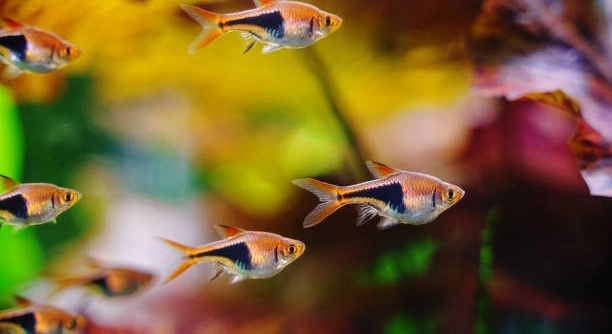
Are your rasboras swimming aimlessly instead of moving together as a coordinated school? Many hobbyists encounter this issue, which can affect the health and overall well-being of these small, social fish in home aquariums.
Improving rasbora schooling behavior involves providing proper tank size, maintaining stable water parameters, offering hiding spots, feeding a balanced diet, encouraging group interactions, minimizing stressors, and gradually acclimating new fish to their environment. Each factor plays a critical role in cohesion.
Understanding these steps can significantly enhance your aquarium’s harmony. Implementing the right conditions will help your rasboras display natural, synchronized schooling behavior consistently.
Ensure Adequate Tank Size
A properly sized tank is essential for rasboras to exhibit natural schooling behavior. Small tanks can cause stress and limit their movement, which often leads to erratic or isolated swimming patterns. Experts recommend keeping a minimum of 20 gallons for a small group of rasboras, with additional space added for more fish. Providing ample horizontal swimming space allows the school to spread out and coordinate movement naturally. It is also important to arrange the tank with open swimming areas while including some plants or decorations for occasional cover. A balanced environment reduces aggression, supports their social structure, and encourages healthy interactions among the fish. Overcrowding or insufficient space can lead to stress, illness, and decreased activity, making schooling difficult to achieve. Observing your fish regularly helps identify if the tank size meets their needs. Adjusting tank layout and stocking levels ensures that rasboras remain comfortable and display cohesive schooling patterns.
Proper tank size alone cannot guarantee ideal schooling, but it lays the foundation for healthy social behavior.
Monitoring water conditions, flow, and space distribution further supports their natural movements, enhancing cohesion within the school. Consistent observation helps detect early signs of stress or imbalance.
Maintain Stable Water Parameters
Stable water conditions are crucial for rasboras’ well-being. Sudden fluctuations in temperature, pH, or hardness can stress fish, disrupting schooling behavior and making them more prone to disease.
Rasboras thrive in water temperatures between 72°F and 78°F, with a pH range of 6.0 to 7.5. Regular testing and consistent water changes help maintain stability. Avoid sudden chemical additives or overfeeding, which can alter water quality. Filtration should be gentle to preserve a calm environment while ensuring proper oxygenation. Additionally, monitoring ammonia, nitrite, and nitrate levels prevents toxic buildup. Creating a stable habitat supports not only their physical health but also their social interactions. Stress-free fish are more likely to move together, forming tight schools and exhibiting synchronized swimming. Introducing new fish slowly and acclimating them properly prevents shocks to the system. A controlled environment allows rasboras to focus on natural behavior, strengthening cohesion and reducing erratic movements. Maintaining these parameters consistently ensures long-term harmony within the tank.
Provide Hiding Spots
Rasboras feel more secure when they have places to hide. Plants, rocks, and driftwood give them shelter, reducing stress and promoting natural schooling.
Adding dense vegetation or small caves allows rasboras to retreat when they feel threatened. These hiding spots mimic their natural environment, making them feel safe. Fish that feel secure tend to swim together more closely, showing coordinated behavior. Avoid overcrowding the tank with decorations, as open swimming areas are equally important. Strategic placement of plants and ornaments encourages movement and social interactions. By balancing cover and open space, you create a comfortable environment where rasboras can exhibit strong schooling patterns consistently.
Hiding spots also reduce aggression from other tank mates. Fish are less likely to isolate or dart nervously when they know safe zones exist. This contributes to overall tank harmony.
Feed a Balanced Diet
A nutritious diet supports both health and behavior in rasboras. Feeding high-quality flakes, pellets, and occasional live or frozen foods ensures they get the necessary proteins, vitamins, and minerals.
Overfeeding can lead to water quality issues, affecting both their health and schooling patterns. Offer small portions two to three times daily and remove uneaten food promptly. Varying their diet keeps them interested and active, encouraging coordinated swimming during feeding times. Live or frozen foods like brine shrimp or daphnia stimulate natural hunting instincts, adding enrichment to their environment. Healthy fish display more predictable and cohesive schooling behavior, while malnourished or stressed fish often scatter or hide. Consistency in diet and portion control directly supports their social interactions and overall vitality.
Feeding routines also serve as behavioral cues. When fish recognize mealtime patterns, they swim together eagerly, reinforcing school formation and coordination within the group.
Encourage Group Interactions
Rasboras naturally form schools and feel safer in groups. Keeping at least six or more together allows them to display coordinated swimming and social behavior.
Smaller numbers can lead to stress and erratic movements. A proper group size reinforces confidence and cohesion, helping them maintain tight formations.
Minimize Stressors
Avoid sudden movements near the tank, loud noises, or aggressive tank mates. Stress disrupts schooling and can affect their health significantly. Consistent care and a calm environment promote stability, allowing rasboras to swim together naturally without panic or isolation.
Gradual Acclimation
Introduce new fish slowly, allowing them to adapt to the tank conditions. Sudden changes can cause fear, scattering, and disrupted schooling.
Observe and Adjust
Regular observation helps identify issues in behavior or environment. Adjusting decorations, group size, or feeding routines ensures rasboras remain healthy and maintain consistent schooling patterns.
FAQ
How many rasboras should I keep together for proper schooling?
Rasboras are social fish and need a group to display natural schooling behavior. A minimum of six is recommended, though larger groups of ten or more work best. Smaller numbers often lead to stress and erratic swimming, while bigger groups enhance cohesion and coordination in the tank.
Can tank size affect their schooling behavior?
Yes, tank size directly impacts schooling. A small or overcrowded tank restricts movement, causing fish to scatter or swim nervously. Ideally, a 20-gallon tank or larger is recommended for a small group, with extra space added for more fish. Open swimming areas combined with some plants or decorations support both security and coordinated movement.
What role does water quality play in schooling?
Stable water parameters are essential. Rasboras are sensitive to temperature, pH, and ammonia fluctuations. Consistent water conditions reduce stress, allowing fish to swim together naturally. Testing water regularly and performing partial water changes help maintain a healthy environment. Stress from poor water quality can make schooling irregular or absent.
Do hiding spots really matter for schooling?
Yes, hiding spots give rasboras a sense of security, which encourages normal schooling. Plants, rocks, or driftwood allow them to retreat if threatened. Fish that feel safe are more likely to swim in coordinated groups. Avoid overcrowding the tank with decorations while leaving open swimming areas for better cohesion.
How often should I feed my rasboras?
Feeding two to three small portions daily works well. Offer high-quality flakes or pellets, supplemented with live or frozen foods occasionally. Overfeeding can lead to water issues and stress, while a varied diet keeps fish active and engaged, supporting schooling behavior. Consistent feeding routines also encourage group swimming.
Will aggressive tank mates disrupt schooling?
Aggressive or larger fish can cause fear, making rasboras scatter and avoid forming a school. Choosing peaceful companions and avoiding constant harassment is important. A calm environment ensures they maintain natural swimming patterns and social interactions without disruption.
How do I acclimate new rasboras to the tank?
Introduce new fish gradually, using a drip or floating acclimation method. Sudden changes in water parameters can stress fish, causing disorganized schooling. Gradual acclimation allows them to adjust safely to temperature, pH, and other conditions, reducing fear and promoting proper group behavior.
What signs indicate my rasboras are stressed?
Stressed fish may hide excessively, swim erratically, or separate from the group. Rapid gill movement, loss of appetite, or clamped fins are also indicators. Observing behavior daily helps detect early issues, allowing adjustments to tank conditions, group size, or environment to restore proper schooling.
Does lighting affect schooling behavior?
Moderate lighting helps rasboras feel secure and navigate the tank easily. Too bright or inconsistent lighting can stress them, while dim lighting may make them hesitant to swim openly. Providing a balanced light schedule supports natural movement and group coordination.
Can water flow influence their swimming patterns?
Yes, gentle water flow encourages swimming without overwhelming the fish. Strong currents can scatter a school and increase stress, while stagnant water may reduce activity. Proper circulation promotes exercise, coordination, and healthy schooling behavior.
Is it important to monitor fish regularly?
Regular observation ensures that health, behavior, and environment are optimal. Detecting changes early, like illness, stress, or imbalance, allows timely intervention. Adjusting decorations, group size, or feeding routines based on observations helps rasboras maintain consistent schooling patterns.
Do rasboras always school together?
Healthy rasboras naturally form cohesive schools, but stress, illness, or environmental issues can temporarily break the pattern. Ensuring proper tank size, group number, water stability, hiding spots, and gentle tank mates helps them maintain synchronized movement consistently.
How can I encourage stronger schooling?
Maintain stable water parameters, provide adequate group size, offer balanced feeding, include hiding spots, and reduce stress. Gradual acclimation of new fish and gentle observation further strengthens cohesion, resulting in predictable and coordinated schooling behavior.
Are there specific rasbora species that school better than others?
Most small rasbora species like Harlequin, Lambchop, or Chili Rasboras exhibit strong schooling instincts. Some species are naturally more social and display tighter formations, while others may be slightly looser in coordination. Choosing inherently social species improves overall schooling consistency in your aquarium.
Can environmental enrichment affect schooling?
Yes, enrichment such as plants, driftwood, and open swimming spaces stimulates natural behavior. Live or frozen food feeding also encourages movement and interaction. Enriched environments reduce stress and promote confidence, making schooling behavior more consistent and visually appealing.
Improving rasbora schooling behavior requires attention to several key factors that influence their comfort and social interactions. Tank size plays a critical role, as these fish need enough space to swim together without feeling cramped. Providing at least 20 gallons for a small group ensures they have room to move freely. Equally important is creating a balance between open swimming areas and places to hide. Plants, rocks, and driftwood offer security, which reduces stress and allows fish to maintain coordinated movement. Overcrowding or poor tank layout can lead to scattered swimming, erratic behavior, and increased tension among the group. Observing your tank layout and making adjustments can significantly enhance schooling patterns over time.
Water quality and stability are equally essential for fostering healthy schooling behavior. Rasboras are sensitive to changes in temperature, pH, and chemical levels, and sudden fluctuations can disrupt their social structure. Maintaining consistent parameters, regular testing, and performing partial water changes support both their physical health and their ability to swim cohesively. Stress from poor water conditions often results in isolated or frantic movements, while a stable environment encourages confidence and coordination within the school. Additionally, gentle water flow and proper filtration contribute to an environment where rasboras feel secure while maintaining natural swimming patterns. Paying close attention to water conditions is one of the most effective ways to ensure your fish remain active and social.
Diet, group size, and overall stress levels also affect schooling behavior. Feeding high-quality flakes or pellets, along with occasional live or frozen foods, provides essential nutrients and stimulates activity. Consistent feeding routines encourage group swimming during meal times and support a stable social structure. Keeping at least six rasboras together is necessary, as smaller groups often struggle to form cohesive schools. Reducing stress by avoiding aggressive tank mates, limiting sudden disturbances, and gradually acclimating new fish helps maintain harmony. Monitoring behavior regularly allows you to identify problems early and make adjustments to group size, tank setup, or feeding schedules. By combining proper tank size, water stability, hiding spots, a balanced diet, and careful management of stress, rasboras can display healthy, synchronized schooling behavior that is visually appealing and beneficial to their overall well-being.

Hello,
If you enjoy the content that we create, please consider saying a "Thank You!" by leaving a tip.
Every little bit helps us continue crafting quality advice that supports the health, happiness, and well-being of pets around the world, for pets of all shapes, sizes, and species.
We really appreciate the kindness and support that you show us!