
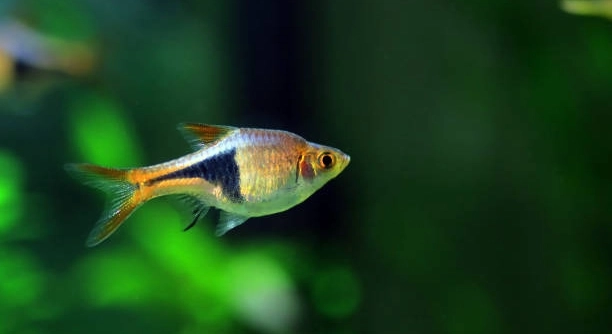
Rasboras are small, lively fish that often share their tanks with others peacefully. However, subtle behaviors can indicate dominance within the group, affecting feeding and swimming patterns. Observing these signs can help maintain a harmonious aquarium environment.
Dominance in rasboras is typically expressed through minor physical and behavioral cues such as fin displays, chasing, nipping, or occupying preferred swimming areas. Recognizing these behaviors allows aquarists to monitor social hierarchy and prevent stress-related issues effectively.
Noticing these subtle signs early can make caring for your rasboras smoother and more rewarding, ensuring a balanced and peaceful tank environment.
Fin Flaring and Posturing
Rasboras often display dominance through fin flaring, where the fish spreads its fins wide to appear larger. This behavior is subtle but noticeable, especially in smaller tanks. The dominant fish will often hold this posture near feeding areas or favored spots, signaling to others that it has priority. Over time, you may notice certain rasboras consistently asserting themselves while others retreat or swim away. This behavior is natural and part of establishing hierarchy, but observing it helps prevent prolonged stress among tank mates. Some fish may flare more frequently during feeding, while others use this display to maintain territory near decorations or hiding spots. Understanding these patterns can help in tank management, ensuring that subordinate fish still have access to food and space. Watching fin flaring closely allows aquarists to intervene if one fish begins to monopolize resources.
Fin flaring is a consistent indicator of social ranking among rasboras, especially in confined spaces.
Keeping an eye on these displays lets you balance interactions and adjust tank arrangements. Adjusting décor or adding more hiding spots can reduce stress and aggression, making your aquarium a calmer environment. Over time, dominance behaviors may shift, and ensuring all fish have access to food and safe areas will promote healthier interactions and a more stable social structure in the tank.
Chasing and Nipping
Chasing in rasboras is a common behavior where dominant fish pursue others to reinforce their position.
This chasing can escalate to gentle nipping, which signals submission or reinforces social order. It rarely causes serious harm but indicates which fish controls resources.
Watching which fish initiates chases and nips provides insight into the tank’s hierarchy. Dominant individuals may follow others during swimming or hover near feeding spots, asserting control without constant aggression. Nipping usually targets fins or tails, causing minor stress rather than injury. Adjusting feeding routines or providing additional hiding spots can reduce tension. Chasing can also influence swimming patterns, with subordinate fish seeking quieter areas. Recognizing these behaviors ensures all fish maintain access to food and space, supporting overall health and harmony. Over time, some rasboras may challenge established hierarchies, so consistent observation helps you manage interactions effectively and prevent stress from escalating.
Occupying Preferred Swimming Areas
Dominant rasboras often choose specific areas of the tank, such as near the surface or around decorations. They will consistently return to these spots, discouraging other fish from entering.
These preferred areas serve as territory markers. A dominant fish may linger near plants, rocks, or the tank front, showing subtle control over space. Subordinate fish usually swim around the edges or avoid the area entirely. This behavior can affect feeding patterns and movement, as weaker fish adjust to avoid conflict. Understanding which areas are being claimed helps in tank arrangement and prevents stress. Adding multiple hiding spots or rearranging decorations can reduce tension and allow all fish to feel secure.
Monitoring swimming preferences also provides insight into social interactions. Observing how subordinate fish adapt helps identify when a dominant fish is becoming overly assertive. Over time, shifts in preferred areas may indicate changes in hierarchy or stress levels. By noting these patterns, you can maintain a balanced tank and ensure all rasboras have safe spaces to explore and feed without constant intimidation.
Subtle Color Changes
Rasboras sometimes show dominance through slight color shifts, often becoming more vibrant when asserting authority.
These changes are usually seen in the fins or body, especially during interactions with other fish. Vibrant coloration signals confidence and social standing, letting others know their place in the hierarchy.
Dominant fish often maintain brighter hues around feeding times or when patrolling their territory. Subordinate fish may appear duller, which reduces attention and potential conflict. Color shifts are influenced by health, stress, and environmental factors, so consistent observation is important. Noticing these patterns can help you detect changes in hierarchy or wellbeing early. A stressed or sick fish may lose color, while a confident fish will retain vibrancy. By tracking subtle coloration, you gain insight into social dynamics and the overall health of your tank. Understanding these visual cues helps in managing tank conditions, ensuring all fish remain comfortable and balanced in their environment.
Leading the School
Dominant rasboras often swim at the front of the group, guiding direction and pace. Their position signals authority and sets the movement pattern for others, who usually follow without resistance.
This behavior helps maintain order in the tank. Following the leader reduces conflicts and allows subordinate fish to avoid unnecessary stress.
Feeding Priority
Dominant fish typically eat first, approaching food immediately while others wait their turn. This ensures they maintain energy and assert their position.
During feeding, they may chase others away subtly or position themselves closest to the food source. Observing which fish consistently eat first helps identify hierarchy and adjust feeding routines if needed. Providing multiple feeding spots or spreading food evenly reduces tension and ensures all rasboras receive proper nutrition. Maintaining fair access prevents prolonged stress and allows weaker fish to feed without intimidation.
Tail Flicking
Tail flicking is a minor but telling sign of dominance. A dominant rasbora may flick its tail during interactions to assert control over space or subordinate fish.
FAQ
How can I tell which rasbora is dominant?
Dominant rasboras usually display consistent behaviors such as fin flaring, chasing, tail flicking, and occupying preferred swimming areas. They often eat first and maintain brighter coloration. Watching these patterns over time helps identify which fish leads the group and asserts control.
Is tail flicking harmful?
Tail flicking is typically a minor display and rarely causes physical harm. It is more about communication than aggression. Subordinate fish usually respond by moving away or avoiding confrontation, so it serves to reinforce social hierarchy without serious injury.
Do dominant rasboras always chase others?
Not always. Chasing occurs mainly during feeding or when defending territory. Outside these situations, dominant fish may swim calmly alongside others while still maintaining subtle control through positioning and posture.
Can I prevent dominance behavior in a small tank?
You cannot completely eliminate dominance behaviors, but you can reduce stress. Adding plants, rocks, or decorations provides hiding spots and multiple swimming areas. Spreading food across different locations ensures subordinate fish can eat without conflict. Adjusting tank size and stocking density also minimizes tension.
Will subordinate fish become stressed long-term?
Subordinate fish can experience stress if dominance is extreme or constant. Signs include hiding frequently, reduced feeding, duller coloration, and slower swimming. Monitoring interactions and making environmental adjustments helps prevent prolonged stress and supports overall health.
Do dominant behaviors change over time?
Yes, hierarchy can shift as fish grow or adapt to their environment. New additions, illness, or changes in tank structure can influence which fish takes the lead. Observing daily interactions allows you to track these shifts and maintain balance.
Are certain rasbora species more aggressive than others?
Some species exhibit more pronounced dominance behaviors due to natural social structures. While most rasboras are peaceful, variations in temperament exist. Knowing your species helps anticipate interactions and set up the tank accordingly.
Should I separate dominant fish from others?
Separation is rarely needed unless aggression escalates to constant harassment or injury. Providing extra hiding spaces, rearranging decorations, or spreading feeding locations often resolves conflicts without removing fish. Permanent separation can stress the tank’s social balance.
How do I encourage a calm tank environment?
Maintaining consistent feeding schedules, providing multiple hiding spots, and monitoring interactions are key. Ensuring adequate space and even food distribution allows subordinate fish to feed and swim freely, reducing tension. Regular observation helps identify emerging dominance before it becomes problematic.
Can dominant rasboras affect the growth of others?
Yes, if subordinate fish consistently lose access to food or optimal swimming areas, growth can be affected. Observing feeding patterns and making adjustments, like multiple feeding spots, ensures all fish thrive and maintain healthy development.
Do dominant rasboras bully each other too?
Occasionally, leadership can shift, and conflicts may occur among assertive fish. These disputes are usually brief, involving chasing, fin flaring, or tail flicking, and resolve as the hierarchy stabilizes. Careful monitoring ensures these interactions remain minor and do not cause injury.
Is tank size important for reducing dominance issues?
Tank size plays a significant role. Smaller tanks increase stress and competition for space, intensifying dominance behaviors. Larger tanks with adequate hiding spots and swimming areas allow fish to establish territory without constant confrontation, promoting a calmer environment.
Can environmental changes affect dominance?
Yes, changes like new decorations, altered water flow, or adding new fish can shift hierarchy. Dominant fish may reassert control, while subordinates adjust behavior. Maintaining stable conditions and observing responses helps keep interactions balanced and stress minimal.
Are dominance behaviors linked to health?
Health can influence social standing. A weak or sick fish may lose dominance, while strong, healthy fish assert themselves. Watching coloration, energy, and swimming patterns alongside behavior gives insight into both hierarchy and overall wellbeing.
What’s the best way to feed a tank with dominant rasboras?
Use multiple feeding locations or scatter food to prevent monopolization. This allows subordinate fish to eat safely without constant chasing. Feeding smaller amounts more frequently can also reduce stress and maintain energy levels for all fish.
How quickly do hierarchies form?
Hierarchies usually establish within days to weeks after introducing new fish or changing tank conditions. Initial displays like chasing, fin flaring, and tail flicking help fish determine their social ranking early on. Observing carefully during this period is essential to ensure harmony.
Do all fish in the school accept dominance?
Most rasboras adapt by avoiding dominant fish or yielding space during feeding. Subordinate fish may hide or swim in less preferred areas. Acceptance is part of natural social structure, and providing adequate space and hiding spots ensures stress is minimized.
Can dominant behavior indicate aggression?
Dominance does not always equal aggression. Many displays are subtle, involving posture, fin flaring, or tail flicking. Only when chasing or nipping becomes constant does it approach harmful aggression. Careful monitoring helps distinguish normal hierarchy from problematic behavior.
How can I tell if dominance is causing health issues?
Signs include reduced feeding, dull coloration, excessive hiding, or slower swimming. Subordinate fish may appear lethargic or lose weight. Observing daily interactions alongside physical health indicators helps identify if dominance is negatively impacting the tank.
Is it normal for dominant rasboras to monopolize decorations?
Yes, dominant fish often prefer specific areas for territory. This can affect subordinate fish movement and comfort. Adding more hiding spots or rearranging tank décor allows all fish access to space and reduces stress from territorial behavior.
Rasboras are small, active fish whose social behavior can be surprisingly complex. Even in peaceful species, subtle signs of dominance can emerge, influencing feeding, swimming patterns, and interactions with other tank mates. Observing these behaviors closely allows aquarists to understand the hierarchy within their aquarium. Dominant fish often assert themselves through fin flaring, tail flicking, chasing, and occupying favored swimming areas. These actions are natural ways for fish to establish and maintain social order. While they may seem minor, consistent observation helps prevent stress among subordinate fish and ensures that all individuals have access to food and space. By recognizing these cues early, aquarists can take small steps to balance the tank environment, such as adding more hiding spots, rearranging decorations, or adjusting feeding routines.
Understanding dominance in rasboras is not only about noticing who is in charge but also about ensuring the wellbeing of the entire group. Subordinate fish may appear less vibrant, eat later, or avoid certain areas, which can impact their health if unmonitored. Providing multiple feeding locations and spaces to hide allows weaker fish to thrive while minimizing conflicts. Tank size and stocking density also play a role; overcrowding can intensify dominance behaviors, whereas a well-planned setup allows all fish to coexist more comfortably. Environmental stability is another factor to consider, as sudden changes in décor, water flow, or new additions can temporarily disrupt the established hierarchy. Consistent observation and thoughtful adjustments help maintain balance, promoting a healthier and calmer community of rasboras.
Paying attention to these subtle social cues can make caring for rasboras more rewarding and effective. By understanding fin displays, chasing patterns, color changes, and preferred swimming areas, aquarists can anticipate issues before they escalate. The goal is not to eliminate natural behaviors but to manage them in a way that minimizes stress and supports the overall health of the tank. Keeping the environment stable, offering adequate space, and monitoring feeding routines ensures that both dominant and subordinate fish coexist harmoniously. Over time, these practices contribute to a peaceful aquarium where rasboras can express their natural behaviors safely. Observing and adapting to their interactions allows for a more engaging and informed fishkeeping experience, making it easier to maintain a thriving, balanced tank.

Hello,
If you enjoy the content that we create, please consider saying a "Thank You!" by leaving a tip.
Every little bit helps us continue crafting quality advice that supports the health, happiness, and well-being of pets around the world, for pets of all shapes, sizes, and species.
We really appreciate the kindness and support that you show us!