
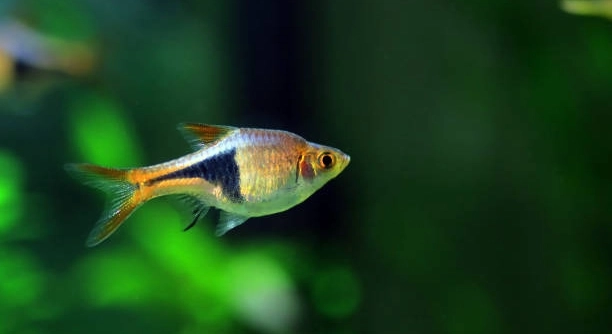
Keeping rasboras comfortable in your aquarium often comes down to the lighting. Bright or harsh lights can stress them, while dim and consistent lighting encourages natural behavior and reduces anxiety in these small, peaceful fish.
Proper lighting is crucial for maintaining a relaxed environment for rasboras. Soft, evenly distributed light helps regulate their circadian rhythm, reduces stress responses, and supports overall health. Avoiding sudden brightness changes and providing shaded areas contributes to their well-being.
Following these lighting strategies will help your rasboras swim calmly and maintain their vibrant colors, making your aquarium a more harmonious space for them.
Choosing the Right Light Intensity
Rasboras are small fish that feel safest under gentle lighting. Bright lights can make them hide or swim erratically, which may indicate stress. A low to moderate light intensity creates a calm environment that allows them to explore naturally without fear. Using LED lights with adjustable brightness is an excellent option for aquariums. Positioning the light at a distance from the water surface helps diffuse the brightness, preventing direct glare that can disturb them. You can also provide shaded areas using floating plants or decorations to help the fish retreat when needed. Avoid sudden changes in light, as quick transitions from dark to bright can startle them. Monitoring their behavior after adjusting the lighting will give insight into whether the intensity suits them. Over time, small adjustments can make a significant difference in keeping rasboras comfortable and stress-free in their tank habitat.
Low light not only calms rasboras but also encourages natural schooling and exploration.
Adding gentle lighting enhances their colors and promotes healthy activity while preventing stress-related behaviors.
Using a Timer for Consistent Lighting
Consistency is key for rasboras, as they rely on a predictable light schedule to regulate their daily behavior.
A timer ensures lights turn on and off at the same time every day, mimicking natural day and night cycles. This helps prevent sudden changes that could alarm the fish. Sudden darkness or unexpected bright light can trigger stress responses, including hiding or rapid swimming. Using a timer reduces the need for manual adjustments and maintains a stable routine, which is beneficial for all tank inhabitants. Gradually increasing or decreasing light over a few minutes can further simulate sunrise and sunset, creating a gentle transition that the fish can adapt to naturally. Consistent lighting also supports plant growth, which contributes to water quality and provides additional shelter for the fish. By controlling the light schedule, you ensure a calmer and healthier environment, making it easier to observe natural behaviors and maintain the aquarium’s balance. Proper planning of lighting schedules results in happier, more relaxed rasboras, which ultimately improves their overall health and longevity.
Positioning Lights Properly
Placing lights too close to the tank can stress rasboras. Keeping the light at a moderate distance prevents glare and harsh reflections that make them uneasy.
Positioning lights correctly helps create a balanced environment. Lights should be mounted so that the entire tank receives even illumination without strong hotspots. Adjusting the angle can reduce shadows and prevent areas from becoming too bright. Floating plants or small decorations can provide natural shaded spots where rasboras can retreat. Observing the fish after repositioning the light ensures they remain calm and display normal swimming and schooling behavior. Proper placement minimizes stress and encourages natural activity, making the tank a comfortable space for these small fish.
Avoiding harsh direct lighting preserves their natural behavior. Shaded areas help them feel secure while maintaining overall visibility in the aquarium.
Selecting the Right Light Color
Soft, natural light tones are better than overly bright white or blue lights. Rasboras respond best to warm, subtle lighting.
Choosing the right light color improves visibility and enhances the appearance of the fish without startling them. Warm white or slightly yellow light mimics natural daylight, which promotes relaxed behavior and reduces stress. Harsh blue or overly intense lights can make the fish nervous and encourage hiding. Color-corrected lighting also supports plant growth, which benefits the tank’s ecosystem. Adjusting the color spectrum allows you to highlight the tank’s features while maintaining a calm environment. This balance ensures that the fish feel secure and display their natural colors without feeling exposed.
Using natural-colored light supports both fish and plants, keeping the tank environment healthy. Gentle hues enhance the visual appeal and reduce stress triggers effectively.
Avoiding Sudden Light Changes
Sudden switches from dark to bright light can startle rasboras. Gradual transitions keep them calm and reduce stress.
Using dimmers or timers allows lights to turn on and off slowly. This simulates natural sunrise and sunset, giving fish time to adjust without panic.
Incorporating Floating Plants
Floating plants create soft shadows and provide refuge from direct light. They help rasboras feel secure and reduce anxiety in the tank.
These plants also improve water quality by absorbing excess nutrients and offering small hiding spots. By adding floating plants, you maintain a calmer environment that encourages natural schooling behavior. The gentle shade from the leaves allows fish to rest while still exploring the tank. Over time, the combination of soft lighting and floating plants creates a stable, stress-free habitat. This setup benefits both fish and plants, making the aquarium visually appealing while supporting healthy, relaxed rasboras.
Using LED Lights
LED lights are energy-efficient and easy to adjust for intensity and color.
FAQ
How bright should my rasbora tank be?
Rasboras do best under moderate lighting. Too bright can stress them, while too dim can reduce activity. A soft, diffused light is ideal, with shaded areas for retreat. Adjustable LED lights allow you to fine-tune brightness depending on tank size and plant coverage.
Can sudden light changes harm rasboras?
Yes, sudden changes can startle them, leading to erratic swimming or hiding. Using timers or dimmers helps create gradual transitions from dark to light, simulating natural sunrise and sunset. This keeps the fish calm and encourages normal behavior throughout the day.
What type of light color is best?
Warm white or slightly yellow lighting works best. Harsh blue or overly bright white lights can cause stress. Natural-colored light not only makes the fish feel secure but also enhances their natural colors and supports plant growth.
Do rasboras need a specific day-night cycle?
Yes, consistent cycles help regulate their circadian rhythm. Lights should be on for 8–10 hours a day and off at night. Using a timer ensures a stable routine, which reduces stress and promotes normal feeding and swimming patterns.
Are LED lights safe for rasboras?
LEDs are safe, energy-efficient, and customizable. They allow control over both brightness and color spectrum, helping maintain a calm and visually appealing tank environment. They also produce less heat than other bulbs, which prevents temperature fluctuations that could stress fish.
Should I use floating plants with my lighting setup?
Floating plants are highly recommended. They create natural shaded areas, reduce glare, and give rasboras places to hide. This not only improves their comfort but also contributes to water quality and overall tank health, supporting a stable, relaxed environment.
How can I tell if the lighting is stressing my fish?
Signs of stress include hiding constantly, rapid swimming, or fading colors. If you notice these behaviors, reduce brightness, adjust the angle of the light, or add shaded areas. Observing the fish over several days will indicate if the adjustments are effective.
Is it okay to leave the tank lights on for longer periods?
Extended lighting can cause stress and disrupt natural behavior. Overexposure may also encourage algae growth. Stick to a consistent schedule and use timers to avoid leaving lights on for more than 10–12 hours per day.
Can plants help reduce stress caused by lighting?
Yes, plants act as natural diffusers, softening harsh light and creating hiding spaces. Both floating and rooted plants help rasboras feel secure and support a healthier ecosystem, which further reduces anxiety and promotes natural schooling behavior.
How often should I adjust the lighting in my tank?
Adjust only when necessary, such as after adding plants or decorations, or if fish show stress. Frequent changes can disrupt their routine, so minor tweaks should be made gradually to ensure a stable, relaxed environment.
Does tank size affect lighting needs?
Yes, larger tanks may require stronger or additional lights to ensure even illumination. However, the intensity should still be moderate, with shaded areas provided. Observing fish behavior and plant growth will help determine the best setup for the tank.
Can colored lights stress rasboras?
Strong, unnatural colors like bright blue or red can cause anxiety. Stick to natural tones like warm white or soft yellow to maintain calm behavior. Subtle accent lighting can be used, but it should not dominate the tank environment.
Do rasboras need complete darkness at night?
Yes, darkness is important for rest and maintaining circadian rhythm. Lights should be off at night, either naturally or using timers. Partial illumination can interfere with sleep and increase stress, affecting overall health.
How do I combine lighting with decorations?
Position decorations and plants to create shaded areas and reduce direct glare. Rocks, driftwood, and floating plants provide hiding spots that make fish feel secure while maintaining adequate lighting for visibility and plant growth.
What’s the easiest way to maintain proper lighting long-term?
Using a programmable timer with LED lights is the most effective method. It ensures consistent cycles, gradual transitions, and reduces manual adjustments. Combined with proper placement, color choice, and shaded areas, this creates a stable and stress-free environment for rasboras.
This FAQ provides practical steps to maintain calm and healthy rasboras, focusing on lighting that supports natural behavior and a balanced tank ecosystem.
Proper lighting is essential for keeping rasboras relaxed and healthy in an aquarium. These small, peaceful fish are sensitive to changes in their environment, and the wrong lighting can lead to stress, erratic swimming, or hiding. Using soft, diffused light helps create a calm atmosphere where they can display natural behaviors, such as schooling and exploring. Positioning the lights at a moderate distance from the water and incorporating shaded areas with floating plants or decorations allows the fish to retreat when they need to feel secure. Adjustable LED lights are particularly helpful because they let you control both intensity and color, making it easier to meet the needs of both the fish and the plants. A balanced setup not only improves the well-being of rasboras but also makes the aquarium visually appealing and more enjoyable to observe.
Consistency in lighting is another key factor in maintaining a healthy environment. Rasboras rely on predictable day-night cycles to regulate their circadian rhythm, feeding, and resting patterns. Using timers to control when the lights turn on and off ensures a steady routine, reducing stress from sudden changes. Gradual transitions in light intensity, simulating natural sunrise and sunset, help the fish adjust smoothly and prevent sudden shock from bright or dark conditions. Proper color selection, such as warm white or soft yellow, also contributes to a relaxed atmosphere, enhancing the natural colors of the fish without causing agitation. By combining the right brightness, color, and schedule, you create a tank that encourages natural behavior and promotes long-term health.
Maintaining a comfortable lighting environment is a combination of planning and observation. Watching how rasboras respond to changes in light allows you to make small adjustments that can have a big impact on their comfort. Adding floating plants, adjusting the angle or distance of lights, and using LED lights with programmable settings all contribute to a stress-free space. Over time, these efforts result in calmer fish, more vivid colors, and a healthier tank overall. Lighting is not just a functional aspect of an aquarium; it directly affects the quality of life for the fish inside. Taking the time to create a suitable lighting environment ensures that rasboras remain relaxed, active, and visually vibrant, while supporting a balanced and thriving ecosystem in your tank.

Hello,
If you enjoy the content that we create, please consider saying a "Thank You!" by leaving a tip.
Every little bit helps us continue crafting quality advice that supports the health, happiness, and well-being of pets around the world, for pets of all shapes, sizes, and species.
We really appreciate the kindness and support that you show us!