
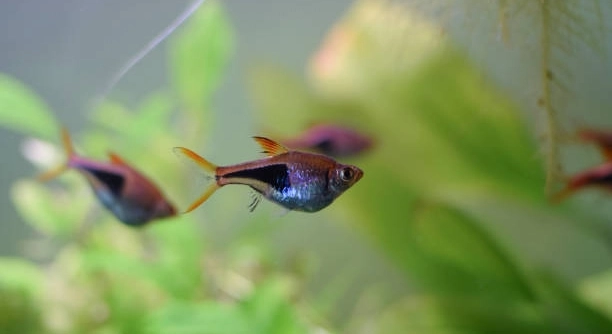
Many aquarium enthusiasts enjoy creating a natural environment for their fish. Floating plants are often added to provide shade and shelter, and they can change the overall look of the tank. Rasboras are a common choice for planted tanks.
Rasboras generally do not mind floating plants above them. These plants can provide shelter and reduce stress, creating a more comfortable environment. Fish behavior studies indicate that Rasboras continue normal swimming and feeding habits under floating vegetation.
Understanding how floating plants affect Rasboras can improve tank design and fish well-being, ensuring a balanced and visually pleasing aquatic setup.
How Floating Plants Affect Tank Light and Shade
Floating plants create natural shade in an aquarium, softening bright light and making fish feel more secure. Rasboras are small, active fish that appreciate areas where they can retreat. Light filtering through leaves can reduce stress and help maintain natural behavior patterns. Shade also limits algae growth by reducing direct light on the substrate, which keeps the tank cleaner. Some floating plants, like duckweed or water lettuce, grow quickly and can cover large areas of the water surface. This coverage provides spots where Rasboras can hide or rest near the surface without feeling exposed. However, too many plants can block oxygen exchange, so balancing coverage is important. Monitoring plant growth and trimming excess leaves ensures both the fish and plants thrive. Observing Rasboras under varying light conditions helps identify their preferred environment, making adjustments easier and promoting healthier behavior. This balance creates a calm and visually appealing aquarium.
Shaded areas from floating plants help Rasboras reduce stress and maintain regular swimming patterns, supporting healthier daily activity.
By providing a mix of open water and shaded zones, you create an environment that supports natural movement. Rasboras often use shaded areas for resting or exploring quietly, which helps them feel secure. Open spaces allow for active swimming and social interaction. Light and shade also affect plant health and oxygen levels, which directly impact fish comfort. Maintaining a balance between floating plants and open water ensures Rasboras have both shelter and freedom to swim. Observing how they respond to changes in plant density can guide adjustments. Floating plants also trap debris and offer surfaces for biofilm, which Rasboras may graze on. Proper trimming prevents overcrowding while preserving the benefits of shade. Overall, careful management of floating plants creates a healthier, more dynamic aquarium environment for Rasboras and other fish.
Feeding Behavior Under Floating Plants
Rasboras continue normal feeding habits even with floating plants above, though some may take food from shaded areas more frequently.
Floating plants can influence where and how Rasboras feed. Leaves that hang over the water surface may catch floating food, prompting fish to explore different zones. Some Rasboras may prefer eating near shaded areas, feeling safer from perceived threats. The presence of plants also encourages natural foraging behavior, allowing fish to graze on small particles and microfauna around the roots. While they adapt well, overgrown plants can sometimes trap uneaten food, leading to water quality issues if not monitored. Observing feeding patterns under varying plant density helps maintain proper nutrition and prevents waste accumulation. Balancing plant coverage ensures food remains accessible without creating hidden pockets that degrade water quality. Regular maintenance of floating plants, combined with careful feeding, supports healthy growth and natural behavior. This approach ensures Rasboras are well-fed, comfortable, and active throughout the day, keeping both their physical health and natural instincts intact.
Plant Density and Swimming Space
Too many floating plants can limit swimming space for Rasboras, affecting their activity and comfort. They need open areas for schooling, and excessive coverage can make them feel confined, which may stress the fish over time.
Maintaining a moderate density of floating plants is essential. Rasboras are active swimmers and enjoy gliding through open water while occasionally darting under shade for security. If plants cover too much of the surface, they reduce light penetration and water movement, which can impact fish behavior and plant health. Regular trimming and careful placement ensure both adequate shelter and enough open space for normal swimming patterns, keeping Rasboras comfortable and active throughout the day.
Observing how Rasboras interact with plants helps determine the right balance. Some fish prefer denser coverage near corners or edges while leaving the center open. Adjusting plant density based on their behavior supports natural schooling, reduces stress, and ensures proper oxygen circulation. Overcrowding can lead to competition and inactivity, so careful planning creates a harmonious tank environment that satisfies both the fish and the plants’ growth needs.
Water Quality Considerations
Floating plants can influence water quality by absorbing excess nutrients and providing oxygen through photosynthesis. They help maintain a cleaner environment, reducing algae growth and stabilizing the ecosystem.
While floating plants benefit water quality, monitoring is necessary. Rapidly growing species may consume nutrients too quickly, potentially depriving other plants. Uneaten food can accumulate under dense foliage, causing localized decay and spikes in ammonia or nitrite. Regular trimming prevents overcrowding, while occasional water testing ensures the tank remains healthy. Rasboras thrive in stable conditions, so maintaining consistent parameters is crucial.
Balancing plant coverage with proper filtration supports both fish and plant health. Floating plants act as natural filters, but overgrowth can hinder water flow and oxygen exchange. Periodic removal of excess leaves and monitoring fish behavior help maintain equilibrium. When combined with careful feeding and routine water changes, these plants contribute to a stable, low-stress environment. Observing Rasboras under different coverage levels allows you to optimize water quality without compromising swimming space or light availability. The right balance ensures a thriving tank with active, healthy fish.
Plant Variety and Fish Behavior
Different floating plants create varied environments for Rasboras. Some have dense leaves, offering more hiding spots, while others are sparse, allowing easier swimming. The mix influences how fish explore and interact with the tank.
Rasboras often adjust their swimming patterns based on plant types. Dense plants encourage cautious movement and resting near the roots, while lighter plants allow more active schooling. Choosing a combination balances shelter with freedom, keeping fish comfortable and reducing stress in the tank.
Root Structures and Water Interaction
Floating plants with long roots, like water lettuce, provide additional surfaces for microfauna growth. Rasboras may graze around these roots, finding tiny food particles, which supports their natural foraging instincts. Roots also help circulate water gently, creating subtle currents that the fish enjoy.
Seasonal Plant Growth
Rapid growth periods may require more frequent trimming to maintain swimming space and light balance for Rasboras.
FAQ
Do Rasboras prefer tanks with floating plants?
Rasboras do not require floating plants, but they benefit from them. Floating plants provide shade, reduce stress, and offer hiding spots. Fish feel more secure when they have areas to retreat, especially in open tanks. They continue normal schooling and feeding behavior even with plants above, as long as the coverage is balanced.
Can too many floating plants harm Rasboras?
Yes, excessive plant coverage can limit swimming space and reduce light penetration. Rasboras are active fish that need open water for schooling. Overcrowded plants can also reduce oxygen exchange and trap debris, potentially affecting water quality. Regular trimming and monitoring plant growth keep the tank comfortable and healthy.
Which floating plants are best for Rasboras?
Plants like duckweed, water lettuce, and frogbit are ideal. They grow quickly, provide sufficient shade, and have roots that hang in the water, offering natural grazing areas for microfauna. A mix of dense and sparse plants balances shelter with open swimming space.
Do floating plants affect feeding behavior?
Floating plants can change where Rasboras eat. Fish may prefer shaded areas or hover near roots to catch floating food. Uneaten food can accumulate under dense plants, so careful feeding and monitoring are necessary. Observing feeding patterns helps ensure all fish receive proper nutrition without degrading water quality.
How should I maintain floating plants in a Rasbora tank?
Trim plants regularly to prevent overgrowth and maintain open swimming space. Remove decaying leaves to avoid water quality issues. Balance plant density to provide shade while allowing enough light and oxygen circulation. Observing fish behavior can guide adjustments in placement and coverage.
Do floating plants affect water parameters?
Yes, they help absorb excess nutrients and reduce algae growth, which supports cleaner water. Roots also provide surfaces for biofilm growth, which is beneficial for fish. However, dense plant coverage can reduce water circulation, so filtration and occasional water changes are still important.
Are there signs Rasboras dislike floating plants?
Signs include reduced activity, staying at the tank bottom, or hiding excessively. While most Rasboras adapt well, overgrown plants may make them feel confined. Adjusting plant density or removing some plants usually restores normal behavior.
How often should floating plants be trimmed?
Trimming frequency depends on plant growth rate. Fast-growing species may need trimming weekly, while slower growers require less attention. Regular maintenance prevents overcrowding, ensures proper light distribution, and keeps swimming space adequate for Rasboras.
Can floating plants help with breeding Rasboras?
Yes, they provide shelter and security for fry, reducing stress from adult fish. Plants with roots hanging into the water offer surfaces for egg-laying in some species. Maintaining clean water and moderate plant coverage supports healthier breeding conditions.
Do floating plants impact aquarium aesthetics?
Absolutely. Floating plants create a natural look, soften bright light, and add visual interest. Their movement on the water surface gives the tank a lively and dynamic appearance while enhancing the comfort of Rasboras. Proper balance ensures both aesthetic appeal and a healthy environment.
Can Rasboras damage floating plants?
Generally, no. Rasboras are small, peaceful fish that do not eat or uproot floating plants. Their interaction is mostly around grazing near roots for microfauna, which does not harm the plants significantly. This makes them compatible with various floating species.
Is there a risk of oxygen depletion with floating plants?
Dense floating plants can reduce surface water movement, slightly limiting oxygen exchange. This is more of a concern in heavily stocked tanks. Balancing plant coverage, ensuring proper filtration, and occasional water surface agitation prevent oxygen depletion while keeping Rasboras healthy.
Do all Rasbora species react the same to floating plants?
Most small Rasboras, such as Harlequin and Chili Rasboras, adapt well. However, larger or more active species may need more open water. Observing the specific behavior of your fish helps tailor plant coverage for comfort and natural activity.
How do floating plants interact with other aquarium plants?
Floating plants compete for nutrients and light, which may affect submerged plants. Choosing compatible species and maintaining moderate coverage ensures both floating and rooted plants thrive without compromising Rasbora comfort.
Can floating plants help reduce stress in Rasboras?
Yes, the shade and hiding spaces provided by floating plants help Rasboras feel secure. Stress reduction promotes better feeding, activity, and overall health, creating a more harmonious aquarium environment for both fish and plants.
What maintenance routines support both Rasboras and floating plants?
Regular trimming, monitoring water quality, and removing decaying leaves are essential. Balanced feeding prevents waste accumulation, while adjusting plant density maintains swimming space. Observing fish behavior ensures plants provide benefits without limiting activity, creating a stable, healthy tank.
Are floating plants suitable for community tanks with Rasboras?
Yes, they provide shelter for multiple species without interfering with Rasboras’ activity. Careful placement ensures all fish have access to swimming space and food while enjoying the natural shade and security offered by floating plants.
Do floating plants affect water temperature?
Floating plants slightly reduce light penetration, which can help stabilize surface temperature. In small or shallow tanks, they may lower temperature slightly by shading the water, creating a more consistent and comfortable environment for Rasboras.
Can I combine multiple floating plant species in a Rasbora tank?
Combining species is effective for balancing shade, coverage, and aesthetic appeal. Mixing dense and sparse plants provides both hiding spots and open swimming areas. Monitoring growth ensures none of the species overgrow, maintaining a healthy and comfortable tank for Rasboras.
How do I monitor the impact of floating plants on Rasboras?
Observe swimming patterns, feeding behavior, and stress indicators. Healthy Rasboras will actively school, explore shaded areas, and feed normally. Adjust plant density and placement if fish appear confined or stressed. Regular observation ensures a harmonious environment for both plants and fish.
Can floating plants support microfauna for Rasboras?
Yes, roots and undersides of leaves provide surfaces for microfauna like small crustaceans and protozoa. Rasboras may graze around these areas, supplementing their diet naturally. This interaction encourages natural foraging behavior and contributes to a balanced aquarium ecosystem.
Do floating plants require special lighting for Rasboras’ benefit?
No specialized lighting is needed, but moderate light helps plants grow while ensuring Rasboras remain comfortable. Avoid overly intense light, as dense coverage naturally softens it, creating shade preferred by the fish. Balanced lighting supports plant health and fish well-being.
How do floating plants affect water flow?
Floating plants slightly reduce surface movement, creating calm areas that Rasboras enjoy. However, excessive coverage can hinder circulation, so careful trimming and strategic placement maintain adequate flow while keeping fish comfortable.
Floating plants offer a simple and natural way to enhance a Rasbora tank. They provide shade and shelter, helping fish feel more secure and less stressed. Rasboras are small, active fish that appreciate areas where they can hide or rest. When floating plants are balanced properly, they allow enough open water for swimming while giving the fish a place to retreat if needed. This balance supports their natural behavior, including schooling, exploring, and feeding. Observing how Rasboras interact with plants helps determine the right amount of coverage, ensuring that the tank remains comfortable and functional for the fish.
Maintaining floating plants requires attention but is not difficult. Trimming excess leaves and removing decaying plant matter prevents overcrowding and water quality issues. Floating plants can absorb excess nutrients, reducing algae growth and helping maintain cleaner water. They also create surfaces for microfauna growth, which Rasboras may graze on, supporting their natural foraging instincts. However, too many floating plants can block light and reduce swimming space. Regular monitoring, careful placement, and adjusting plant density as needed ensure that the benefits of floating plants are maximized while avoiding problems that could stress the fish or affect the tank’s overall health.
Overall, floating plants contribute to a more natural and comfortable environment for Rasboras. They help maintain stable water parameters, provide shade and shelter, and enhance the visual appeal of the aquarium. Choosing appropriate species, combining dense and sparse plants, and observing the fish’s behavior all play a role in creating a balanced setup. By paying attention to both plant growth and Rasbora activity, it is possible to create a tank that supports healthy, active fish. With consistent care and maintenance, floating plants can become an important part of a well-functioning Rasbora aquarium, improving both the fish’s quality of life and the overall aesthetic of the tank.

Hello,
If you enjoy the content that we create, please consider saying a "Thank You!" by leaving a tip.
Every little bit helps us continue crafting quality advice that supports the health, happiness, and well-being of pets around the world, for pets of all shapes, sizes, and species.
We really appreciate the kindness and support that you show us!