
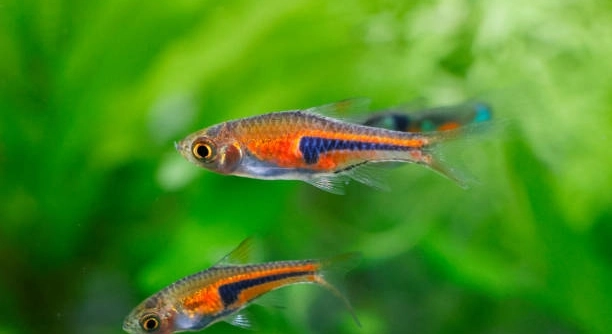
Are your rasboras swimming in a tank with a gentle flow of water? Many aquarists wonder if small currents affect these delicate fish. Their graceful movements and social nature make them a popular choice for home aquariums.
Rasboras can tolerate small currents without significant stress. Gentle water flow can mimic natural conditions, promote healthy swimming behavior, and improve oxygen circulation. Excessive currents, however, may cause fatigue and hinder normal activity, so monitoring flow is essential.
Understanding how currents impact your tank will help you create a comfortable environment for your rasboras to thrive and remain healthy.
Understanding Rasboras and Their Natural Habitat
Rasboras are small, peaceful fish that thrive in calm, slow-moving waters. In the wild, they are often found in streams, ponds, and rice paddies where water flow is gentle and steady. This natural environment allows them to swim comfortably without expending too much energy. When kept in an aquarium, mimicking these conditions helps maintain their health and reduces stress. Water temperature, pH levels, and filtration also play a role, but the flow of water is a key factor in their overall well-being. Too strong a current can cause rasboras to struggle, especially if the tank lacks hiding spots or plants to break the flow. Observing how they react to the current can guide adjustments to your setup, ensuring that these small fish can display natural swimming patterns and social behavior within a safe environment.
Monitoring water flow carefully ensures your rasboras are neither overexerted nor stagnant, keeping them active and comfortable.
Providing gentle currents with proper tank layout allows rasboras to explore freely, maintain their health, and interact naturally. Plants and decorations can help diffuse stronger currents. Creating a balance between movement and calm ensures the fish are neither stressed nor idle, allowing them to swim in groups, show natural behavior, and enjoy the aquarium fully. Observing their response to adjustments can help you refine the tank’s flow, making it both stimulating and safe. Over time, this care leads to vibrant, active rasboras that are easier to maintain and enjoy.
Adjusting Currents in a Home Aquarium
Small adjustments in water flow can make a significant difference for rasboras. Avoid directing strong currents directly at them, as this can cause fatigue and disrupt their swimming.
To manage currents effectively, consider your tank’s filter placement and output. Using a sponge or adjustable nozzle can soften the flow, creating a gentle circulation that mimics natural habitats. Decorations, plants, and floating objects also help break up water movement, providing areas of calm for resting. Monitoring your rasboras’ behavior is essential: if they struggle to swim or gather only in certain areas, the current may be too strong. Maintaining moderate flow improves oxygenation and prevents stagnant zones while keeping your fish comfortable. Small, gradual changes in the tank setup are more effective than abrupt adjustments, allowing the fish to adapt naturally. By combining proper filtration, thoughtful decoration placement, and careful observation, you can maintain an ideal current that promotes healthy behavior and minimizes stress for your rasboras.
Choosing the Right Filter for Rasboras
Selecting a filter that produces gentle flow is key for rasboras. Sponge filters or adjustable canister filters are ideal, as they provide adequate circulation without overwhelming the fish. Placement also matters to prevent strong currents in open swimming areas.
Filters with adjustable flow allow precise control over water movement, ensuring that rasboras can swim comfortably and maintain natural behavior. Sponge filters are especially useful because they create soft currents and offer additional biological filtration. Proper maintenance is essential, as clogged filters can reduce flow or create uneven currents, stressing the fish. Pairing the filter with strategic plant placement and decorations further moderates water movement, creating zones where rasboras can rest. Over time, observing how your fish interact with the current helps fine-tune the filter settings for optimal comfort.
Even with a good filter, rasboras need areas of calm. Plants, driftwood, or rocks help break the flow, letting them rest and explore without struggling. A well-structured tank balances activity and calm zones, improving the overall health of the fish. This setup encourages schooling behavior and reduces stress caused by constant exposure to moving water.
Observing Rasboras’ Behavior in Currents
Rasboras’ swimming patterns reveal how they handle water movement. Watch for signs of fatigue or clustering in calm areas, which indicates flow may be too strong.
Consistent observation helps identify ideal conditions for your tank. Rasboras should swim freely without constantly pushing against the current. If they stick to sheltered areas or show uneven schooling, the flow might need adjustment. Introducing gentle currents gradually allows the fish to adapt without sudden stress. The arrangement of plants, rocks, and other decorations can help distribute water movement evenly. Tracking behavior over days or weeks ensures that changes are effective and sustainable, promoting a comfortable environment.
Behavioral cues also show when the tank’s flow benefits the fish. Active, evenly spaced swimming, synchronized schooling, and natural foraging indicate proper current. When rasboras are relaxed, exploring the tank freely, and interacting normally, it confirms that adjustments are successful. This careful monitoring supports both health and activity, making the aquarium a safe and stimulating home.
Benefits of Small Currents
Small currents keep water oxygenated, which supports rasboras’ health. Gentle flow also encourages natural swimming patterns and helps maintain an active, lively tank environment.
Currents help circulate nutrients and prevent stagnant areas where debris can build up. This contributes to cleaner water and a healthier ecosystem for your fish.
Using Plants to Manage Flow
Plants act as natural barriers that diffuse water movement, creating calm zones for rasboras to rest. They also provide shelter and reduce stress.
By placing taller plants near filter outlets and mid-height greenery throughout the tank, you can balance flow. This setup allows fish to swim freely while giving them safe spaces to avoid stronger currents. Plants improve oxygen levels and contribute to overall tank stability, creating a more comfortable environment for your fish.
Signs of Stress from Strong Currents
Rasboras struggling to maintain position, hiding excessively, or schooling tightly often indicate water flow is too strong.
Monitoring these behaviors ensures adjustments can be made quickly, protecting the fish’s health and comfort.
FAQ
How much current is safe for rasboras?
Rasboras are small and delicate, so gentle water movement is ideal. A mild, steady flow that allows them to swim comfortably without constant resistance is safest. The goal is to mimic their natural habitat, where water moves slowly and steadily. Too strong a current can cause fatigue, stress, or even injury over time.
Can rasboras thrive in a completely still tank?
While rasboras can survive in still water, stagnant conditions can reduce oxygen levels and increase debris buildup. Gentle currents help circulate oxygen and nutrients, promoting healthier fish and a cleaner tank. Completely still water may also limit natural swimming patterns, making the fish less active.
Will strong currents harm young or small rasboras?
Yes, small or juvenile rasboras are more vulnerable to strong currents. They may struggle to swim, become exhausted, or hide constantly, which can stunt growth and cause stress. Gradual adjustments to flow and plenty of calm areas allow young fish to adapt safely.
How do I adjust my filter to create a gentle current?
Many filters have adjustable flow rates or outlets that can be redirected. Sponge filters, spray bars, or placing decorations in the tank can soften strong currents. Observing how your rasboras respond is important; they should swim naturally without clustering in calm corners.
Are some rasbora species more tolerant of currents?
Yes, larger or hardier species, like the Harlequin Rasbora, may tolerate slightly stronger currents than smaller varieties. However, all rasboras prefer moderate flow. Even resilient species benefit from calm areas where they can rest and interact freely.
Can adding plants reduce current stress?
Absolutely. Tall or dense plants act as natural flow breakers, creating calm zones where rasboras can rest. Floating plants, driftwood, or rocks also help diffuse water movement while maintaining circulation elsewhere in the tank.
How do I know if my rasboras are stressed by current?
Signs of stress include swimming only in calm corners, hiding excessively, clinging to surfaces, or showing erratic behavior. Fatigue, pale coloration, or a lack of schooling can also indicate that the flow is too strong. Observing these cues allows you to adjust the tank setup quickly.
Is it necessary to have a current in a planted tank with rasboras?
Yes, even in heavily planted tanks, some water movement is beneficial. Gentle currents prevent stagnant areas, distribute nutrients, and improve oxygenation. Plants may slow the flow, but the filter and careful tank layout can maintain enough circulation for healthy fish.
Can rasboras adapt to stronger currents over time?
They may gradually get used to moderate increases in flow if introduced slowly, but sudden or excessive currents can be harmful. Always provide calm zones to prevent stress and allow natural behavior while they adapt.
Does tank size affect how currents impact rasboras?
Yes, in smaller tanks, even a mild filter may produce stronger-than-intended flow, while larger tanks naturally disperse currents more evenly. Adjustments like baffles, plants, and careful filter placement help manage water movement regardless of tank size.
Should I combine multiple methods to control flow?
Combining adjustable filters, plants, driftwood, and decorations creates a balanced current that meets rasboras’ needs. Observing their swimming patterns and adjusting over time ensures a safe, comfortable environment while maintaining oxygenation and water quality.
How often should I check my rasboras’ response to currents?
Daily observation is ideal, especially after setup changes. Check for swimming behavior, hiding, and activity levels. Gradual monitoring allows you to make precise adjustments and maintain a healthy, stress-free environment for your fish.
Do all aquariums need the same current settings for rasboras?
No, factors like tank size, species, decoration placement, and filtration type influence the ideal flow. Each setup requires observation and minor adjustments to achieve gentle circulation without overwhelming the fish.
Can adding a secondary filter create a problem for rasboras?
If not adjusted carefully, a secondary filter can increase current strength in certain areas. Proper placement, flow adjustment, and using plants or driftwood to diffuse water help prevent stress and maintain balance in the tank.
Are rasboras happier in groups when currents are present?
Yes, they school more naturally in gentle currents. A balanced flow encourages coordinated swimming while allowing fish to rest when needed. Strong currents can disrupt schooling, making them hide or scatter instead of swimming together.
How do seasonal temperature changes affect current tolerance?
Temperature impacts metabolism. Warmer water increases activity, making fish more sensitive to strong currents. Cooler water slows movement, reducing stress, but too cold or too warm temperatures combined with strong currents can be harmful. Maintaining consistent temperature ensures comfortable swimming conditions.
Is it better to start with minimal flow when setting up a new tank?
Starting with low flow is safest. Gradually increasing circulation allows rasboras to adapt naturally. Observing their behavior ensures they can swim freely and rest as needed, avoiding unnecessary stress during the initial acclimation period.
Can surface agitation help rasboras in low-flow tanks?
Surface movement improves oxygen exchange and water quality without creating excessive current at mid-level swimming areas. Minimal agitation combined with calm swimming zones ensures the tank remains healthy and comfortable.
How do decorations and rocks influence flow management?
Strategically placed rocks, driftwood, or plants diffuse strong currents, providing areas for rest and exploration. They break up direct water paths while maintaining circulation, helping rasboras swim naturally and feel secure in the tank.
Should I consider species compatibility when adjusting currents?
Yes, tank mates with different flow preferences can complicate management. Ensure other fish in the tank tolerate gentle currents and do not outcompete rasboras for calm zones. Careful placement and observation maintain harmony and reduce stress for all species.
What is the long-term benefit of proper current management?
Balanced currents support natural behavior, reduce stress, maintain water quality, and improve overall health. Rasboras show vibrant colors, active schooling, and stable growth when currents are carefully controlled. A well-managed tank ensures a safe, stimulating, and comfortable environment for years.
Rasboras are delicate, peaceful fish that thrive in calm, well-maintained aquariums. Small currents can be beneficial for them, as gentle water movement helps circulate oxygen, distribute nutrients, and prevent stagnant areas where debris can accumulate. Unlike strong currents, which can exhaust or stress these fish, mild flow allows them to swim naturally, explore their environment, and display social behaviors like schooling. Observing their reaction to water movement is essential, as it provides clear feedback on whether the tank conditions are appropriate. Over time, small adjustments to filter output, decorations, or plant placement can create a balanced environment that keeps rasboras healthy and comfortable without overwhelming them.
Creating zones of calm within the aquarium is equally important. Plants, driftwood, rocks, and other decorations serve multiple purposes: they diffuse water flow, provide hiding spots, and encourage natural behavior. Floating plants or taller vegetation near filter outputs can break stronger currents, giving fish areas to rest while still allowing other parts of the tank to maintain circulation. This balance between movement and calm ensures that rasboras can exercise, forage, and socialize without stress. Even small tweaks, like adjusting filter placement or redirecting water flow, can make a significant difference in how the fish interact with their environment. Gentle observation and consistent care allow the aquarium to function as both a visually appealing display and a comfortable habitat for these small fish.
Monitoring rasboras’ behavior is the most reliable way to maintain the right conditions. Signs like hiding too often, clustering in calm corners, or struggling to swim indicate the current may be too strong. Conversely, healthy fish should swim freely, school evenly, and explore the tank without showing signs of fatigue. Paying attention to these cues enables aquarists to fine-tune tank conditions and ensure that the fish remain active, vibrant, and stress-free. With proper flow management, appropriate decorations, and consistent observation, a rasbora tank can thrive for years. These small adjustments not only support the health of the fish but also make caring for them easier and more rewarding, resulting in a balanced and harmonious aquatic environment.

Hello,
If you enjoy the content that we create, please consider saying a "Thank You!" by leaving a tip.
Every little bit helps us continue crafting quality advice that supports the health, happiness, and well-being of pets around the world, for pets of all shapes, sizes, and species.
We really appreciate the kindness and support that you show us!