
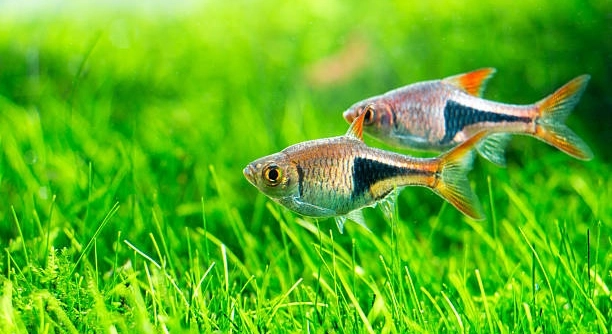
Capturing rasboras can be a delicate task, especially for those who care about their well-being. Handling them gently and understanding their behavior helps ensure a safe and stress-free experience for both you and the fish.
To capture rasboras safely, it is essential to use soft nets and minimize handling time. Gradual acclimation, gentle movements, and avoiding overcrowding reduce stress, while maintaining clean water and proper temperature ensures the fish remain healthy throughout the process.
Following these tips can make catching rasboras safer and less stressful, allowing you to care for them properly and confidently.
Gentle Handling Techniques
When capturing rasboras, gentle movements are essential. Approach them slowly and avoid sudden jerks that can startle the fish. Place the net in the water at an angle and allow the fish to swim into it naturally. Avoid scooping from above quickly, as this can injure fins or scales. Use both hands to support the net and container while transferring the fish, keeping their time out of water to a minimum. If multiple fish need to be moved, handle them one at a time. Observe their reactions closely; if they become agitated, pause and let them calm before continuing. Always rinse your hands before touching the net or container to remove residues. Maintaining a calm demeanor and controlled pace helps the fish feel secure and prevents unnecessary stress. Over time, these gentle techniques make handling smoother and safer.
Gentle handling minimizes stress and protects delicate fins during capture.
Consistently using careful, controlled movements ensures the safety of rasboras, allowing you to move them without causing harm or panic. Observing their behavior helps guide your actions for smoother handling.
Acclimating to a New Environment
Acclimation is crucial when introducing rasboras to a new container or tank. Start by placing the fish in a temporary holding container with water from their original tank. Slowly add small amounts of the new water every few minutes to help them adjust. Rapid changes in temperature, pH, or hardness can shock them, affecting health and behavior. Keep the container in a quiet area with stable lighting to reduce stress. Monitor the fish closely for signs of distress such as frantic swimming or gasping at the surface. Once they appear calm, you can gradually move them to their new tank. Avoid overcrowding the temporary container to ensure each fish has enough space. Proper acclimation supports immune function and reduces mortality risks during transitions. This step is as important as careful capture and handling, providing a safe bridge between environments.
Slow and steady acclimation protects rasboras from shock and ensures their health in a new setting.
Allowing the fish to adjust gradually to water conditions and temperature stabilizes their behavior and reduces stress, ensuring a safer transfer. Monitoring their reactions helps prevent sudden health issues during the acclimation process.
Minimizing Stress During Capture
Keeping the environment calm is essential for safe rasbora handling. Reduce noise and avoid sudden movements around the tank. Maintain stable lighting and temperature to prevent shock. Slow, deliberate actions make the fish feel secure and less likely to panic.
When capturing rasboras, controlling stress factors is as important as gentle handling. Avoid tapping on the tank or making loud noises that startle the fish. Limit exposure to bright or fluctuating lights, which can increase agitation. Moving slowly and calmly while using soft nets ensures the fish remain safe. If multiple fish are being handled, give each enough space to prevent collisions and reduce panic. Stress can weaken their immune system, so minimizing it helps maintain overall health during and after capture.
After capture, continue to monitor the fish for signs of stress such as rapid gill movement or erratic swimming. Provide a quiet environment with stable conditions in their temporary container. Avoid overcrowding and maintain proper water quality. Gradually allow them to recover before moving to a new tank or performing additional handling, ensuring a smooth transition and maintaining their health.
Using Nets Effectively
Choosing the right net makes handling easier and safer. Soft, fine mesh prevents injury and supports smooth transfer.
A fine-mesh, soft net reduces the risk of tearing fins or damaging scales during capture. Position the net carefully, allowing the fish to swim into it rather than forcing them. Avoid jerking or rapid scooping motions, which can cause injury. For multiple fish, handle them one at a time to maintain control and minimize stress. Rinse the net before and after use to remove residues that could harm the fish. Observing the fish while in the net ensures they are not trapped or stressed, allowing for a safer, controlled transfer process.
Proper net use involves supporting the net during transfer and limiting time out of water. Gently guide the fish into the container, keeping movements calm and measured. Avoid overcrowding the net, and always rinse it beforehand. Using these methods ensures the rasboras remain healthy, reducing stress and preventing injuries. Patience and care during this step are essential for safe handling.
Observing Fish Behavior
Watch rasboras carefully before capture. Calm, steady swimming indicates they are ready to be handled safely.
Avoid capturing when the fish are darting or hiding. Waiting for steady behavior reduces stress and the chance of injury.
Proper Water Conditions
Maintaining stable water conditions during capture is essential. Temperature, pH, and hardness should match their tank environment closely. Sudden changes can shock the fish, affecting health and behavior. Clean, well-oxygenated water prevents stress and supports safe handling. Keep containers partially filled to reduce splashing and provide a comfortable environment.
Limiting Handling Time
Keep fish out of water for as little time as possible. Quick, calm movements reduce stress.
Transporting Safely
Use secure containers with enough water and oxygen when moving rasboras. Avoid overcrowding to maintain a safe, stress-free environment.
FAQ
How often should I capture my rasboras?
Capturing rasboras should be done only when necessary, such as for tank cleaning, health checks, or relocation. Frequent handling can stress the fish, weaken their immune system, and increase the risk of injury. Limit capture to essential moments and avoid unnecessary disturbances.
What type of net is safest for rasboras?
Use a soft, fine-mesh net designed for small, delicate fish. Nets with rough or large mesh can tear fins or scales. A soft net allows the fish to swim in without hitting hard surfaces, making the process safer and less stressful. Always rinse the net before and after use.
Can I capture multiple fish at once?
It is better to handle one fish at a time. Crowding increases stress and the risk of collisions. If multiple fish need to be moved, capture them sequentially, giving each enough space to remain calm. This approach minimizes injury and maintains overall fish health.
How long can rasboras stay in a temporary container?
Rasboras should only remain in a temporary container for a short time, ideally under 15–20 minutes. Longer periods can cause stress, reduce oxygen levels, and affect water quality. Ensure the container has water from their tank, stable temperature, and minimal disturbance.
What water conditions should I maintain during capture?
Match the temporary container’s temperature, pH, and hardness to the main tank. Sudden changes can shock the fish and cause health issues. Keep the water clean, oxygenated, and free of chemicals. Avoid overcrowding and provide enough space for each fish to swim comfortably.
How do I calm rasboras before capture?
Keep the tank area quiet and dim the lighting slightly if needed. Avoid tapping the glass or making sudden movements. Observe the fish and wait until they swim steadily. Calm fish are easier to capture and less likely to panic, reducing the risk of injury.
Is it necessary to acclimate fish after capture?
Yes, acclimation is crucial. Slowly introduce water from the new tank into their temporary container to adjust them to changes in temperature and chemistry. Gradual acclimation prevents shock, supports immune function, and reduces stress, ensuring the fish remain healthy after transfer.
Can I use my hands to capture rasboras?
Using hands is not recommended unless necessary. Fish skin and scales are delicate, and human hands can transfer oils or residues. If hand capture is needed, wet your hands thoroughly and move very slowly to minimize stress. A net is safer and more controlled.
What signs indicate stress during capture?
Rapid gill movement, erratic swimming, hiding, or attempts to escape indicate stress. Pause and let the fish calm down before continuing. Handling fish too aggressively or during high-stress periods can compromise health, so monitoring behavior is essential.
How do I ensure safe transport of rasboras?
Use a secure container with enough water and oxygen. Avoid overcrowding and sudden movements. Keep the container level, avoid shaking, and maintain stable temperature. Small adjustments and careful handling reduce stress, ensuring the fish arrive safely at their destination.
Can capturing affect breeding behavior?
Frequent or rough handling can temporarily stress rasboras and reduce breeding activity. Avoid unnecessary captures, maintain proper water quality, and provide a calm environment to support natural behaviors and reproductive health.
Are there alternatives to netting?
Some methods, like using a cup or gentle siphon, can work for moving small numbers of fish. These methods require patience and control to prevent injury. Nets are generally the safest and most efficient method for capturing multiple fish while minimizing stress.
What should I do if a fish gets injured during capture?
Immediately move the injured fish to clean, stable water. Monitor for signs of infection or stress. Provide gentle care, avoid additional handling, and consider using aquarium-safe treatments if necessary. Quick, calm intervention increases chances of recovery.
How can I reduce stress after capture?
Keep fish in calm, quiet conditions with stable water quality. Avoid sudden changes in temperature, lighting, or tank mates. Give them time to recover before any additional handling, ensuring they regain normal swimming and feeding behavior.
Is it safe to capture rasboras during tank cleaning?
Yes, but only if necessary. Remove fish gently, using proper nets and containers. Avoid capturing all at once if possible. Ensure water conditions remain stable in both the tank and temporary holding containers to prevent stress or shock.
What common mistakes should I avoid?
Avoid rapid scooping, overcrowding, sudden lighting changes, and frequent handling. Do not use rough nets or unclean containers. Ignoring stress signs can harm the fish. Patience, gentle techniques, and careful observation prevent injuries and maintain overall health during capture and transfer.
Capturing rasboras safely requires careful planning, gentle handling, and attention to their environment. Small actions, such as using a soft net, keeping the water conditions stable, and reducing stress in the tank, can make a significant difference. Each fish is delicate, and even minor mistakes can cause injury or stress, so being mindful throughout the process is essential. Preparing all necessary equipment before beginning allows the capture to proceed smoothly and reduces the time the fish spend out of water. Observing the behavior of the rasboras helps determine the best moment to handle them, ensuring they are calm and steady. Limiting noise, bright lighting, and sudden movements further supports a safe and controlled environment.
Once the fish are in a temporary container, maintaining stable water conditions and a calm environment continues to play an important role in their health. Gradually acclimating them to any new water or tank is crucial to prevent shock. Avoid overcrowding and ensure enough space for each fish to swim comfortably. Keeping the water clean and oxygenated during handling and transport helps maintain their well-being. Even after capture, monitoring the fish for stress signs such as rapid gill movement or frantic swimming allows timely intervention. Handling rasboras carefully and deliberately, with patience and observation, reduces the risks of injury or illness. Proper techniques, such as transferring one fish at a time, minimizing handling duration, and using soft nets, consistently support safe practices.
By following these guidelines, capturing rasboras can become a manageable task that ensures their safety and health. Consistent attention to detail and a calm, controlled approach prevent unnecessary stress and allow the fish to recover quickly. Every step, from preparation to acclimation in a new environment, contributes to their overall well-being. These practices not only protect the fish physically but also support their natural behavior and long-term health. Being mindful of water quality, temperature, and the fish’s reactions helps create a safer process for everyone involved. Developing a routine based on careful observation and gentle handling builds confidence and promotes successful care. In the end, thoughtful preparation and attention to detail make capturing rasboras a safer, more controlled, and effective process that maintains the fish’s health and comfort.

Hello,
If you enjoy the content that we create, please consider saying a "Thank You!" by leaving a tip.
Every little bit helps us continue crafting quality advice that supports the health, happiness, and well-being of pets around the world, for pets of all shapes, sizes, and species.
We really appreciate the kindness and support that you show us!