
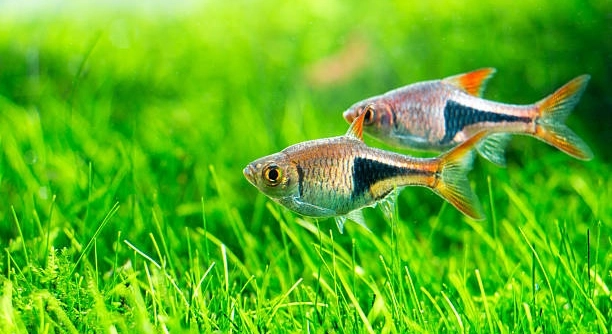
Keeping rasboras calm during aquarium maintenance helps protect their health and natural behavior. I focus on gentle routines, steady movements, and thoughtful preparation to reduce stress while cleaning, adjusting equipment, or performing water changes safely.
Rasboras remain calm during maintenance when environmental changes are minimized through slow movements, consistent lighting, and stable water parameters. Using quiet tools, maintaining routine schedules, and avoiding sudden disturbances preserves schooling behavior and reduces physiological stress responses in aquarium systems.
These practical steps create a calmer tank environment and set the foundation for safer, more effective maintenance routines over time.
Prepare the Tank Before Maintenance
I always prepare the tank before starting any maintenance task because preparation lowers stress for rasboras. Lights are dimmed first to reduce visual shock. Equipment is placed nearby to avoid sudden movements later. I unplug heaters and filters carefully, preventing vibrations. Hands are rinsed to remove soap or chemicals. Water for changes is pretreated and temperature matched. This step prevents abrupt parameter shifts that can disturb schooling behavior. Decorations are left mostly untouched to preserve familiar hiding spaces. When tools enter the tank slowly, fish react less. Preparation also shortens maintenance time, which matters for sensitive species. Rasboras thrive when routines stay predictable. A calm setup allows them to remain focused on swimming patterns rather than escape responses. This approach supports overall tank stability and reduces recovery time after maintenance ends. Careful planning also helps me move confidently, keeping my actions smooth and predictable throughout the entire process at home.
Short, efficient sessions are easier on rasboras. I focus on one task at a time, avoiding unnecessary adjustments. This keeps activity brief and limits prolonged exposure to disturbance. Ending maintenance quickly allows the fish to settle back into normal swimming patterns. Consistency time builds trust and stability within the tank.
Moving slowly during maintenance plays a major role in keeping rasboras calm. Sudden hand movements can trigger darting and collisions. I lower tools into the water gradually and avoid chasing debris near the fish. If schooling breaks, I pause briefly to let them regroup. Gentle motions signal safety and reduce panic. Noise control also matters. Buckets are set down softly, and lids are handled with care. These habits reduce vibration and visual stress. Over time, rasboras learn that maintenance does not bring harm. Their confidence improves, making each session smoother for both fish and keeper with continued calm repetition daily.
Protect Their Space During Cleaning
Rasboras rely on familiar surroundings for comfort. I avoid removing all decorations at once and clean sections gradually. Plants, driftwood, and rocks provide visual security. Keeping these items mostly in place helps the fish feel anchored, even while water levels change. This stability reduces stress during routine care tasks inside.
Water changes are often the most stressful part of maintenance for rasboras. I manage this by siphoning slowly and removing small amounts at a time. Large, rapid changes can disrupt their sense of safety. Matching temperature and parameters before adding new water is essential. I pour replacement water gently against the glass or onto a decoration to soften the flow. This prevents sudden currents from pushing fish around. Lighting is kept low during the process to reduce stimulation. Filters are restarted carefully to avoid strong bursts of movement. After maintenance, I step back and give the fish space. Rasboras usually regroup within minutes when disturbances remain minimal. Observing them afterward helps confirm that behavior returns to normal. Calm swimming and tight schooling indicate success. Consistent methods build familiarity, which lowers stress over time. Maintenance becomes a predictable event rather than a disruptive one. This approach supports long term health, color retention, and stable feeding behavior without unnecessary strain. By repeating the same steps each session, I create stability. The fish learn patterns and react less. Over time, maintenance blends into their environment, allowing them to remain active, visible, and relaxed throughout regular care routines without sudden stress responses or fear.
Maintain Consistent Water Conditions
Stable water conditions help rasboras remain calm during maintenance. I avoid sudden shifts by testing parameters before cleaning. Temperature, pH, and hardness stay within familiar ranges. Small, controlled adjustments protect schooling behavior and prevent stress reactions during routine care. Consistency builds confidence and supports healthy immune function over time naturally.
I keep water changes gradual to avoid shocking sensitive fish. Removing ten to twenty percent at a time works well. New water is always pretreated and warmed. I add it slowly to reduce current. Filters restart gently to avoid pressure changes. Testing after maintenance confirms stability. When conditions remain predictable, rasboras resume normal swimming faster. Consistent parameters support appetite, color, and social behavior. Over time, this routine reduces stress signs such as hiding or erratic movement. Calm water conditions help maintenance feel like a normal event rather than a threat. Predictability strengthens long term health and reduces recovery periods significantly.
I monitor rasboras closely during and after maintenance. Slower swimming, loose schooling, or pale color signal discomfort. When I notice these signs, I stop and allow time to settle. Feeding is delayed until behavior normalizes. Gentle observation helps prevent escalation. Keeping notes on reactions improves future care. Patterns emerge over weeks. Some tanks need smaller changes or longer pauses. Adjusting routines based on observation keeps fish comfortable. This awareness turns maintenance into a responsive process rather than a fixed task, benefiting both fish and keeper. Over time, calm responses become more consistent and easier to manage daily with experience gained.
Control Light and Activity Levels
Bright lights and excess activity can overstimulate rasboras during maintenance. I dim the aquarium lights before starting and avoid room noise. Sudden shadows are minimized by moving slowly. This lowers visual stress and reduces darting. A calmer environment helps fish stay grouped. Reduced stimulation allows them to conserve energy and remain steady while cleaning tasks are completed. Consistency in lighting schedules also prevents confusion and supports stable daily rhythms before and after maintenance sessions begin.
I limit movement around the tank during maintenance. Fast walking, tapping glass, or hovering can alarm rasboras. I step back when possible and give them visual space. Tools are placed gently and removed slowly. Maintenance during quiet times of day works best. Feeding, loud music, or bright screens are avoided nearby. After finishing, I keep lights low for a short period. This allows fish to settle without added stimulation. Over time, they associate maintenance with minimal disruption. Reduced activity supports stable behavior and faster recovery. A calm surrounding environment reinforces the safety of the tank, helping rasboras remain relaxed and visible. These habits lower stress accumulation and improve long term confidence within maintained aquarium systems by keeping external disturbances predictable and consistently controlled during care.
Use Familiar Tools and Methods
I keep maintenance tools consistent so rasboras recognize them over time. Using the same siphon, bucket, and net reduces surprise. Clean tools gently and store them nearby. Familiar equipment lowers fear responses and prevents frantic swimming during routine tank care sessions. This stability supports calm behavior throughout repeated cleaning events.
I also avoid switching products or methods without need. Sudden changes in tools or techniques can confuse fish. Keeping procedures predictable helps rasboras remain steady. Repetition builds tolerance, making each maintenance session smoother, shorter, and less disruptive for the entire aquarium over time with consistent handling and careful observation practices.
Limit Direct Interaction With Fish
I limit net use unless absolutely necessary. Nets can cause panic and break schooling patterns. When moving fish is unavoidable, I guide slowly without chasing. Most maintenance can be done without direct contact. Cleaning glass, siphoning debris, and trimming plants should happen around the fish, not through them. I work from one side to the other, giving space to retreat. This approach reduces collisions and scale damage. Rasboras respond better when they feel in control of movement. Less interference leads to quicker calm after maintenance ends and supports long term confidence during routine care tasks for sensitive schooling species overall.
Keep a Consistent Maintenance Schedule
I schedule maintenance at the same time whenever possible. Rasboras adjust better when care follows a pattern. Predictable timing reduces startle responses. Over weeks, fish anticipate disturbances and remain calmer. This routine supports stable behavior and smoother maintenance with fewer stress signals during regular aquarium care sessions at home consistently.
FAQ
How often should maintenance be done to keep rasboras calm?
I find that light, regular maintenance works best. Weekly water changes and small cleanups prevent large disruptions. Waiting too long often leads to bigger tasks, which can stress rasboras more. Consistency matters more than frequency. When care follows a steady rhythm, fish adjust and react less over time.
Can rasboras get used to maintenance routines?
Yes, they can. Rasboras learn patterns quickly when actions stay predictable. Using the same tools, timing, and movements helps them recognize maintenance as non threatening. Over weeks, I notice less darting and tighter schooling. Familiar routines reduce fear responses and support calmer behavior during cleaning.
Is it better to remove rasboras during major tank cleaning?
I avoid removing them whenever possible. Catching and transferring fish causes more stress than cleaning around them. Most tasks can be done with fish inside the tank. If a major overhaul is needed, breaking it into smaller sessions keeps stress lower and behavior more stable.
Does feeding before maintenance help calm rasboras?
I usually avoid feeding right before maintenance. Food can increase activity and excitement, making fish more reactive. Feeding after maintenance works better. Once conditions settle, rasboras eat normally and associate the routine with a calm ending rather than disruption.
How much water should be changed at one time?
Smaller changes are safer. I stick to ten to twenty percent for routine care. Large water changes can shift parameters too quickly. Gradual adjustments help rasboras maintain balance and reduce shock. Stability supports calm swimming and faster recovery.
Do rasboras react to noise during maintenance?
They do. Loud sounds, tapping, or sudden movements nearby can trigger stress. I keep the area quiet and handle equipment gently. Reduced noise lowers vibration and helps fish remain grouped. A calm environment supports smoother maintenance overall.
Is lighting important during tank cleaning?
Lighting plays a big role. Bright lights increase visibility and stimulation. I dim the lights before starting and keep them low afterward. This reduces startle reactions and helps rasboras stay calm. Consistent lighting schedules also support stable daily behavior.
Can plant trimming stress rasboras?
It can if done aggressively. I trim slowly and avoid removing too much at once. Plants provide cover and security. Leaving familiar structures in place helps rasboras feel safe. Gradual changes prevent sudden loss of shelter and reduce anxiety.
What signs show rasboras are stressed during maintenance?
Loose schooling, pale color, rapid breathing, or hiding are common signs. When I notice these, I pause and allow the tank to settle. Watching behavior closely helps guide adjustments. Early response prevents prolonged stress.
Should filters be turned off during maintenance?
I turn them off briefly during water changes to prevent damage. Restarting them gently matters. Sudden strong flow can startle fish. Smooth restarts help rasboras adjust without panic. Stable flow patterns support calm movement.
Does tank size affect how rasboras handle maintenance?
Smaller tanks show changes faster. I am extra careful with smaller volumes because parameters shift quickly. Larger tanks offer more buffer. In both cases, slow actions and consistency help rasboras remain calm during care.
Can stress during maintenance affect rasbora health long term?
Yes. Repeated stress can weaken immunity and affect color and appetite. Calm maintenance supports long term health. Reducing panic helps prevent injury and exhaustion. Gentle routines protect both physical and behavioral well being.
Is it okay to clean decorations during maintenance?
I clean them one at a time rather than all at once. Removing everything can leave fish exposed. Keeping some familiar items in place helps maintain comfort. Gradual cleaning balances hygiene and security.
How long does it take rasboras to settle after maintenance?
In calm setups, they often settle within minutes. If stress is higher, it may take longer. Observing schooling behavior helps gauge recovery. Tight, steady swimming signals that conditions are stable again.
Can water testing stress rasboras?
Testing itself does not stress them, but rushing can. I test calmly and avoid splashing or sudden movements. Accurate testing helps prevent larger issues, which benefits fish comfort long term.
Does experience make maintenance easier on rasboras?
Yes, for both fish and keeper. As routines improve, stress decreases. Rasboras respond better when actions are confident and controlled. Over time, maintenance becomes a normal part of their environment rather than a disturbance.
Final Thoughts
Keeping rasboras calm during maintenance comes down to consistency, awareness, and restraint. Small choices made before and during care have lasting effects on how fish respond over time. When routines stay predictable, rasboras remain confident in their environment. Slow movements, stable water conditions, and controlled lighting all work together to reduce stress. Maintenance does not need to be invasive to be effective. In many cases, doing less produces better results. Allowing the tank to feel familiar even during cleaning supports natural behavior. Schooling stays tight, color remains strong, and recovery happens quickly. These signs reflect a system that respects the sensitivity of the fish rather than forcing adjustment. Calm maintenance protects both physical health and long term stability, which matters more than perfect cleanliness.
Experience plays a role in refining this process. Over time, patterns become clear. Certain actions trigger stress, while others pass unnoticed. Paying attention to these responses improves future care. Each tank has its own balance, shaped by size, layout, and stocking levels. Rasboras respond best when that balance is preserved. Interruptions should be brief and controlled. Observation becomes just as important as action. Watching how fish react during and after maintenance offers valuable feedback. Adjustments based on behavior lead to better outcomes than rigid schedules alone. This approach turns maintenance into a responsive practice rather than a checklist. The goal shifts from finishing tasks quickly to maintaining comfort throughout the process. This mindset supports healthier fish and a more stable aquarium overall.
A calm aquarium benefits the keeper as well. Maintenance feels easier when fish are relaxed and predictable. There is less rushing, fewer mistakes, and reduced need for corrective actions later. Over time, confidence builds on both sides. Rasboras learn that disturbances pass without harm, and care becomes part of their routine. This shared adjustment creates a steady rhythm that supports long term success. Healthy behavior, consistent feeding, and stable appearance all reflect reduced stress. By focusing on gentle methods and thoughtful timing, maintenance becomes a quiet task rather than a disruptive event. These habits do not require extra effort, only patience and consistency. When care respects the needs of the fish, the aquarium remains balanced, calm, and enjoyable to maintain over time.

Hello,
If you enjoy the content that we create, please consider saying a "Thank You!" by leaving a tip.
Every little bit helps us continue crafting quality advice that supports the health, happiness, and well-being of pets around the world, for pets of all shapes, sizes, and species.
We really appreciate the kindness and support that you show us!